

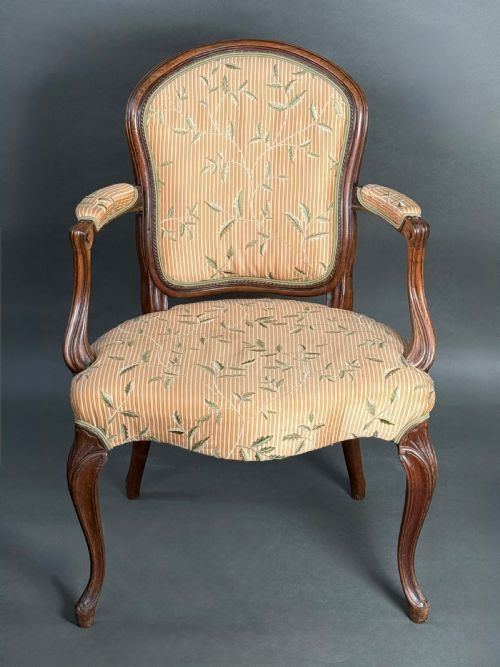
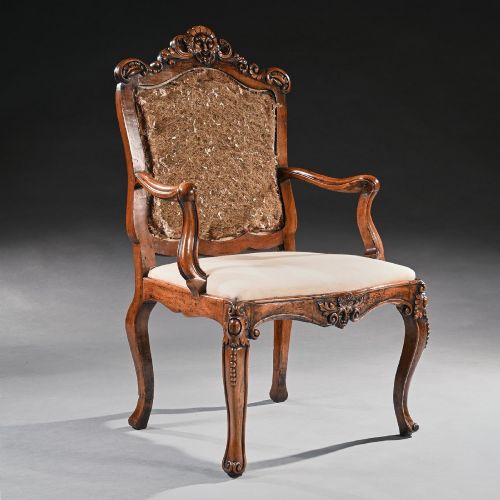
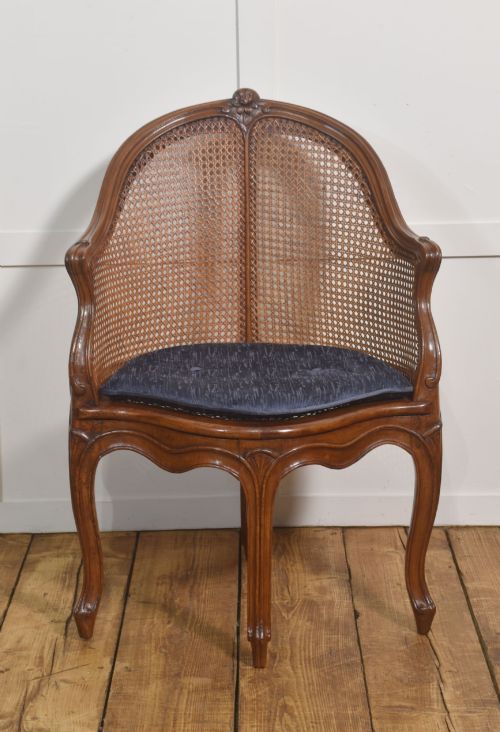
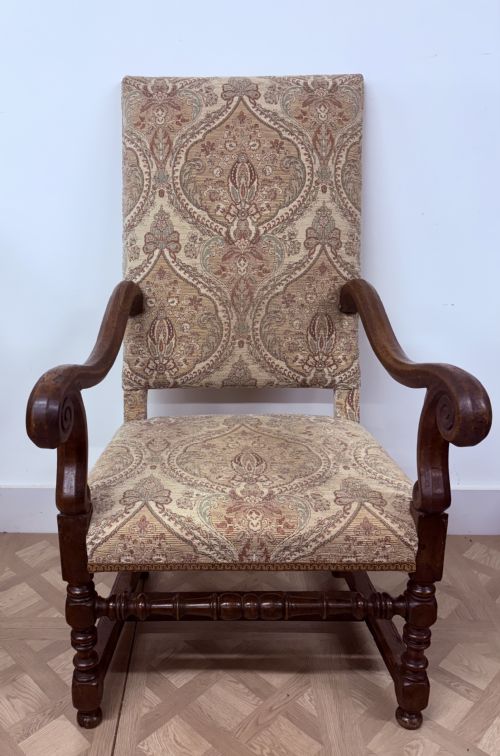
Walnut Fauteuil Armchair
A walnut fauteuil armchair brings carved warmth and classic seating to a room, drawing on centuries of European design.
Walnut Fauteuil Armchair
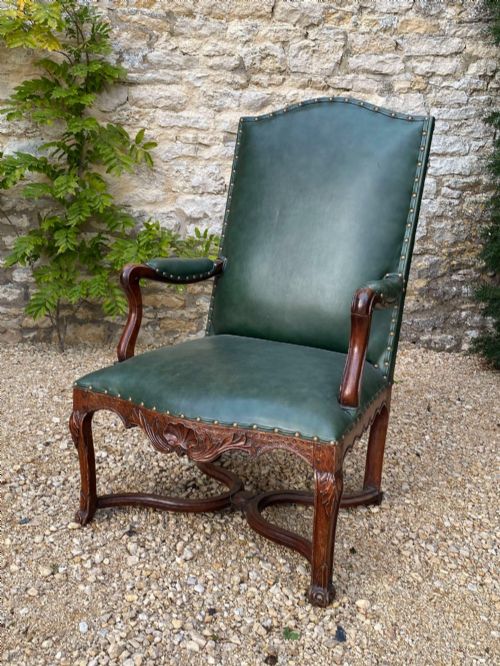
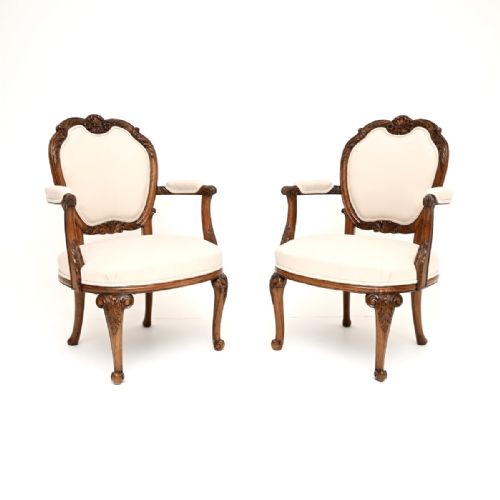
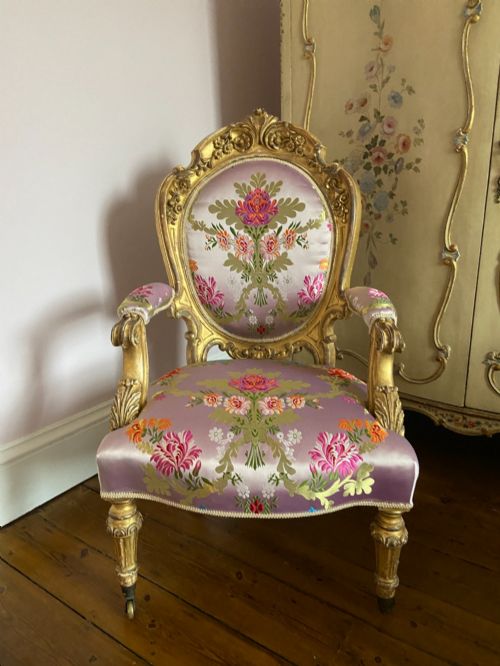
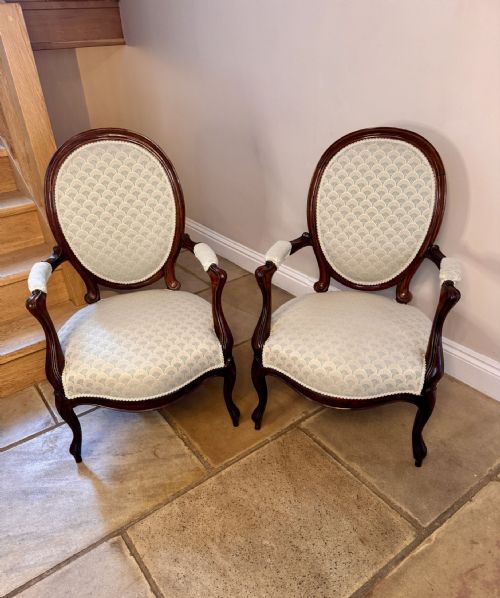
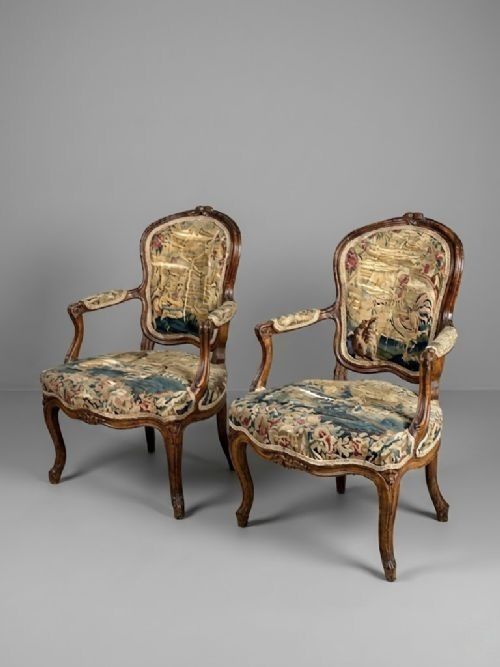
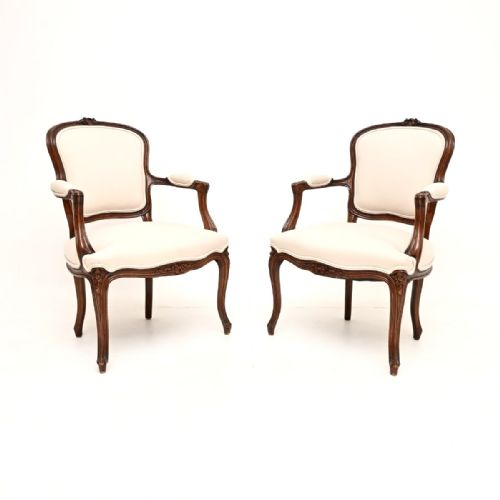
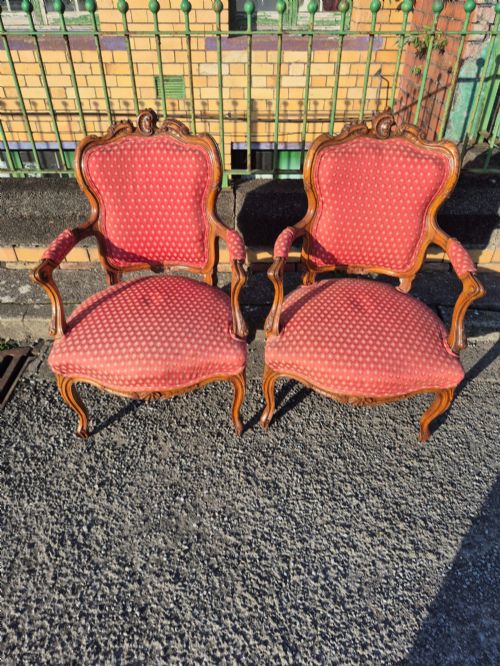
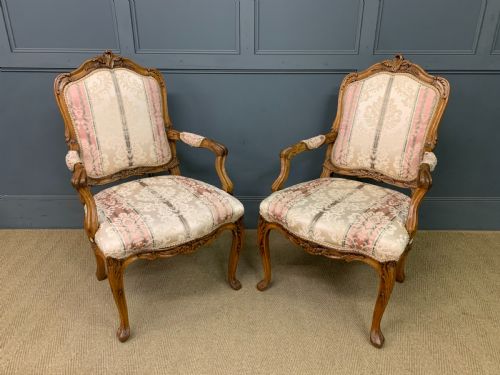
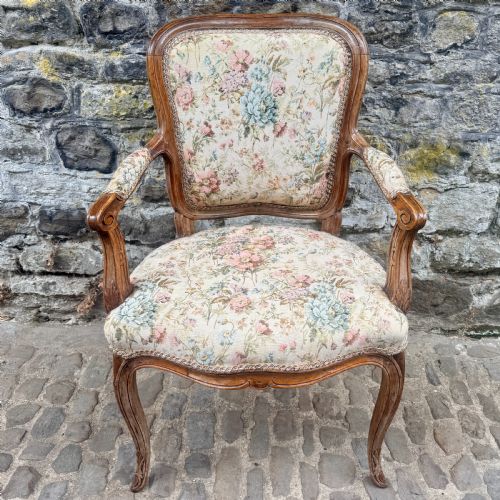
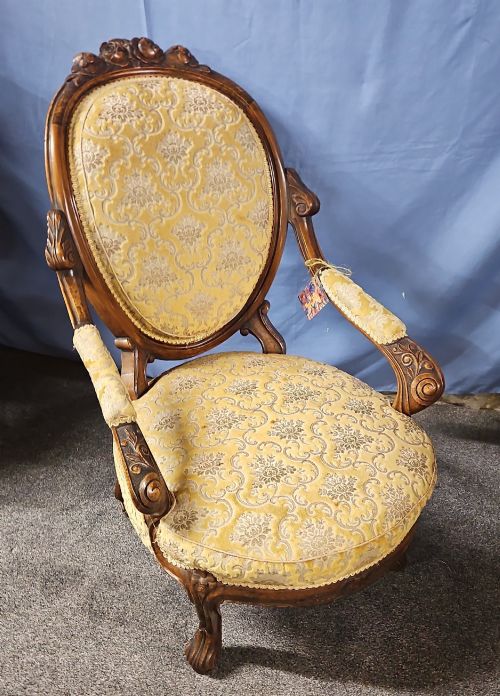
A walnut fauteuil armchair is an open-armed seat that bridges classical French design with practical comfort, appearing in forms ranging from provincial models to grand revival pieces. When you search for a walnut fauteuil armchair, you encounter seating shaped by historical styles such as Louis XV, Rococo Revival, and Baroque, spanning periods from the late seventeenth century through the twentieth century.
The pieces on this page lean heavily towards nineteenth-century revivals and eighteenth-century originals, often offered in pairs or small salon suites alongside single bedroom chairs. Makers such as Hille also contribute twentieth-century interpretations, showing how the form persisted across different eras of cabinet making.
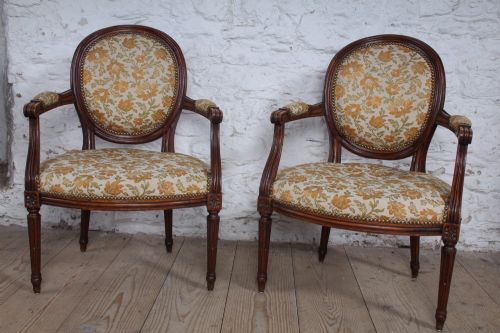
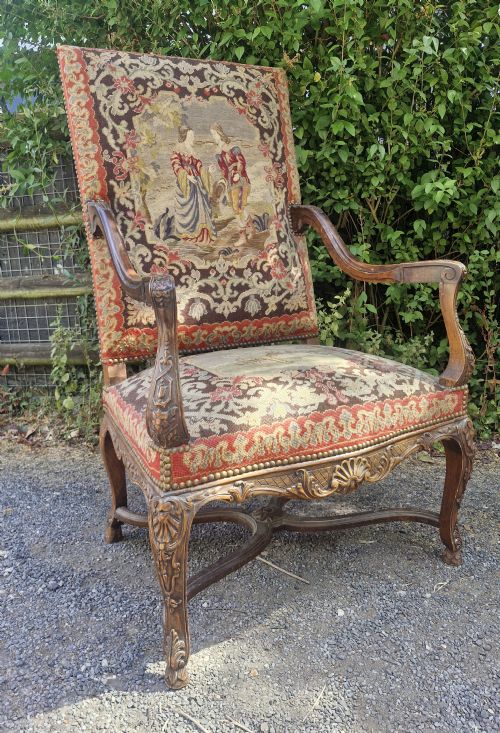
Most examples feature exposed timber frames combined with upholstered elements, utilising textile, velvet, fabric, or traditional tapestry covers. Whether you examine a provincial armchair or a high-backed William and Mary style seat, the core vocabulary remains rooted in carved walnut and textiles.
Evaluating Quality and Craftsmanship
Quality rests upon the crispness of the hand-carving on the walnut frame, where deep, clean lines distinguish superior joinery from softer, mass-produced revival work. The integration between the wooden arms and the structural legs dictates the overall stability of the seat.
The selection of the covering material, whether Aubusson tapestry, silk by makers like Colefax and Fowler, or period needlepoint, dictates the interior distinction of the piece. Original or period-appropriate upholstery fabric that retains its structural integrity elevates the standing of an armchair compared to later, unsympathetic re-coverings.
Walnut Fauteuil Armchair Retail Price Guide 2026
Typical asking prices for walnut fauteuil armchair among the pieces listed under this phrase on Sellingantiques today, from the lower quarter to the upper quarter. They describe what is for sale here now, not the wider market.
Several armchairs arrive with stubborn needlepoint covers depicting centuries-old floral scenes that have outlasted several generations of human lounging.
Hille·Colefax and Fowler
The Walnut Fauteuil Armchair Glossary
- Fauteuil
- An open-armed upholstered armchair originating in France, typically featuring an exposed wooden frame. This form provides a lighter visual presence than a fully upholstered armchair.
- Rococo Revival
- A nineteenth-century design movement that emulates the curved lines, asymmetrical motifs, and natural shell patterns of the original eighteenth-century Rococo period. Walnut frames from this era show deeply sculpted floral and scroll details.
- Aubusson
- A style of tapestry woven in the French town of the same name, frequently used to cover the seats and backs of period armchairs. These textiles often depict pastoral scenes or floral bouquets.
- Cabriole leg
- A furniture leg that curves out and then in, resembling the leg of an animal, commonly seen on eighteenth-century and revival seating. It terminates in a scroll, pad, or hoof foot.
- Cane
- Woven rattan or split reed material used to form supportive panels for the back or seat of a chair. It offers a breathable and lightweight surface.
Walnut Fauteuil Armchair: Frequently Asked Questions
What is a fauteuil armchair?
A fauteuil is a distinct type of French upholstered armchair characterised by open wooden arms that leave the structural timber exposed. These seats were designed for formal salons and domestic parlors.
The form combines the comfort of padded upholstery with the decorative artistry of carved walnut frames, making it a prominent feature in historic European interiors.
How do I date a walnut armchair?
Dating relies on examining the timber treatment, the style of the carved motifs, and the construction methods used in the frame. Eighteenth-century models display hand-cut joinery and period-specific proportions, while nineteenth-century revival pieces often mimic these traits with heavier industrial tooling.
Comparing the secondary woods and the style of the cabriole legs or crest rails against documented design periods helps clarify the era of manufacture.
Were these armchairs used in pairs?
Yes, many of these seating options were created as pairs or larger salon suites to furnish symmetrical drawing rooms and formal spaces. Matching pairs allowed for balanced interior arrangements around a fireplace or central table.
Finding a matching pair remains common, though single examples also appear from bedroom sets and smaller boudoirs.
How should I care for antique upholstery?
Antique textiles, tapestry covers, and needlework require gentle handling and protection from direct sunlight to prevent fading. Regular, cautious vacuuming with a low-suction attachment helps remove dust without stressing old fibres.
Professional textile conservators should handle any deep cleaning or structural repairs needed for fragile silk or wool panels.