


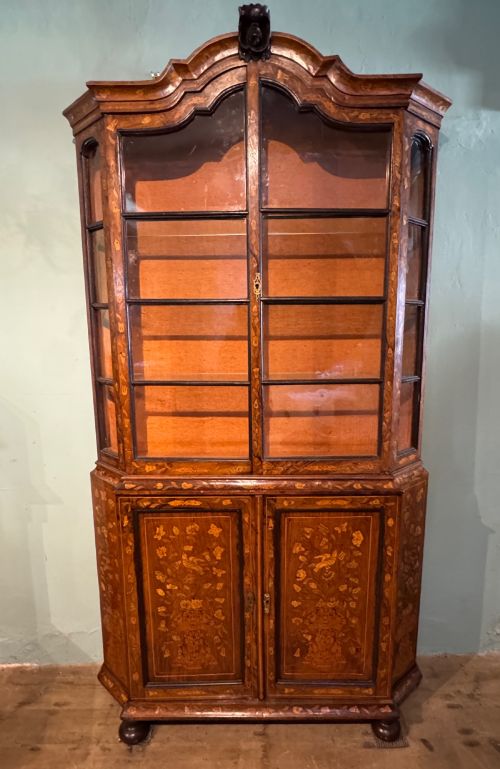
Walnut Cupboard Cabinet
When you look for a walnut cupboard cabinet, you encounter versatile storage and display furniture shaped across multiple centuries.
Walnut Cupboard Cabinet
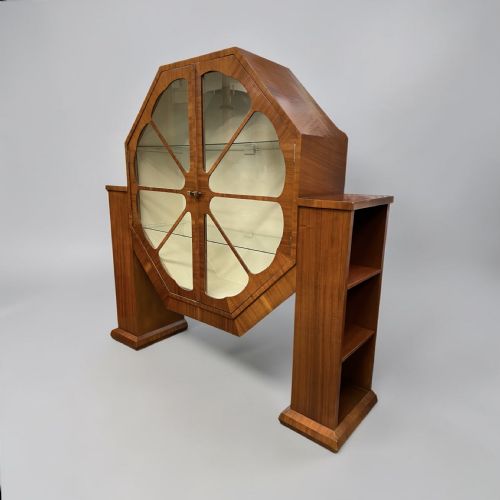
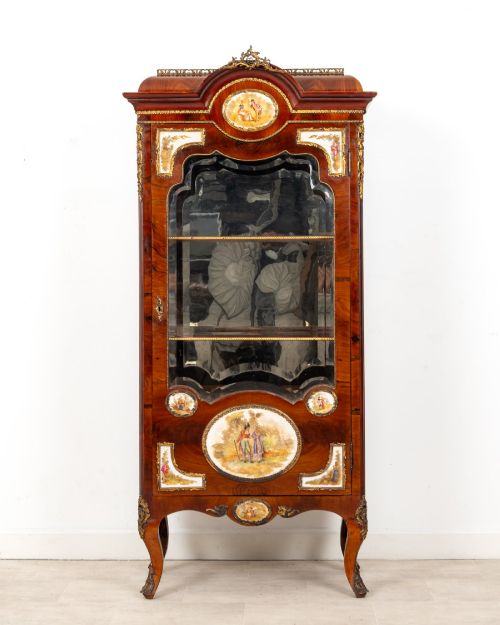
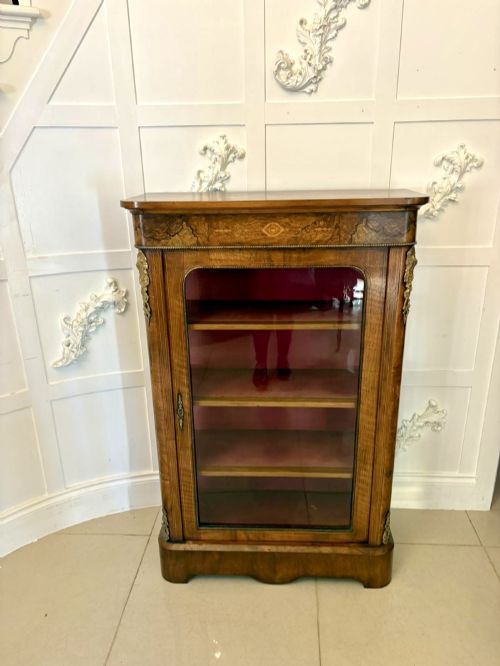
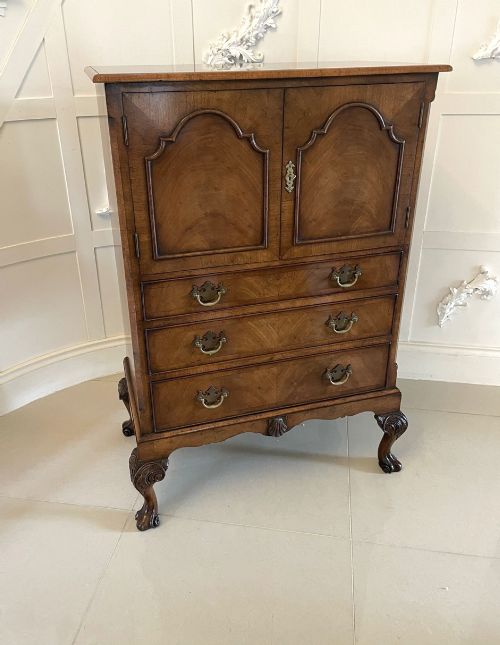
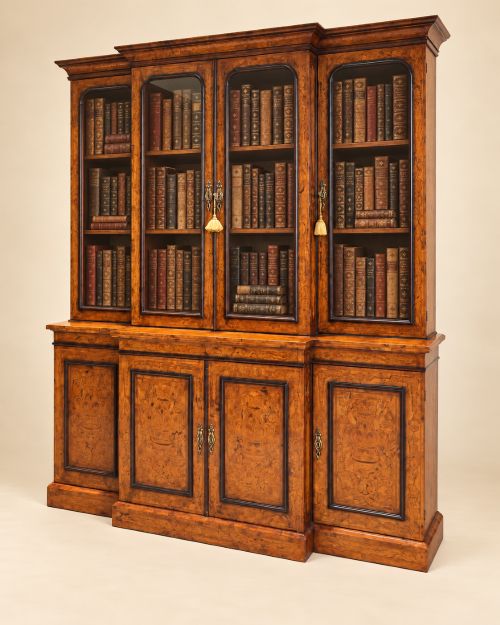
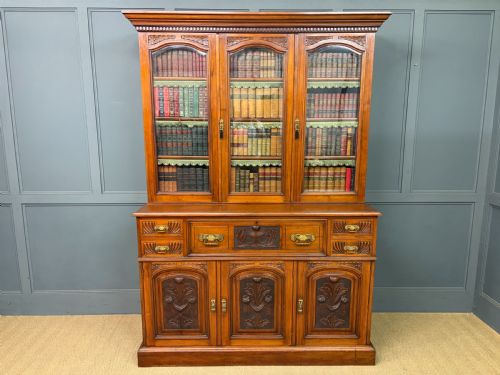
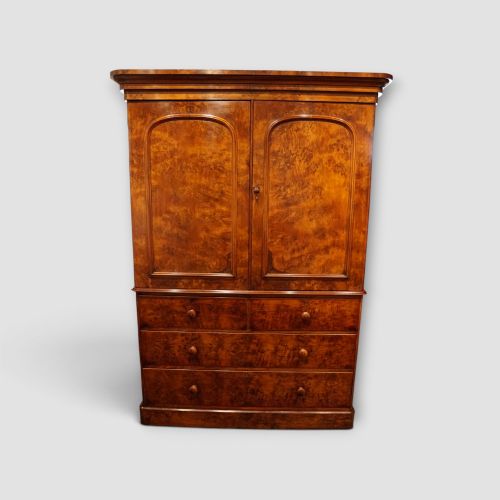
A walnut cupboard cabinet encompasses an array of storage forms, ranging from compact bedside units and music cabinets to expansive breakfront bookcases and linen presses. Pieces originating from Victorian and Edwardian periods sit alongside later Art Deco designs and continental marquetry examples.
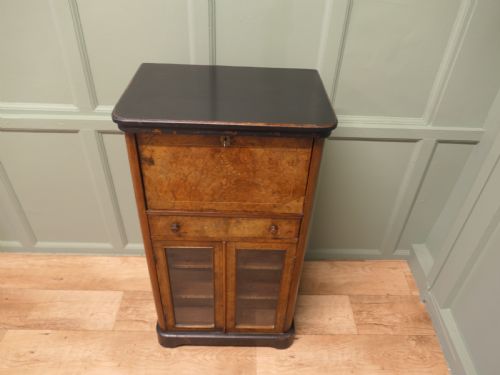
The version most commonly met on this page is the bedside cabinet or pot cupboard, frequently constructed from burr walnut with single doors or drawers. Alongside these smaller pieces, larger display cabinets and wardrobes appear with regularity, reflecting domestic storage needs across the nineteenth and twentieth centuries.
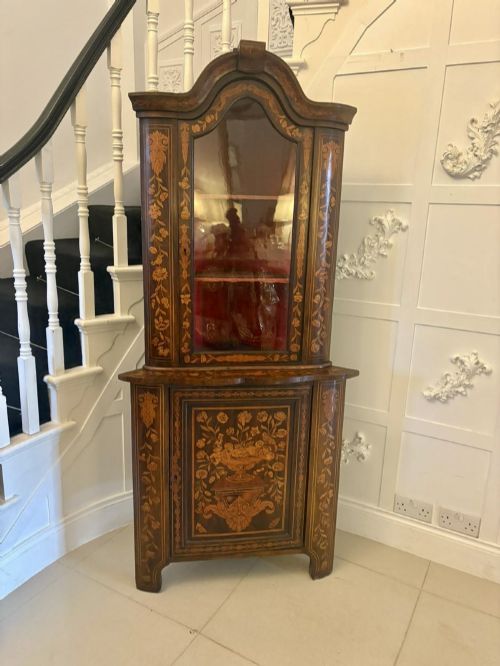
Geographic origins span English workshops alongside French, Dutch, and Swedish makers, introducing varied regional marquetry patterns and decorative treatments. This international spread ensures that buyers encounter distinct structural characteristics depending on whether a piece hails from a London maker or a continental provincial workshop.
Materials and Construction
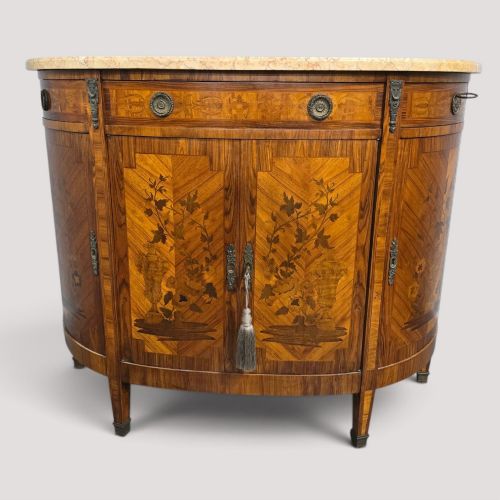
Carpenters utilised solid walnut and decorative veneers, notably burr walnut, applied over secondary timbers to achieve rich figuring across flat surfaces. Marquetry and inlaid details utilising contrasting woods, brass fittings, and glass panels frequently enhanced the primary timber.
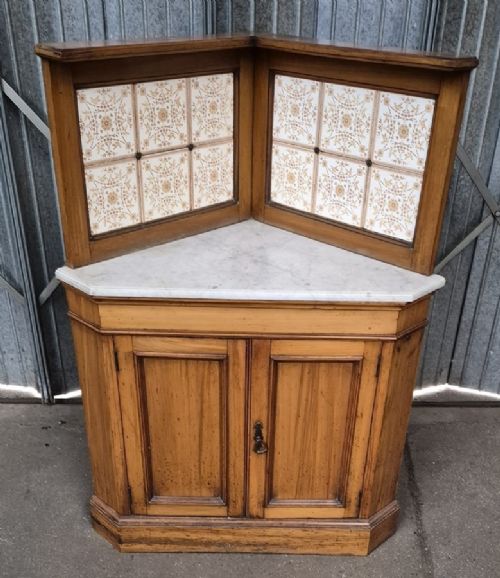
Marble tops appear on numerous continental and Victorian pieces, providing durable surfaces on bedside cabinets and washstands. Ormolu mounts and ceramic plaques occasionally supplement the structural woodwork on exhibition-grade furniture from the mid-nineteenth century onwards.
Listings feature numerous bedside cabinets dating from the Victorian and Edwardian eras, constructed primarily in burr walnut with marble or wood tops.
Standards of Craftsmanship
Quality rests upon the selection and matching of the veneer grain, where symmetrical figuring across doors and drawer fronts indicates superior cabinet-making. Superior examples display precise inlay work and tight joinery that remains stable through shifting atmospheric conditions.
Hardware integration, such as original brass handles, locks, and hinges, distinguishes high-grade workshop production from utilitarian output. The thickness of the timber used in secondary framing elements and drawer linings further separates standard commercial pieces from bespoke commissions.
Shoolbred and Co·Walker and Sons·Maple and Co·Trapnell and Gane·Epstein
The Walnut Cupboard Cabinet Glossary
- Burr walnut
- A prized timber harvested from growth irregularities on walnut trees, yielding highly figured swirling patterns used for decorative veneer panels.
- Marquetry
- The art of applying pieces of veneer to a structure to form decorative patterns and pictorial designs.
- Ormolu
- Gilded bronze mounts applied as decorative ornaments to furniture during the eighteenth and nineteenth centuries.
- Pier cabinet
- A tall, narrow display cabinet designed specifically to stand against the wall space between windows.
- Linen press
- A tall storage cupboard originally designed for textiles, featuring internal sliding trays or shelves enclosed by large doors.
Walnut Cupboard Cabinet: Frequently Asked Questions
What is a pot cupboard?
A pot cupboard is a small bedside cabinet historically designed to house a chamber pot behind a single enclosed door. These compact items often incorporate a small drawer above the main compartment.
Today, buyers utilise these adaptable pieces as bedside tables or lamp stands in modern bedrooms.
How do I identify Art Deco pieces?
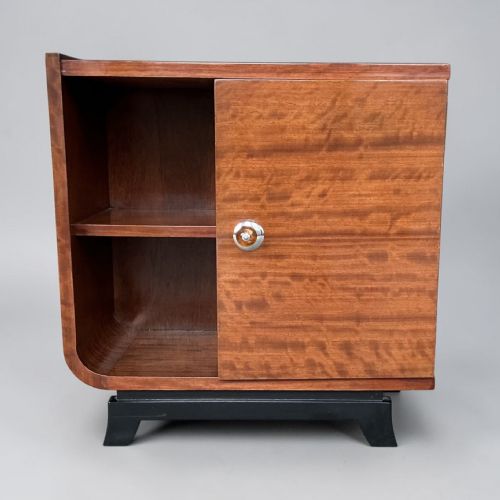
Art Deco walnut cupboard cabinets date from around the 1930s and display streamlined geometric silhouettes, curved waterfall edges, and highly figured veneers without traditional carving. Designers favored clean, symmetrical lines that emphasised the natural grain of the wood.
These pieces contrast sharply with the heavier, carved ornamentation found on Victorian furniture.
Are marble tops original?
Marble tops frequently appear on nineteenth-century French and Victorian bedside cabinets and washstands to provide a water-resistant surface. These slabs were integrated into the design during manufacture rather than added later.
They sit unattached or bedded into the wooden frame, secured by the weight of the stone and surrounding gallery rails.
How should I clean burr walnut?
Burr walnut surfaces require dusting with a soft, dry cloth to prevent micro-scratching on the delicate veneer finish. Avoid modern silicone polishes that build up residue and dull the natural lustre of the timber over time.
Occasional application of high-grade beeswax feeds the wood and maintains the protective barrier across the grain.