

Walnut Credenza Mirror
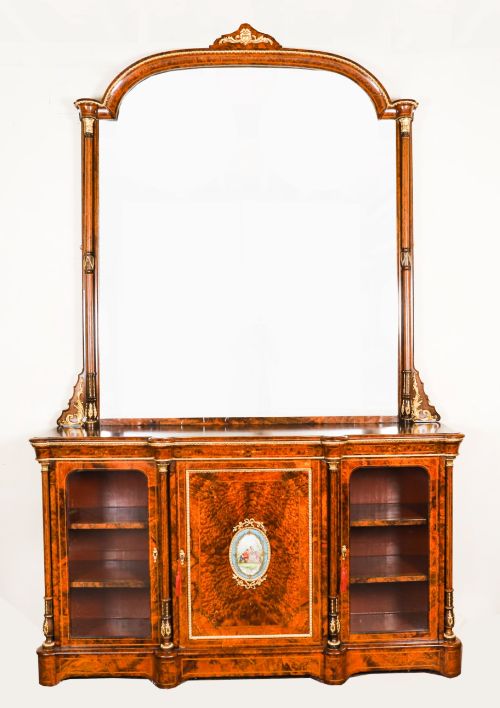
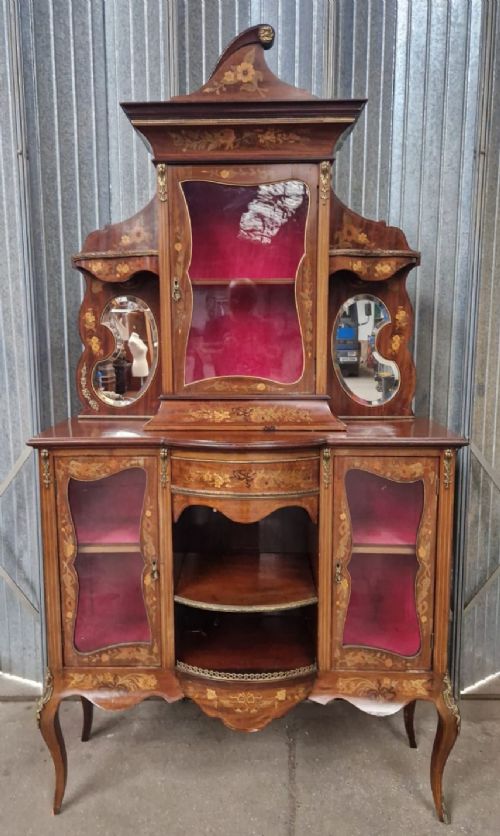
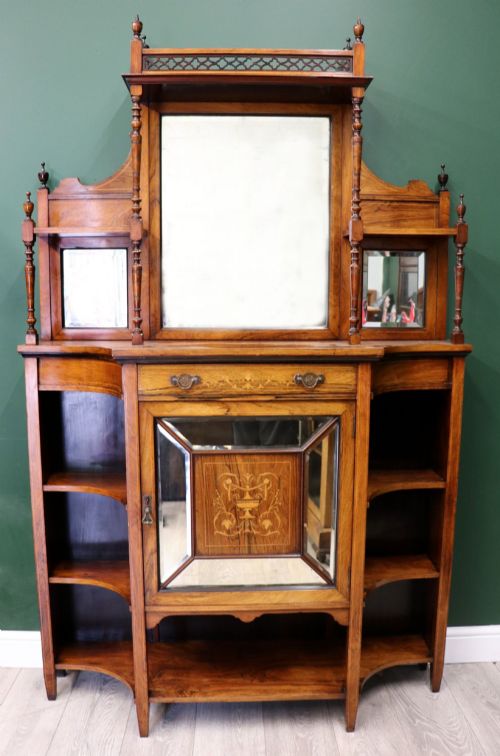
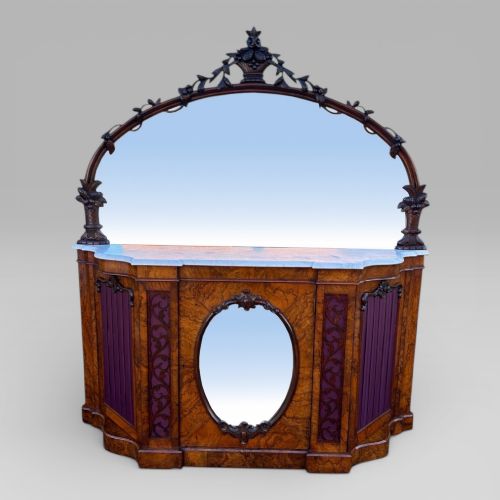
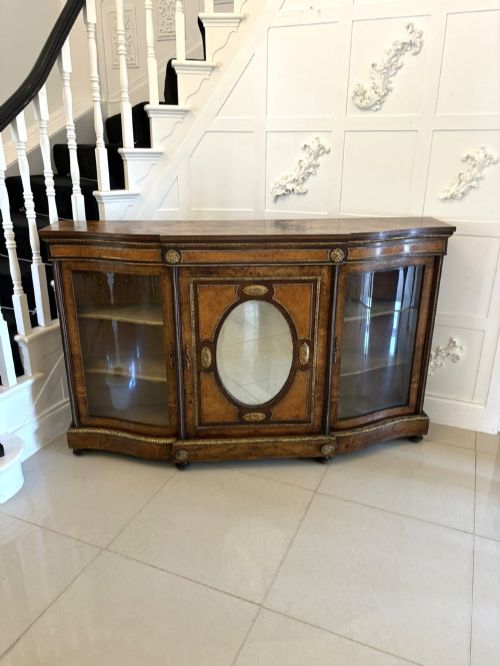
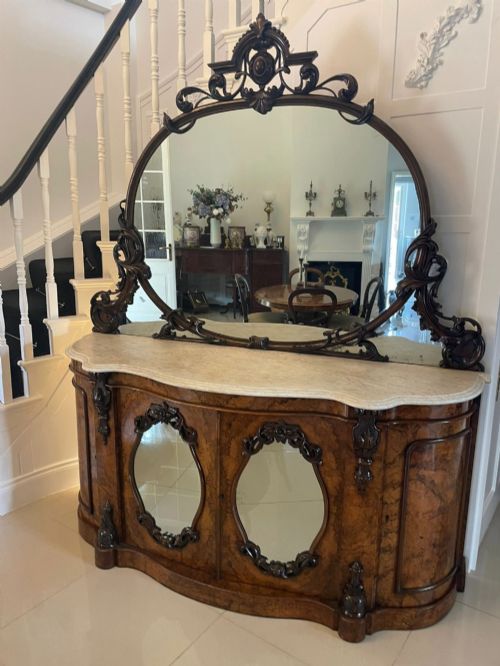
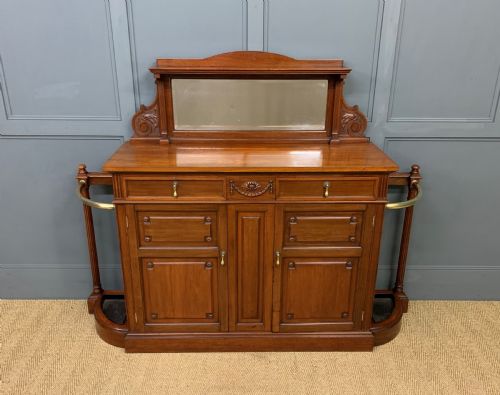
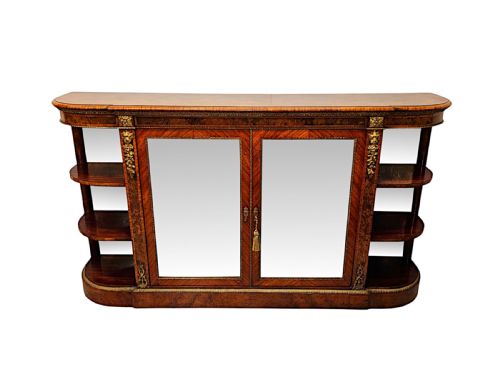
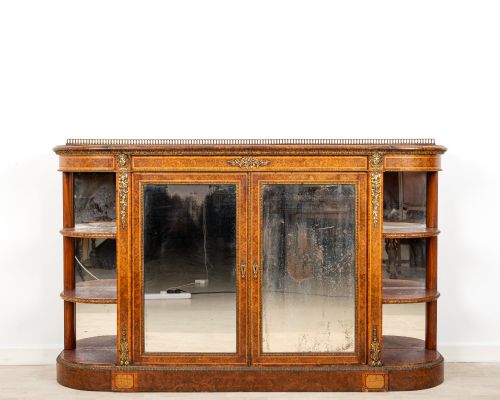
When you search for a walnut credenza mirror, you are looking at substantial Victorian pieces that combine display cabinets with architectural glass backing.
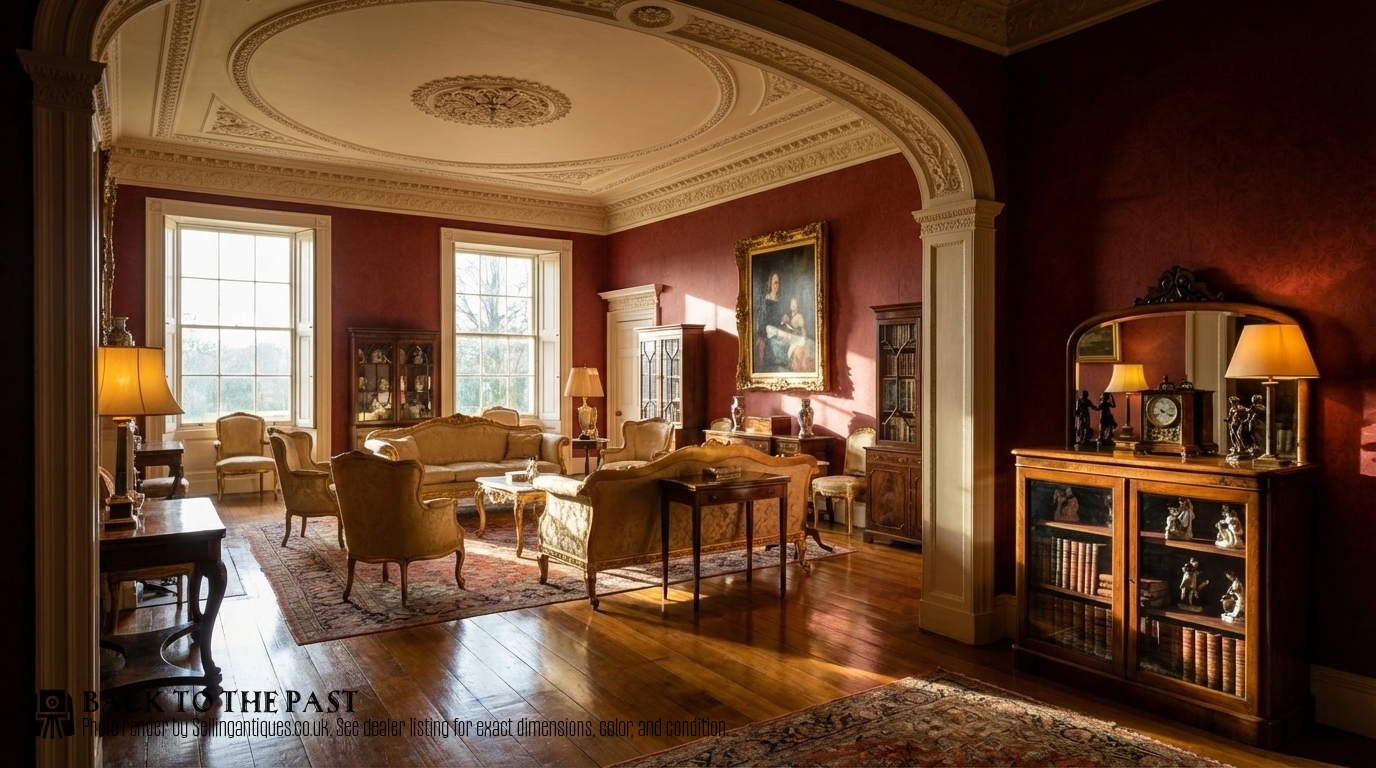
Walnut Credenza Mirror
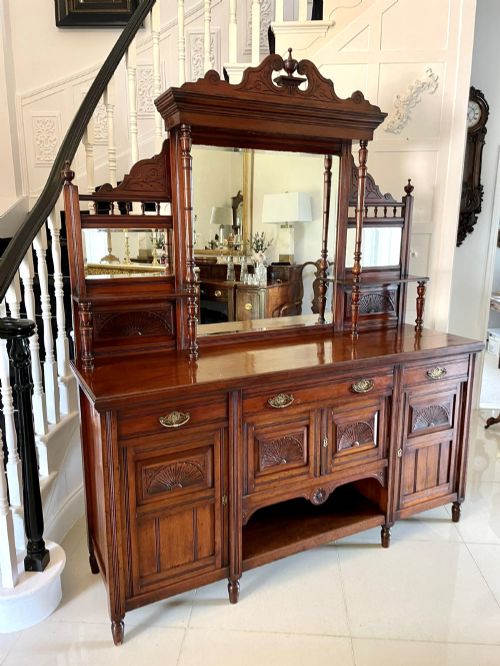
These pieces are principally Victorian low cabinets, sideboards, and chiffoniers that incorporate integrated mirror glass panels into their upper superstructures. You will most frequently meet nineteenth-century examples dating from the eighteen-fifties onwards, often sharing traits with sideboards and display cabinets.
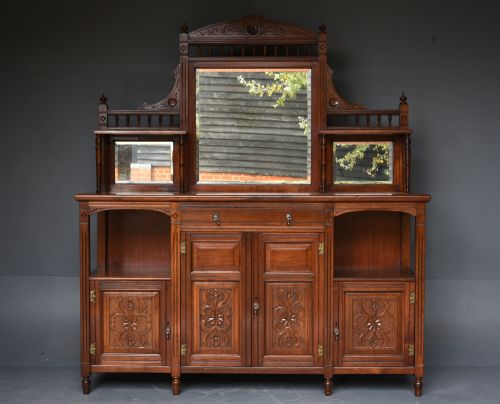
The form developed to serve dining rooms and formal reception rooms, combining enclosed storage behind timber doors with mirrored backings designed to reflect light and decorative objects. While some search this phrase for specific mirror-backed credenzas, the listings also encompass related sideboards, chiffoniers, and display cabinets featuring matching reflective elements.
Makers ranged from notable cabinet-makers producing exhibition-quality items down to regional workshops, utilising rich timber veneers to create impressive focal points for period interiors. The convergence of glass, timber, and brass mounts defines this category, marking them out from standard bookcases or plain sideboards.
Materials and construction methods
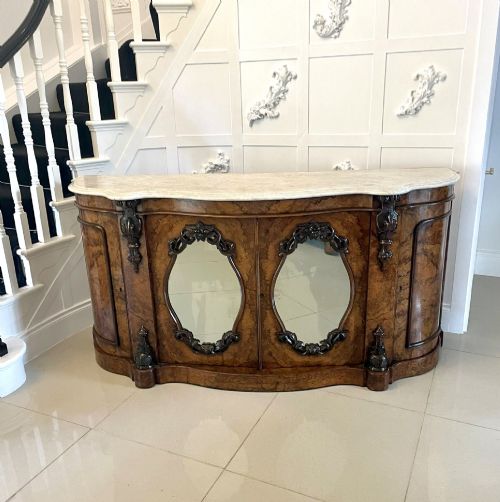
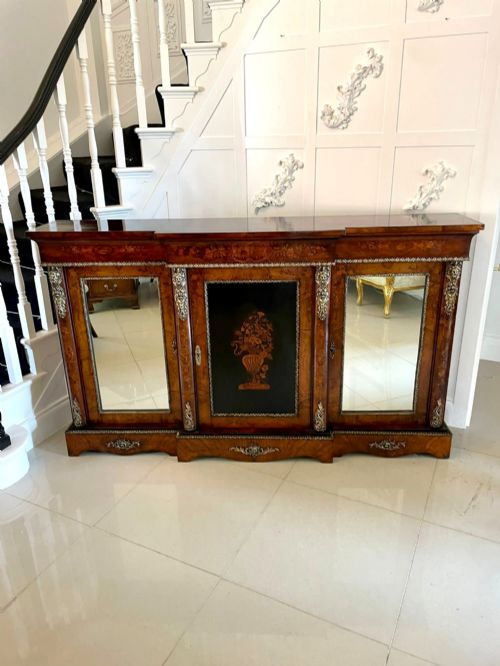
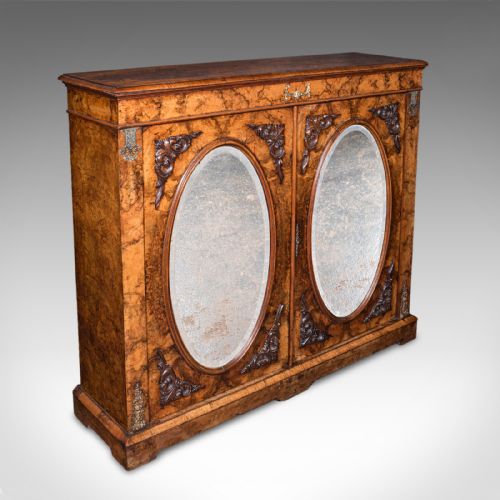
Cabinet-makers relied heavily on burr walnut and figured walnut veneers applied over solid carcass timbers to achieve striking, patterned grain effects across the doors and panels. This technique required considerable skill to match the swirling timber figures symmetrically across wide cabinet fronts.
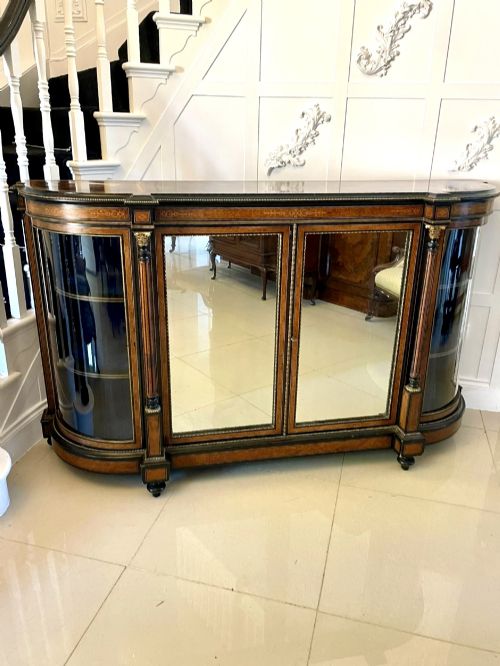
Ormolu mounts, brass details, and marble tops frequently complete the construction, particularly on mid-Victorian examples intended for formal settings. The glass components include both flat mirror plates set into carved wooden backframes and curved glass panels enclosing display sections.
Walnut Credenza Mirror Retail Price Guide 2026
Typical asking prices for walnut credenza mirror among the pieces listed under this phrase on Sellingantiques today, from the lower quarter to the upper quarter. They describe what is for sale here now, not the wider market.
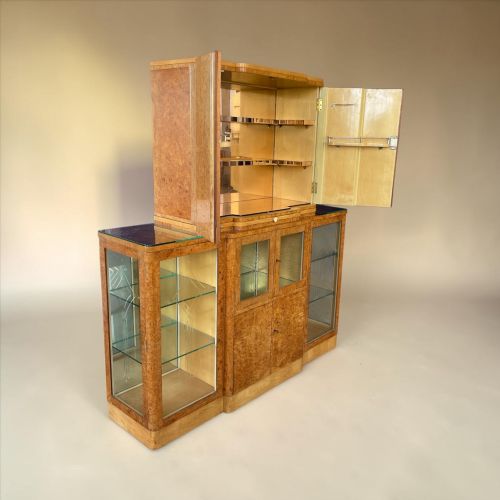
The listings show pieces spanning from the Regency era through the Victorian period up to nineteen-thirty Art Deco designs.
Indicators of superior execution
Quality reveals itself in the complexity of the marquetry inlay, the depth of the hand-carved wooden details, and the crispness of the cast ormolu mounts. Finer pieces demonstrate meticulous timber selection where the burr walnut grain flows uninterrupted across structural joins and drawer fronts.
The integration of the mirror back separates standard utility items from exhibition-quality pieces, with superior examples featuring heavy bevelled glass plates set within elaborate carved frames. Heavier marble tops and more complex serpentine shaping further distinguish the upper tier of these cabinets.
Shoolbred & Co.·Gillows·Harry and Lou Epstein·H. Ogden Manchester
The Walnut Credenza Mirror Glossary
- Burr Walnut
- A figured wood veneer harvested from walnut tree growths, prized for its swirling, highly decorative grain patterns. It forms the primary visual surface on most high-status Victorian credenzas.
- Ormolu
- Gilt bronze or brass mounts applied as decorative highlights around panels, feet, and cornices. These gilded accents bring a bright contrast to the dark, warm tones of the walnut timber.
- Marquetry
- The art of applying small pieces of varied veneers to form geometric or floral pictures. It frequently decorates the friezes and door panels of mid-nineteenth-century cabinets.
- Chiffonier
- A low sideboard or cabinet featuring a small enclosed cupboard beneath a raised shelf or mirror back. This form overlaps closely with the credenza category in Victorian furniture.
- Serpentine Front
- A cabinet front featuring a gentle curving line that bows outward in the centre and curves inward at the sides. This shape demands advanced carpentry techniques compared to flat-fronted alternatives.
Walnut Credenza Mirror: Frequently Asked Questions
What rooms suit a walnut credenza mirror?
These large cabinets suit dining rooms, grand hallways, and spacious living areas where their reflective glass backs can amplify natural light.
Their substantial proportions require adequate wall space, allowing them to function as primary focal points in period or eclectic interiors.
How do I care for antique walnut timber?
Maintain the finish by keeping the cabinet away from direct sunlight and sudden temperature shifts that can dry out the historic veneers.
Apply a traditional wax polish sparingly to nourish the timber surface without building up excessive residue on the carved details.
How can I tell the period of a credenza?
Mid-nineteenth-century examples often feature elaborate ormolu mounts, serpentine fronts, and extensive burr walnut veneers characteristic of high Victorian design.
Later Victorian pieces tend toward simpler lines, while twentieth-century examples shift into distinct Art Deco forms.
Were mirrors original to these sideboards?
Many nineteenth-century credenzas and chiffoniers were specifically constructed with integrated architectural mirror backs designed to reflect interior lighting.
Checking the rebate construction and the ageing of the glass plate helps confirm whether the mirror element remains original to the carcass.