
Walnut Credenza Bookcase
A walnut credenza bookcase brings rich timber and generous display space into a room, joining two distinct storage forms into one useful piece.
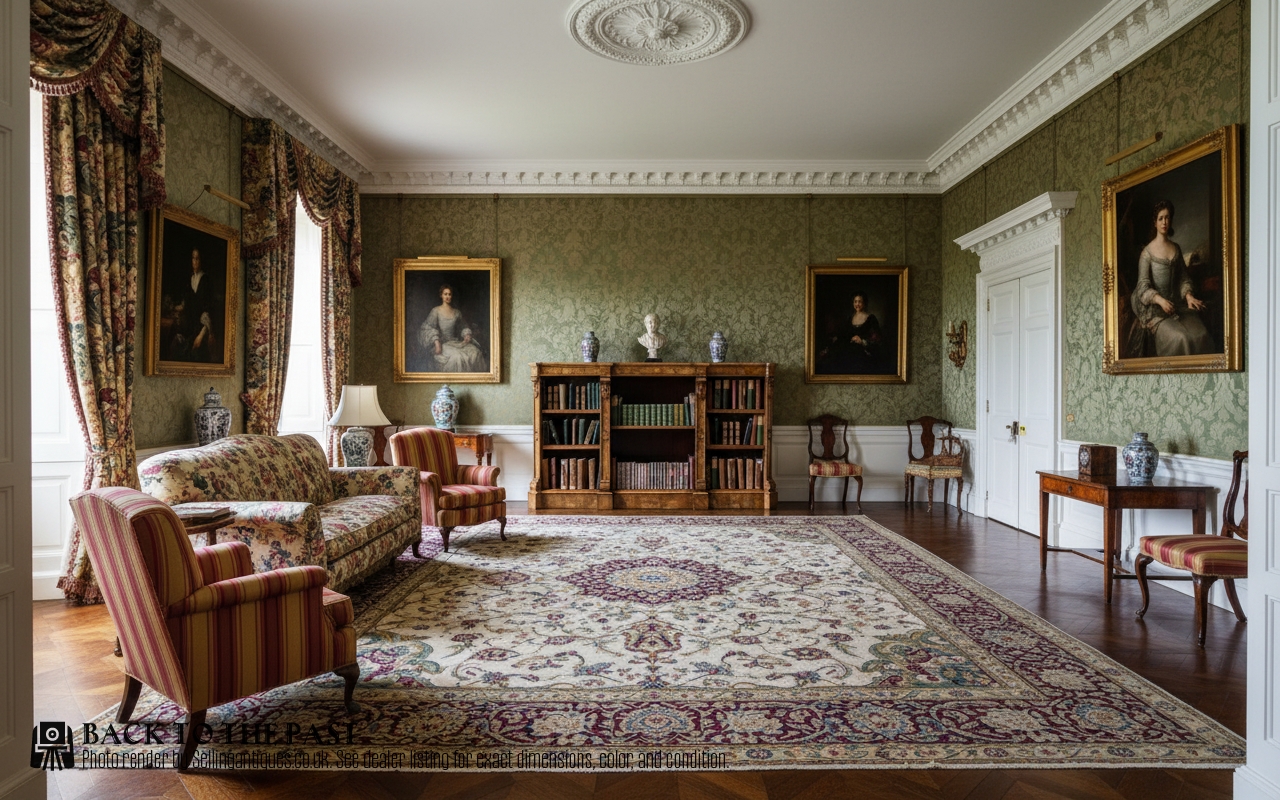
Walnut Credenza Bookcase
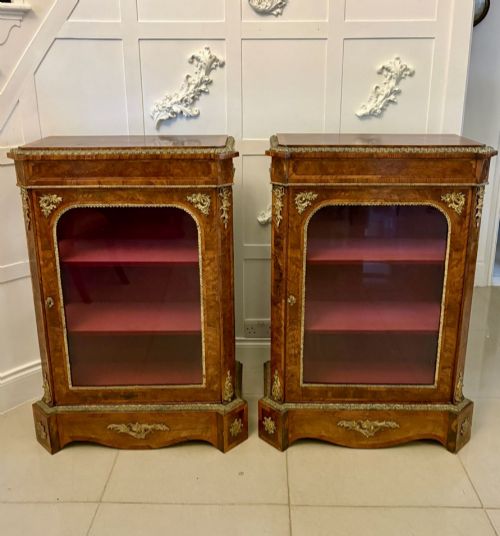
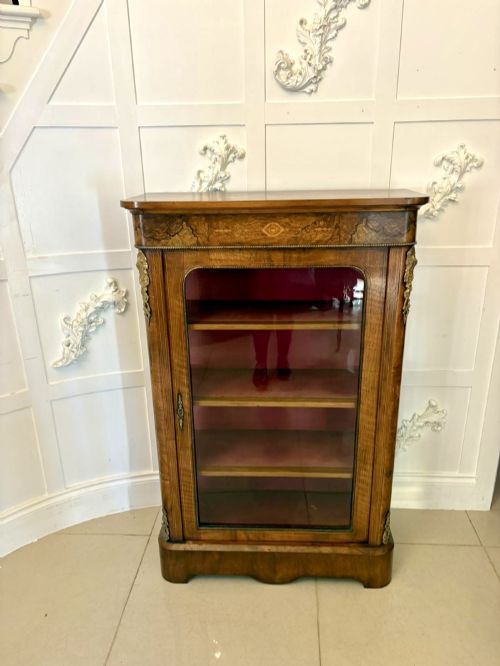
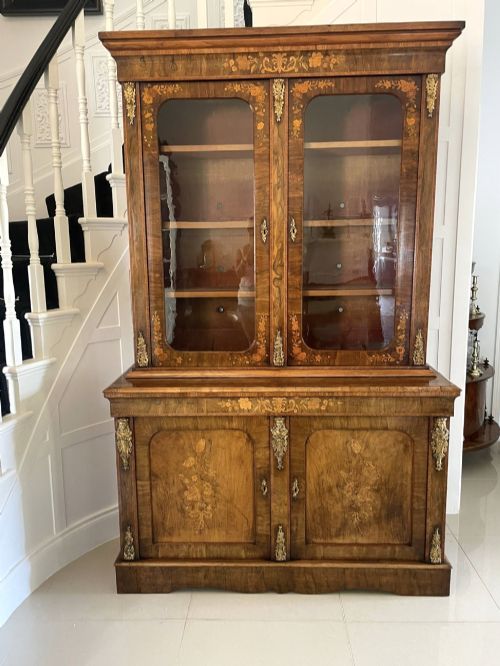
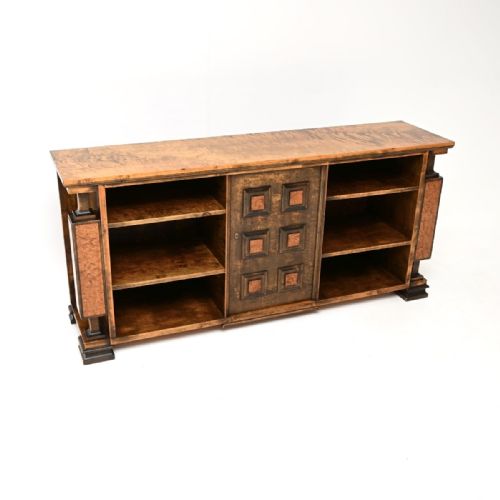
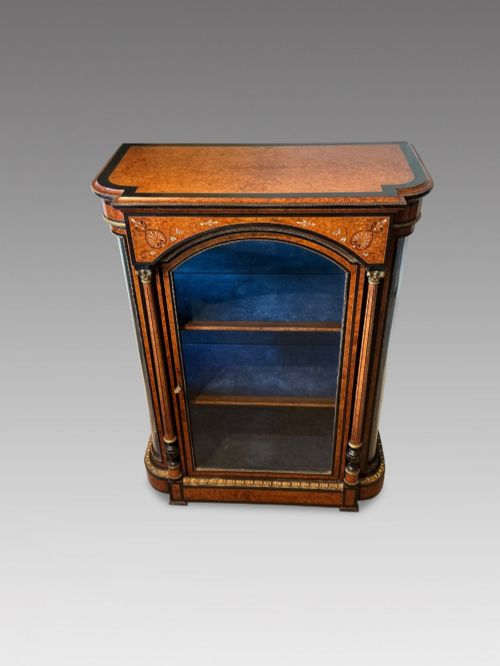
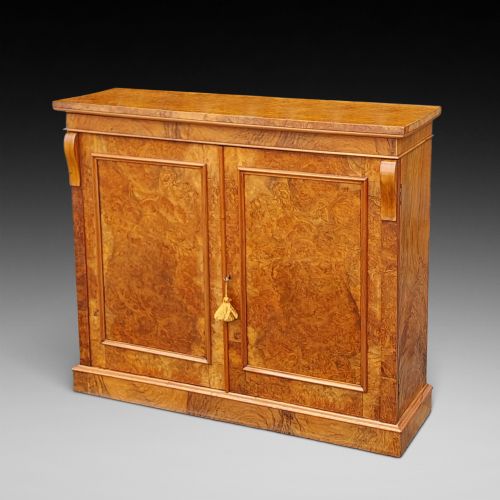
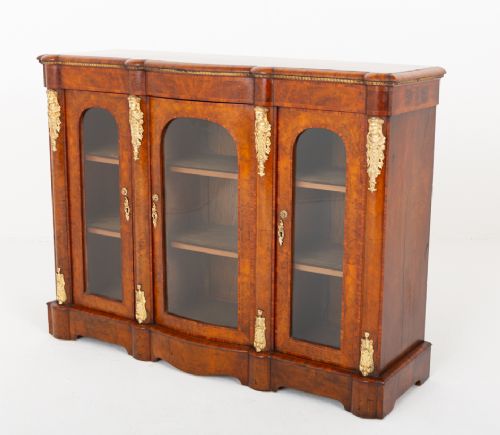
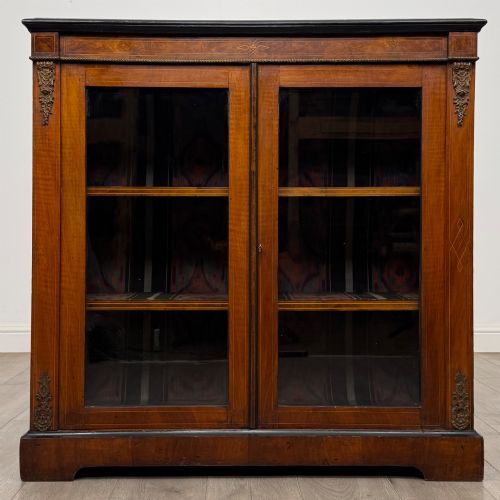
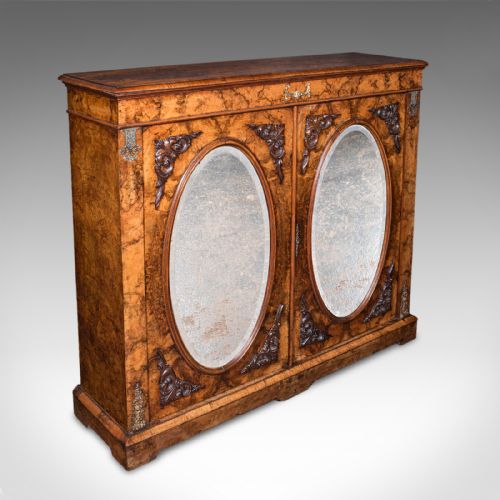
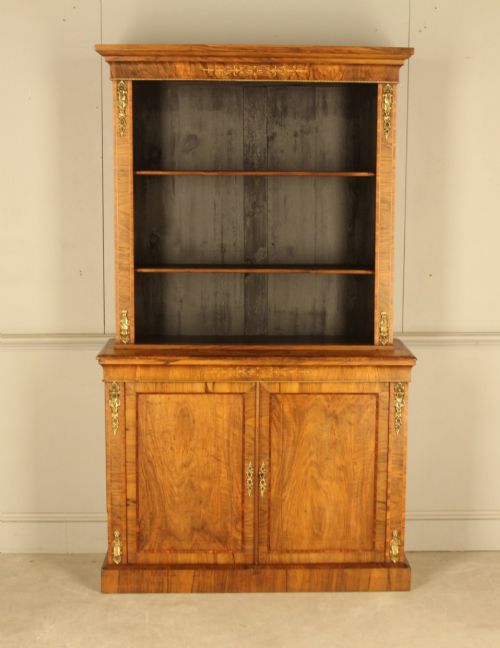
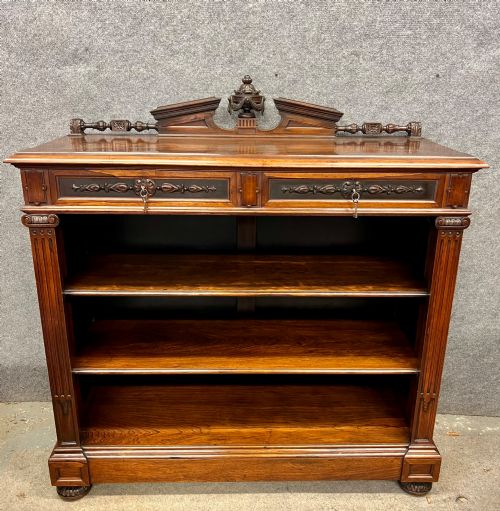
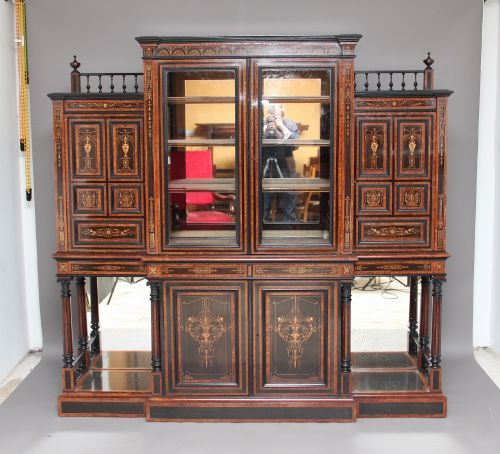
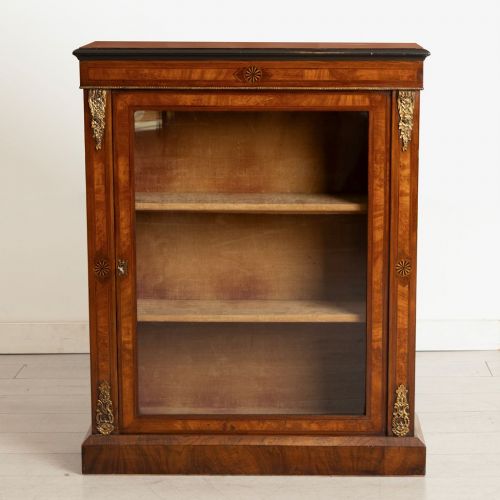
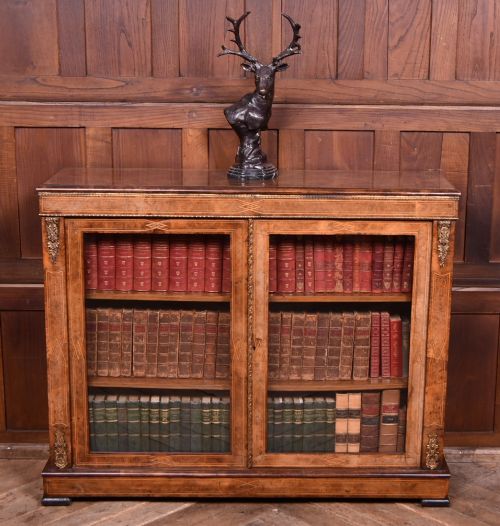
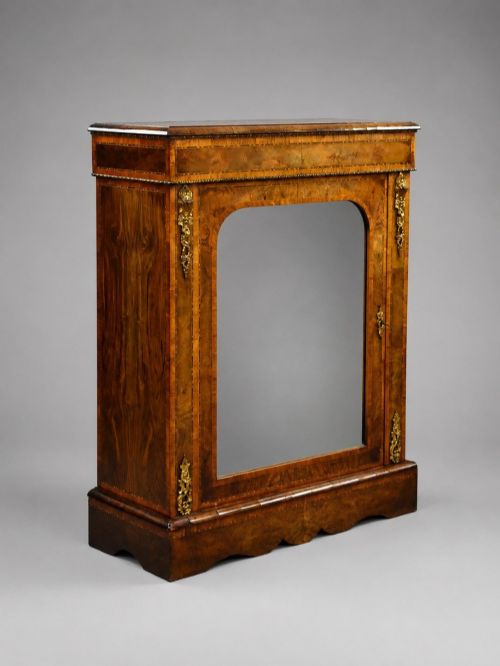
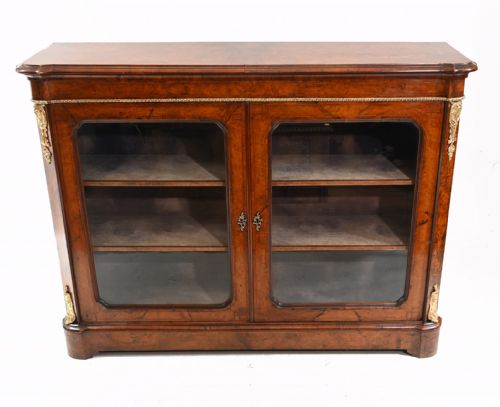
When searching for a walnut credenza bookcase, you encounter pieces that merge the enclosed lower storage of a credenza or cabinet with upper shelving for books and display. The examples on this page span several decades, with Victorian pier cabinets, breakfront bookcases, and credenzas forming the majority of the selection.
The objects originate from periods such as the nineteenth century, Victorian era, Regency, and Art Deco, reflecting shifting tastes in domestic furniture. Forms vary from compact single-door pier cabinets to large breakfront bookcases and side cabinets.
Makers and workshops of different scales produced these items, utilising figured timbers to create decorative surfaces for principal rooms. The designs serve both as practical libraries and as architectural focal points within an interior.
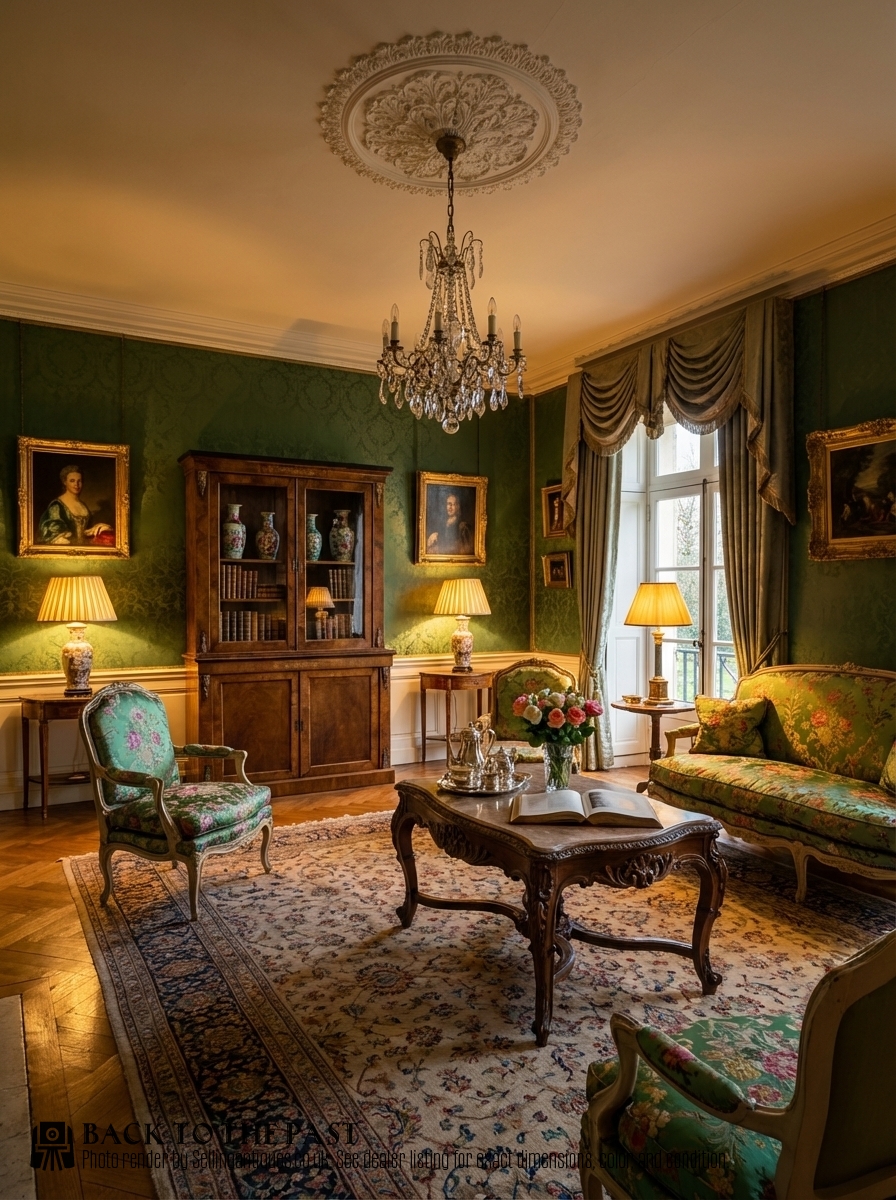
Materials and construction methods
Makers relied heavily on walnut, burr walnut, and figured walnut veneers laid over secondary timbers to achieve striking grain patterns on flat and curved surfaces. Ormolu mounts, brass details, and marquetry inlay provide decorative contrast against the dark timber.
Glazed doors protect the interior shelving, while ebonised wood, rosewood, and ebony add linear definition to the framing. Certain pieces incorporate velvet or fabric linings behind glass panels to soften the interior display space.
Walnut Credenza Bookcase Retail Price Guide 2026
Typical asking prices for walnut credenza bookcase among the pieces listed under this phrase on Sellingantiques today, from the lower quarter to the upper quarter. They describe what is for sale here now, not the wider market.
Listings feature walnut, burr walnut, ebonised wood, and satin birch across Victorian, Regency, and Art Deco periods.
Assessing craftsmanship and finish
The quality of a walnut credenza bookcase rests on the selection of the veneer and the precision of the marquetry inlay. Finely figured burr walnut displays natural movement and depth that plain timber lacks.
The integration of cast ormolu mounts and the crispness of brass detailing separate standard utility furniture from more ambitious cabinet work. Joinery integrity across large breakfront bodies and glazed doors dictates the long-term stability of the piece.
Lamb of Manchester·Maple & Co.
The Walnut Credenza Bookcase Glossary
- Burr walnut
- Timber taken from a growth or burl on the walnut tree, prized for its swirling, highly figured grain pattern. It appears frequently on Victorian and nineteenth-century cabinet doors.
- Credenza
- A low cabinet or sideboard, sometimes incorporating display space or shelving. In this category, it often overlaps in form with large bookcases and side cabinets.
- Ormolu
- Gilded bronze mounts applied to furniture for decorative effect. These metallic accents highlight corners, friezes, and framing elements.
- Marquetry
- The art of applying pieces of veneer to a structure to form decorative patterns and pictures. Floral and geometric motifs are common in nineteenth-century examples.
- Pier cabinet
- A narrow cabinet designed to stand against the wall space between windows. They frequently feature glass doors and internal shelving for display.
Walnut Credenza Bookcase: Frequently Asked Questions
What is a walnut credenza bookcase?
A walnut credenza bookcase combines the low, cabinet-style storage of a credenza with upright shelving or display compartments for books and ornaments. These pieces merge several historic furniture forms into a single item.
Most examples in this category date from the Victorian period onward, utilising figured walnut veneers and decorative glass doors to display collections while concealing lower storage.
How were these cabinets used historically?
Historically, these items served in principal rooms such as morning rooms, salons, and libraries to house cherished volumes and decorative objects. The lower cupboards stored household papers or dining accessories.
Their dual function as display cases and bookcases made them central pieces of furniture for displaying refinement and entertaining guests in nineteenth-century homes.
How do I distinguish Victorian from Art Deco pieces?
Victorian examples generally feature rich burr walnut veneers, elaborate marquetry inlay, and cast ormolu mounts. The decorative language leans toward revival styles and classical ornamentation.
Art Deco pieces, originating around the early twentieth century, favor cleaner geometric lines, satin birch combinations, and simplified forms without heavy historicist ornament.
How do I care for walnut furniture?
Walnut benefits from stable room temperatures and protection from direct sunlight to prevent the timber and veneers from drying out or fading. Regular dusting with a soft, dry cloth maintains the surface finish.
Avoid placing these items near direct heat sources or damp environments, as fluctuations in humidity can affect the stability of the wood and veneer work.