



Walnut Collector Drawers
These walnut collector drawers span centuries of bespoke storage, offering compact multi-drawer utility designed for specimens, small treasures and meticulous personal organisation.
Walnut Collector Drawers
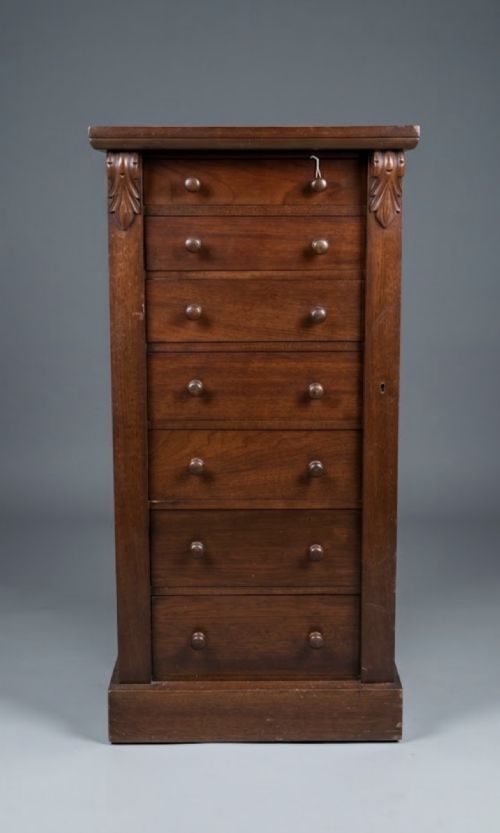
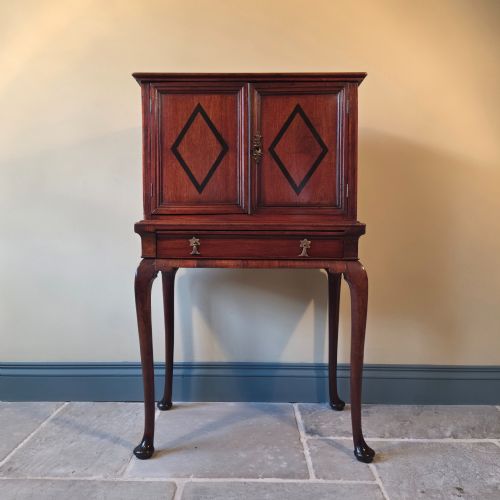
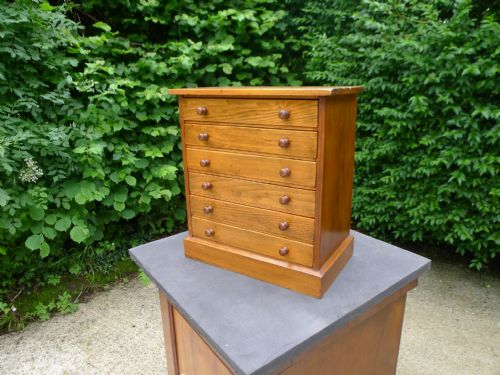
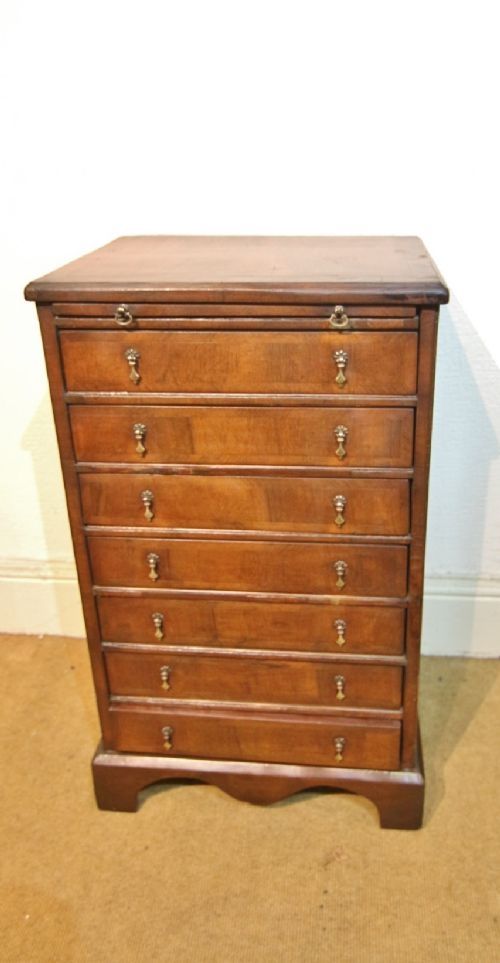
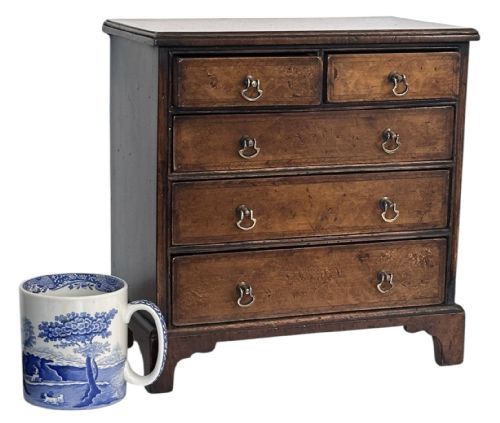
Walnut collector drawers encompass a diverse array of compact storage forms, most frequently appearing as Victorian Wellington chests, table cabinets and miniature chests of drawers. These pieces date across multiple periods, with nineteenth-century examples and Victorian variations dominating the selection alongside occasional seventeenth and eighteenth-century specimens on stands.
The assortment includes specialised functional forms such as dentist cabinets, microscope slide cabinets, bank chests and apothecary or engineer filing drawers. Buyers encounter everything from narrow tall locking chests to low desktop cabinets designed to hold small scientific, natural history or personal items.
Originating from British workshops and continental makers alike, these cabinets utilise traditional proportions to maximise storage within a diminutive footprint. The grouping reflects both domestic household use and professional specimen collection.
Materials and Construction
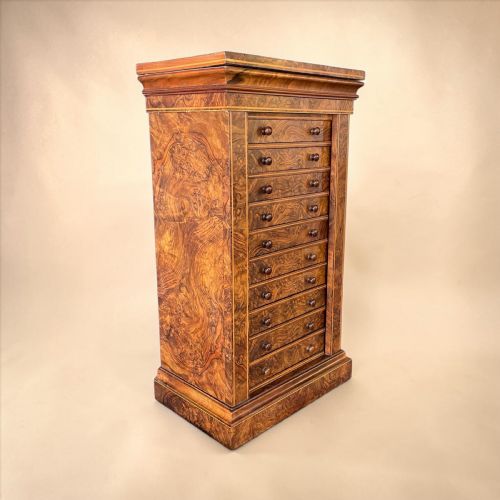
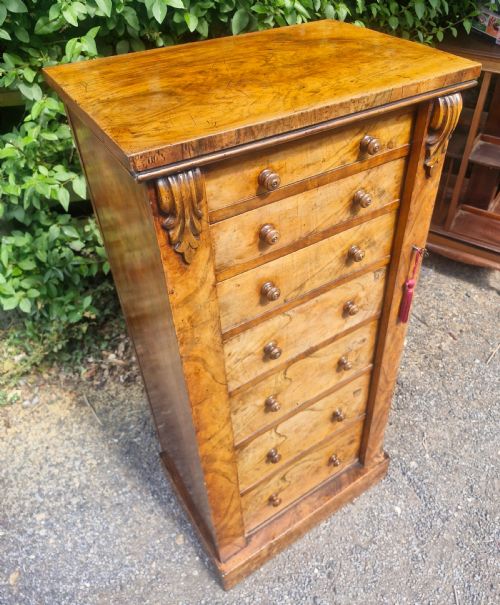
The construction relies heavily on solid walnut and highly figured burr walnut veneers applied to secondary woods such as oak and fruitwood, often accented with ebony, brass hardware and iron fittings. Cabinets frequently employ clever locking mechanisms, such as the characteristic hinged locking stile found on Wellington chests.
Internal drawer construction ranges from cedar-lined compartments to satin birch interiors, designed to protect delicate contents. Surface finishes are typically polished to accentuate the natural grain patterns and rich dark tones inherent to walnut.
Listings feature walnut collector drawers spanning the seventeenth century through to the Edwardian period, utilising oak, fruitwood and ebony alongside brass hardware.
Quality and Distinction
Quality rests upon the selection and matching of the walnut veneers, particularly the use of highly figured burr walnut across the drawer fronts and top surfaces. Superior examples demonstrate exceptional cabinet-making skill in tight joint construction, smooth drawer operation and well-integrated locking systems.
The presence of maker attribution, specialised internal configurations like microscope slide trays or customized dentist fittings, and undisturbed original hardware elevate a piece significantly. Lesser examples display simpler timber selection, plainer finishes or altered internal layouts.
S. Mordan & Co·Watkins & Doncaster·Gillows of Lancaster
The Walnut Collector Drawers Glossary
- Wellington chest
- A tall, narrow chest of drawers secured by a hinged locking stile on one side that fastens with a key. This mechanism prevents the drawers from opening when the locking bar is engaged.
- Burr walnut
- A veneer derived from the knotted growth of a walnut tree, prized for its swirling, highly decorative grain pattern. It is typically reserved for the primary display surfaces of finer cabinets.
- Specimen cabinet
- A piece of furniture fitted with numerous shallow drawers specifically designed for storing natural history items such as butterflies, fossils, or coins. The interiors often feature glass tops or specialised linings.
- Table cabinet
- A smaller cabinet proportioned to sit on top of a desk, table or chest rather than standing directly on the floor. These often incorporate multiple small drawers or doors concealing inner compartments.
- Stile
- A vertical framing member of a cabinet or door structure. In collector chests, it frequently forms the locking member that secures the bank of drawers.
Walnut Collector Drawers: Frequently Asked Questions
What were walnut collector drawers originally used for?
These cabinets served professionals and enthusiasts for organising small, delicate items including geological samples, insect specimens, coins and medical tools. Domestic owners also utilised them for jewellery, writing accessories and small personal valuables.
Their secure locking mechanisms and multi-drawer layouts kept sensitive or prized collections safe from dust, light and unauthorized handling.
How do I distinguish a Wellington chest from a standard chest of drawers?
A Wellington chest is instantly recognizable by its tall, narrow proportions and a vertical locking flap on one side that secures all the drawers at once. Standard chests have exposed drawer fronts on the front elevation without a side locking bar.
Most Wellington chests require you to unlock and swing open the right-hand stile before any individual drawer can be pulled out.
Where is the best place to position a table cabinet in a room?
Table cabinets and desktop collector chests sit well on sturdy sideboards, large desks or dedicated pier tables where their detailed woodwork can be appreciated at eye level. Avoid placing them in direct sunlight to protect the walnut veneer and polished surfaces from fading.
Ensure the supporting surface is level so the multiple small drawers continue to slide smoothly within their tracks.
How can I tell a Victorian walnut piece from an earlier 18th-century example?
Nineteenth-century pieces often feature machine-sawn internal elements, standardised drawer runners and rich burr walnut veneers associated with Victorian production methods. Earlier seventeenth and eighteenth-century examples typically display hand-cut dovetails, distinct timber patination, and construction formats like cabinets on separate stands.
Examining the secondary woods inside the drawers and the style of the brass hardware offers further clues to the period of manufacture.