

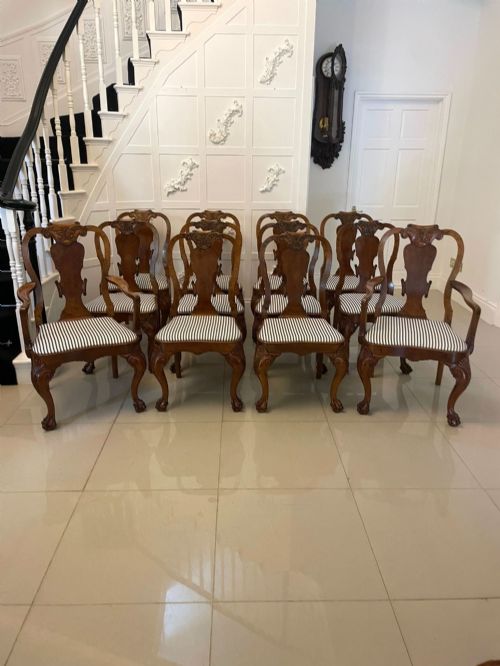
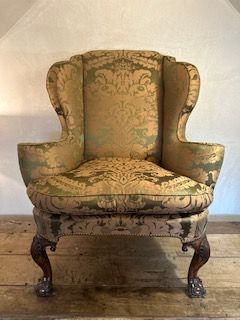
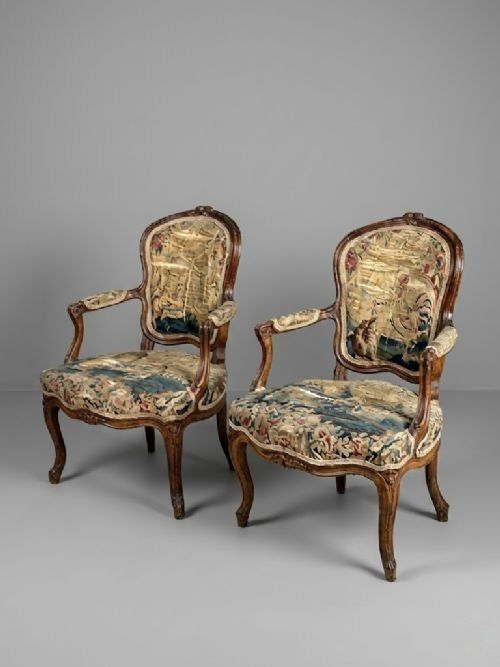
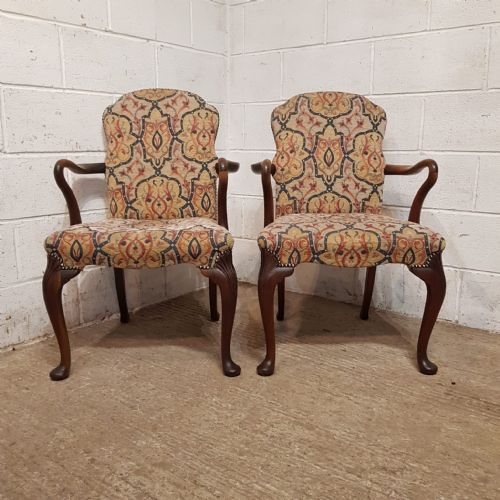
Walnut Cabriole Leg Armchair
A walnut cabriole leg armchair unites the curved grace of transitional seating with the rich, dark grain of timber.
Walnut Cabriole Leg Armchair
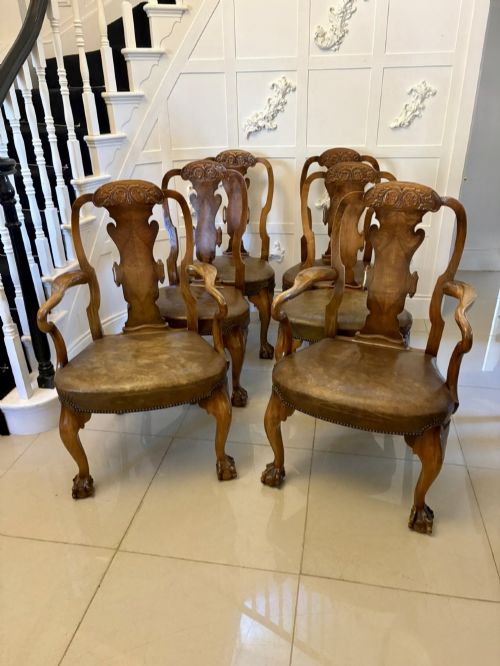
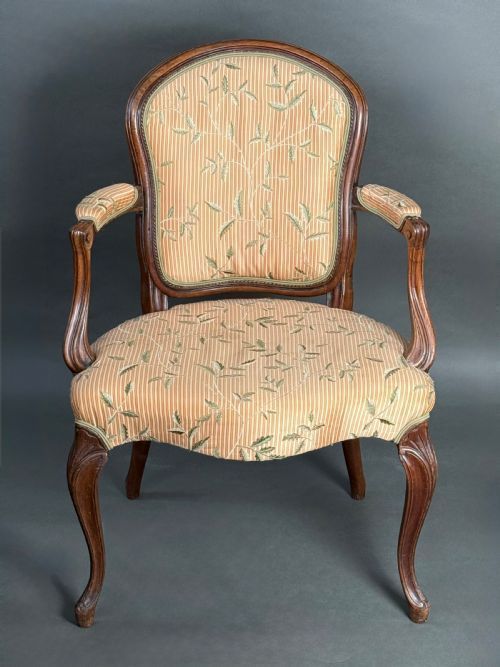
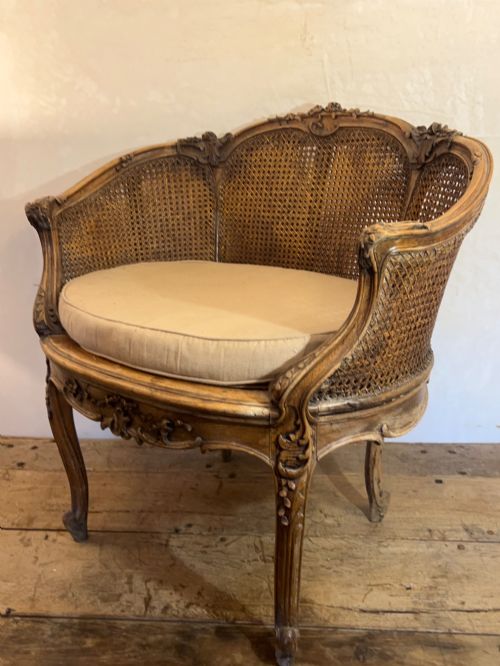
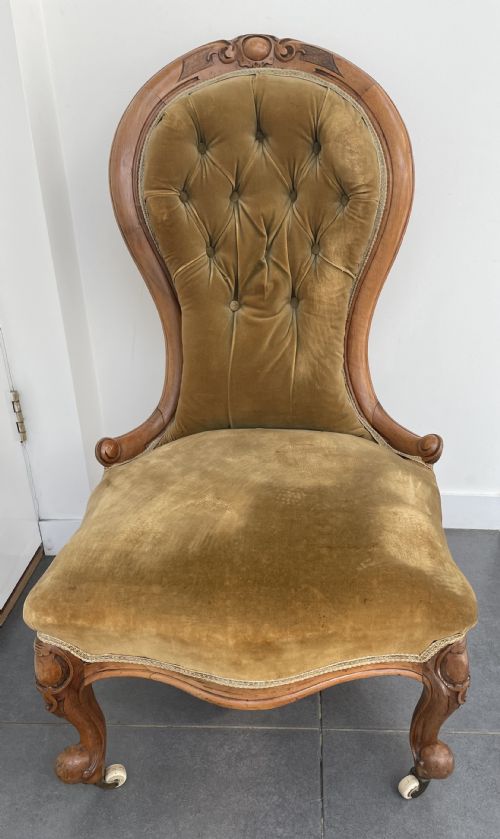
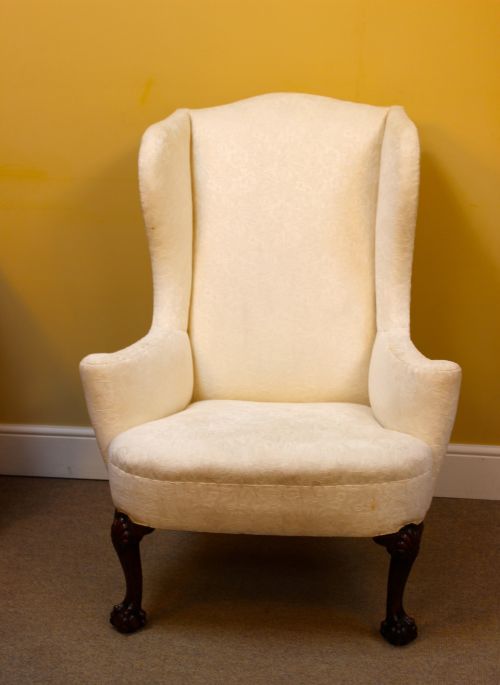
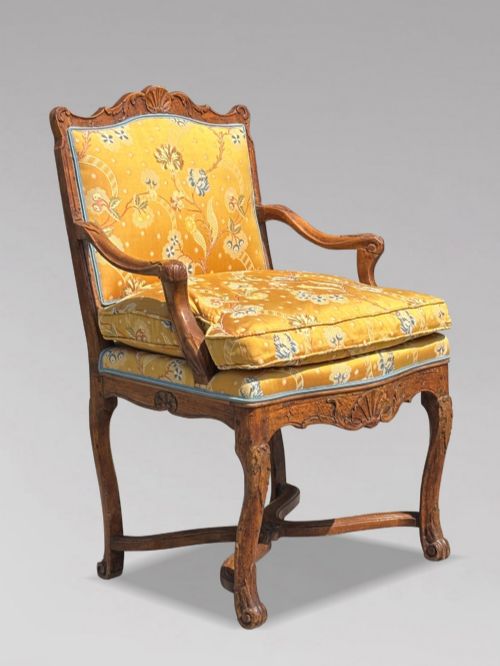
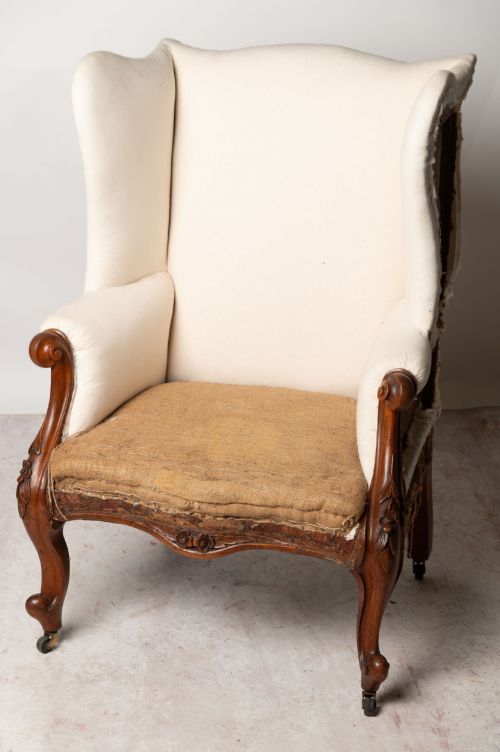
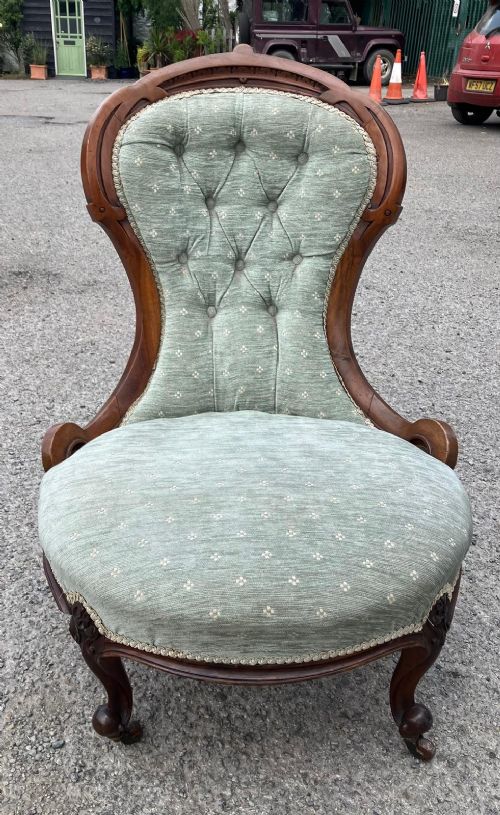
A walnut cabriole leg armchair combines structural timber framing with curved, sweeping supports that taper down to form distinct feet. These seats emerge in 18th-century forms as well as later revival periods spanning the Victorian era up to the 1920s.
Makers utilised classic silhouettes drawing on Queen Anne, Louis XV and Georgian styles. Such seating provides functional comfort while displaying the distinctive scrolled or pad feet characteristic of the cabriole form.
Materials and construction methods
Carpenters shaped the foundational frames from solid walnut, occasionally employing burr walnut veneers for decorative surfaces. Timber selection provided both the tensile strength required for weight-bearing legs and a rich surface grain.
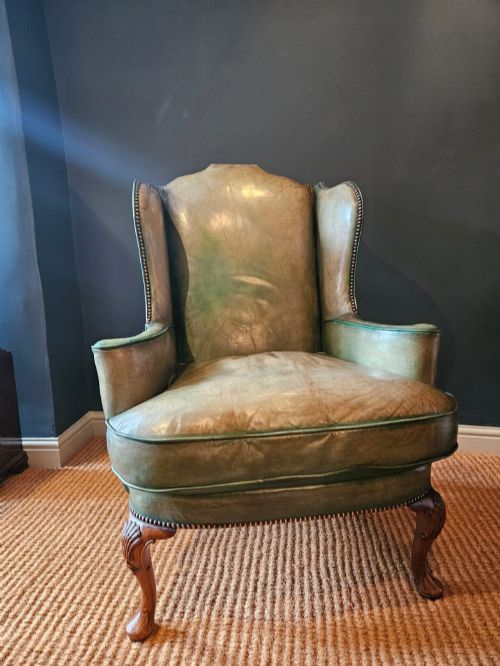
Upholstery techniques varied from traditional horsehair stuffing secured with webbing to sprung seats covered in silk, velvet, leather, or printed textile fabrics. Brass tacks frequently secured the textile edges along the show frames.
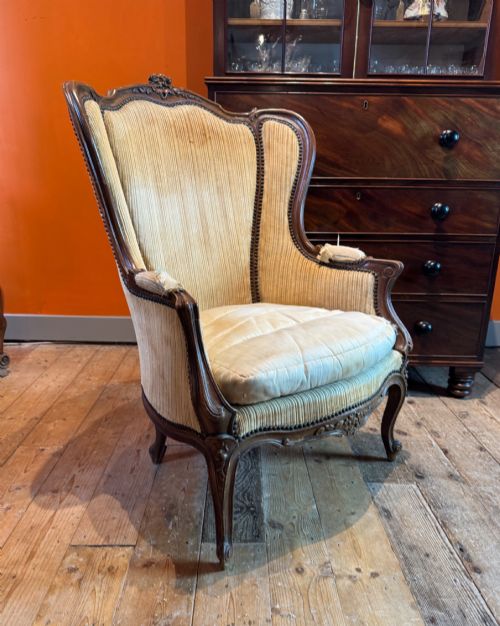
Some chairs retain historic textile repairs that hint at decades of fireside slumber.
Evaluating structural and aesthetic merit
The crispness of hand-carved details on the knees and shoulders of the cabriole legs distinguishes finer examples from simpler production pieces. Carving depth and symmetry reveal the skill of the original workshop.
The integrity of the walnut frame and the quality of the textile upholstery dictate overall desirability. Original timber patination combined with period-appropriate fabric adds significant character to the piece.
The Walnut Cabriole Leg Armchair Glossary
- Cabriole leg
- A furniture leg that bends outward at the knee and tapers inward toward the ankle, mimicking animal limbs. This design gained prominence during the early 18th century.
- Wing armchair
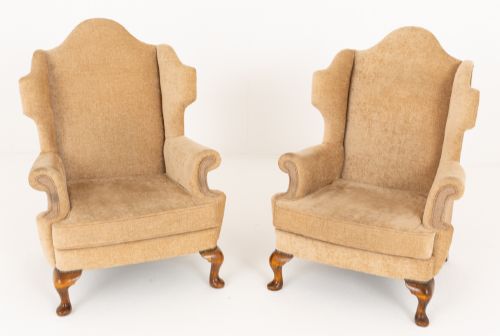
- A high-backed seat featuring upholstered flaps designed to shield the occupant from drafts. These chairs frequently stand on cabriole supports.
- Burr walnut
- A figured wood grain obtained from tree growths, utilised as a decorative veneer on prominent surfaces. It creates swirling patterns across the timber.
- Show frame
- A wooden structural framework left exposed around the upholstered elements of a chair. Victorian examples often highlight this polished timber border.
Walnut Cabriole Leg Armchair: Frequently Asked Questions
What periods do these armchairs span?
These chairs cover genuine 18th-century craftsmanship as well as later Victorian interpretations and 1920s revival pieces.
Craftsmen across these eras returned repeatedly to the classic cabriole form, adapting earlier stylistic influences for contemporary drawing rooms.
How do I identify a revival piece?
Revival items from the Victorian era or the 1920s often display machine-assisted turning alongside hand finishing. Examining the timber maturity and construction joints helps reveal the true age of the frame.
Earlier 18th-century examples show distinct tool marks and construction methods unique to manual workshops of that time.
Which upholstery fabrics are authentic?
Historical examples utilise silk, velvet, leather, and woven textile fabrics secured with brass decorative tacks. Many surviving chairs have undergone re-upholstery over the decades to maintain usability.
When selecting a piece, consider whether the current textile matches the intended period aesthetic of the wooden frame.
Where should I place an armchair?
These seats function effectively as fireside reading chairs, library seating, or statement pieces in a hallway. Their decorative carved legs allow them to sit openly within a room rather than strictly against a wall.
Ensure adequate clearance around the curved legs to protect the outward-bending knees from accidental foot traffic.