
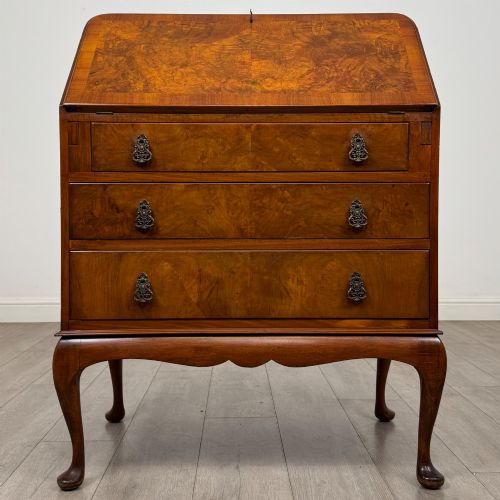
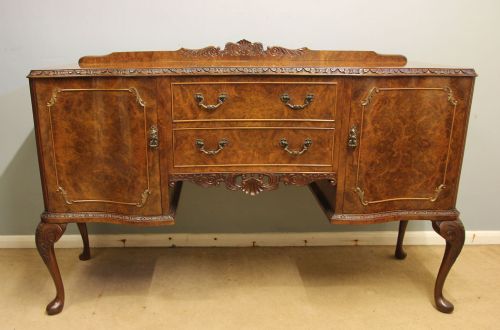
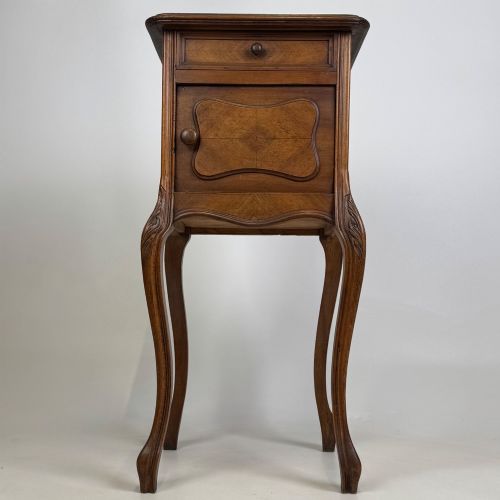
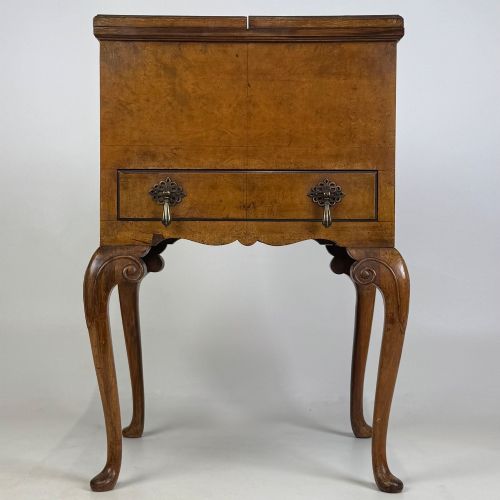
Walnut Cabinet on Legs
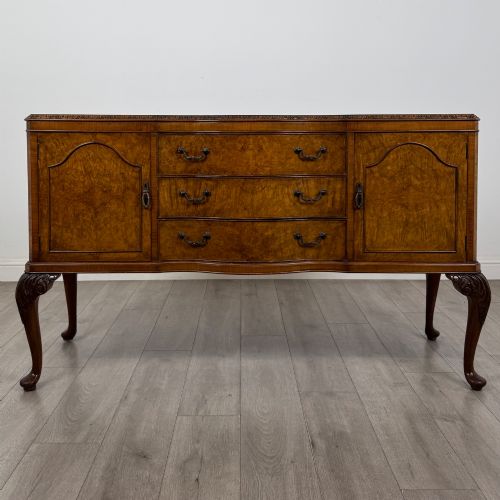
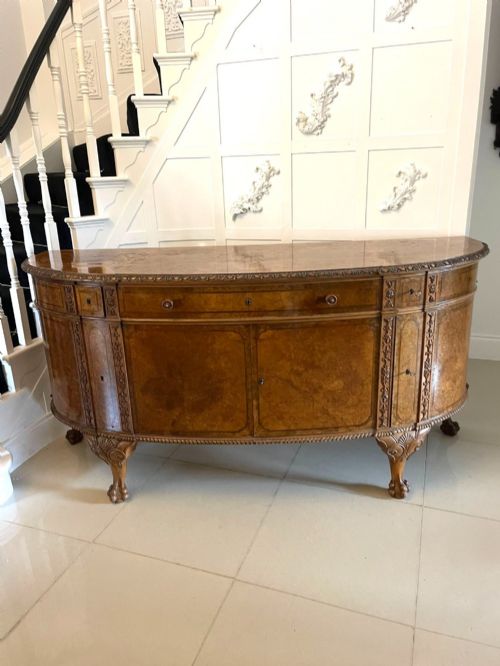
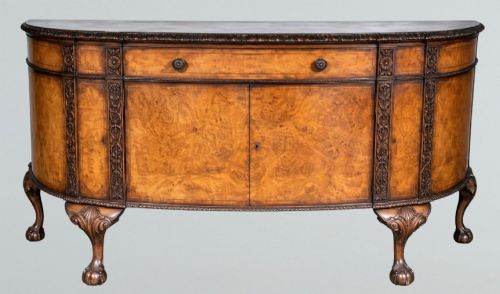
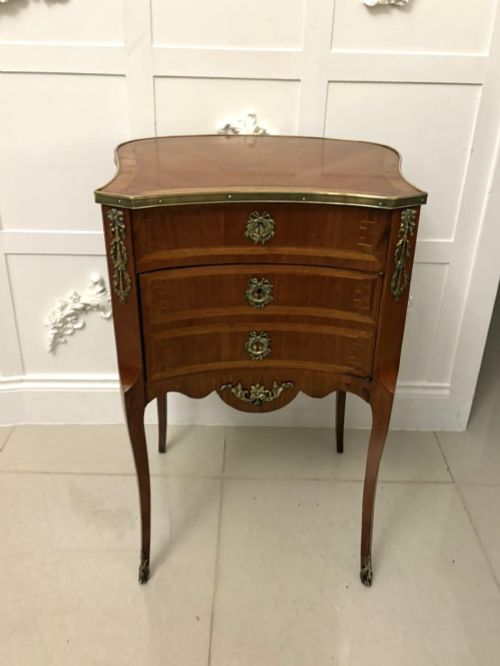
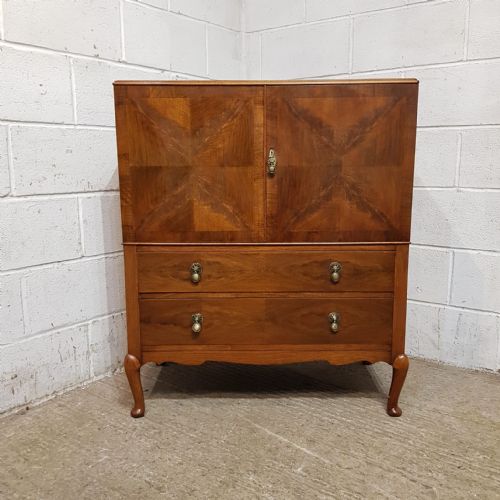
These walnut cabinet on legs selections combine rich timber figures with elevated stands for practical storage.
Walnut Cabinet on Legs
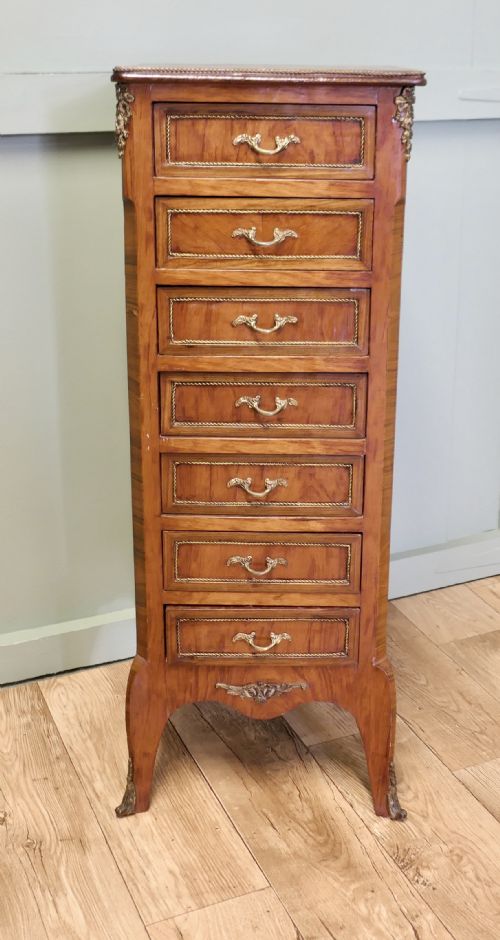
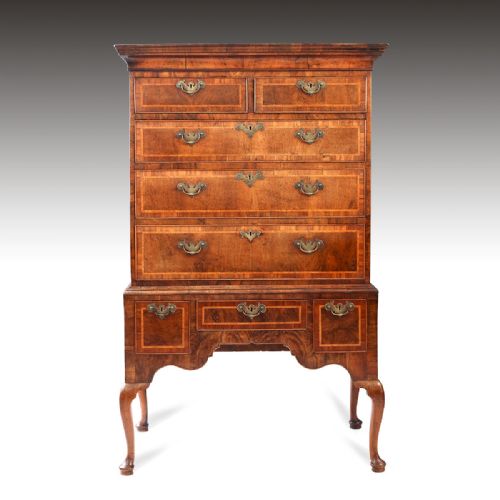
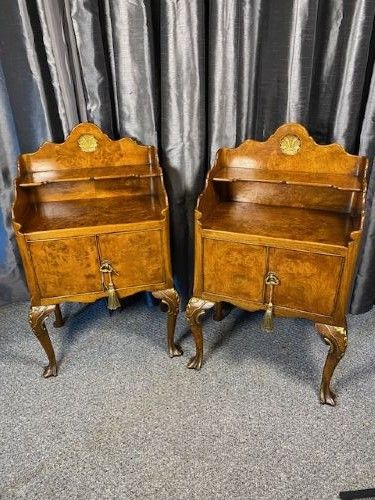
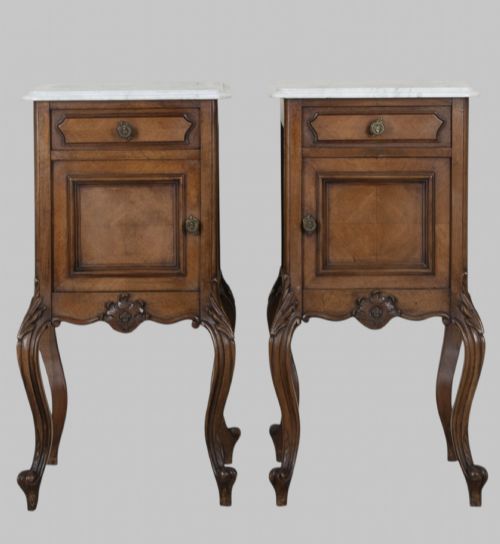
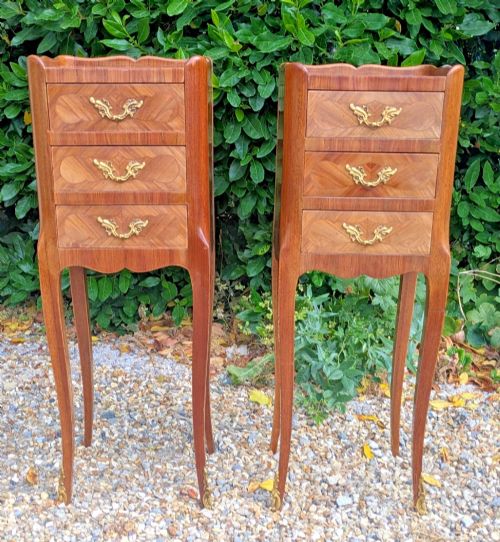
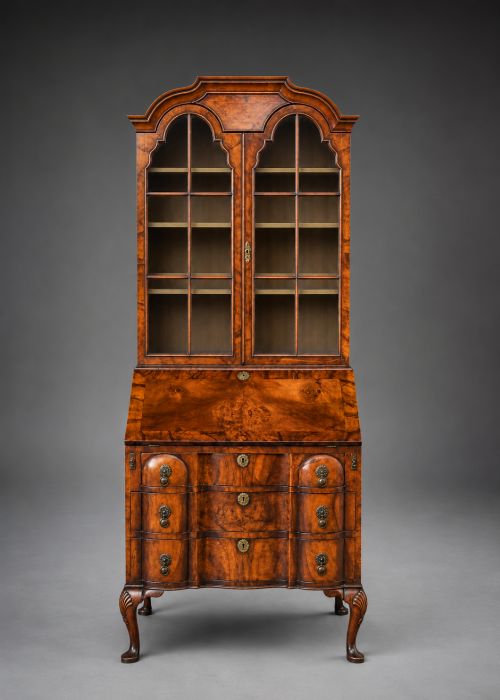
When looking for a walnut cabinet on legs, buyers encounter a diverse range of forms that span centuries of cabinet-making. Pieces include side cabinets, bedside tables, bureaux, and display cabinets that are raised upon stands, cabriole legs, or turned supports.
The selections on this page run from 18th-century period pieces down through Victorian, Edwardian, and 1920s revivals. Sideboards, tallboys, and lamp tables appear frequently alongside smaller bedside lockers and commodinos.
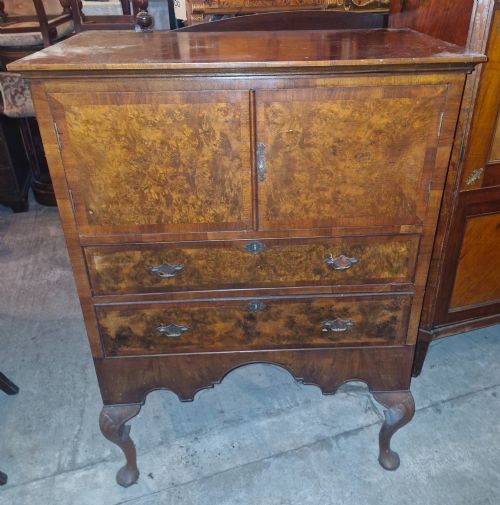
Among these various forms, the Queen Anne style and its later 20th-century revivals dominate the offerings. Buyers will frequently meet burr walnut surfaces paired with cabriole legs, reflecting both original 18th-century craftsmanship and later interpretations.
Construction and Materials
Makers utilised solid walnut and decorative veneers such as burr walnut, applying them over secondary carcase timbers like oak. Crossbanding and intricate marquetry inlay frequently ornament the drawer fronts and top surfaces.
Structural hardware relies on cast brass handles, escutcheons, and occasional ormolu mounts to accent French provincial designs. Marble tops appear on specific continental bedside cabinets, adding durable utility to the timber framework.
One exceptional sideboard comes equipped with a dedicated twelve-piece cutlery set ready for formal dining.
Judging Quality
Quality rests upon the selection and matching of the walnut veneers across the principal facades. Figured burr walnut with symmetrical grain patterns distinguishes finer pieces from plain timber surfaces.
The integrity of the structural joinery, the subtlety of the leg carving, and the retention of original brass hardware dictate the standing of an individual piece.
Maple & Co.
The Walnut Cabinet on Legs Glossary
- Burr walnut
- A figured veneer taken from the warted growths of walnut trees, prized for its swirling patterns. It is frequently applied to the principal doors and drawer fronts of formal cabinetry.
- Cabriole leg
- A furniture support that curves outward and then tapers inward, mimicking an animal leg. This form is characteristic of Queen Anne and Louis XV revival designs.
- Marquetry
- Decorative patterns formed by fitting together thin slices of various woods and other materials onto a veneered surface. It is often seen on French and continental side cabinets.
- Crossbanding
- A narrow strip of veneer laid around the border of a panel so that the grain runs at right angles to the central area. This technique frames the primary timber visually.
- Tallboy
- A tall chest of drawers standing upon a base or legs, combining ample storage capacity with a raised profile. These items emerged strongly during the 18th century and later revivals.
Walnut Cabinet on Legs: Frequently Asked Questions
What is a walnut cabinet on legs?
A walnut cabinet on legs is an elevated storage piece featuring walnut timber or burr walnut veneer supported by a stand, cabriole legs, or turned feet. These items range from small bedside lockers to large display cabinets and sideboards.
Such furniture serves both functional storage and decorative display within domestic interiors, bringing warm timber tones and raised profiles to rooms.
How do I identify a Queen Anne style cabinet?
Queen Anne style cabinets typically feature curved cabriole legs, pad or hoof feet, and restrained proportions that emphasise the natural grain of the walnut. The overarching design avoids excessive carving in favour of smooth, fluid lines.
Many examples found on the market are 20th-century revivals that emulate these 18th-century architectural conventions through veneered surfaces and classical silhouettes.
Where were these cabinets placed originally?
These cabinets were designed for various rooms depending on their exact scale, including drawing rooms, bedrooms, and dining spaces. Bedside cabinets stood beside sleeping quarters, while larger sideboards and display units occupied principal reception rooms.
Smaller lamp tables and commodinos served to hold lighting, books, or personal items within intimate domestic settings.
How do I care for antique walnut furniture?
Antiques require placement away from direct heat sources and strong sunlight to prevent the walnut veneers from drying out or fading. Gentle dusting with a dry cloth keeps the surface clean without stripping the finish.
Occasional application of appropriate wax polish maintains the moisture and lustre of the timber grain over decades of use.
Are these cabinets from the eighteenth century?
The pieces span multiple eras, including genuine 18th-century items as well as Victorian, Edwardian, and 1920s revivals. Many items adopt earlier stylistic traditions while being manufactured during the early 20th century.
Examining the construction methods, secondary timbers, and overall wear helps determine whether a piece originates from the original period or a later revival.