
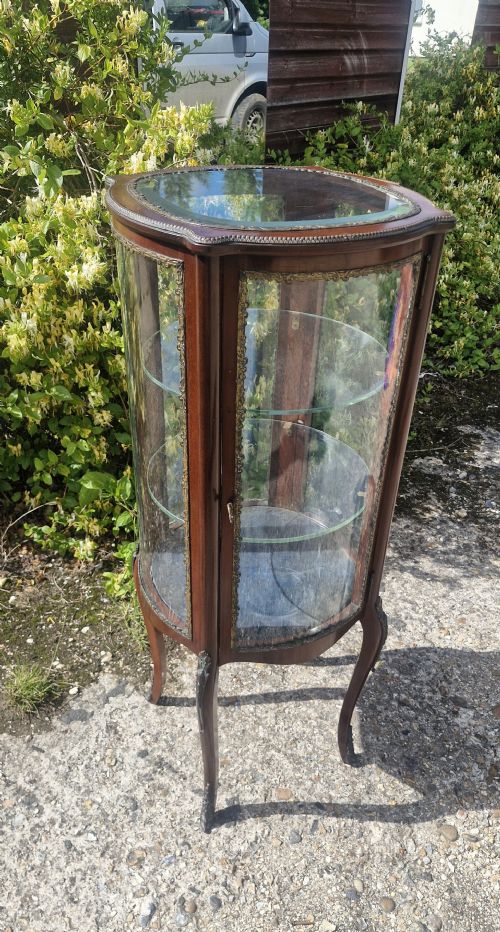


Cabriole Leg Display Case
A cabriole leg display case brings curved elegance to your home, holding treasured objects behind glass panels supported by graceful, sinuous legs.
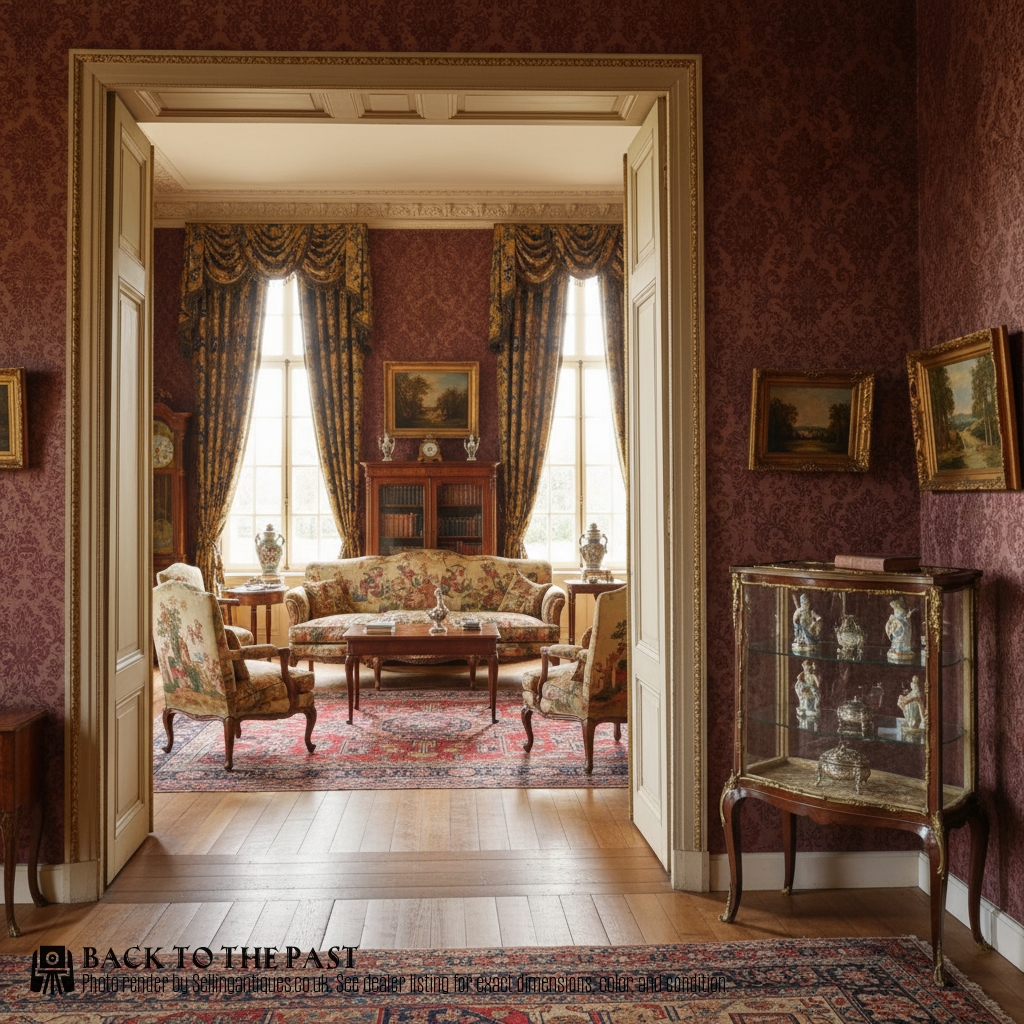
Cabriole Leg Display Case
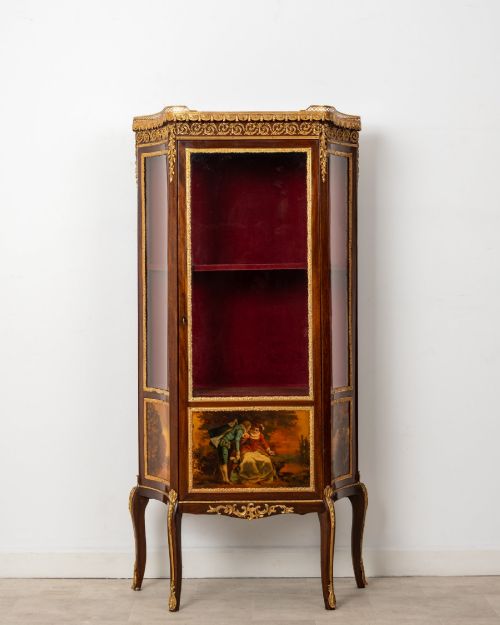
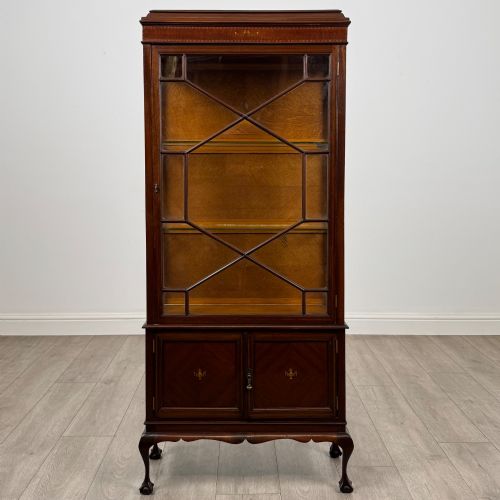
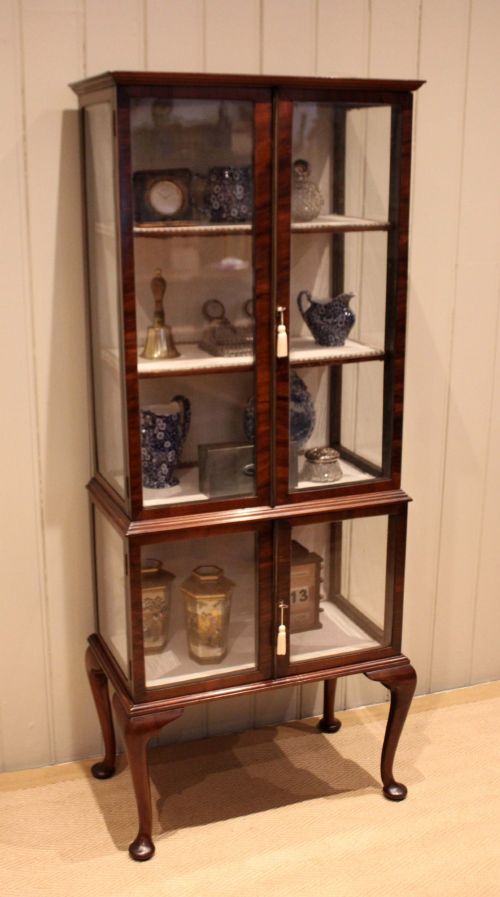
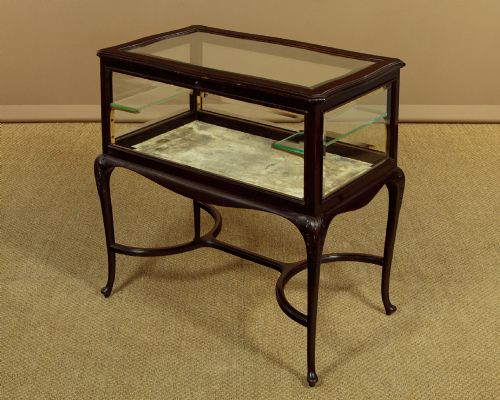
A cabriole leg display case offers a sophisticated solution for showcasing precious items, taking the form of display cabinets, vitrines, and bijouterie tables. These pieces emerge predominantly from Edwardian and Victorian workshops, alongside examples bearing French revival influences from the nineteenth and early twentieth centuries.
Makers working across Britain and continental Europe adopted these forms to display porcelain, silver, and curiosities in formal drawing rooms. The domestic function remains unchanged, providing dust-protected interior space visible from multiple angles.
Materials and construction methods
Cabinetmakers constructed the primary carcases using hardwoods such as mahogany, walnut, rosewood, and kingwood, frequently applying decorative veneers to the exterior surfaces. Inlaid stringing, marquetry, and parquetry patterns enrich these timber grounds, complemented by gilt bronze and ormolu mounts fixed at key structural intersections.
Glazing forms a central component, requiring large panes of glass set into hinged doors and table lids to enclose the display space securely. Interiors are often lined with velvet or fabric to cushion delicate objects, while brass hardware finishes the hinges, locks, and handles.
Listings feature mahogany, rosewood, walnut, and kingwood timbers, complemented by glass, brass, ormolu, and velvet linings.
Distinctions in craftsmanship
The refinement of the carving on the cabriole legs sets superior examples apart, separating fluid, hand-shaped wooden curves from stiffer, mechanical profiles. Heavier investment in quality shows through the weight and detail of cast ormolu mounts and the precision of fine parquetry and veneer matching.
Structural integrity depends on the timber's seasoning and the tightness of the joinery around glazed doors and lifting table lids. Pieces finished with hand-applied French polish exhibit a deeper lustre than altered or heavily refinished surfaces.
The Cabriole Leg Display Case Glossary
- Cabriole leg
- A furniture support that curves outward at the knee and tapers inward toward the ankle, ending in a pad, claw, or scroll foot. This iconic form originates from ancient furniture traditions and gained immense popularity during the eighteenth-century Queen Anne and Louis XV periods.
- Vitrine
- A glass-fronted cabinet designed specifically for displaying porcelain, curiosities, or fine books. The term derives from the French word for glass.
- Bijouterie table
- A low display table featuring a glazed top and a shallow compartment for showing jewellery and small collectables. These tables frequently stand on slender cabriole legs.
- Ormolu
- Gilded bronze ornamentation applied to the mounts, feet, and cornices of fine furniture. The technique involves a mercury-gilding process common in antique French cabinetmaking.
- Vernis Martin
- A simulated Japanese lacquer technique developed in eighteenth-century France and emulated on later decorative cabinets. It produces a luminous, multi-layered painted finish.
- Parquetry
- Geometric wood-mosaic work used to decorate furniture surfaces with patterns such as cubes, diamonds, or chevrons. Craftsmen arrange contrasting timber veneers to achieve a striking visual depth.
Cabriole Leg Display Case: Frequently Asked Questions
What is the difference between a vitrine and a bijouterie table?
A vitrine is an upright display cabinet with vertical glass doors, intended for porcelain, silver, and standing ornaments on multiple internal shelves.
A bijouterie table is low and flat, featuring a horizontal glazed lid that allows viewers to look down at jewellery and small keepsakes resting on a fabric-lined interior.
Where should I place a display case in my home?
These cabinets suit drawing rooms, studies, or hallways where natural light enhances the glazed display compartments without exposing the timbers to harsh direct sunlight.
Ensure the floor is level so the slender cabriole legs bear the weight evenly and the glazed doors swing shut correctly.
How do I clean the fabric lining inside?
Velvet and fabric linings accumulate dust over decades, requiring gentle surface cleaning with a soft brush attachment on a low-suction vacuum.
Avoid liquid cleaners near antique wood and delicate textiles to prevent staining the surrounding timber carcase.
How can I tell if a cabinet is Edwardian or Victorian?
Victorian display cases often feature heavier rosewood or walnut carcases with robust ormolu mounts and deep, dark French polish finishes.
Edwardian interpretations tend to be lighter in mahogany, frequently incorporating satinwood inlay, satin finishes, and more delicate proportions influenced by eighteenth-century revivals.