





Glass Panelled Vitrine
A glass panelled vitrine is a display cabinet designed to showcase fine objects through transparent walls, drawing the eye directly to the treasures held within.
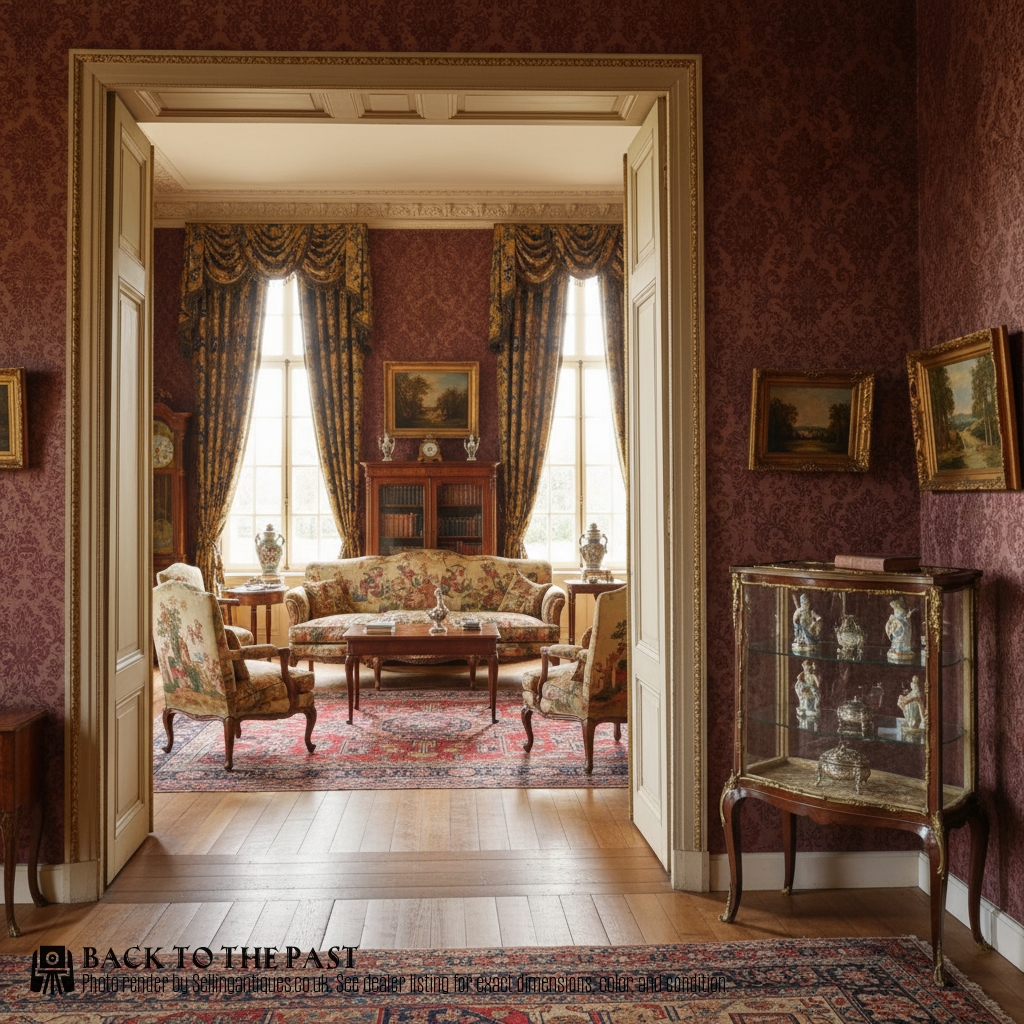
Glass Panelled Vitrine
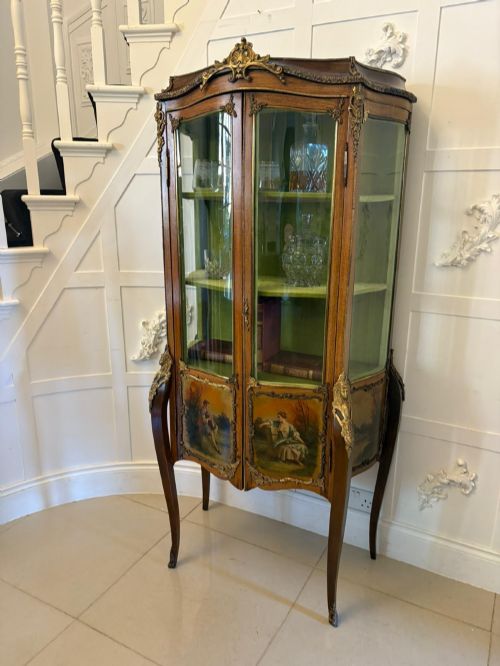
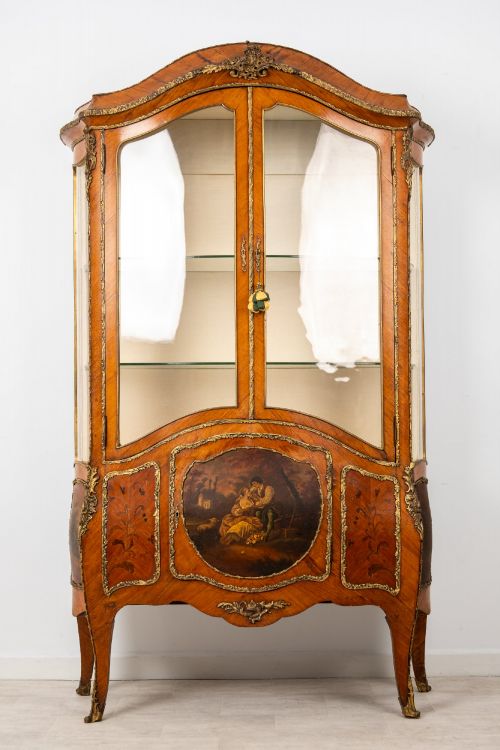
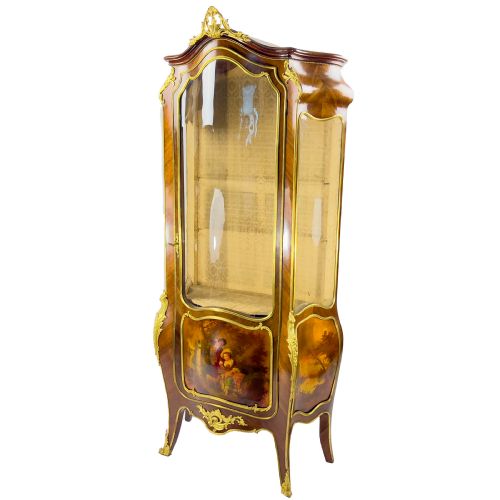
When you search for a glass panelled vitrine, you encounter French revival display cabinets chiefly from the nineteenth century, including Victorian examples. These pieces typically manifest in styles such as Louis XV Revival, French Rococo, and the Aesthetic Movement. Forms range from bombe cabinets to museum cases and glazed bookcases, serving as elegant vessels for collections.
The dominant aesthetic draws heavily on French chateau design, featuring serpentine or straight profiles constructed to display porcelain, silver, and curiosities. You are most likely to meet pieces finished with decorative painted panels or rich veneers, standing on slender cabriole legs or plinths. Each variant provides a secure, dust-free enclosure that elevates everyday artefacts into focal points of a room.
How they were made
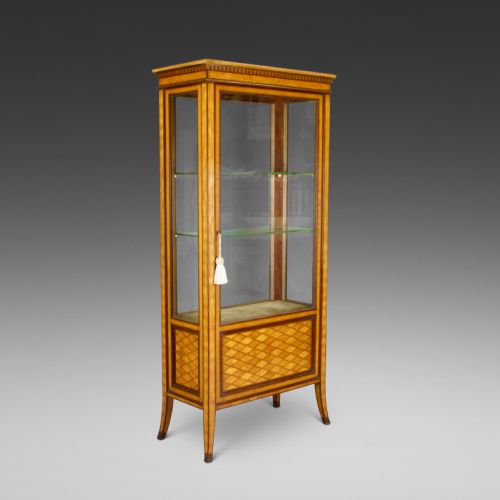
Cabinet makers utilised timber frameworks of kingwood, mahogany, walnut, satinwood, oak, and bamboo as the structural chassis. These woods were often arranged in parquetry patterns or complemented by applied lacquer and fabric linings. Glazing bars held the glass panels securely in place while framing the interior display space.
Metalwork played a defining structural and decorative role through the addition of ormolu and gilt bronze mounts, cast and chased to accentuate corners and framing. Vernis Martin techniques provided translucent painted panels depicting figurative scenes, layered over metallic grounds to achieve depth. Marble tops frequently capped the timber carcasses, adding weight and a cool tactile surface.
The listings show nineteenth-century pieces incorporating kingwood, mahogany, oak, bamboo, ormolu, and fabric.
What varies in quality
The finesse of the cast bronze or ormolu mounts separates standard production from exceptional examples, as sharper chiselling and heavier gilding denote superior workshops. The delicacy and hand-painted detail of the Vernis Martin panels likewise dictate the artistic merit of the cabinet. Timber selection, such as figured kingwood veneers matched symmetrically across curved surfaces, marks the distinction.
Structural integrity relies upon the precision of the joinery, particularly where curved bombe sides meet glazed doors. Superior pieces maintain alignment in their doors and hinges over decades, ensuring the glass panels bear no undue stress. The quality of the interior fabric and the choice of a genuine marble top further elevate the standing of a cabinet.
The Glass Panelled Vitrine Glossary
- Ormolu
- Gilded bronze used for decorative mounts and framing on furniture. It is cast and chased to create elaborate ornamentation.
- Vernis Martin
- A simulated Japanese lacquer technique developed in eighteenth-century France and revived later. It uses layered varnishes to create translucent painted panels.
- Bombe
- A bulging or swelling contour found on the sides and fronts of certain cabinets. This curved form requires advanced woodworking skill to veneer accurately.
- Parquetry
- Geometric wood inlay patterns assembled from contrasting veneers. It creates decorative surfaces on cabinet doors and tops.
- Cabriole
- A furniture leg that curves outward and then tapers inward to a foot. It echoes natural animal forms typical of Rococo design.
Glass Panelled Vitrine: Frequently Asked Questions
What is a glass panelled vitrine used for?
These cabinets were historically designed to display porcelain, miniatures, and precious curiosities safely behind glass while protecting them from dust.
Today, they serve the same purpose in domestic interiors, offering a vertical stage for treasured collections and decorative objects.
How do I clean the glass panels?
Clean the glass panels gently with a soft cloth and a mild glass cleaner applied to the cloth rather than sprayed directly onto the cabinet.
This prevents moisture and liquid from seeping into fragile timber frames, ormolu mounts, or painted panels.
Where should I place a vitrine?
Position the cabinet away from direct sunlight and strong heat sources to protect delicate timber veneers, painted panels, and fabric linings from fading.
Ensure the floor is level so the doors and glass panels hang true and open smoothly without binding.
How can I tell the period?
Examine the timber construction, mount casting quality, and internal fixings to determine whether a piece originates from the nineteenth century or a later revival.
Hand-cut dovetails, patinated bronze, and traditional varnish techniques offer reliable clues to dating.