
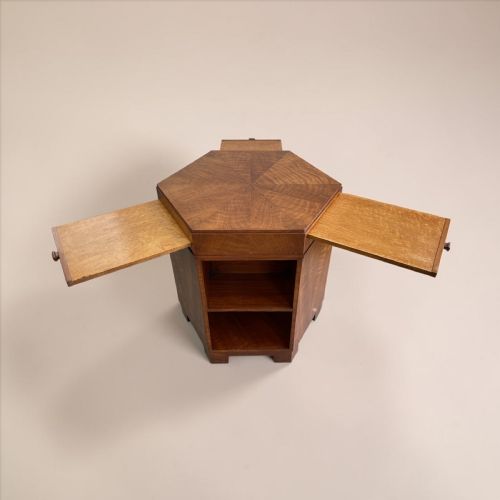

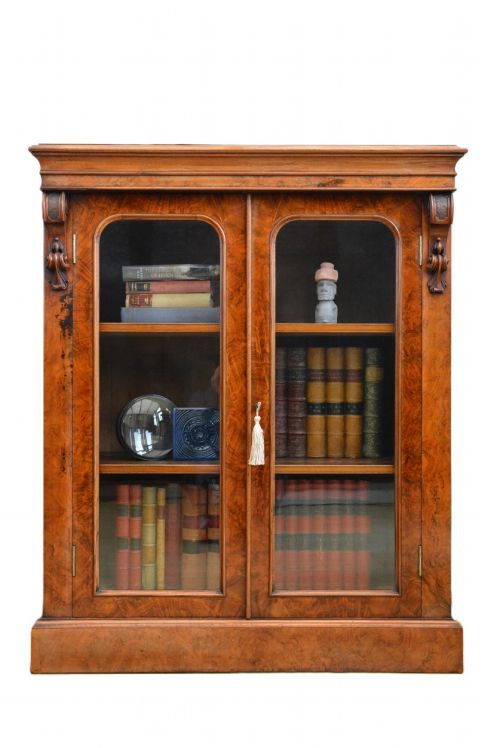

Walnut Book Cabinet
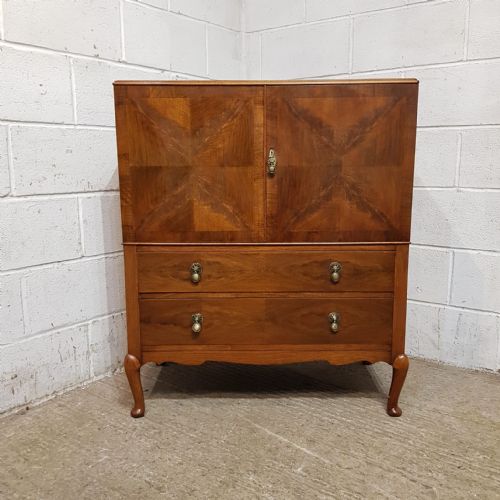
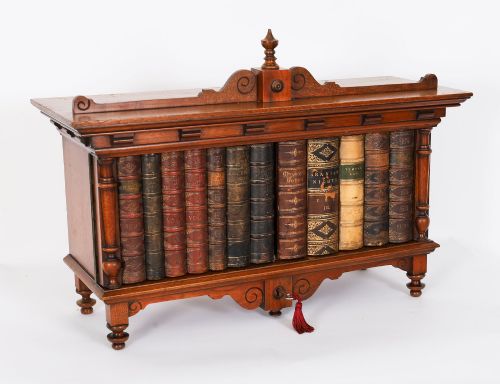
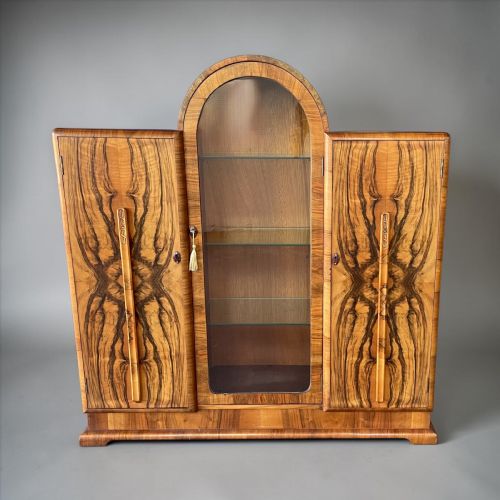
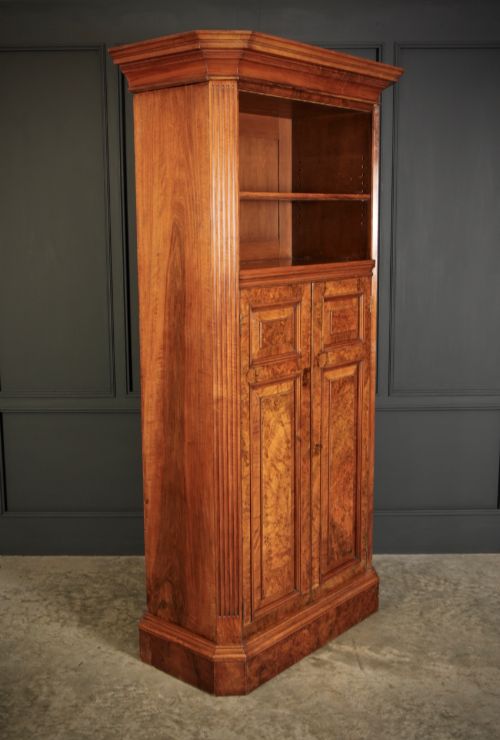
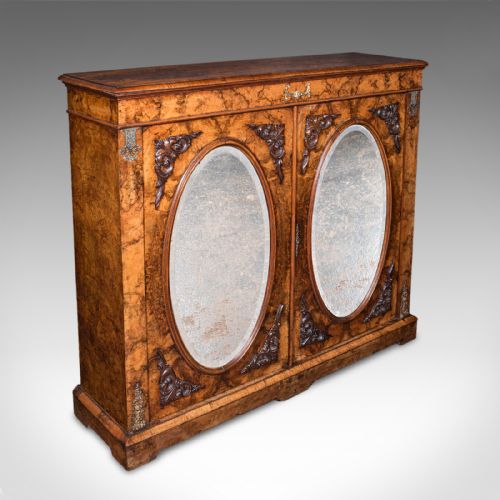
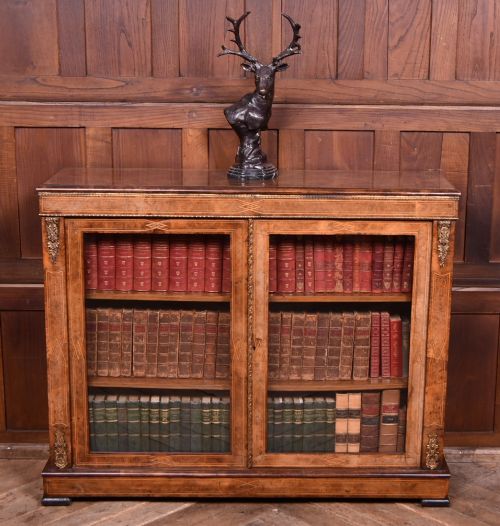
A walnut book cabinet organises a room with deep timber grains, combining display space for volumes with enclosed storage beneath glass or timber doors.
Walnut Book Cabinet
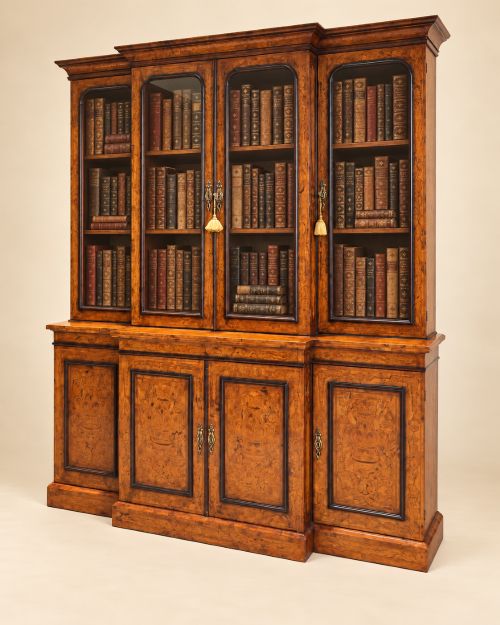
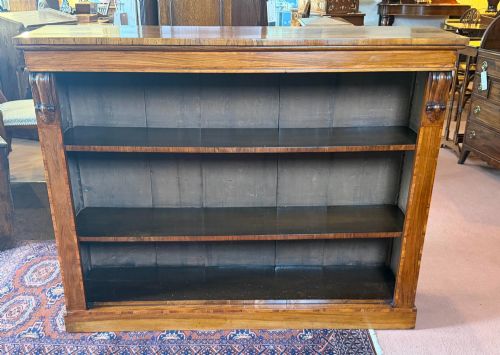
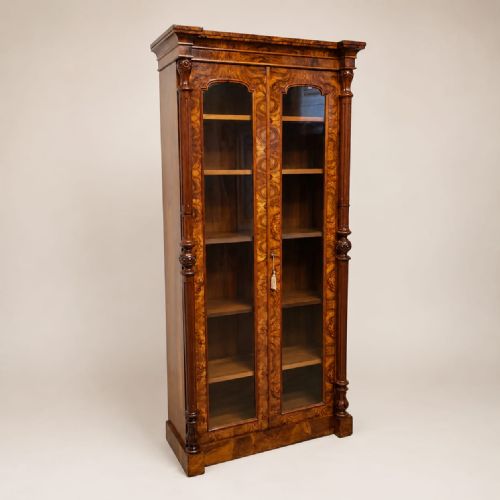
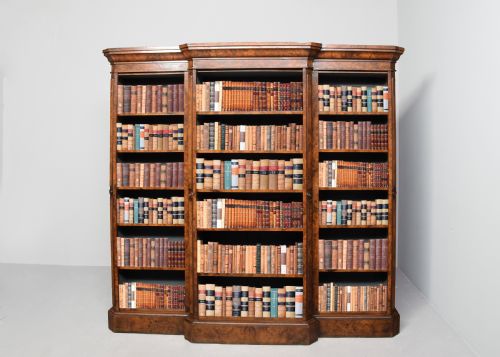
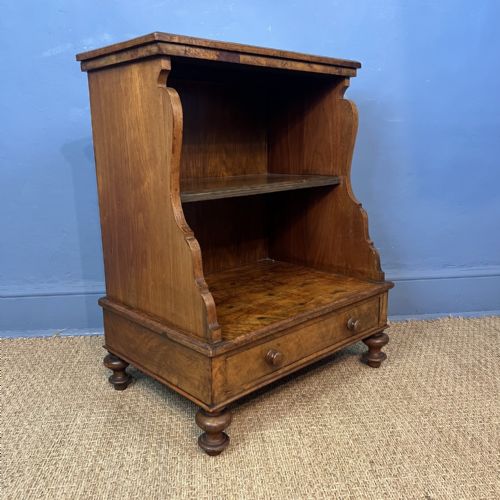
A walnut book cabinet brings together domestic library storage and formal display, taking the form of upright glazed cupboards, low open shelving units, and breakfront bookcases designed to house collections of books.
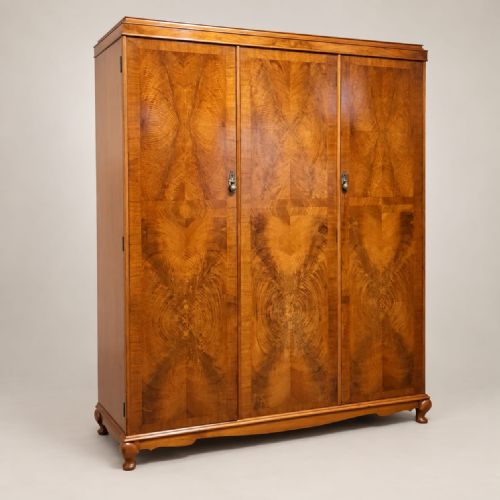
The walnut book cabinet examples found here span the Victorian era, the Edwardian period, and the 1930s Art Deco movement, running from compact domestic pieces to large multi-section library furniture.
Victorian versions dominate the selection, often featuring figured timbers and marquetry inlay, while later twentieth-century examples lean towards clean geometric lines and streamlined burr walnut surfaces.
How They Were Made
Cabinet makers utilised solid walnut for structural frames alongside carefully selected walnut veneers and burr walnut to create rich, patterned surfaces across large cupboard doors and cornices.
Glazed doors, brass fittings, leather accents, and occasional ormolu mounts complete the construction, pairing traditional joinery with decorative metalwork.
Walnut Book Cabinet Retail Price Guide 2026
Typical asking prices for walnut book cabinet among the pieces listed under this phrase on Sellingantiques today, from the lower quarter to the upper quarter. They describe what is for sale here now, not the wider market.
Listings feature walnut book cabinets spanning the eighteenth century through to the 1930s, incorporating brass, leather, and ormolu details.
What Varies in Quality
The grade of timber selection dictates visual depth, separating cabinets faced in plain timber from those showcasing heavily figured burr walnut and intricate marquetry inlay.
Proportion and scale distinguish standard production pieces from exhibition items, where custom brass hardware, fine glass panels, and careful carving elevate the finished piece.
Waring and Gillow·Epstein
The Walnut Book Cabinet Glossary
- Burr Walnut
- A timber obtained from walnut tree growths, producing highly figured, swirling grain patterns. It is typically sliced into veneers for prominent cabinet doors.
- Breakfront
- A cabinet design where the central section projects forward from the flanking wings. This creates architectural depth across large bookcases.
- Marquetry
- The art of applying small pieces of veneer to form decorative pictures and patterns. It often appears on Victorian cabinet friezes.
- Ormolu
- Gilt bronze mounts applied to furniture for decorative contrast. These fittings are common on revival and exhibition pieces.
- Glazed
- Fitted with glass panels to protect books from dust while keeping them visible. It defines the upper sections of many library cabinets.
Walnut Book Cabinet: Frequently Asked Questions
How do I date a walnut cabinet?
Dating relies on architectural styles, timber treatments, and construction methods visible in the interior shelving and backboards. Victorian examples often incorporate heavy cornices and marquetry, whereas later Edwardian and Art Deco pieces show simpler geometric forms.
Hardware and glass characteristics also provide clues, as machine-sawn timber and brass casting techniques shifted noticeably between the nineteenth and twentieth centuries.
Are shelves adjustable in these cabinets?
Many period bookcases feature adjustable wooden shelving supported by traditional rack-and-pinion or metal peg systems. This allows collectors to alter shelf heights for varying book sizes.
Open bookcases and glazed library cabinets frequently retain these original mechanisms, though buyers should verify internal configurations before housing larger volumes.
How should I care for walnut veneer?
Walnut surfaces respond best to consistent indoor humidity and protection from direct sunlight, which can bleach figured veneers over time. Regular dusting with a soft, dry cloth preserves the polished finish.
Harsh chemical cleaners should be avoided in favour of traditional beeswax applied sparingly to maintain the natural lustre of the timber.
What is the difference between a bookcase and a display cabinet?
Bookcases generally prioritise sturdy shelving designed to bear the weight of heavy volumes, sometimes featuring open fronts or glazed doors. Display cabinets often emphasise visibility for decorative objects with side glass panels and lighter internal framing.
Many examples on this page bridge both categories, offering adjustable library shelving behind lockable glazed doors.