






Regency Walnut Cabinet
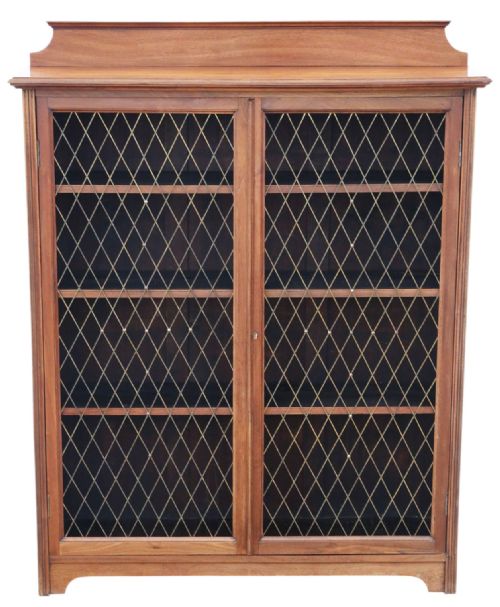
These regency walnut cabinet pieces bring distinct timber grain and classical proportion to a room, offering both practical storage and focal presence.

Regency Walnut Cabinet
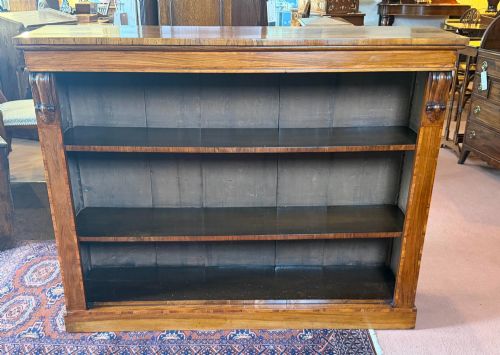
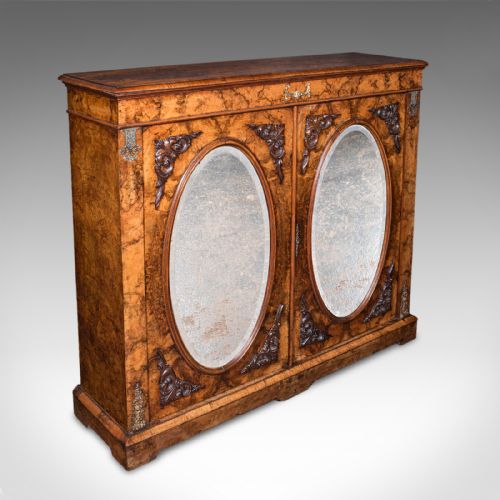
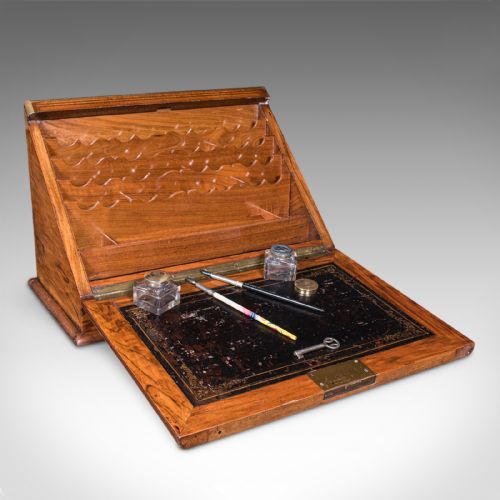
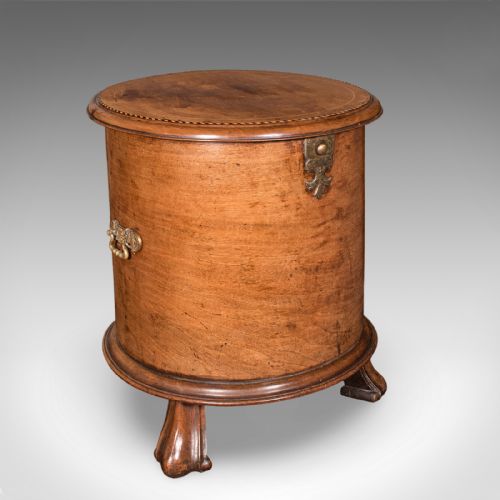
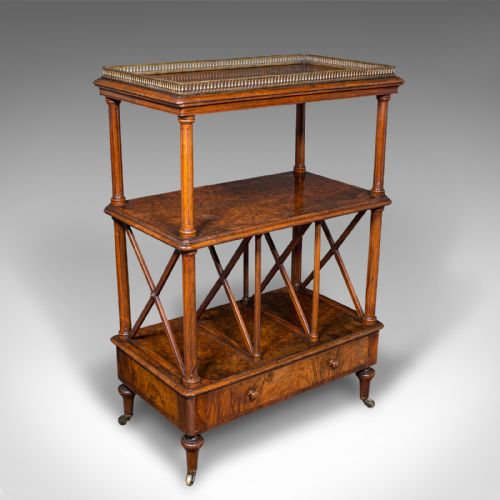
A regency walnut cabinet search brings together a diverse selection of storage forms, from expansive library bookcases and display cupboards to compact writing desks, cellarettes, and chests.
The pieces appearing on this page span the primary Regency era alongside later revival periods like the Edwardian and Victorian phases, with bookcases and pier cabinets appearing most frequently.
Makers often utilised rich burr veneers alongside plain timber, creating surfaces that catch the light and display deep figuring across doors and drawer fronts.
Construction and materials
Makers relied on solid timber and veneer construction, pairing walnut and burr walnut with secondary woods while incorporating glass panels for display doors.
Brass mounts, ormolu details, and boxwood inlay frequently accent the primary timber surfaces, alongside leather inserts found on writing surfaces and stationer components.
Certain writing stations include secret compartments designed for confidential correspondence.
Judging the range
Quality separates through the selection and matching of the walnut veneer, where thoughtful book-matching across larger cabinet doors creates a balanced and striking visual rhythm.
The refinement of secondary details, such as finely cast brass hardware, precise boxwood stringing, and well-executed glazing bars, distinguishes the finest examples from simpler utility pieces.
Gillows
The Regency Walnut Cabinet Glossary
- Burr walnut
- A figured wood grain obtained from the knot growths of the walnut tree, prized for its swirling patterns and rich texture.
- Ormolu
- Gilded bronze ornamentation applied to furniture mounts and feet, adding metallic contrast to the timber surface.
- Pier cabinet
- A low display cupboard designed specifically to fit the wall space between windows.
- Cellarette
- A freestanding or floor-standing container originally built for storing and cooling bottles of wine.
- Wellington chest
- A tall, narrow chest of drawers secured by a locking hinged side stile.
Regency Walnut Cabinet: Frequently Asked Questions
What is a regency walnut cabinet used for?
These pieces serve multiple domestic functions, operating primarily as bookcases, display cabinets for prized objects, or specialised writing stations and side units. Their internal configurations often include adjustable shelving, drawers, or compartmentalised storage for stationery and books.
Placing one in a drawing room, library, or hallway introduces both period character and practical containment for everyday items. The glazed variants allow collectors to exhibit ceramics or books while protecting them from dust.
How do I spot a reproduction?
Distinguishing original period pieces from later revivals requires close examination of construction methods, timber movement, and internal secondary woods. Revivals from the Edwardian era or the 1920s often employ machine-cut elements and modern adhesives.
By contrast, older pieces exhibit hand-cut dovetails and natural timber shrinkage consistent with age. Hardware fixings and screw types also offer reliable indicators of a piece's true manufacturing date.
How do I care for walnut veneer?
Walnut veneer benefits from stable room environments away from direct sunlight and rapid temperature fluctuations, which can cause timber to dry and veneers to lift. Regular dusting with a soft, dry cloth preserves the finish without requiring heavy polishes.
Applying a traditional beeswax sparingly helps maintain the moisture and natural sheen of the timber. Avoid placing damp items or excessive weight directly onto veneered surfaces.
Are these cabinets suitable for small rooms?
Many forms within this category, such as pier cabinets, narrow Wellington chests, and compact writing desks, suit smaller spaces without dominating a room. Their vertical proportions maximise storage capacity while maintaining a modest footprint on the floor.
Cabinets with glazed doors or mirrored fronts also help reflect natural light, making compact interiors feel more open. Choosing a piece with shallow depth ensures unobstructed movement around tight hallways or intimate studies.