

Walnut Bedroom Chest
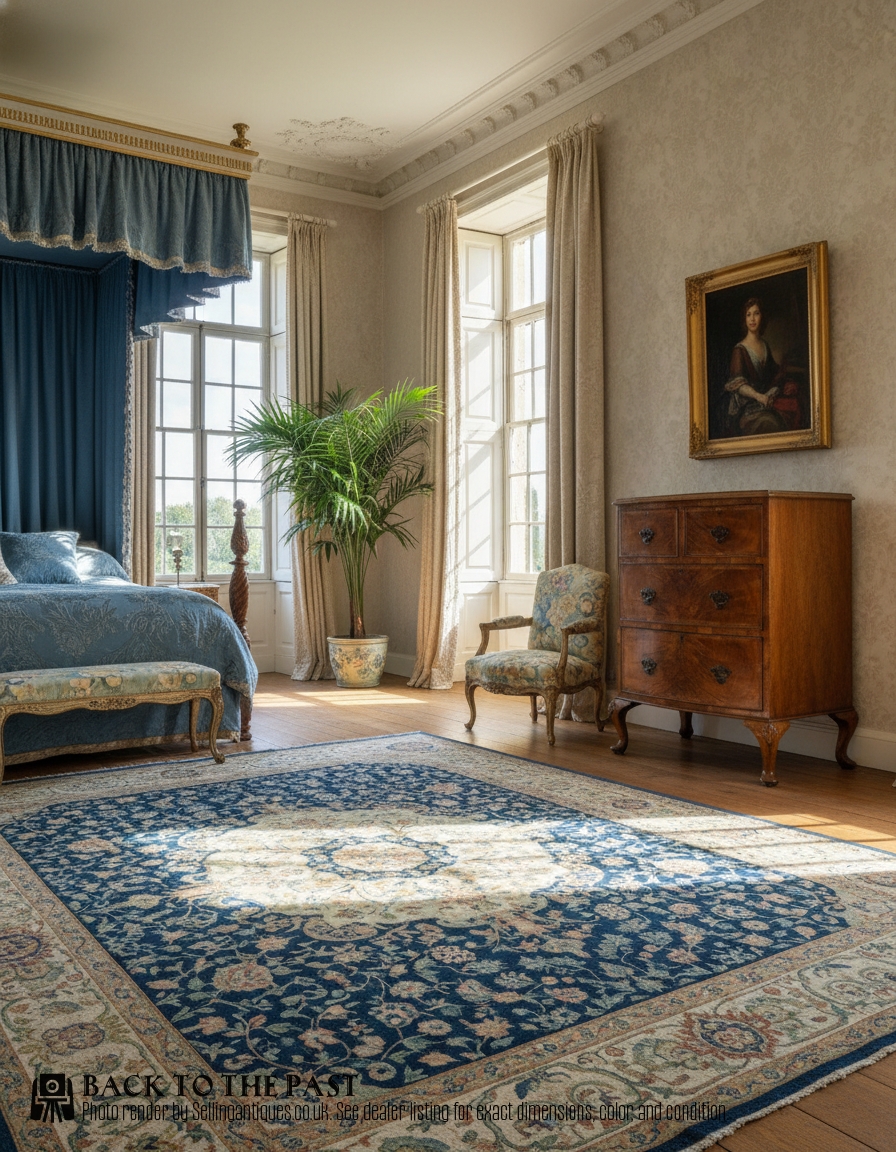
A walnut bedroom chest brings rich grain and practical depth to a room, offering timeless storage built from figured timbers.
Walnut Bedroom Chest
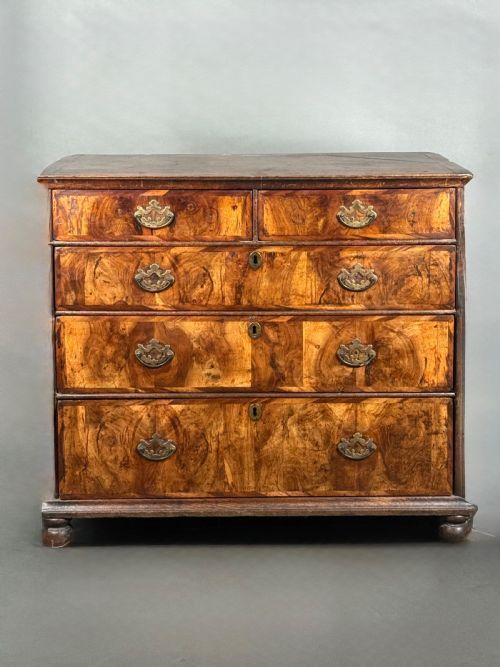
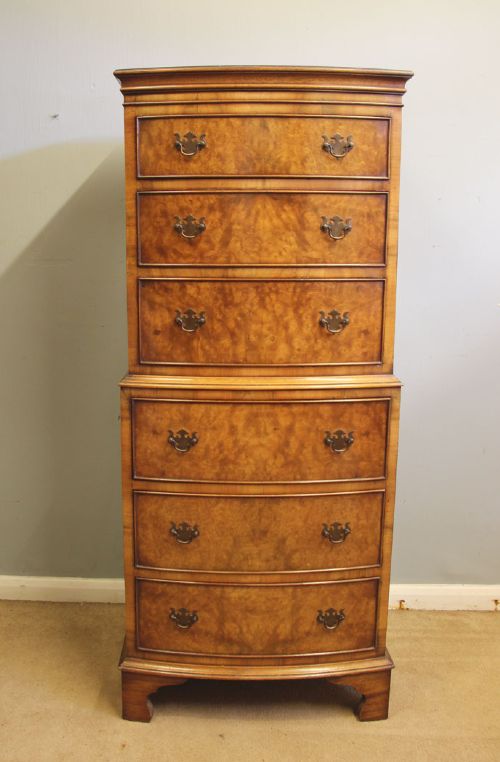
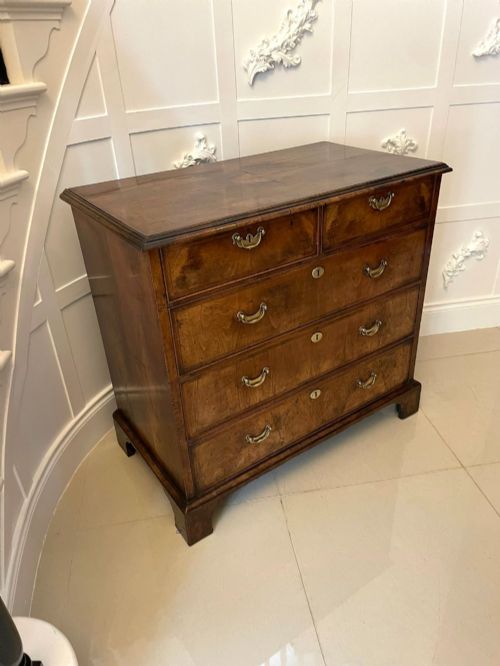
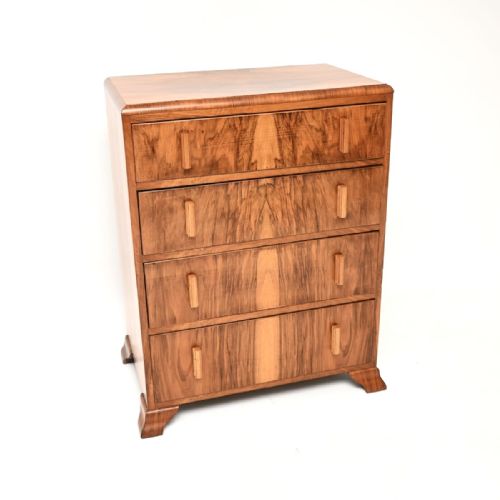
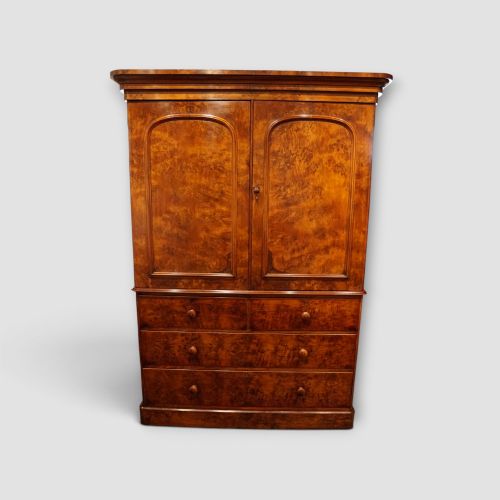
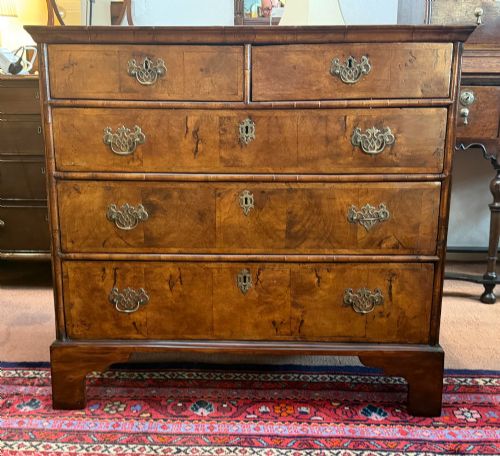
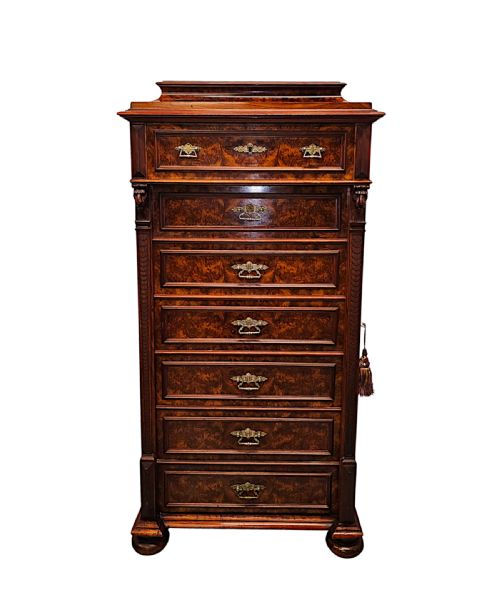
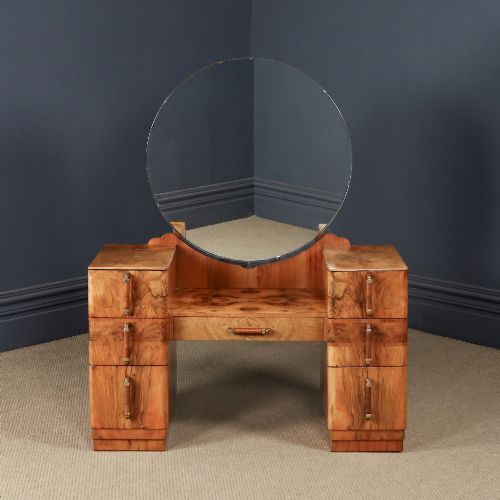
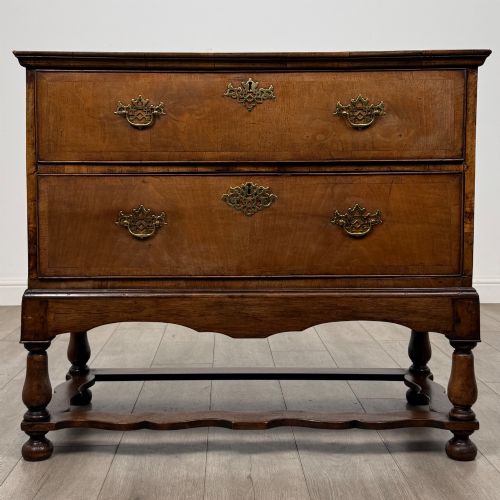
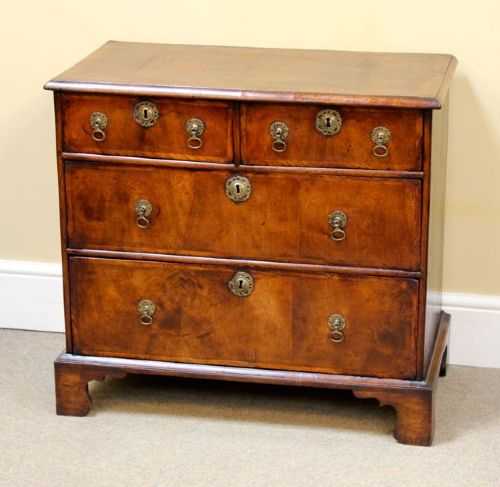
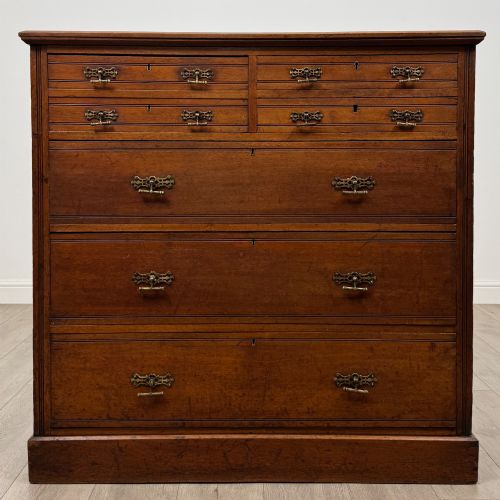
A walnut bedroom chest encompasses a variety of forms designed for storage in sleeping quarters, ranging from compact bedside cabinets and dressing tables to tallboys, linen presses, and multi-drawer chests of drawers. These pieces date across several centuries, with examples appearing from the 18th century through the Victorian and Edwardian eras, up to Art Deco designs of the 1930s.
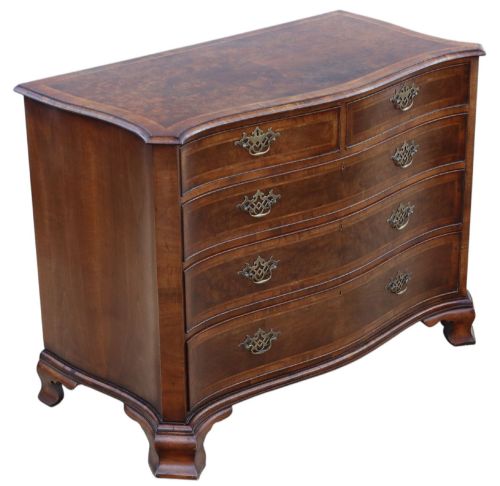
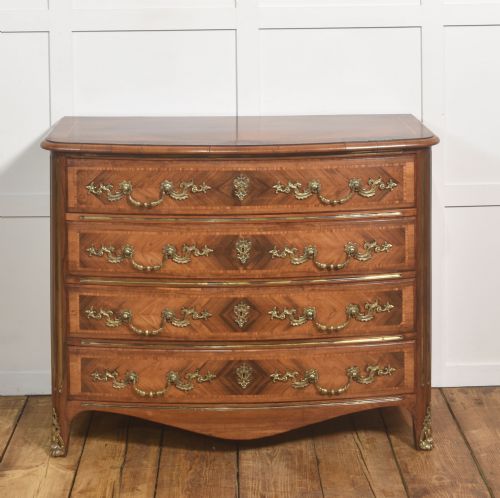
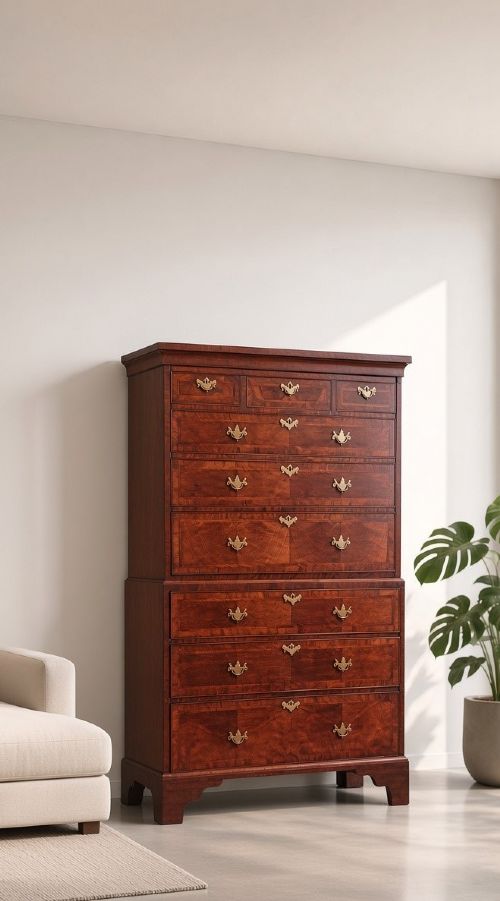
The selection includes regional interpretations and revival styles, such as Queen Anne, George II, and Georgian Revival pieces alongside French commodes and English bow-front or serpentine shapes. Buyers will encounter both modest domestic storage items and grander chest-on-chest configurations that combine considerable height with substantial capacity.
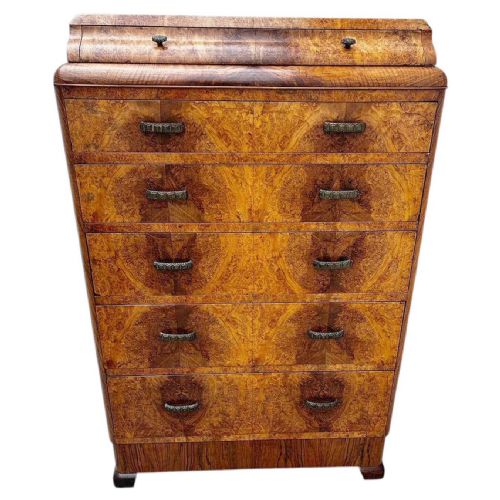
The materials reflect changing tastes across periods, frequently employing walnut veneer, figured walnut, and burr walnut alongside solid walnut timbers, often paired with secondary woods like oak and embellished with brass hardware or mirror glass.
Assessing Craftsmanship and Material Selection
The visual impact of a walnut bedroom chest depends heavily on the choice and matching of veneer, with symmetrical burr walnut figures or continuous grain patterns across multiple drawers marking superior cabinet work. The subtlety of crossbanding and the precision of marquetry inlay distinguish accomplished workshops from simpler production.
Structural integrity is evident in the weight and proportion of the piece, the smooth operation of deep drawers, and the integration of secondary woods like oak within the carcass. Well-executed period details, whether reflecting George II proportions or Art Deco curves, show careful adherence to historical styles without crude execution.
Original hardware, including brass handles and working locks with keys, contributes significantly to the integrity of an antique piece, maintaining the character established by the original maker.
Walnut Bedroom Chest Retail Price Guide 2026
Typical asking prices for walnut bedroom chest among the pieces listed under this phrase on Sellingantiques today, from the lower quarter to the upper quarter. They describe what is for sale here now, not the wider market.
Some Wellington chests come with a locking side bar designed to thwart snooping partners.
Jas Shoolbred·Gillows
The Walnut Bedroom Chest Glossary
- Burr walnut
- A prized timber harvested from growths on the walnut tree where the grain has swirled into intricate knot patterns. It is frequently sliced into thin veneers for decorative drawer fronts.
- Tallboy
- A tall storage piece comprising a chest of drawers stacked upon another chest or a base cabinet. This form maximises vertical storage capacity in the bedroom.
- Serpentine
- A furniture front characterised by a wavy outline with a convex centre flanked by concave curves. This contour requires skilled woodworking to shape both wood and veneer.
- Crossbanding
- A border technique where narrow strips of veneer are laid perpendicular to the main grain direction. It frames the primary panel to create a neat geometric boundary.
- Wellington chest
- A tall, slender chest featuring a single locking stile that fastens over the side of all drawers simultaneously. It originated in the 19th century as a secure cabinet for personal valuables.
Walnut Bedroom Chest: Frequently Asked Questions
What is a walnut tallboy?
A tallboy is a vertical storage unit that stacks one chest of drawers upon another or upon a lower stand. It provides generous drawer space while occupying a minimal floor footprint.
These pieces often feature figured walnut or burr walnut veneers, making them a striking focal point in a traditional or modern bedroom.
How do I date a walnut chest?
Dating relies on observing construction methods, timber choices, hardware styles, and overall proportions. Pieces from the 18th century often display hand-cut dovetails and solid timber or early veneers, while Victorian examples introduce heavier carved details and burr walnut finishes.
Later pieces from the 1930s embrace Art Deco streamlining, geometric veneers, and waterfall edges that clearly distinguish them from earlier Georgian and Edwardian work.
Where should I place a bedside cabinet?
A walnut bedside cabinet pairs well beside a bed to offer enclosed storage for small nighttime essentials. Its compact footprint accommodates lamps, books, and personal items.
Matching the timber tone with existing bedroom furniture ensures a cohesive look, whether selecting a Georgian style design or an Art Deco piece.
Are walnut chests suitable for daily use?
Walnut chests offer robust storage capacity across multiple drawers, making them practical for clothing, linens, and personal accessories. Their sturdy construction handles regular opening and closing of drawers.
Routine maintenance involves keeping the timber away from direct heat sources and applying appropriate furniture care to preserve the polished surface.