



Wall Mounted Display Unit
These wall mounted display unit examples combine practical storage with timber construction, offering a clever way to present treasured collections in compact spaces.
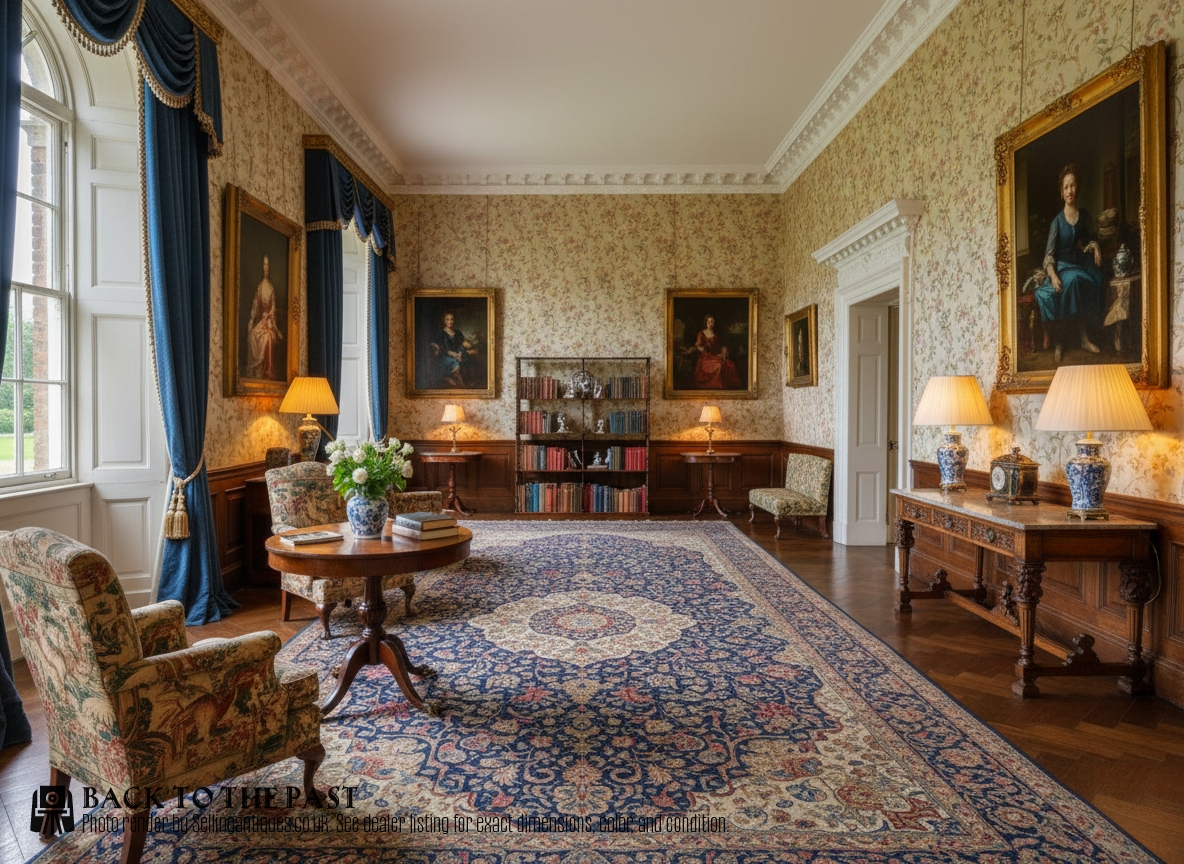
Wall Mounted Display Unit
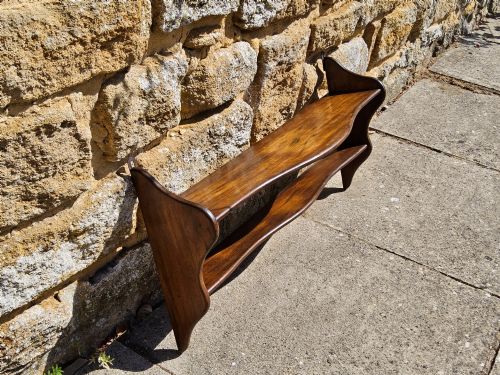
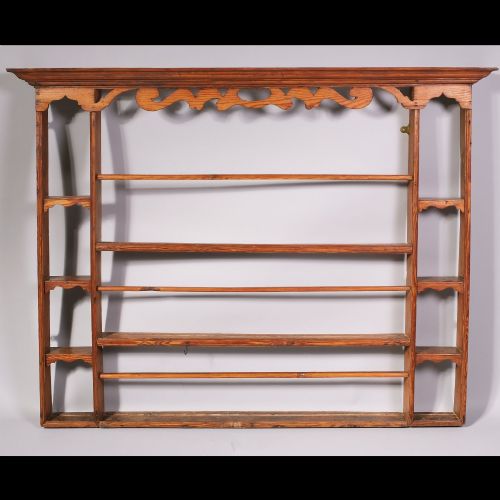
A wall mounted display unit is primarily designed to hold ceramics, books, or small ornaments while keeping floor space entirely free. These pieces range from open wall shelves and plate racks to enclosed hanging cupboards and corner cabinets.
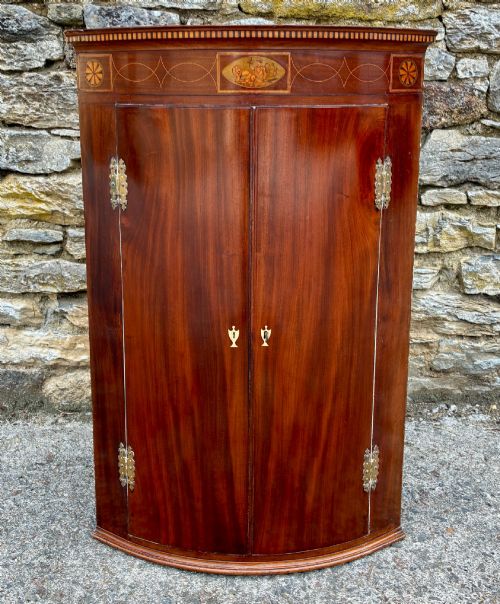
The pieces on this page appear in various forms, with corner cupboards and hanging shelves dominating the selection. Buyers regularly encounter designs utilising oak, mahogany, and walnut timbers across multiple centuries.
Originating to serve domestic interiors by utilising vertical wall space, these items reflect the architectural needs of Georgian, Victorian, and Edwardian homes. Their proportions suit modern rooms precisely because they hang clear of the floor.
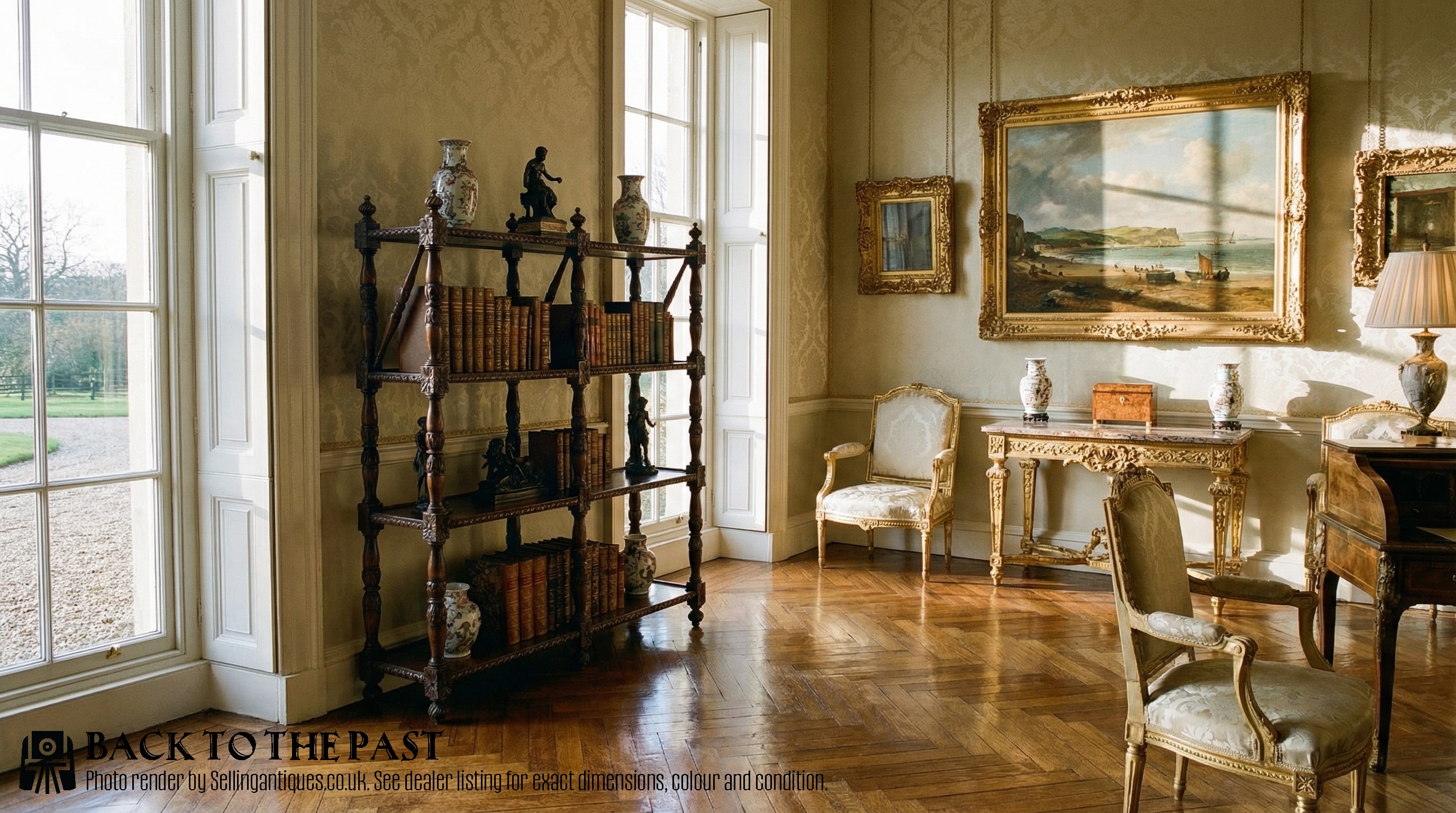
How they were made
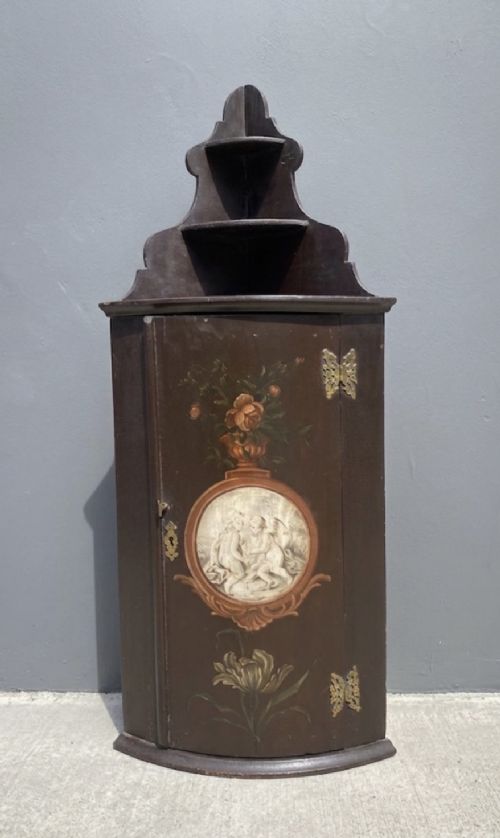
Cabinet makers constructed these wall mounted display unit pieces using solid hardwoods such as mahogany, oak, walnut, and cherry wood, frequently incorporating glass panels for visibility. Satinwood and pine appear alongside these primary timbers, sometimes painted or inlaid to add decorative contrast.
Joinery techniques relied on traditional framing and shelving supports built directly into wall hanging carcases, occasionally incorporating brass hardware for hinges and hanging brackets. Pediments, such as broken arch designs, were carved directly from the timber top sections.
Several hanging cupboards manage to tuck themselves neatly into awkward room corners while still showing off elaborate broken arch pediments.
What varies in quality
The distinction between standard examples and finer pieces rests upon the choice of timber figure, such as burr walnut or figured mahogany, and the precision of inlaid details. Superior items exhibit carefully balanced grain patterns and refined mouldings along the cornice.
Construction methods also dictate grade, with tight joints and original brass fittings marking out superior cabinet work. The integration of glazed doors and architectural pediments elevates certain examples above plain utilitarian shelving.
The Wall Mounted Display Unit Glossary
- Pedament
- A triangular or broken architectural crowning feature positioned above the main body of a cabinet. This detail appears frequently on grander Georgian corner cupboards.
- Bow front
- A convex curved front profile that softens the corners of a cabinet. This shape is common in mahogany and oak corner designs.
- Whatnot
- An open-shelved freestanding or wall-mounted tier unit used for displaying ornaments. Edwardian makers produced several variations of these display tiers.
- Plate rack
- A wall-mounted wooden frame featuring grooved ledges and vertical spindles to hold plates upright. These utility items are typically found in oak or pine.
- Inlay
- Contrasting timber or light wood inserted into the primary surface to create decorative patterns. Georgian makers utilised this technique extensively on mahogany carcases.
Wall Mounted Display Unit: Frequently Asked Questions
How do I hang a heavy wooden cabinet?
These wall mounted display unit pieces require secure fixing directly into masonry or substantial wall studs using appropriate brackets.
Because antique timbers carry considerable weight, professional installation ensures the hanging points bear the load safely without pulling away from the plaster.
Where should I place a corner cupboard?
Corner cupboards fit neatly into unused room angles, turning dead space into a functional display area for ceramics and glassware.
They work particularly well in dining rooms or hallways where floor space is limited but vertical angles remain empty.
How do I clean antique polished wood?
Dust timber surfaces gently with a dry, soft cloth to prevent the accumulation of grit within carved mouldings and grain.
Avoid modern silicone sprays, relying instead on traditional beeswax applied sparingly to nourish the dry historical finish.
How do I date an old wall cabinet?
Examine the timber species, construction joints, and backboards to find clues regarding the manufacturing period and regional workshop practices.
Georgian and Victorian pieces display distinct moulding profiles and hardware styles that help separate the eighteenth century from later revivals.