
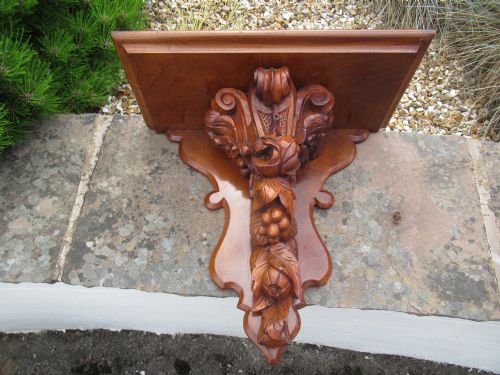
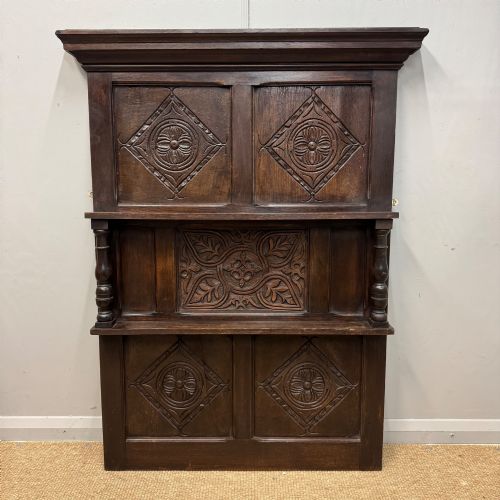
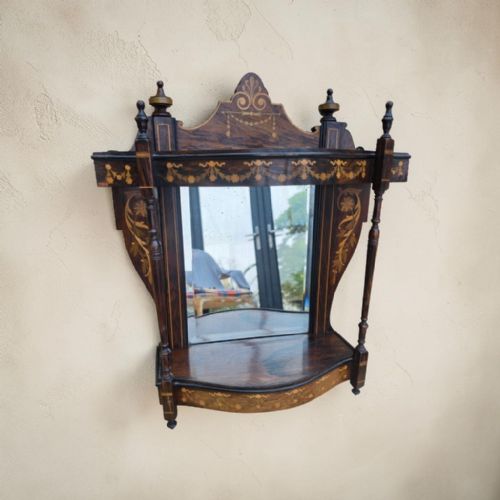
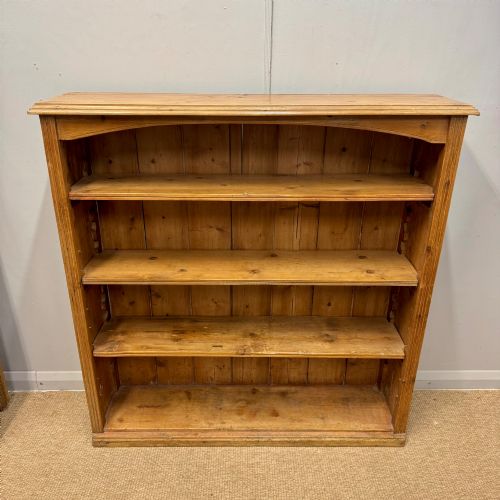
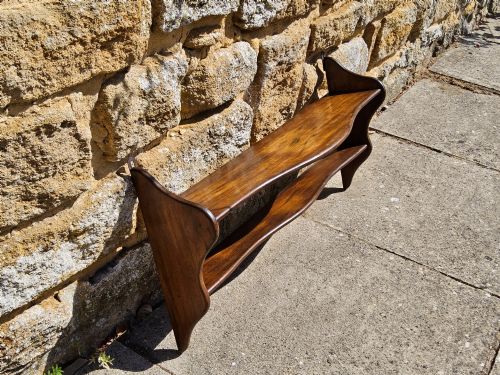
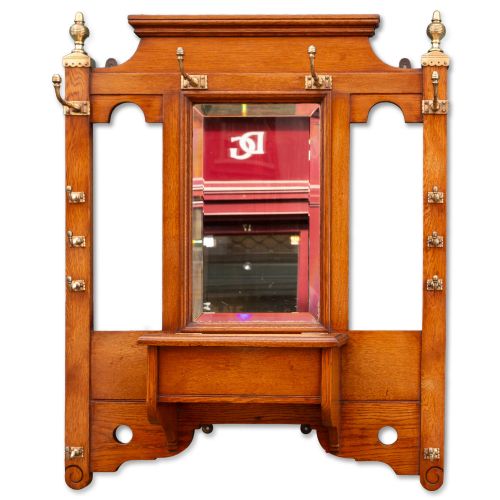
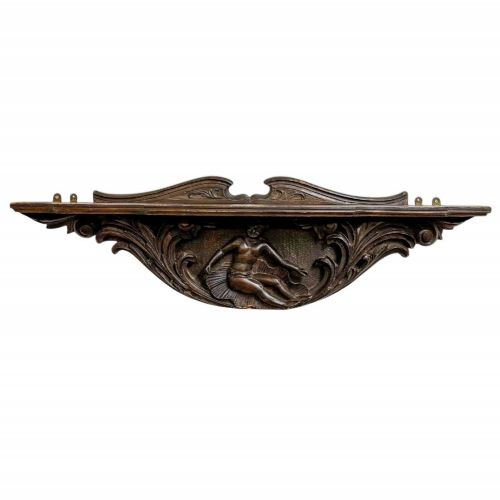
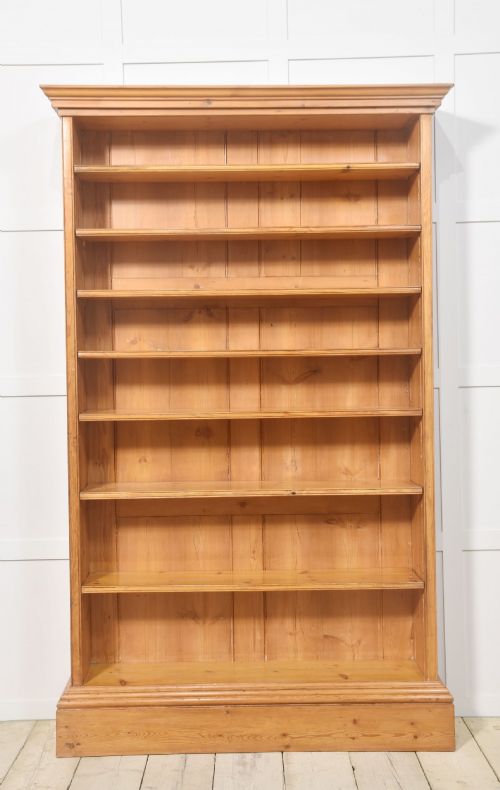
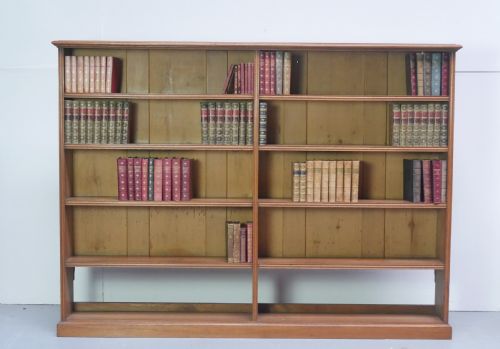
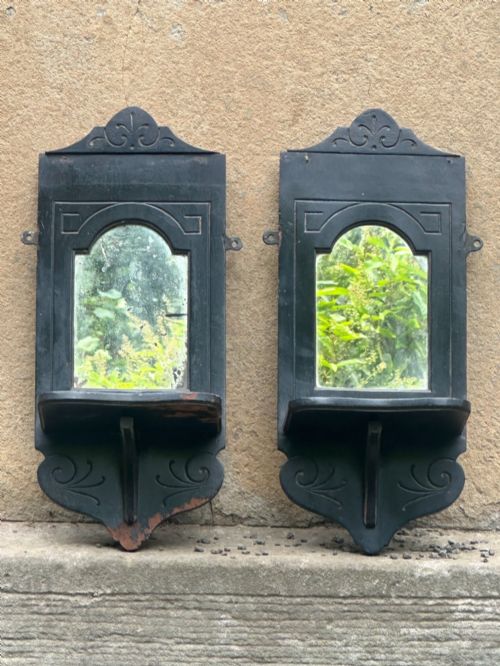


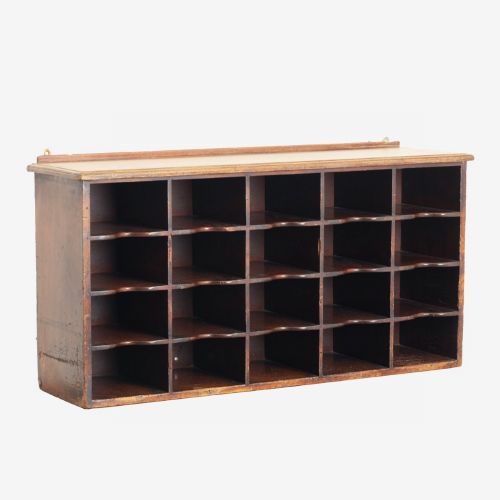
Victorian Wooden Wall Shelf
A victorian wooden wall shelf brings period warmth and useful display space to a plain interior.
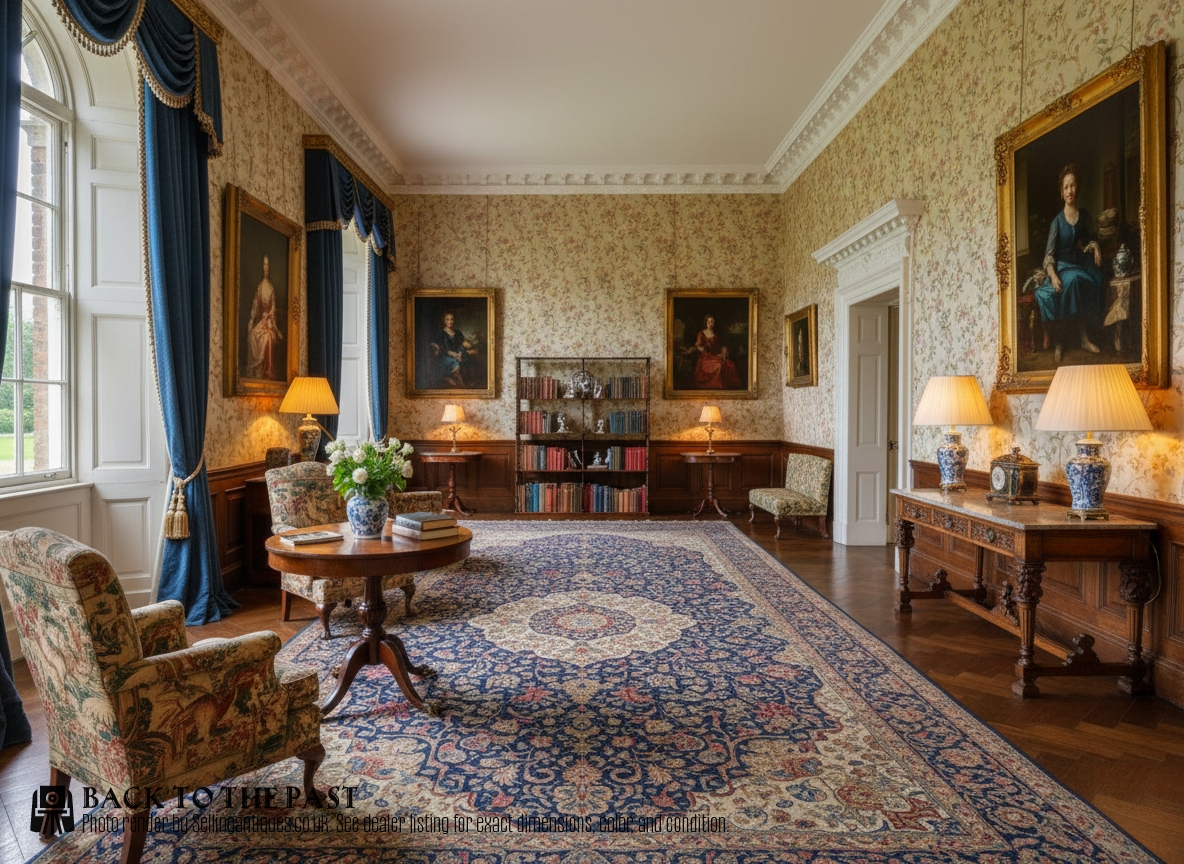
Victorian Wooden Wall Shelf
A victorian wooden wall shelf provides practical hanging storage for small objects, books or ornaments while adding architectural interest to a room. These pieces range from simple two-tier hanging boards to elaborate bracketed display ledges and cabinets.
The versions most common here are walnut, mahogany and oak wall shelves dating from the nineteenth century, often showing Victorian, Late Victorian or Gothic Revival stylistic details. They were designed to utilise vertical wall space in hallways, parlours and bedrooms.
Makers and workshops produced these shelves in various formats, including corner units, inlaid olive wood, satin birch tiers and mirrored combinations. Their survival reflects a Victorian taste for clutter-free surfaces achieved through clever wall-mounted storage.
How they were made
Makers utilised dense timbers such as walnut, mahogany, oak, rosewood and satin birch, frequently selecting them for their rich grain and colour. Pine and limewood served for simpler or painted domestic utility pieces.
Joinery methods combined solid wood construction with carved corbels, turned bobbin supports and precision inlay in olive wood or lighter contrasting veneers. Brass fittings and beveled mirror glass frequently supplemented the wooden framework.
Surface finishes relied on traditional polish and wax applications that enhanced the natural timber figures rather than heavy modern varnishes.
Listings feature woods spanning mahogany, walnut, oak, pine, rosewood, satin birch, limewood and olive wood.
What varies in quality
The distinction between standard domestic items and finer pieces lies in the crispness of the carving, the selection of timber veneers and the sophistication of the joinery. Superior examples display thoughtful proportions, balanced symmetry and harmonious grain matching.
Secondary elements such as original brass brackets, intact mirror bevels and delicate fretwork elevate a piece above utilitarian factory output. Simpler pine and oak versions rely entirely on honest construction and good proportions for their appeal.
The Victorian Wooden Wall Shelf Glossary
- Corbel
- A projecting bracket of wood or stone supporting a weight above. In wall shelves, they provide both structural strength and decorative carved detail.
- Girandole
- An ornamental bracket mirror with candle sconces attached. These reflect light and display small objects simultaneously.
- Overmantel
- A decorative panel, mirror or shelf placed directly above a fireplace mantelpiece. They often incorporate display ledges and elaborate wooden framing.
- Inlay
- A technique where pieces of contrasting wood, such as olive wood, are inserted into recessed cavities to create decorative patterns.
- Bobbin
- A turned wooden furniture detail resembling a string of spools or bobbins. It is frequently seen on nineteenth-century shelf supports and gallery rails.
Victorian Wooden Wall Shelf: Frequently Asked Questions
How do I hang a heavy wooden wall shelf safely?
Check the weight of the timber and locate the solid wall fixings behind your plaster before mounting. Use appropriate heavy-duty screws and wall plugs matched to the mounting brackets.
Ensure the hanging brackets or screw holes on the back of the shelf are secure and stable in the wood before trusting them with display items.
Were these shelves meant for books or ornaments?
Victorian households utilised wall shelves for both purposes depending on the room and the depth of the ledges. Narrow tiers held small decorative plates, figurines and glass, whilst deeper wall bookcases accommodated volumes.
Many surviving pieces feature mirror backs or cabinet doors, indicating they were intended for display rather than heavy reading matter.
How do I clean and maintain antique walnut and mahogany?
Dust the timber regularly with a soft, dry cloth to prevent grit from settling into the grain and carved crevices. Avoid modern silicone sprays that build up and attract dust over time.
Feed the wood occasionally with a traditional beeswax polish applied sparingly and buffed gently to maintain the natural lustre.
How do I tell a Victorian shelf from a later reproduction?
Examine the fixings, timber shrinkage and tool marks on the reverse and interior surfaces of the wood. Nineteenth-century pieces typically show hand-cut joinery, older brass screws and authentic patina.
Modern reproductions often use uniform machine-cut timber, modern adhesives and lack the subtle wear associated with decades of domestic use.