



Carved Oak Hanging Shelves
Carved oak hanging shelves bring rich grain and historical character straight to your walls, spanning robust seventeenth-century joinery to delicate arts and crafts designs.
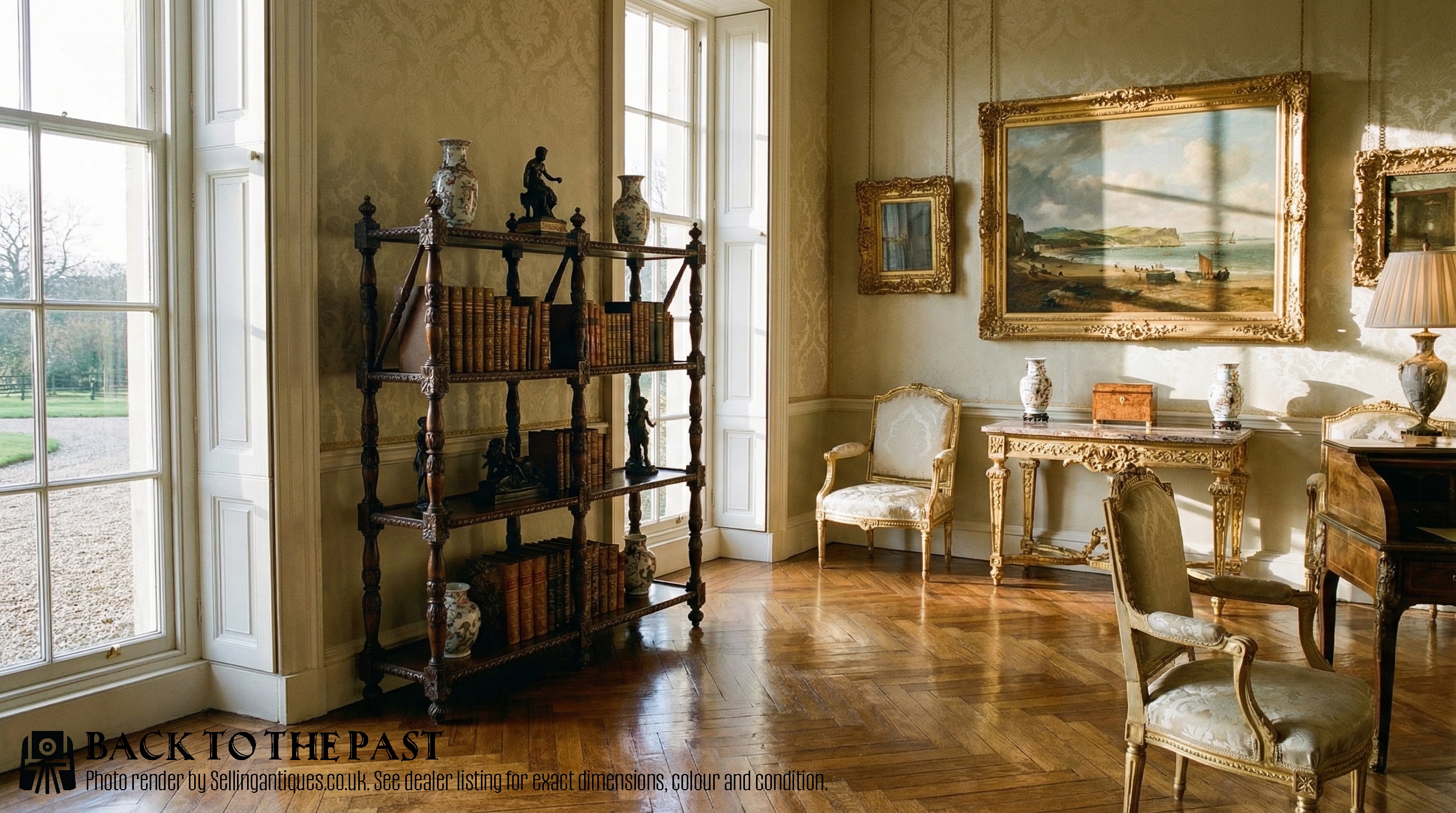
Carved Oak Hanging Shelves
Carved oak hanging shelves are wall-mounted storage pieces designed to display ceramics, books, or decorative objects while saving floor space. When you search for carved oak hanging shelves, you encounter sturdy wall cabinets, open plate racks, and multi-tiered display shelves spanning several centuries.
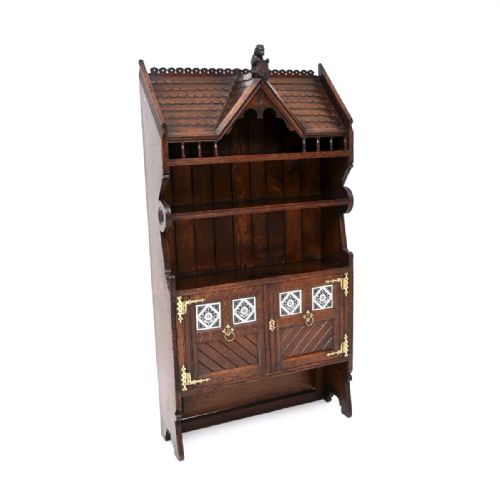
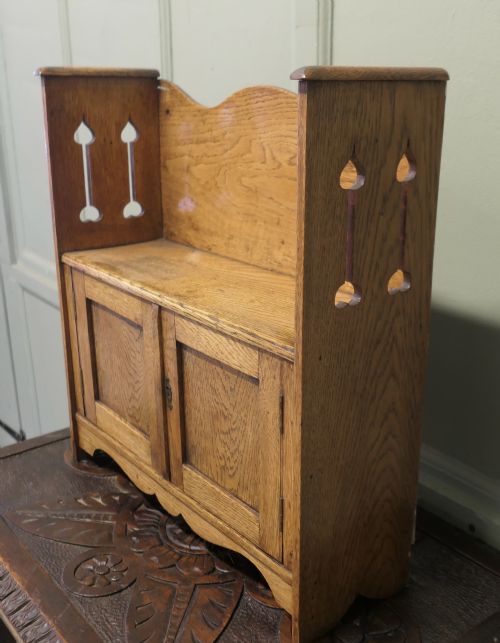
The majority of pieces you meet on this page hail from the nineteenth century, encompassing Victorian Gothic revival and arts and crafts movements alongside earlier eighteenth-century examples. These items appear in various formats, including corner cupboards, shaving mirrors with shelves, and grand overmantels.
Makers and regional workshops utilised dense timber to create functional wall furniture, ranging from simple provincial plates racks to intricate gothic bookcases. The enduring appeal lies in the combination of sculptural relief carving and practical vertical storage.
Materials and Construction
Makers constructed these wall fixtures primarily using solid oak, occasionally supplemented by secondary woods like beech and mahogany for internal structure or mouldings. Joinery relied on traditional pegged mortise and tenon joints to bear the weight of stacked ceramics and books securely.
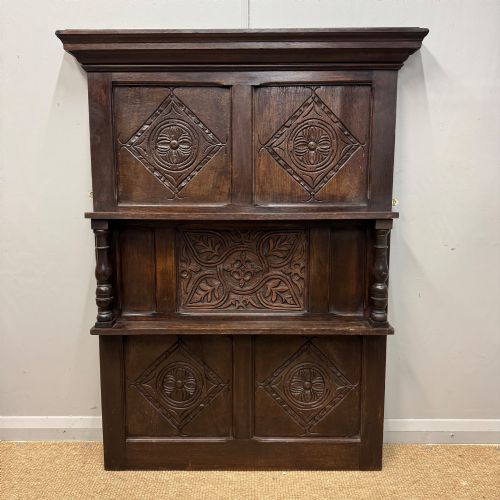
Surface decoration frequently involved deep chip carving, pierced fretwork, and applied architectural mouldings reflecting gothic revival or renaissance styles. Metal hardware, including brass hinges and hanging brackets, provided functional support while complementing the dark patinated timber.
Carved Oak Hanging Shelves Retail Price Guide 2026
Typical asking prices for carved oak hanging shelves among the pieces listed under this phrase on Sellingantiques today, from the lower quarter to the upper quarter. They describe what is for sale here now, not the wider market.
Some nineteenth-century bathroom cabinets doubled as shaving mirrors, proving that Victorians took their morning grooming routine with a side of gothic gravitas.
Judging Quality and Craftsmanship
Quality in these wall fixtures reveals itself through the crispness of the hand-carved relief work and the selection of figured timber grain. Superior examples display thoughtful proportions, integrated crestings, and robust structural integrity where the sides meet the backboards.
Lesser pieces often show mechanical regularity in their ornamentation or later alterations to the hanging mechanisms. The distinction rests on the depth of the carver's skill and the preservation of the original surface patina across the oak boards.
John Moyr Smith
The Carved Oak Hanging Shelves Glossary
- Overmantel
- A decorative structure designed to hang on the wall directly above a fireplace mantelpiece. These often incorporate mirrors, small display shelves, and carved wooden panels.
- Delft Rack
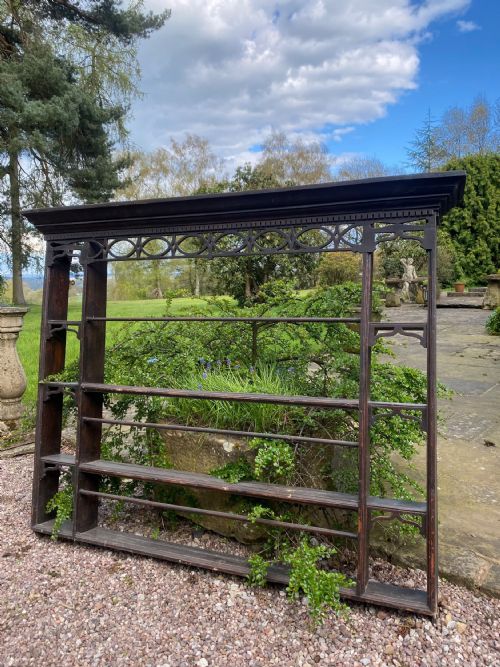
- A specialised wall-mounted plate rack featuring narrow shelves and plate grooves designed to display tin-glazed earthenware safely. Eighteenth-century versions typically showcase simple plank construction with shaped friezes.
- Gothic Revival
- An architectural and decorative style drawing inspiration from medieval buildings. Pieces from this period incorporate pointed arches, trefoils, and heavy relief carving.
- Patina
- The surface sheen and deep coloration developed by wood over centuries of exposure to light, air, and handling. This aged appearance is a primary indicator of authenticity.
Carved Oak Hanging Shelves: Frequently Asked Questions
How do I hang antique oak shelves safely?
Heavy antique wall fixtures require secure fixing directly into masonry or robust wall studs using appropriate steel brackets rather than relying on old brass loops alone. Because centuries-old oak carries considerable weight, professional installation ensures the piece remains stable.
Distributing the load evenly across the mounting points protects both the historic timber frame and your wall plaster from sudden strain.
Were these shelves meant for plates or books?
Depending on their depth and the presence of plate grooves, these pieces served distinct domestic purposes in historic homes. Shallower tiers accommodated delftware and ceramics, while deeper open bookcases held leather-bound volumes.
Examining the spacing between the boards reveals whether the maker intended the furniture for display or heavy storage.
How do I tell an 18th-century rack from a Victorian copy?
Eighteenth-century examples typically display hand-sawn board marks, pegged joints, and uneven shrinkage in the timber grain. Victorian pieces inspired by earlier styles often utilise machine-cut elements and standardised screws.
Looking closely at the backboards and nail types provides clear clues regarding the true age of the construction.
How should I clean carved oak woodwork?
Maintain the surface by dusting gently with a dry, soft cloth to prevent particulate buildup within the carved recesses. Avoid modern liquid polishes, which can accumulate in the grain and darken the historic finish over time.
Applying microcrystalline wax occasionally helps nourish dry oak and preserves the natural sheen of the patina.