





Virgin Mary Child Painting
These virgin mary child painting works capture sacred devotion across centuries, offering buyers rich historical depth and enduring artistic mastery.
Virgin Mary Child Painting
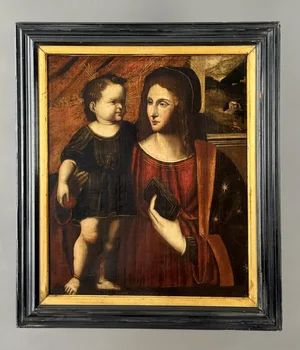
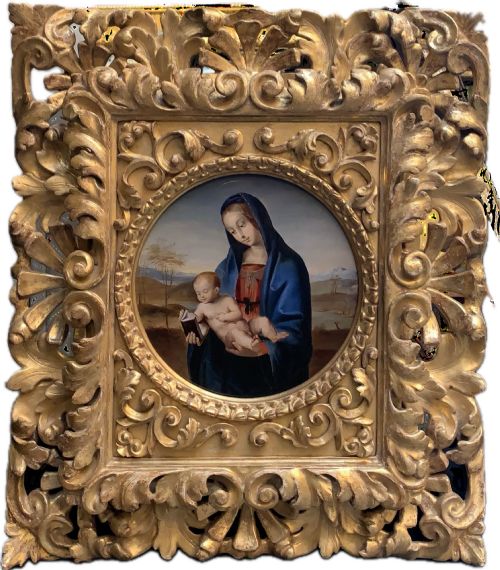
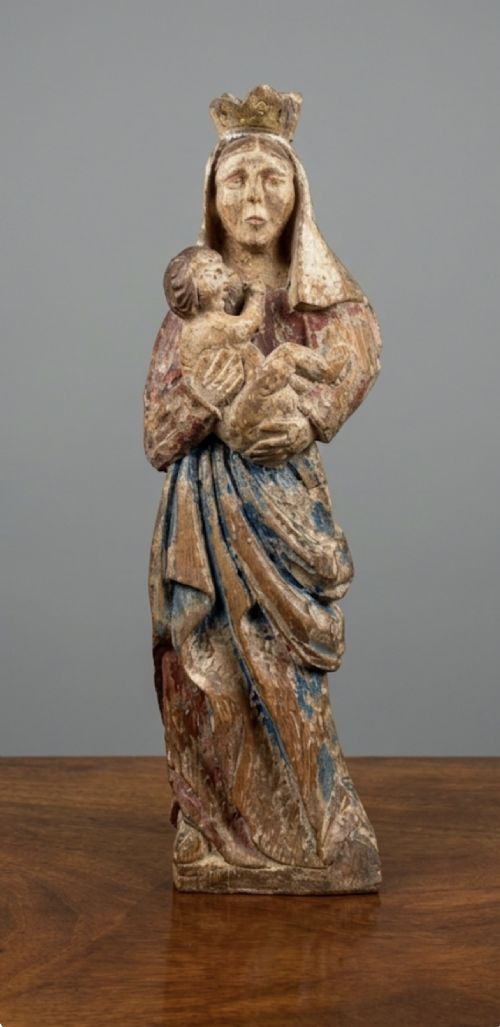
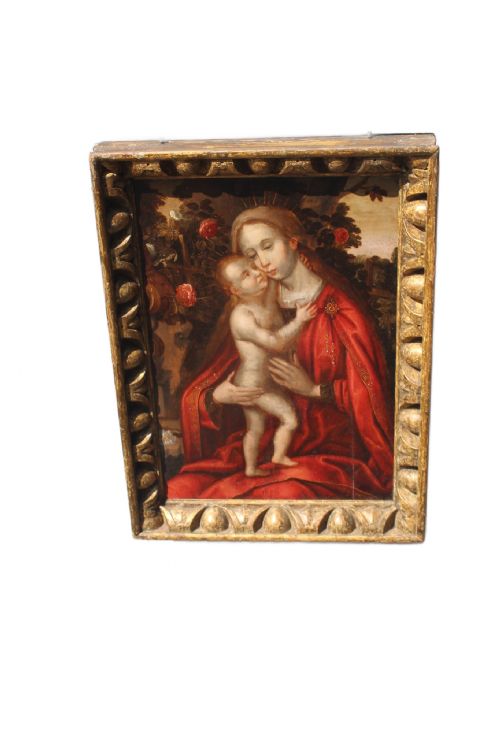
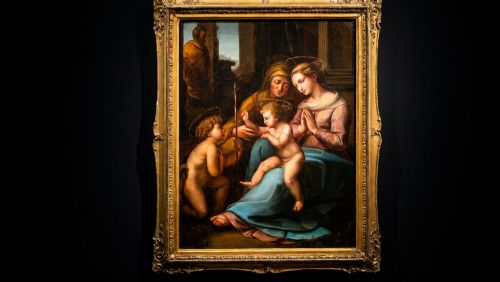
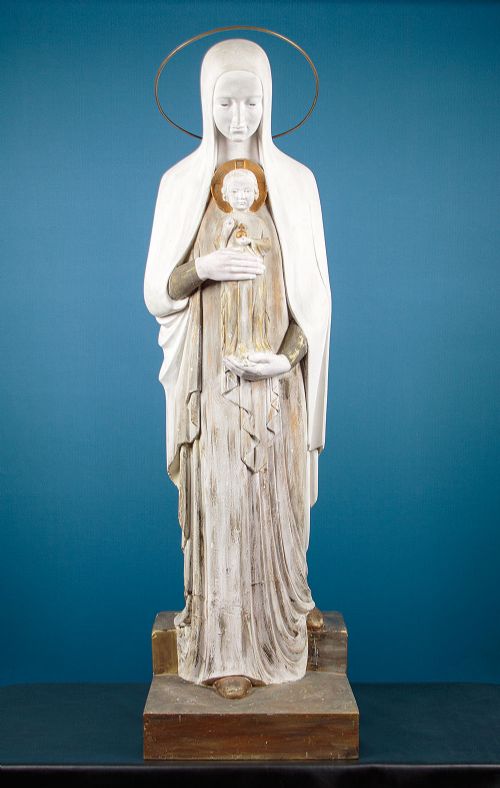
When searching for a virgin mary child painting, collectors encounter diverse interpretations spanning the sixteenth century to the mid twentieth century. The selection ranges from oil on canvas and oil on panel to carved wood figures, ceramic devotional plaques, and Russian icons.
Most pieces on this page reflect Italian Renaissance and Baroque traditions, frequently following master compositions such as Raphael or Murillo. Alongside canvas paintings, buyers discover framed prints and sculptural representations of Mary and the infant Christ.
Origins vary from specific schools like the Italian Renaissance and Northern Renaissance to broader European periods. These devotional works serve as both historic fine art and tangible expressions of centuries-old religious iconography.
How they were made
Makers utilised traditional mediums such as oil paints applied to prepared canvas or wooden panels, often incorporating gold leaf and gesso details to highlight sacred figures. Sculptural pieces involve carved wood, sometimes painted or housed within protective metal oklads.
The technique relies on layered oil glazes to achieve depth in drapery and flesh tones, reflecting the stylistic methods of Renaissance and Baroque workshops. Panel paintings employ seasoned timber supports, while canvas works utilise woven textile grounds.
Several pieces feature very small angels peering over the shoulder of the Madonna, watching the holy scene unfold with silent curiosity.
What varies in quality
The standard of execution depends heavily on the skill of the circle or follower producing the work, distinguishing careful interpretations from simpler decorative pieces. Finer examples display subtle handling of light and expression, particularly in the rendering of faces and hands.
Material preservation also defines the tier of a piece, with intact original panels, unlined canvases, and well-preserved gilding commanding greater appreciation. The integrity of the surface layers and the subtlety of the colour palette separate masterwork tributes from standard period copies.
The Virgin Mary Child Painting Glossary
- Oil on panel
- A painting executed on a flat wooden support rather than fabric. This substrate was favoured in earlier centuries before canvas became dominant.
- Gesso
- A plaster mixture used as a smooth base on wood or canvas before applying paint or gold leaf. It provides a stable foundation for fine artistic detail.
- Oklad
- A metal protective cover placed over an icon, leaving only the faces and hands visible. These decorative plaques are often embossed or chased.
- Devotional plaque
- A small portable religious artwork intended for private prayer or domestic worship. They appear in ceramic, wood, or metal.
- Baroque
- An artistic style characterised by dramatic movement and deep chiaroscuro lighting. It succeeded the Renaissance and influenced numerous religious paintings.
Virgin Mary Child Painting: Frequently Asked Questions
How do I date a religious painting?
Dating relies on examining the support materials, such as canvas weave or panel construction, alongside stylistic indicators of the period. Pigment analysis and frame style also provide clues to the age of the work.
Comparative study with known school works helps narrow down the century of creation, though many pieces remain tributes created by later followers.
What does after Raphael mean?
This attribution indicates that the work is a later painted copy or interpretation of a famous composition by the Renaissance master Raphael. Such pieces were frequently produced by followers or students to study technique.
These interpretations allowed owners to possess representations of celebrated masterworks within their own domestic spaces.
Are these paintings original antiques?
The inventory consists of period works spanning from the sixteenth century through the nineteenth and twentieth centuries. Each listing specifies the estimated era based on stylistic and physical evidence.
Buyers find both sixteenth-century works and later nineteenth-century interpretations reflecting earlier Renaissance ideals.
How should I display a panel painting?
Wooden panel paintings require stable environmental conditions with controlled humidity to prevent warping or cracking of the wood. Keeping them away from direct sunlight and heat sources preserves the oil pigments and gesso foundations.
Proper framing supports the weight of the panel and protects the edges from physical damage.