

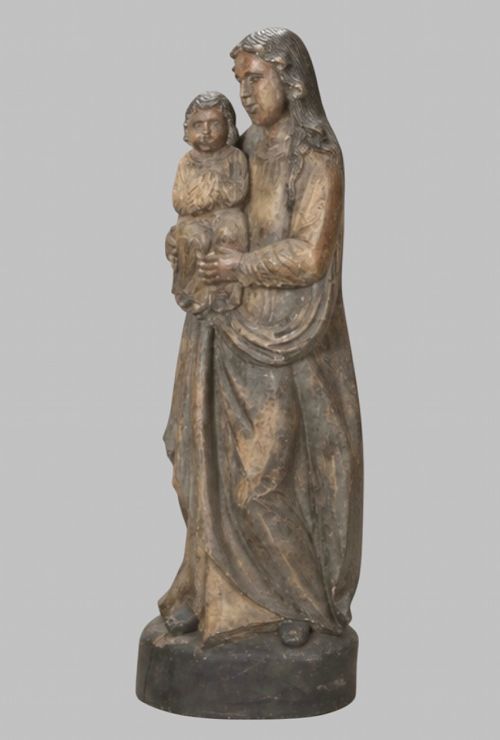
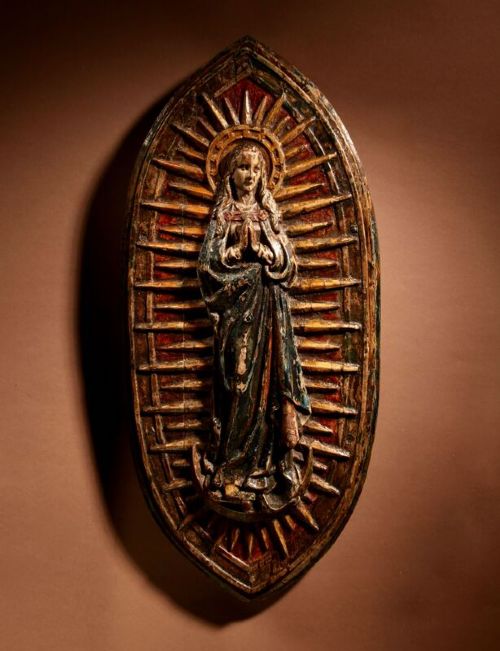

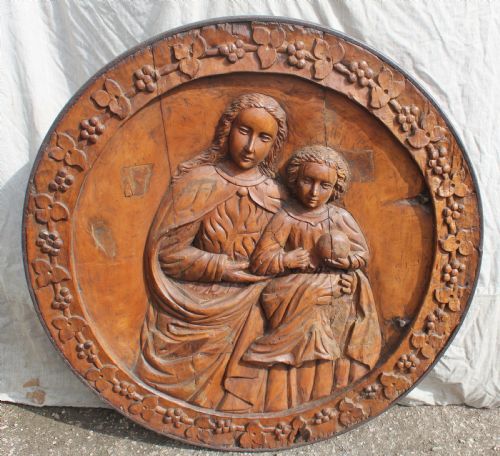


Virgin Mary Carving
When you handle a virgin mary carving, you hold centuries of devotion rendered in timber, gold and metal.
Virgin Mary Carving
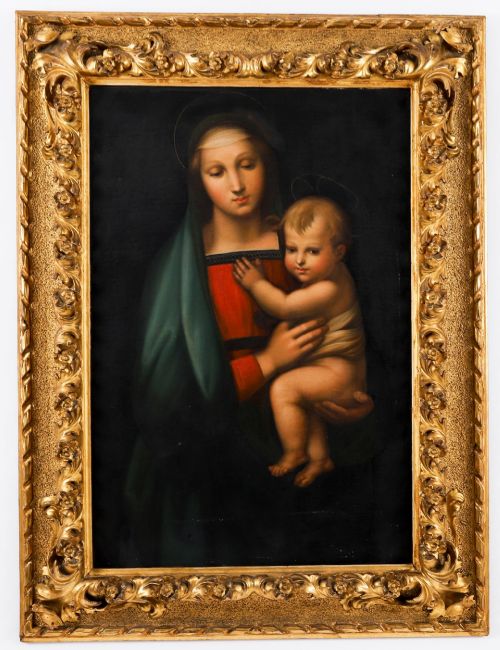
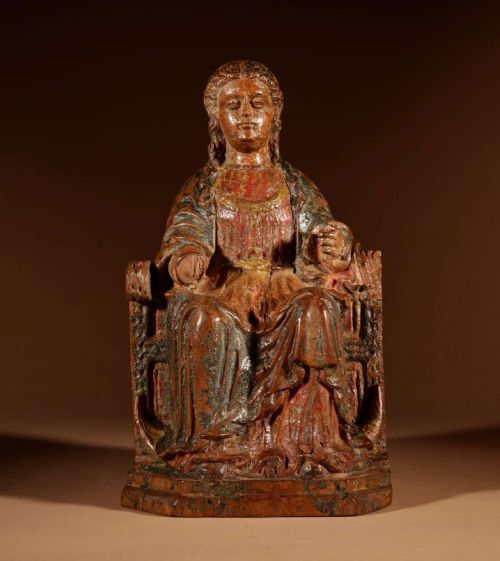
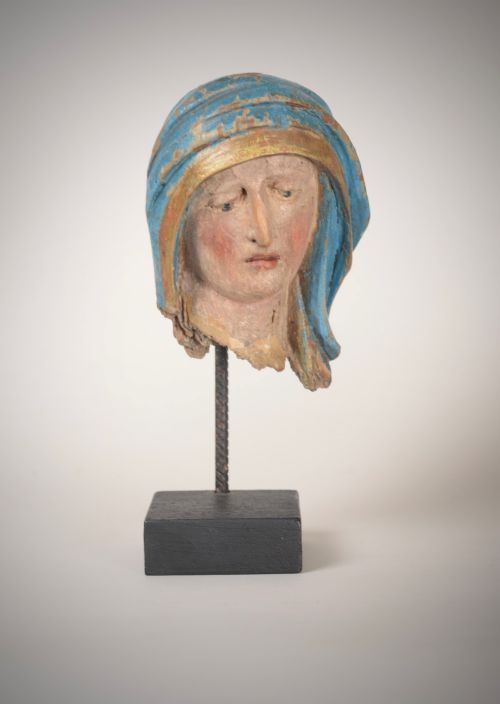
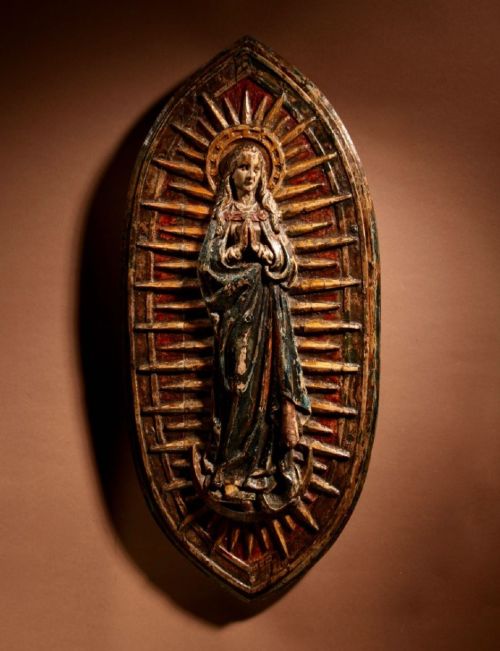
A virgin mary carving brings centuries of religious devotion into domestic and sacred spaces through sculptural and painted forms. Buyers examine diverse representations ranging from medieval oak panels to delicate modern gold charms.
The selections span significant historical movements including Gothic, Renaissance and Baroque interpretations. Pieces appear as substantial wall sculptures, freestanding statues and small personal pendants worn close to the body.
Earlier examples often originate from altarpieces and church furnishings, whilst later iterations include domestic shrines and wearable jewellery. Oak, walnut and lime feature prominently alongside precious metals and mother of pearl.
How they were made
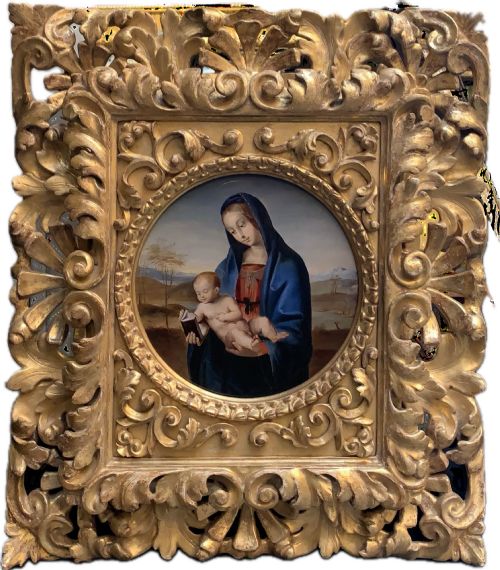
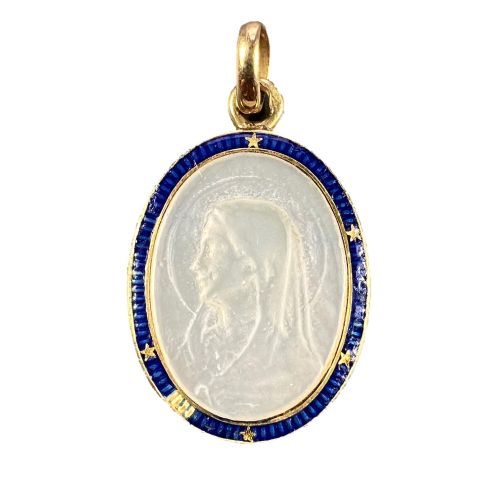
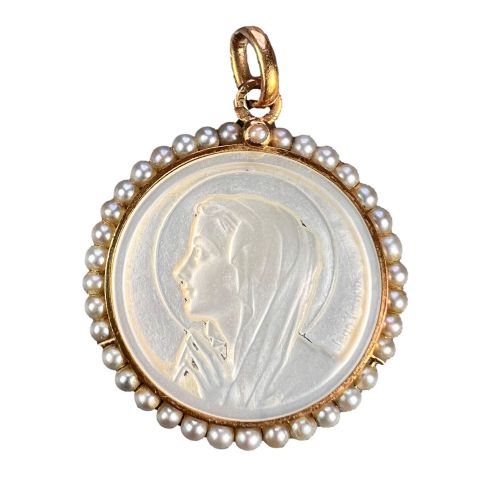
Jewellery makers utilised eighteen carat yellow, white and rose gold to mount carved mother of pearl plaques, frequently incorporating enamel details. Painters applied oil on panel to capture devotional portraits in the manner of established European schools.
Virgin Mary Carving Retail Price Guide 2026
Typical asking prices for virgin mary carving among the pieces listed under this phrase on Sellingantiques today, from the lower quarter to the upper quarter. They describe what is for sale here now, not the wider market.
Listings feature oak, walnut, lime and applewood alongside eighteen carat gold and mother of pearl.
What varies in quality
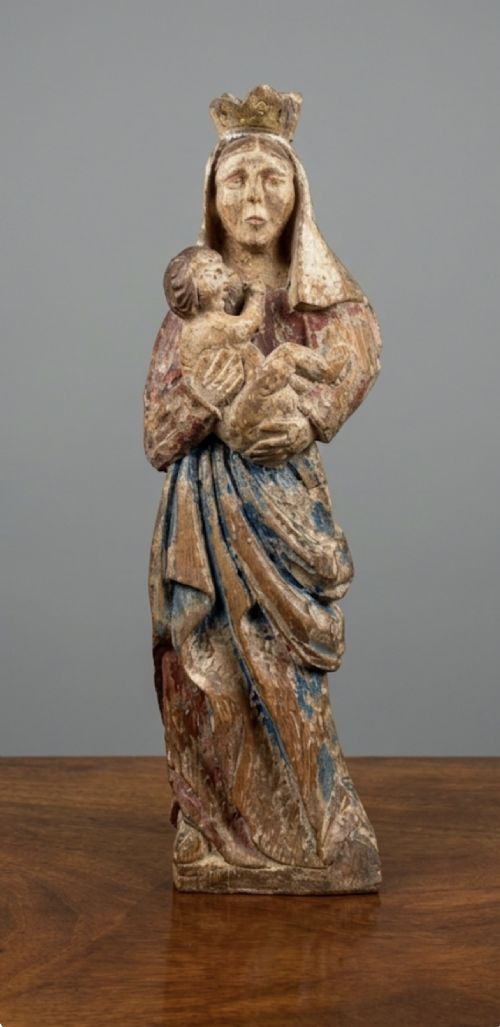
The preservation of original surface treatments, such as polychrome pigment, gesso and gilding, heavily influences the character of older wooden works. Jewel-grade examples rely on the precision of the metalwork and the iridescence of the carved mother of pearl.
Benvenuto Tisi·Juan Ruiz Soriano·Ambrious Benson·Becker·Perriat
The Virgin Mary Carving Glossary
- Polychrome
- Painted in several colours. This surface treatment brings depth and realism to carved wooden devotional figures.
- Gesso
- A plaster mixture used as a base for paint or gold leaf on wood. It provides a smooth surface for detailed decoration.
- Giltwood
- Wood that has been covered with a thin layer of gold leaf. It creates a luminous appearance under candle or natural light.
- Pieta
- A subject depicting the Virgin Mary supporting the dead body of Christ. These sculptures convey intense emotional grief.
- Altarpiece
- A structure set behind an altar, often featuring carved panels. Central panels frequently depict significant religious figures.
Virgin Mary Carving: Frequently Asked Questions
How do I date an old wooden carving?
Examine the tool marks, timber species and style of the drapery to ascertain the period. Oak and walnut were common in earlier centuries, whilst changes in artistic conventions help narrow down the decade of production.
Compare the piece with documented examples from similar European regions and workshops. Patina and wear patterns also offer clues regarding the age and history of the object.
Were these pieces used in homes or churches?
Many larger sculptures originated as altarpieces or architectural elements within religious institutions. Smaller carvings and pendants served personal devotional practices in domestic settings.
Over time, numerous ecclesiastical objects transitioned into private collections and homes. Personal charms and medals were designed specifically for individual wear and private prayer.
How should I care for antique wood and gold?
Keep wooden sculptures away from direct heat sources and dramatic humidity fluctuations to prevent splitting. Dust gently with a dry, soft cloth without applying modern chemical polishes.
Protect gilded surfaces and delicate paint from abrasion and moisture. Jewellery pieces benefit from secure storage away from other metal items to avoid scratching the gold and mother of pearl.
What is the significance of the snake and half moon?
Iconographic elements like the snake and half moon reference biblical imagery associated with the Madonna. These symbols frequently appear in medieval and Gothic representations of the Virgin.
Artists included these details to communicate theological narratives about purity and victory over evil. Their presence helps identify specific thematic types within religious art.