



Vintage Woven Ottoman
These vintage woven ottoman pieces bring together traditional textile arts and sturdy timber frames for versatile placement in any room.
Vintage Woven Ottoman
A vintage woven ottoman encompasses a diverse selection of floor coverings, rugs, carpets, and seating forms that rely on textile weaving and natural materials. Buyers searching this phrase encounter everything from low footstools and daybeds to large carpets originating from Anatolia, Turkey, and the Balkans.
The most common items meeting this description on this page are hand-knotted and flat-woven rugs alongside wooden stools featuring woven cane or rattan seats. These pieces span from the mid-nineteenth century through to the early twentieth century, reflecting varied regional weaving traditions and period furniture styles.
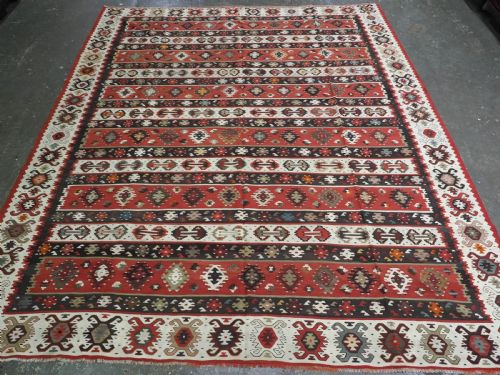
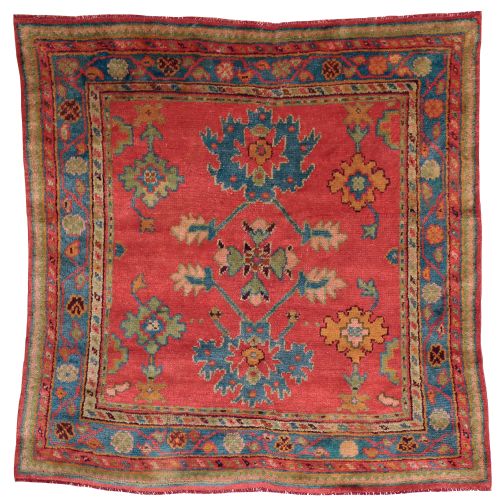
Textiles include Ushak, Ghiordes, Milas, Ladik, and Sarkoy kilims alongside structural items in oak, mahogany, and ebonised wood. Each object demonstrates a distinct regional aesthetic, whether through the geometric patterns of Balkan folk art or the classic medallion designs of Turkish carpets.
How they were made
Construction relies on natural organic materials combined with traditional hand-weaving and joinery techniques. Wood frames utilise oak, mahogany, teak, and ebonised timber, while seating surfaces and floor coverings employ wool, cotton, cane, and rattan.
Weavers produced carpets and flat-weaves using hand-knotted piles or flat-stitch kilim methods, incorporating natural dyes for lasting colour. Furniture makers shaped solid timber into stools and daybeds, integrating woven cane panels or tapestry panels directly into the wooden framework.
Vintage Woven Ottoman Retail Price Guide 2026
Typical asking prices for vintage woven ottoman among the pieces listed under this phrase on Sellingantiques today, from the lower quarter to the upper quarter. They describe what is for sale here now, not the wider market.
The selection includes both flat-woven kilims from Sarkoy and Thracian regions alongside knotted-pile carpets from Ushak and Ghiordes.
What varies in quality
Quality in these pieces depends on the tightness of the weave, the intricacy of the design, and the integrity of the structural frame. Finer weaves and well-preserved pile surfaces distinguish superior rugs and carpets from simpler utilitarian floor coverings.
For wooden seating and daybeds, the grade of timber and the preservation of the original cane or woven rattan determine the overall standard. Pieces retaining their original materials without extensive modern replacement demonstrate higher integrity.
Simpson Kendall·Tuduc
The Vintage Woven Ottoman Glossary
- Kilim
- A flat-woven carpet or rug made without a pile, produced in regions including the Balkans and Anatolia. These textiles feature distinct geometric patterns formed by interlocking weft threads.
- Ushak
- A type of carpet originating from the town of Ushak in western Turkey, known for large-scale floral and medallion motifs. They often utilise a soft wool pile on a wool foundation.
- Cane
- Strips of peeled rattan or bamboo woven into an open mesh pattern for chair seats and stool tops. This material provides a lightweight yet durable surface.
- Prayer rug
- A small rug featuring a mihrab or arch design at one end, traditionally used for daily prayers. These pieces often display specific regional iconography and borders.
Vintage Woven Ottoman: Frequently Asked Questions
How do I clean a vintage woven ottoman rug?
Gentle surface brushing and professional specialist cleaning preserve the natural wool and cotton fibres without damaging the traditional weave.
Avoid harsh chemical treatments or excessive water immersion to maintain the integrity of natural dyes.
Where should I place a cane footstool?
These low stools function well as casual seating or footrests in living areas, bedrooms, and studies alongside period furniture.
Keep them away from direct heat sources and strong sunlight to prevent the dry cane from becoming brittle.
How do I identify a Sarkoy kilim?
Sarkoy kilims originate from the Balkans and typically display banded designs or specific regional motifs woven in flat-stitch techniques.
Examining the weave structure and colour palette helps distinguish them from Anatolian equivalents.
Can I use an antique carpet as a floor covering?
Many nineteenth and early twentieth-century carpets withstand normal foot traffic when placed in low-impact areas or over a quality underlay.
Large carpets anchor room schemes while smaller prayer rugs suit display spaces where wear is minimal.