

Vintage Woven Armchair
When you choose a vintage woven armchair, you bring home a seat shaped by cane, rush, and wickerwork traditions from the nineteenth and twentieth centuries.
Vintage Woven Armchair
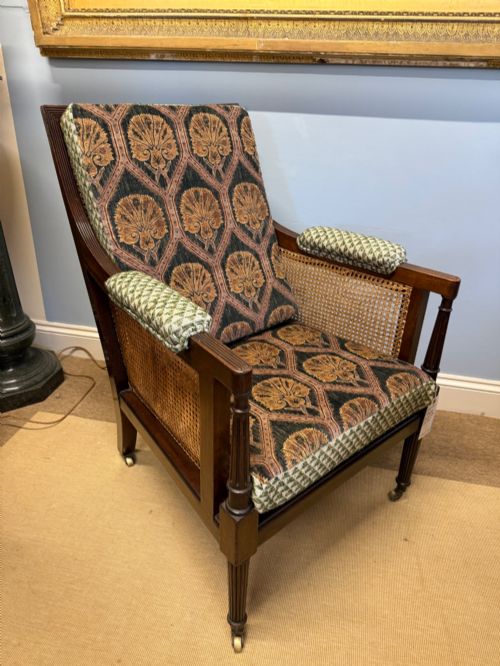
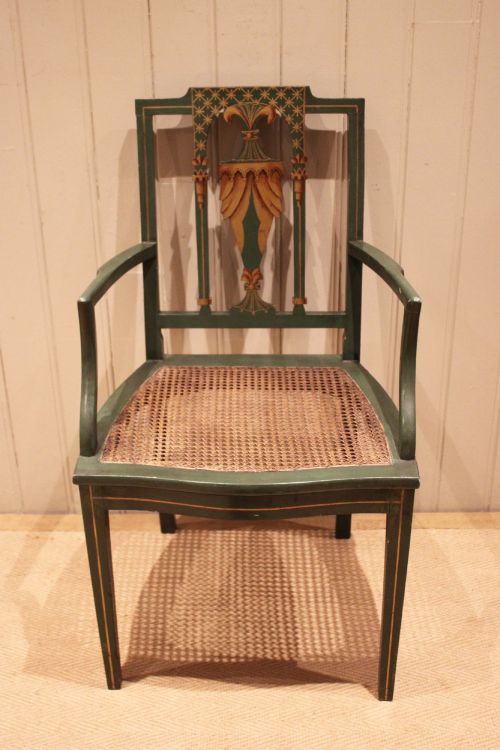
A vintage woven armchair combines a wooden framework with flexible plant materials worked into seats, backs, or panels. The selection spans periods from the nineteenth century through the 1930s, encompassing Arts and Crafts, Art Deco, Regency, and Edwardian aesthetic streams.
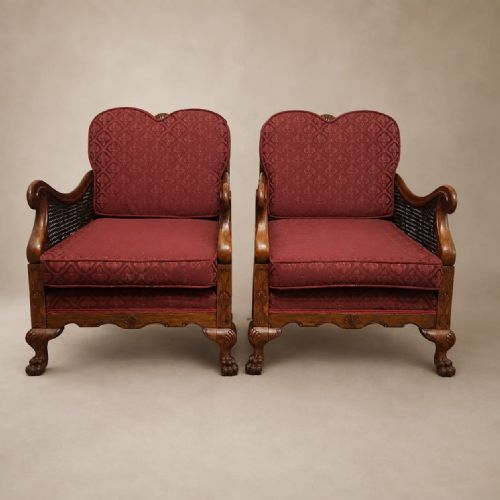
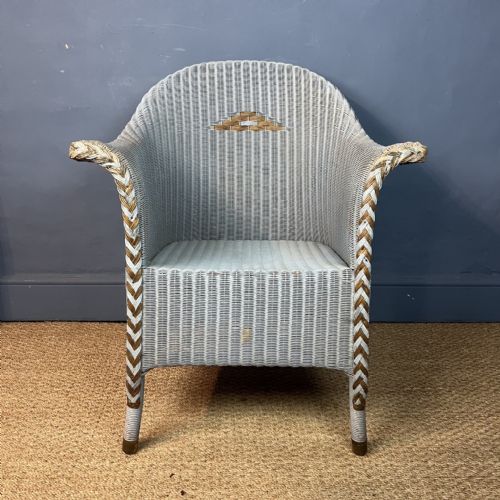
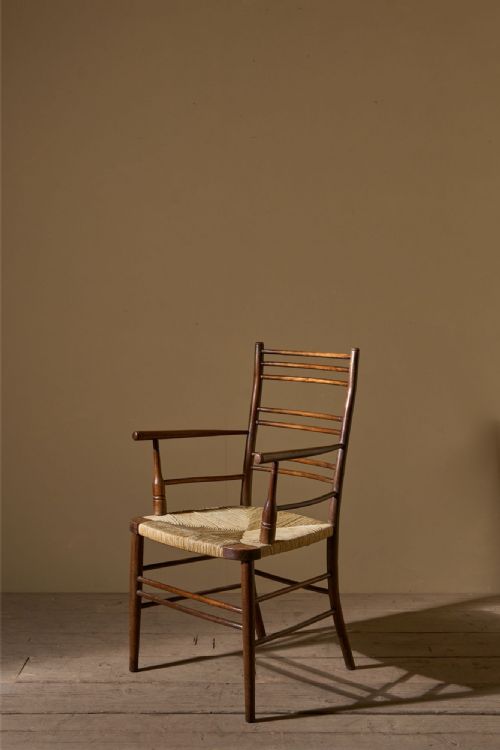
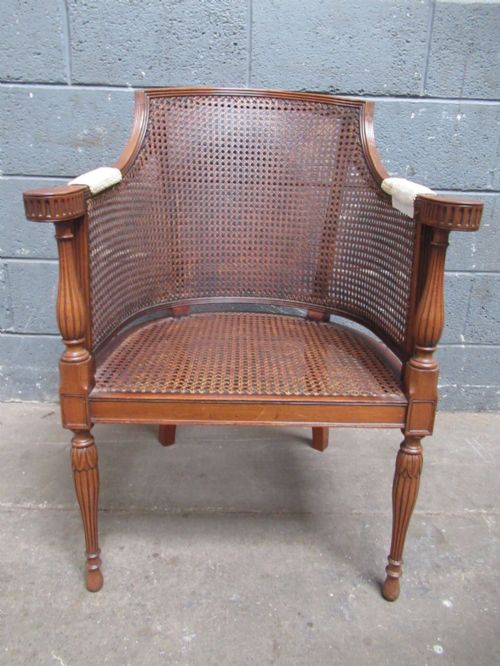
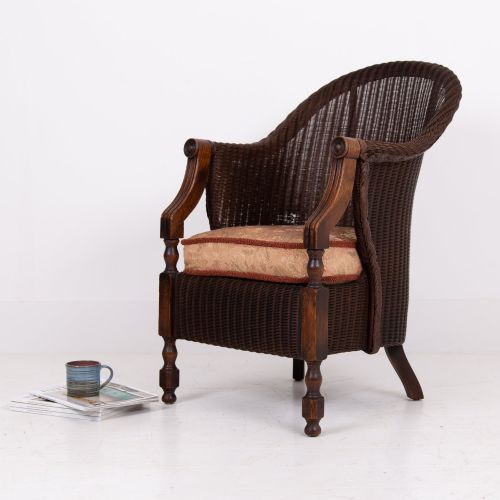
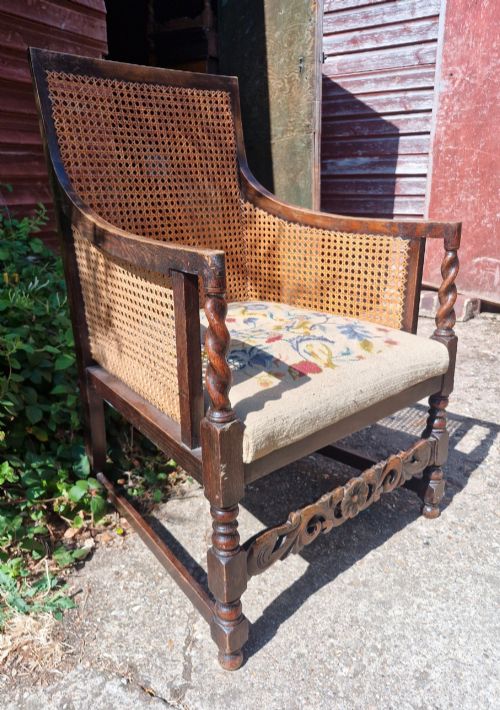
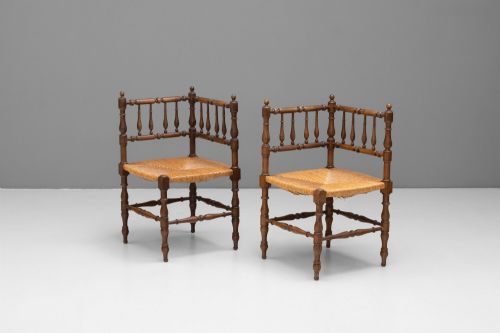
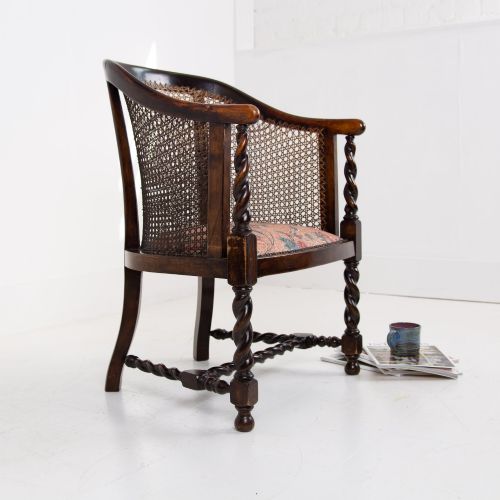
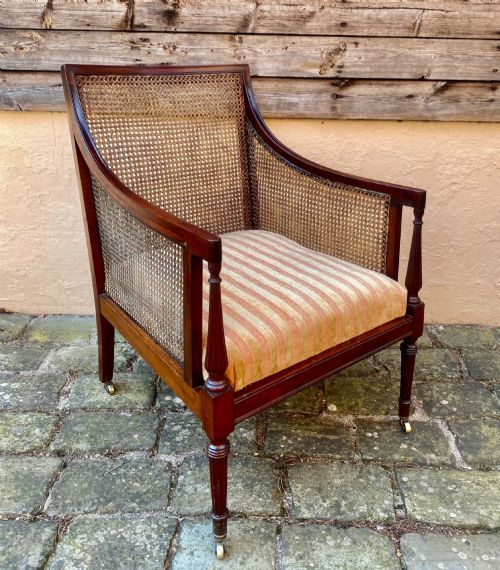
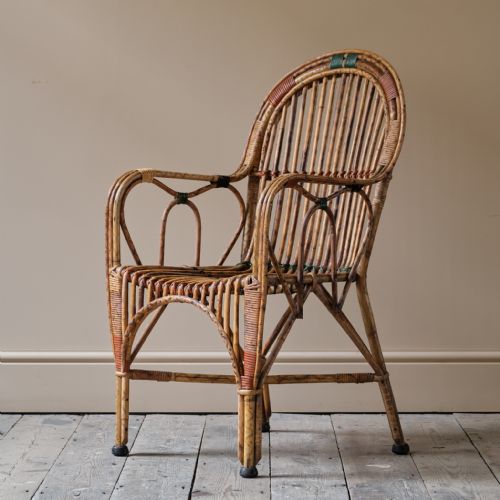
The most common formats on this page are bergere chairs with cane panels, rush-seated ladderbacks, and wicker or rattan lounge models. Frameworks range from oak and mahogany to walnut and bentwood, reflecting both vernacular domestic craft and formal cabinetmaking.
Origin points vary widely, including English workshops, continental European makers, and Anglo-Indian colonial production. Buyers encounter everything from light garden room chairs to heavy library armchairs and rocking chairs.
How they were made
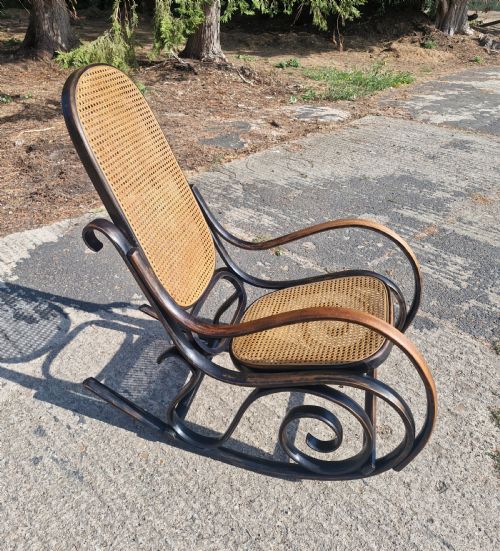
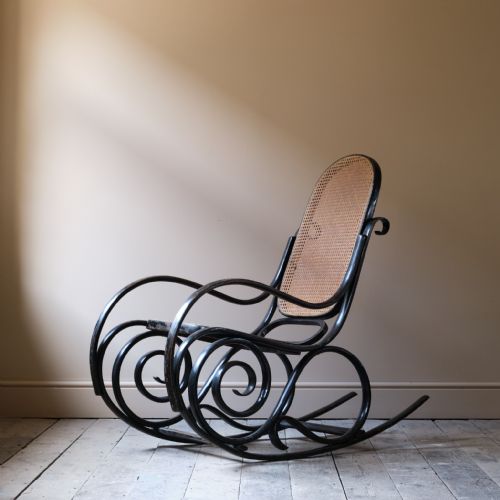
Makers constructed the structural frames from timbers such as oak, mahogany, walnut, teak, and ebony, utilising traditional joinery like mortise and tenon. Steam-bending was employed for curved components such as bentwood rocking frames and tub chair rails.
The woven elements rely on natural materials including split cane, rattan, wicker, and rush. Artisans threaded, plaited, or pinned these plant fibres directly into drilled holes or wooden grooves within the chair frames to create supportive, resilient seating surfaces.
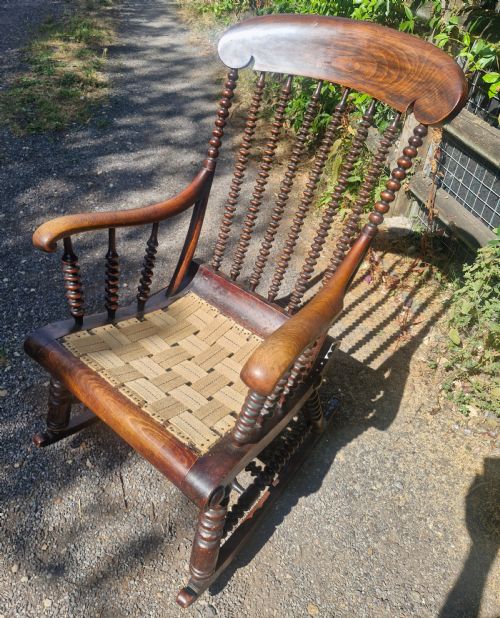
Several armchairs are recorded as rocking chairs, proving that previous generations also enjoyed a gentle back-and-forth motion while seated.
What varies in quality
Quality rests upon the integrity of both the timber frame and the woven web. Superior examples demonstrate tight, uniform weaving tension and substantial framing timbers that support weight without flexing.
Design ambition and finish also separate categories. Hand-carved details, maker signatures, and refined proportions distinguish bespoke studio pieces from standard commercial production.
Liberty Morris And Co·Lloyd Loom·Angraves Of Leicester·Dryad Of Leicester·Heals Of London·Morris And Co
The Vintage Woven Armchair Glossary
- Bergere
- An upholstered or caned armchair with enclosed sides, popular in various forms from the eighteenth century onwards. The wooden frame typically holds woven cane panels on the back and arms.
- Rush
- Marsh grass twisted into cords and used for seating. It provides a durable, traditional woven surface found frequently on Arts and Crafts and vernacular chairs.
- Cane
- The outer bark of the rattan palm split into thin strips for weaving. It offers a flexible and breathable surface for chair seats and backs.
- Bentwood
- Wood shaped by applying steam to make it pliable. This technique allows manufacturers to create sweeping, continuous curves without heavy joints.
Vintage Woven Armchair: Frequently Asked Questions
How do I care for cane seats?
Keep woven plant materials hydrated by wiping them occasionally with a damp cloth to prevent the fibres from becoming brittle.
Avoid placing these chairs near direct heat sources or in overly dry rooms, which can cause the cane or rush to snap.
Are these chairs comfortable for daily use?
Many designs incorporate angled backs, arms, and flexible woven panels intended to distribute weight naturally.
Adding a loose cushion can further soften the seat for extended reading or relaxation periods.
How do I identify an Arts and Crafts chair?
Look for honest construction methods, exposed joinery, and materials like oak paired with rush or simple wickerwork.
These pieces prioritise utilitarian function and straightforward craft over ornate decorative carving.