


1930s Wooden Armchair
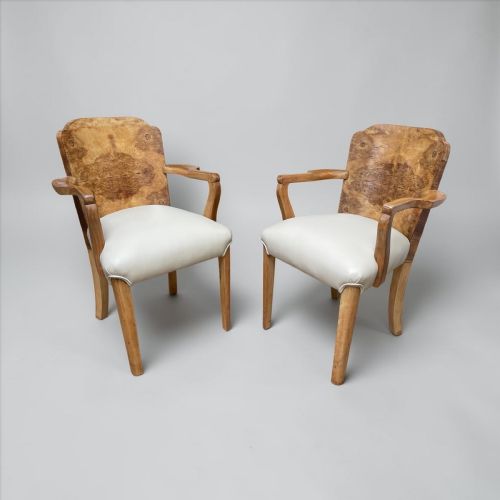
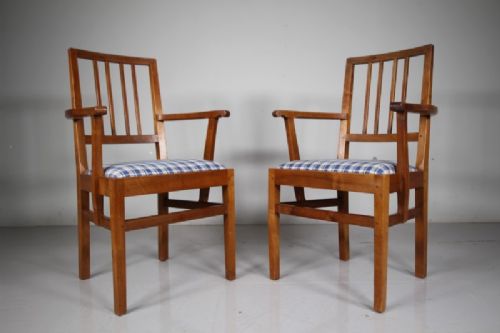
A 1930s wooden armchair brings tangible interwar character into a room through honest joinery and varied timber grains.
1930s Wooden Armchair
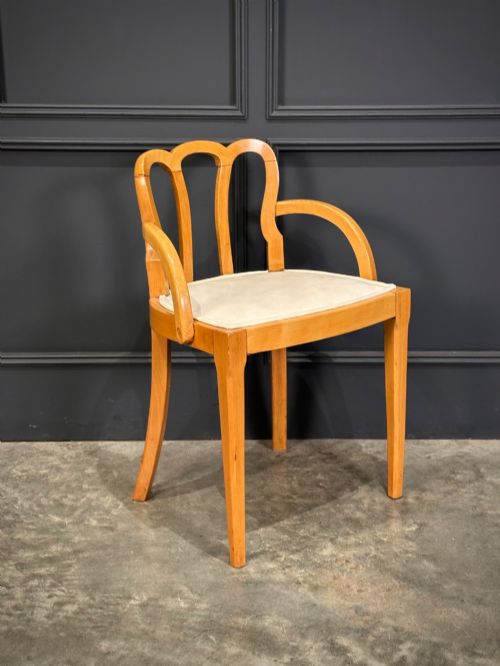
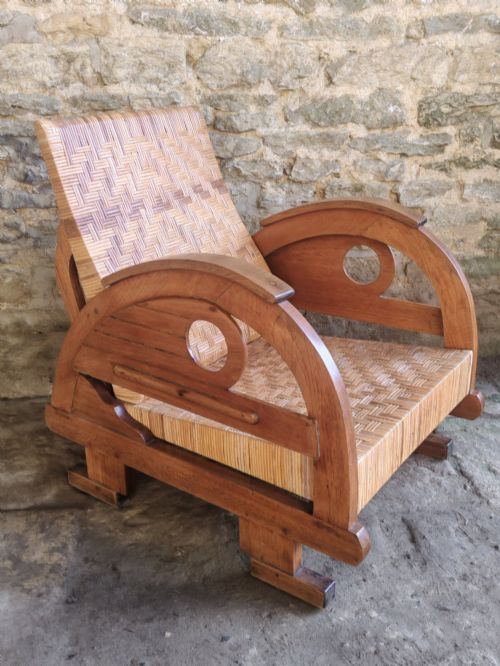
When searching for a 1930s wooden armchair, buyers encounter seating shaped by the interwar period, alongside earlier influences from the 1920s. These pieces span distinct forms, including lounge chairs, rocking chairs, occasional chairs, and garden armchairs.
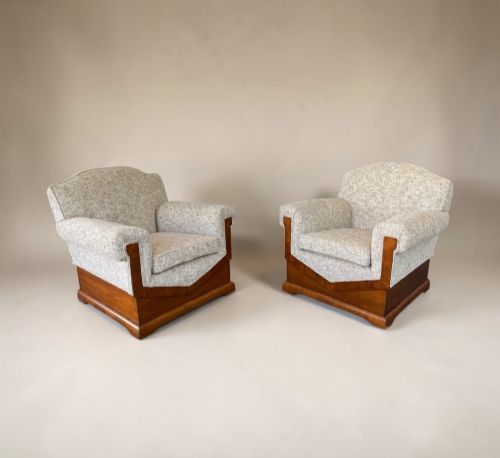
The selections available on this page lean heavily towards Art Deco designs and Arts and Crafts principles, often found in pairs. Alongside these, specific variants like Windsor rocking chairs and French bridge chairs appear within the wood and textile groupings.
How they were made
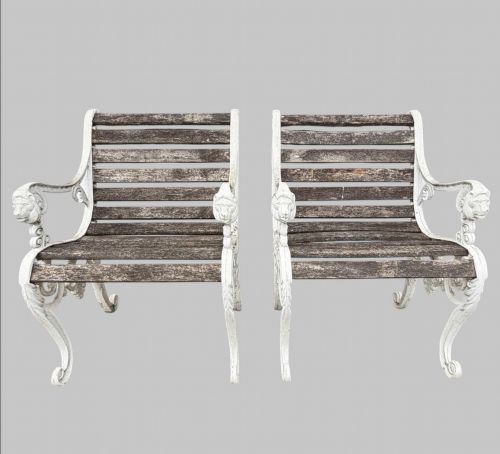
Makers utilised solid timbers such as oak, walnut, burr walnut, beech, and satinwood to construct the frames of these armchairs. Cast iron also forms the structure for specific outdoor garden variants.
Upholstery and seating surfaces incorporate leather, fabric, textile, and rattan elements fastened to the wooden frameworks. Stamped maker details and studio origins indicate specific workshop production methods.
A cast iron garden armchair watches over the lawn with a fierce lion mask frozen mid-roar.
What varies in quality
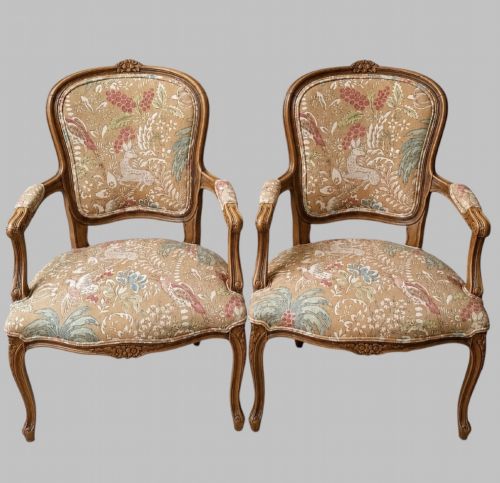
Quality differences emerge through the selection of timber veneers and solid woods, where figured burr walnut or satinwood sits apart from standard framing stock. The complexity of the carving and the fidelity to Art Deco or Neo-Rococo styling further separate standard examples from finer commissions.
Workshop attribution plays a role, with stamped pieces by known makers such as Edward Barnsley or items originating from the St Ives studio carrying distinct craft credentials compared to unbranded domestic production.
Edward Barnsley·St.Ives Studio·Dicon Nance
The 1930s Wooden Armchair Glossary
- Art Deco
- A design style characterised by sleek geometric lines and stylised ornamentation prevalent during the interwar period. It influences many lounge and occasional chairs from this era.
- Arts and Crafts
- A movement prioritising traditional craftsmanship and visible construction methods using honest materials. This approach is evident in oak open armchairs bearing studio marks.
- Burr Walnut
- A prized wood veneer showing intricate, swirling grain patterns formed from tree growths. It provides a highly decorative surface on cabinetwork and chair frames.
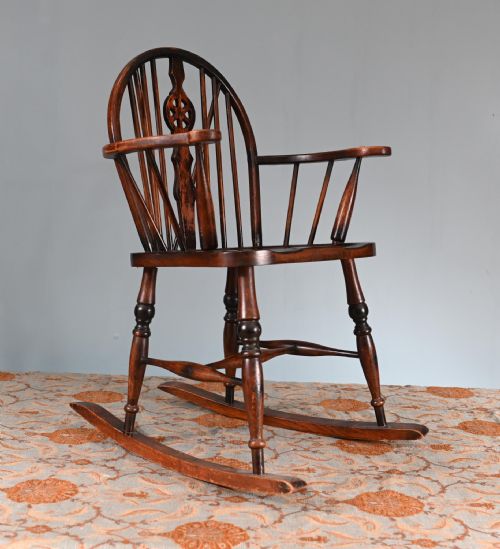
- Windsor Rocking Chair
- A traditional seating form featuring spindles fitted into a solid wooden seat, mounted on curved rocking rails. This type combines vernacular woodworking with domestic comfort.
- French Bridge Chair
- A compact upholstered armchair with open wooden arms designed for card games or casual sitting. These typically date from the 1920s and interwar years.
1930s Wooden Armchair: Frequently Asked Questions
What defines a 1930s wooden armchair?
These chairs reflect the design shifts of the interwar period, combining traditional timber construction with modern stylistic movements like Art Deco. They rely on woods like oak, walnut, and beech.
Most examples maintain solid wooden frames, frequently paired with upholstered elements in leather, fabric, or woven rattan for everyday seating.
How do I identify an Art Deco armchair?
Art Deco armchairs typically feature streamlined silhouettes, geometric proportions, and polished wood surfaces such as satinwood or burr walnut. Their forms emphasise clean architectural lines.
Many of these chairs were produced in pairs and incorporate open wooden arms or expansive upholstered seating areas designed for lounges.
Where should I place a vintage rocking chair?
A Windsor rocking chair suits living spaces, libraries, or nurseries where traditional vernacular seating adds warmth and historical texture. Its wooden spindle construction requires adequate floor clearance for the rockers.
Pairing the chair with simple surrounding furniture allows the carved wheelback and solid seat to remain a focal point in the room.
Are studio chairs different from standard ones?
Studio pieces, such as those associated with specific workshops, often display maker stamps and superior attention to joinery. They represent deliberate craft production rather than mass manufacture.
These chairs frequently utilise higher-grade timbers like oak and carry documented provenance connecting them directly to known designers of the period.