







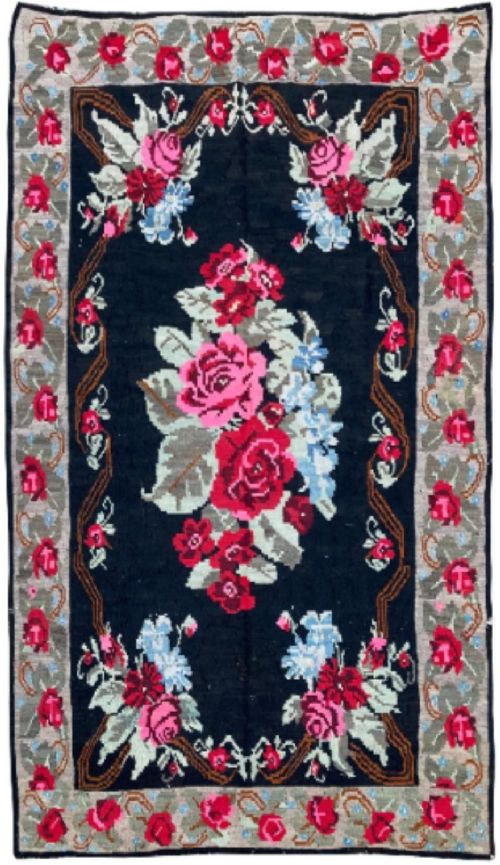
Vintage Wool Runner
These vintage wool runner selections offer hard-wearing floor coverings shaped by diverse regional traditions and enduring textile techniques.
Vintage Wool Runner
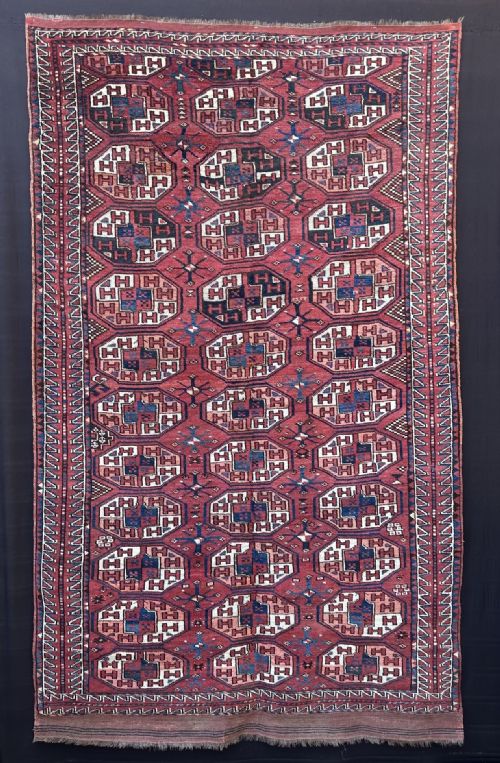
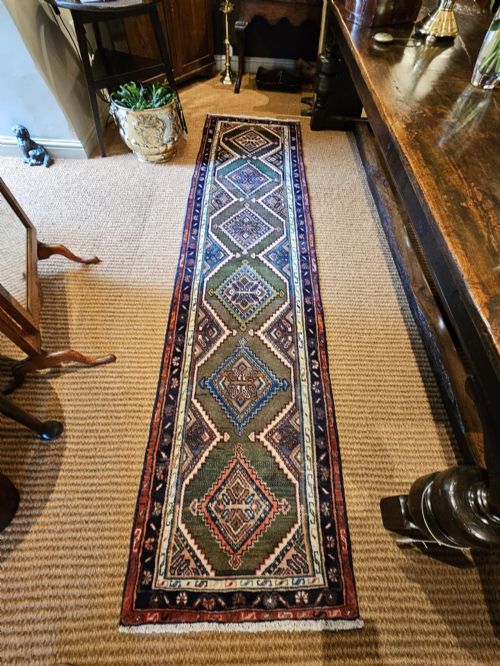
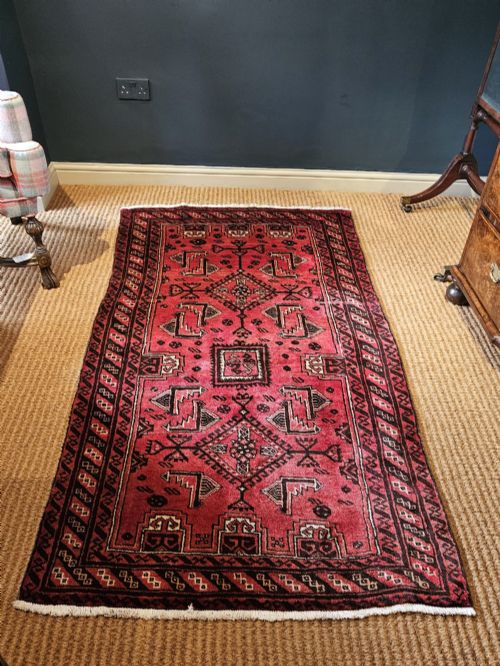
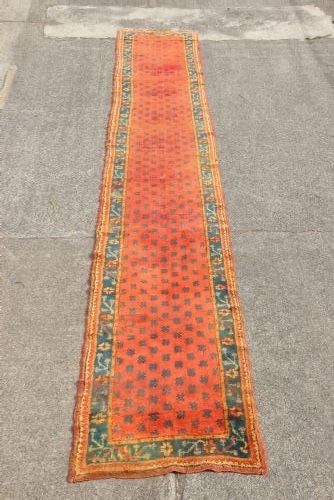
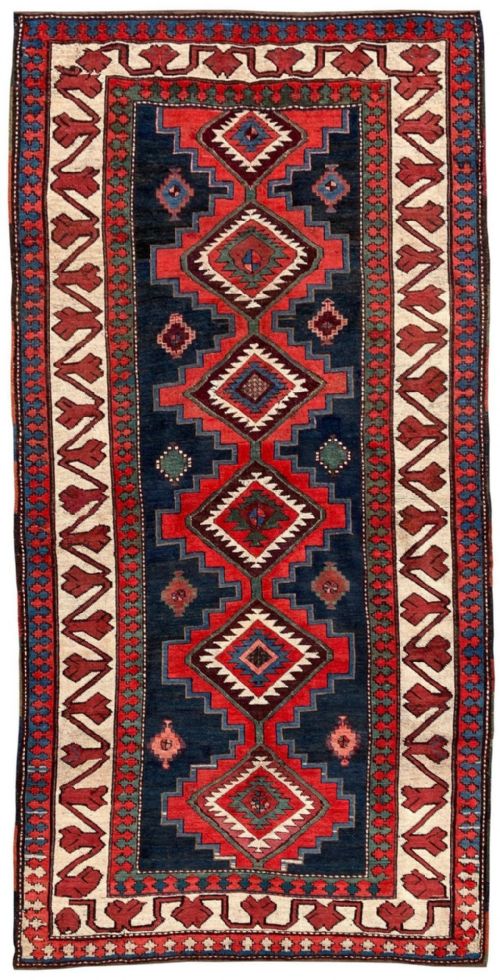
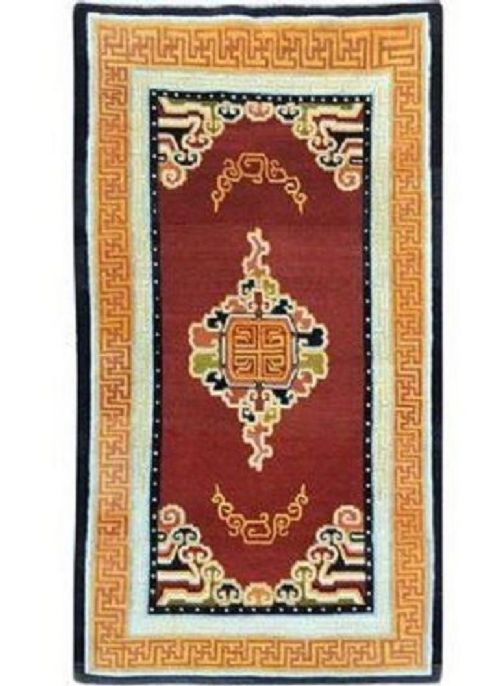
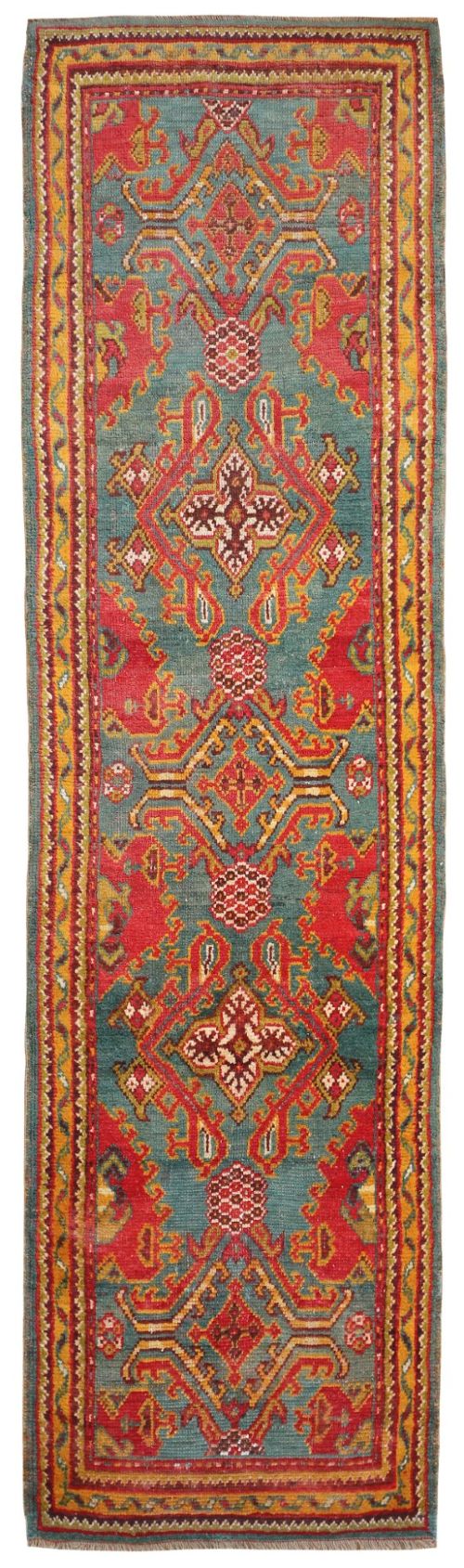
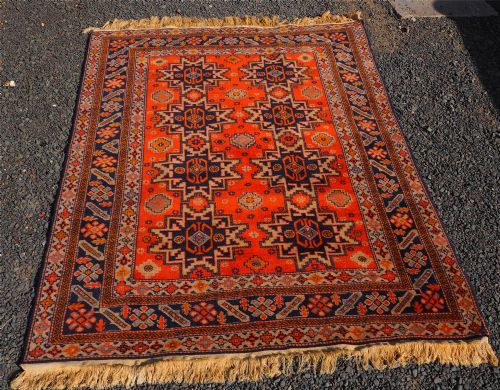
A vintage wool runner provides a long, narrow format suited for hallways and corridors, combining practical utility with traditional patterns. These pieces draw on styles such as Persian Tribal, Caucasian, Persian, and East Turkestan.
The materials recorded in these rugs rely primarily on wool and cotton foundations, dating from periods spanning the late nineteenth century through the 1930s. Buyers frequently encounter narrow formats like the Sarouk narrow runner, Karaja narrow runner, and Xingjian narrow runner among these listings.
Historical origins range across specific regional workshops and tribal traditions, including Kazak, Derbent, Karaja, Talish, and Afghan origins. Each piece serves to bridge historical weaving practises with domestic interior spaces.
How They Were Made
These textiles utilise natural wool fibres for the pile, chosen for resilience, paired with cotton foundations that provide structural stability along the length of the runner. Weavers knot the pile by hand onto warp and weft threads following traditional regional designs.
Dyes derived from natural sources interact with the wool to create deep, varied tones that settle gradually over decades of exposure and use. The construction methods reflect centuries-old regional traditions from Persian, Caucasian, and East Turkestan weaving centres.
Vintage Wool Runner Retail Price Guide 2026
Typical asking prices for vintage wool runner among the pieces listed under this phrase on Sellingantiques today, from the lower quarter to the upper quarter. They describe what is for sale here now, not the wider market.
A wandering weaver once measured a narrow corridor by pacing it out, resulting in a runner that fits the exact odd length of an old hallway.
What Varies in Quality
The integrity of the wool pile and the tightness of the knotting dictate the durability and visual clarity of the geometric or floral motifs. Superior examples maintain structural uniformity along extended lengths despite the natural variations inherent in hand-knotted production.
The precision of regional designs, from Caucasian medallions to East Turkestan compositions, demonstrates the weaver's skill and adherence to traditional aesthetics. Natural ageing in the wool adds depth to finer specimens without compromising the underlying textile foundation.
The Vintage Wool Runner Glossary
- Runner
- A long, narrow carpet format designed specifically for hallways, corridors, and stairs. These pieces balance decorative impact with linear spatial requirements.
- Pile
- The upright surface yarn of a rug formed by the cut ends of knots. This layer absorbs foot traffic and displays the woven design.
- Warp
- The vertical foundation threads stretched lengthwise on the loom before weaving begins. Cotton is commonly utilised for this structural element.
- Weft
- The horizontal threads passed across the warp threads to secure the knots in place. This material helps determine the flexibility of the rug.
- Medallion
- A central ornamental design motif placed in the field of the rug. Caucasian examples frequently employ this layout feature.
Vintage Wool Runner: Frequently Asked Questions
Where do I put a wool runner?
These narrow formats suit hallways, corridors, and narrow passageways where linear floor coverings protect high-traffic areas.
They also function effectively in kitchens or bedside spaces, adding warmth and traditional character to functional rooms.
How do I clean a vintage wool runner?
Gentle surface cleaning and regular light vacuuming without a rotating brush help maintain the wool pile safely.
Professional textile cleaners experienced with antique rugs should handle deeper washing to protect the natural dyes and foundations.
Are these runners made from pure wool?
The pile consists of natural wool, chosen for its durability and ability to hold rich regional dye colours over time.
Cotton often provides the foundational warp and weft threads that give these long formats their structural strength.
How do I identify different regional styles?
Caucasian pieces often display geometric medallions and crisp, tribal motifs rooted in specific mountain traditions.
Persian and East Turkestan examples tend towards different floral arrangements or distinct field compositions unique to their respective workshops.