




Vintage Wool Floor Runner
These vintage wool floor runner examples bring warmth and pattern to long corridors through traditional weaves from Persia, the Caucasus, and beyond.
Vintage Wool Floor Runner
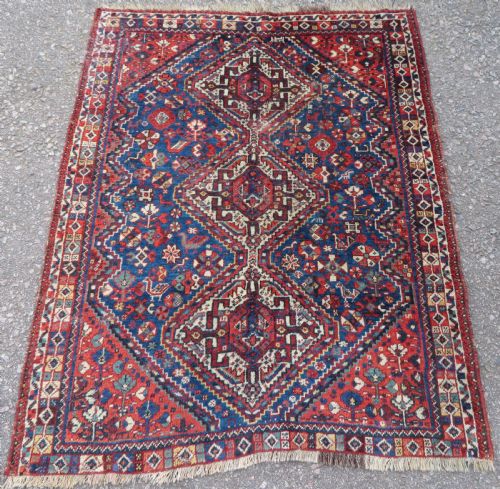
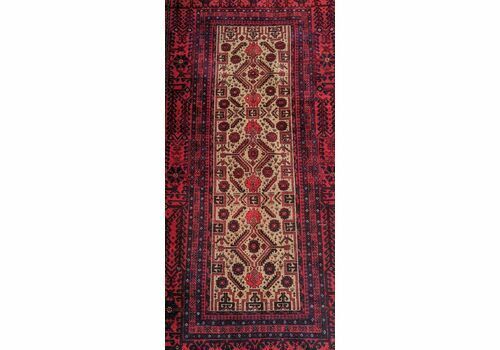
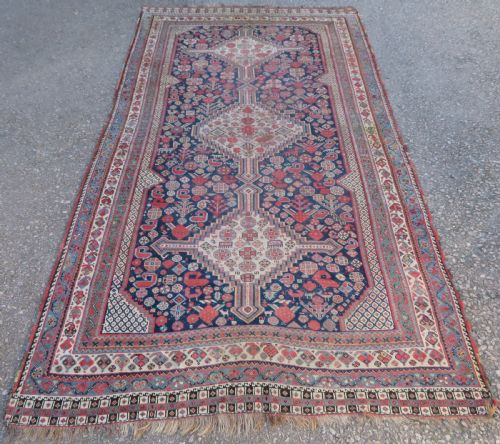
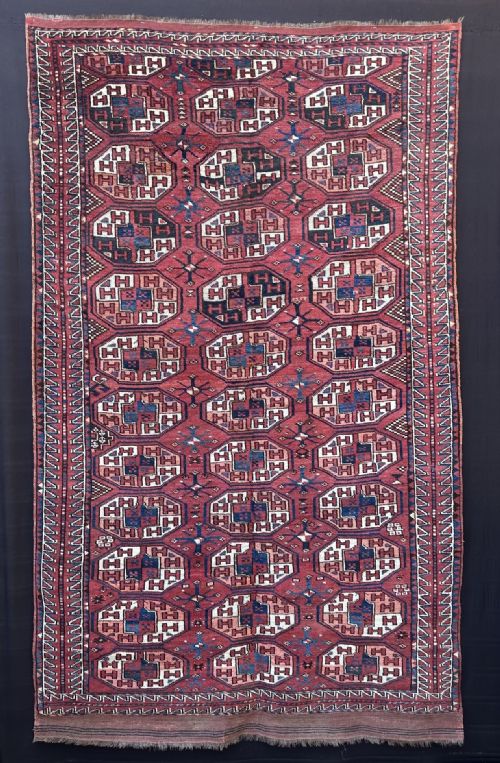
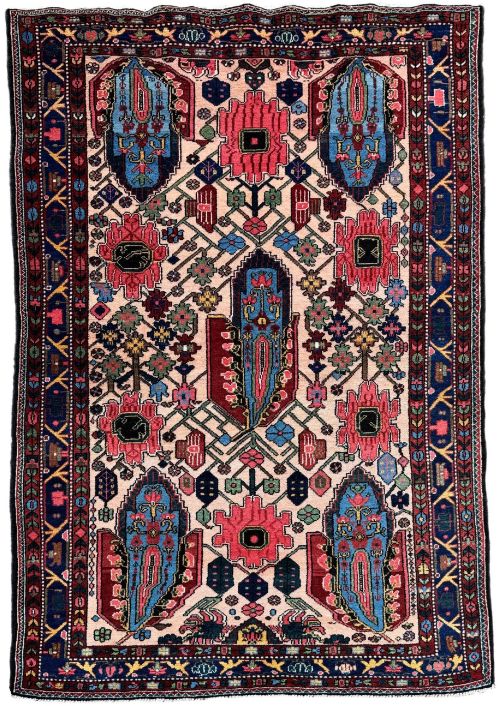
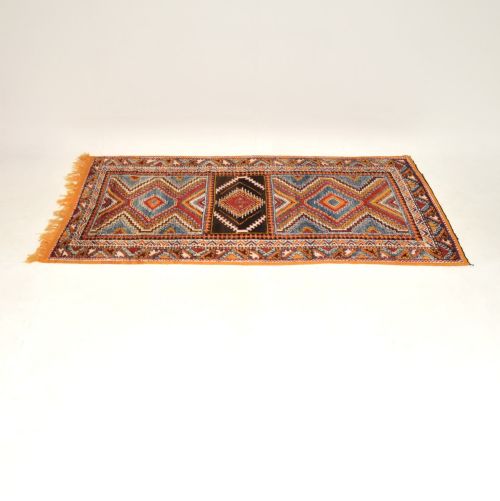
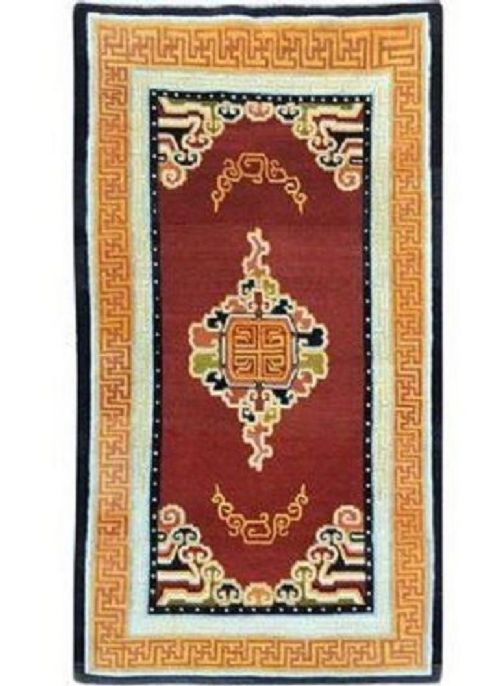
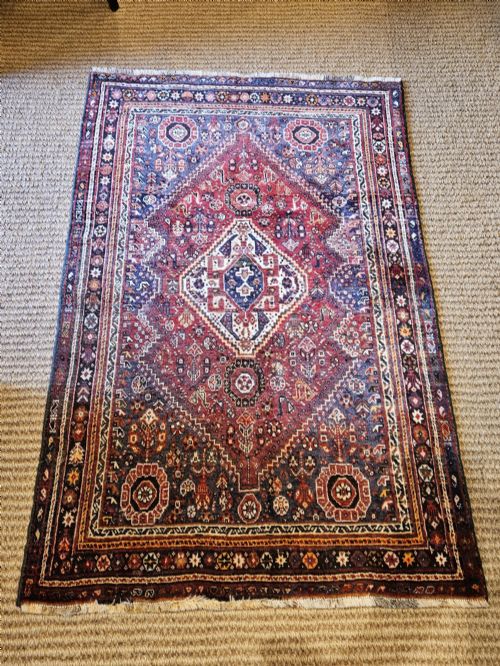
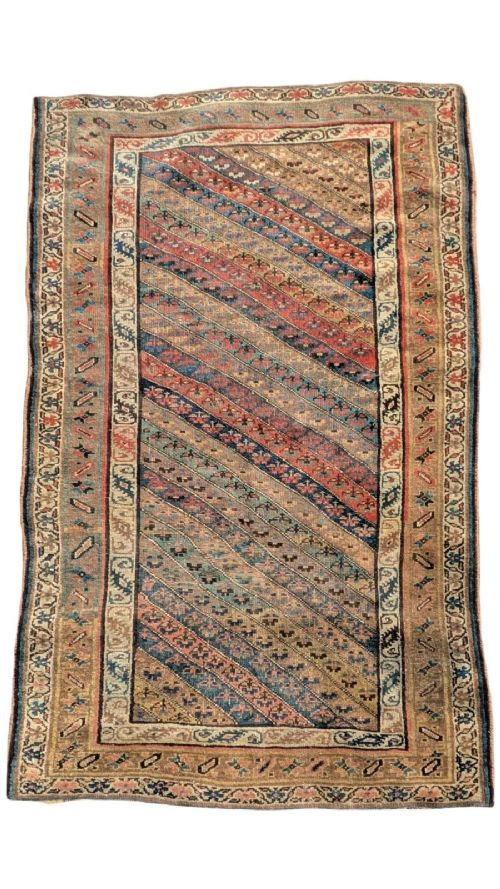
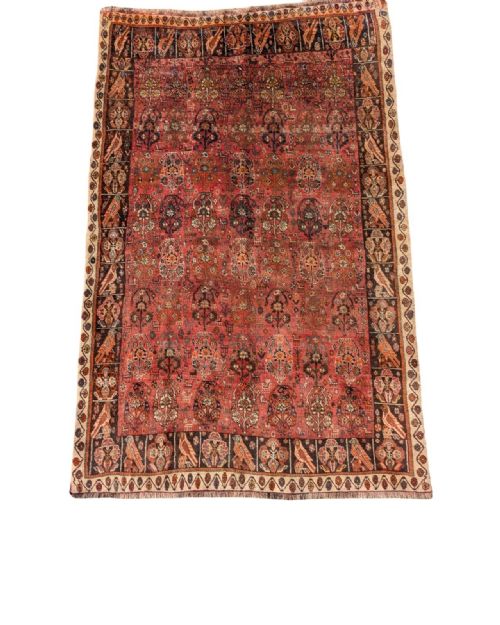
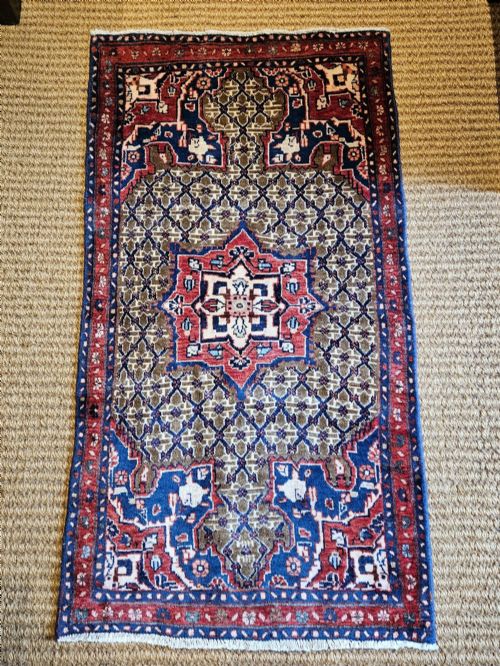
A vintage wool floor runner brings character and texture to narrow spaces like hallways and landings. When searching for a vintage wool floor runner, buyers encounter hand-knotted pieces originating from Persian, Caucasian, and Turkmen traditions. These textiles span periods from the Victorian era through the early decades of the twentieth century.
The selection ranges from tribal village weaves with geometric motifs to city-made workshop carpets adapted into long formats. Common regional attributions include Kurdish, Kazak, Afshar, and Hamadan, each bringing distinct local patterns to the floor.
Materials and construction
Makers utilised natural materials, relying principally on wool for the pile and often incorporating cotton for foundations. Certain pieces employ hand-spun wool, giving the pile a varied texture and an ability to absorb natural dyes unevenly.
Weavers knotted the wool by hand onto warps and wefts, producing durable surfaces designed for heavy foot traffic. Artisans sourced dyes from local plants and minerals, creating the deep blues, rusts, and multicoloured palettes seen across these rugs.
Some nineteenth-century weavers slipped intentional slight irregularities into their geometric stars to ward off the evil eye.
Evaluating the standard
Quality rests in the precision of the knotting, the handling of the wool, and the depth of the dye work. Tighter knots allow for sharper geometric or floral definition, particularly in pieces from origins such as Kashan or Tabriz.
The choice of materials also divides the range, with hand-spun wool and saturated natural colour palettes marking out the more accomplished village and tribal weaving. Integrity of the foundation and evenness of wear determine how well a runner holds its structure over decades of use.
The Vintage Wool Floor Runner Glossary
- Runner
- A long, narrow carpet format designed specifically for hallways, corridors, and stairs. These pieces balance length with a restricted width.
- Pile
- The upright yarn loop or cut ends that form the usable surface of a rug. This layer absorbs the friction of foot traffic.
- Warp
- The stationary longitudinal threads stretched on a loom before weaving begins. Wefts are passed across these structural lines to form the base.
- Prayer rug
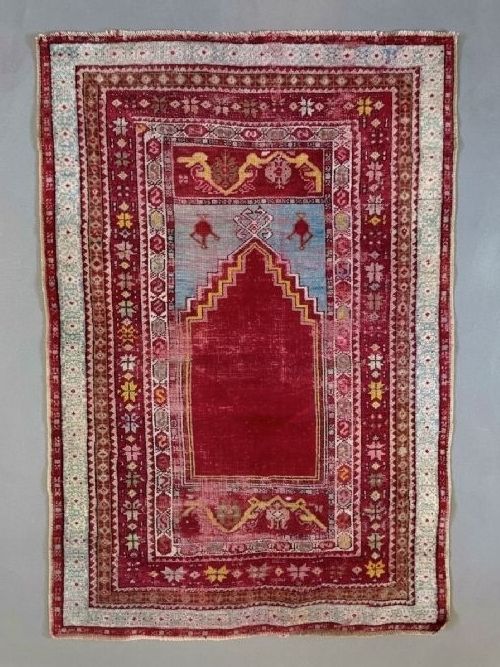
- A small carpet featuring a mihrab or niche design used historically for directional prayer. These pieces often display specific symbolic motifs.
- Natural dye
- Colouring matter derived from plants, insects, or minerals rather than synthetic compounds. These dyes often develop a soft patina as they age.
Vintage Wool Floor Runner: Frequently Asked Questions
How do I place a runner in a hallway?
Measure the corridor width carefully, leaving a consistent margin of exposed floorboards or stone around the edges. Position the runner centrally to guide movement through the space while protecting high-traffic flooring.
Ensure doorways swing clear of the pile height by checking the thickness of the wool and foundation before final placement.
What is the difference between tribal and city rugs?
Tribal rugs typically display geometric patterns, asymmetric layouts, and thicker, hand-spun wool reflecting nomadic or village production. City carpets often exhibit refined floral scrolls, symmetrical medallions, and finer knot counts produced in established workshops.
Both traditions utilise wool, but the artistic intent and structural precision vary according to the origin of the weaving.
How do I clean an old wool runner?
Regular gentle vacuuming without a beater bar removes surface grit from the wool pile. Professional specialist cleaning remains essential for deep washing to protect natural dyes and fragile foundations.
Avoid soaking or chemical spot treatments, which can damage the wool fibres and alter historical colour tones.
How can I tell the age of a rug?
Age assessment involves examining dye palettes, material preparation, and structural wear patterns across the wool and cotton foundations. Pieces from the Victorian era and early twentieth century often show specific regional colour combinations and hand-spun textures that distinguish them from later reproductions.
Comparing knot styles and motifs against established regional archives helps narrow down the decade of production.