
Vintage Wooden Writing Bureau
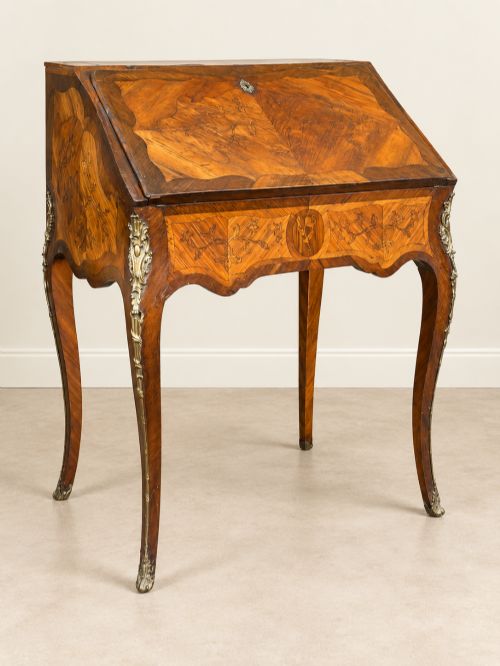
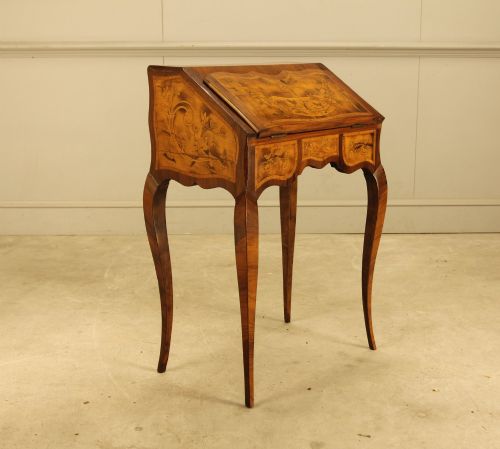
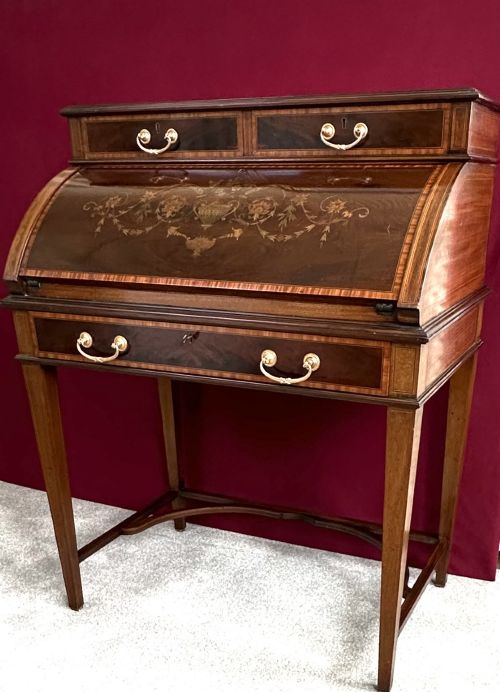
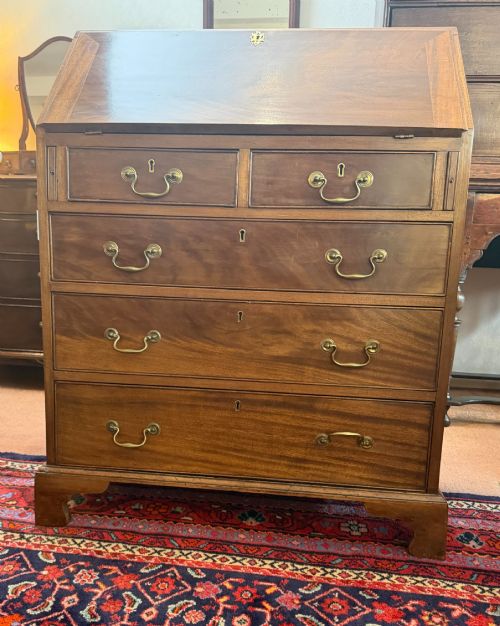
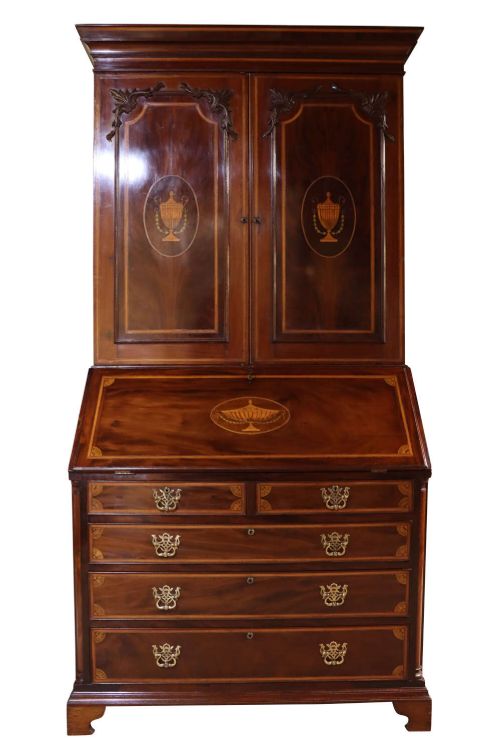
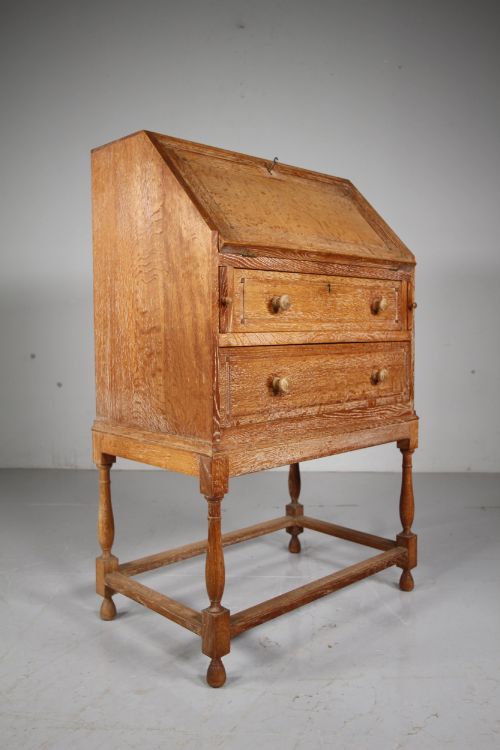
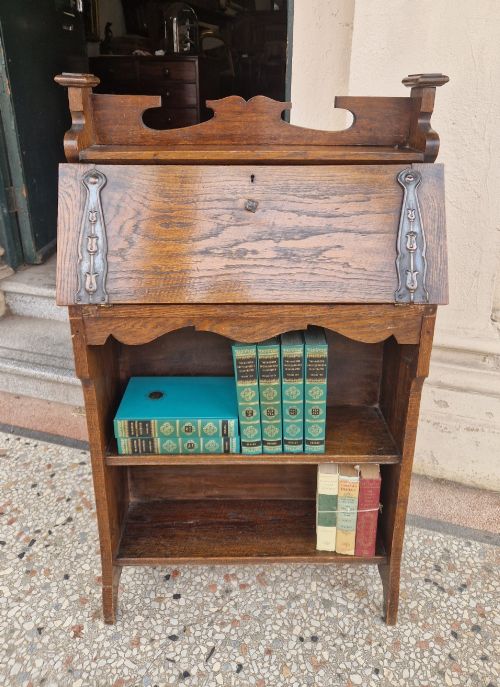
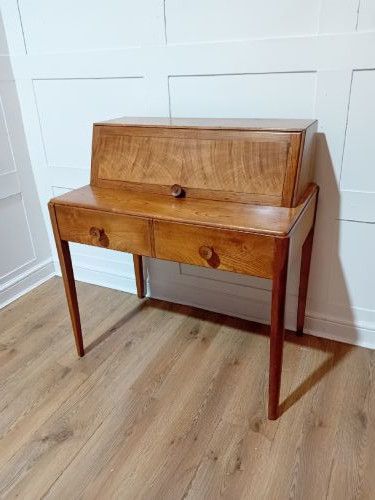
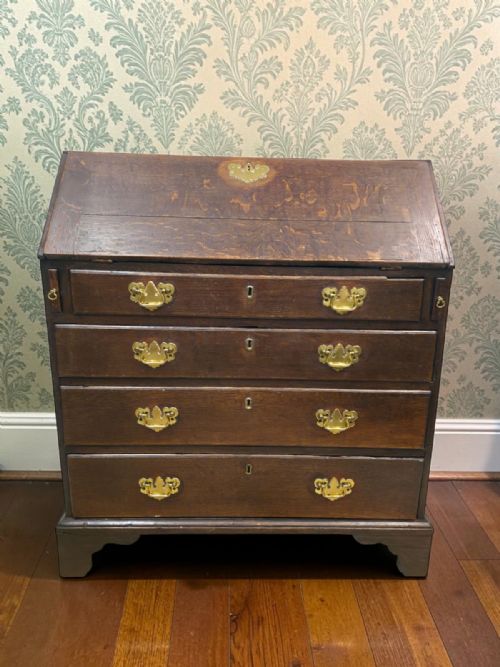
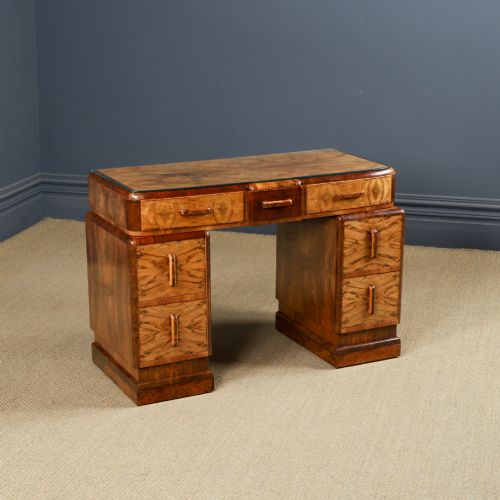
A vintage wooden writing bureau offers a drop-down flap to conceal correspondence, appearing here in Georgian, Victorian, and Art Deco iterations.
Vintage Wooden Writing Bureau
A vintage wooden writing bureau provides a compact workspace through a fall front or cylinder mechanism that opens to reveal internal pigeonholes and small drawers. These pieces range from Georgian oak and mahogany examples to Edwardian and 1930s walnut designs.
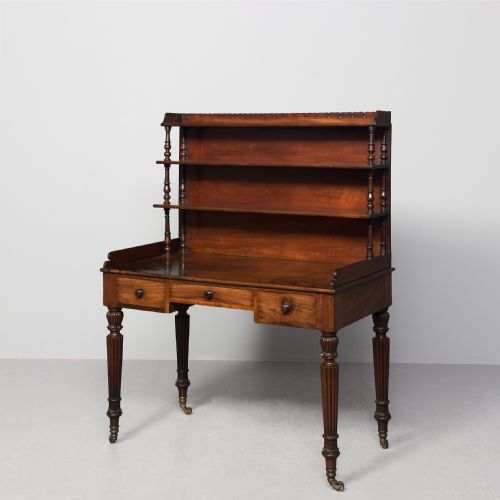
Buyers browsing this selection will frequently encounter drop-front bureaux alongside roll-top desks, pedestal desks, and bureau bookcases. The form evolved from eighteenth-century writing furniture into twentieth-century office and home variations.
Origins span English cabinet-making traditions, Cotswold School craftsmanship, and continental French workshops. Woods such as mahogany, oak, and walnut predominate across the inventory.
How they were made
Cabinet-makers utilised solid timbers and decorative veneers like burr elm, satinwood, and maple over structural carcases of oak or mahogany. Brass handles, escutcheons, and hinges provided functional and decorative accents.
Writing surfaces frequently incorporate inset leather panels to create a durable writing plane. Joinery techniques included dovetailing for drawer construction and precise framing for fall-front mechanisms and cylinder lids.
Cotswold School craftsmen brought a distinct rustic honesty to their oak bureaux during the early twentieth century.
What varies in quality
Construction fidelity distinguishes standard production items from master-built pieces, particularly in the smoothness of internal mechanisms and drawer actions. The selection of timber figuring, such as matched walnut veneers or choice mahogany grains, marks superior craftsmanship.
Maker attribution and original labelling elevate certain pieces, demonstrating documented provenance from workshops such as Heal's or notable designers.
James Mein of Kelso·Heals of London·Arthur Basil Reynolds·Bryn Mawr·Maple and Co·Étienne Kohlmann
The Vintage Wooden Writing Bureau Glossary
- Bureau
- A writing desk featuring a sloping hinged lid that drops down to form a writing surface. It typically conceals a series of small drawers and pigeonholes inside.
- Fall front
- A hinged writing flap that pulls down into a horizontal position for writing and folds back vertically to enclose the desk interior. This mechanism defines many traditional bureau forms.
- Pedestal desk
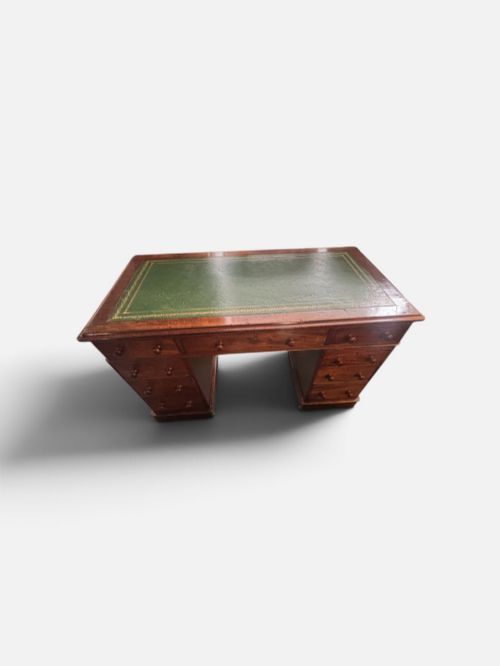
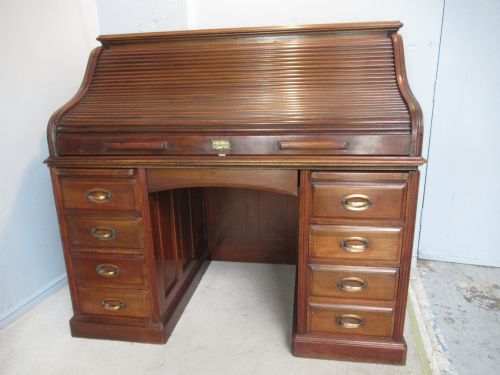
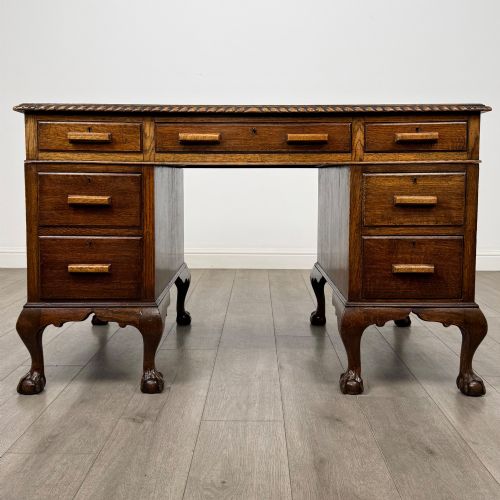
- A heavy freestanding desk comprising two supporting banks of drawers with a central recessed space for the user. These units often feature leather top inserts.
- Tambour top
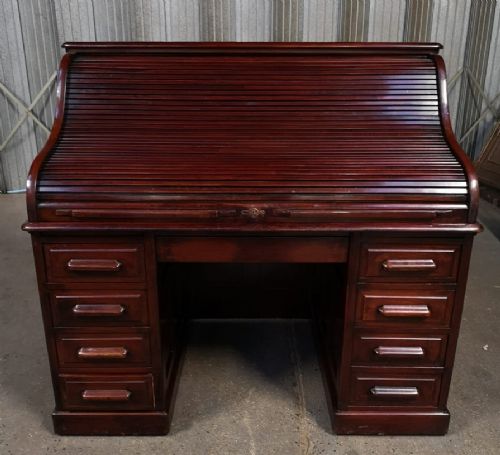
- A flexible desktop closure constructed from narrow strips of wood glued to canvas or leather backing. It slides along a tracked groove to reveal the desk surface.
- Cylinder desk
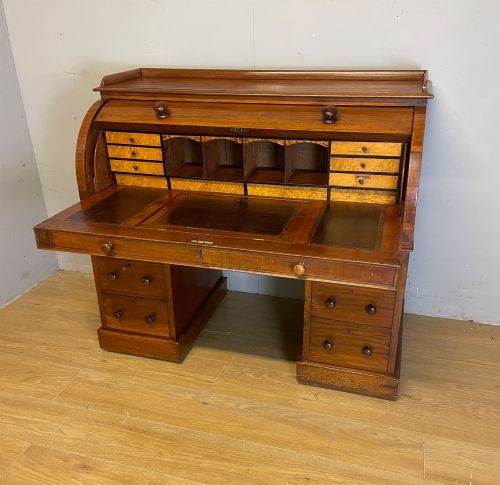
- A writing desk with a curved, quarter-cylinder rolling lid that retracts backwards to expose the writing slide and interior fittings.
Vintage Wooden Writing Bureau: Frequently Asked Questions
What is a vintage wooden writing bureau?
A vintage wooden writing bureau is a desk featuring a hinged flap that opens to expose compartments for stationery and letters. These items combine enclosed storage with a dedicated writing surface.
They appear in various historic styles, ranging from Georgian and Victorian eras to the Art Deco period.
How do I use a bureau at home?
Drop the front flap to establish a compact desk for laptop work or correspondence. The internal pigeonholes organise small stationery items efficiently.
Closing the flap conceals paperwork instantly, maintaining a tidy appearance in a living room or study.
How do roll top desks differ from bureaux?
Bureaux rely on a flat sloping fall front to cover the desk interior. Roll top desks utilise a slatted wooden tambour that retracts along a curved track.
Both forms provide secure enclosed storage for writing materials but employ distinct mechanical closures.
What woods were used for these desks?
Cabinet-makers constructed these desks primarily from mahogany, oak, and walnut. Decorative elements often incorporated satinwood, maple, and burr elm veneers.
Leather was frequently added as an inset writing surface on pedestal and Dickens style desks.
How do I identify the period of a desk?
Stylistic indicators such as Georgian bracket feet, Victorian mahogany turnings, or Art Deco geometric lines point to specific eras. Construction methods and secondary woods also assist in dating.
Maker labels or stamps provide definitive evidence of origin and date.