


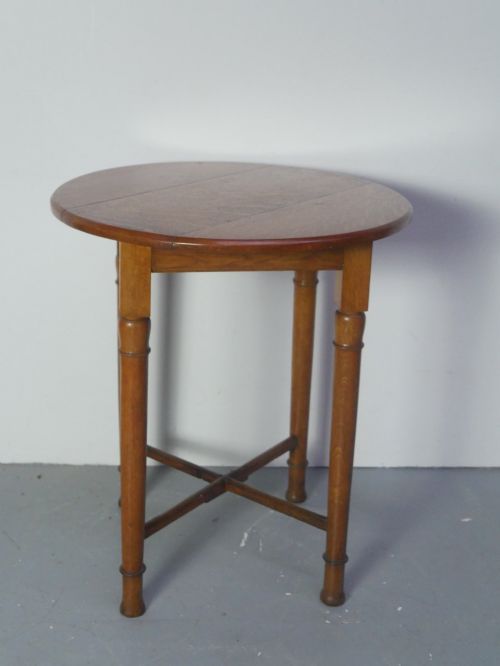
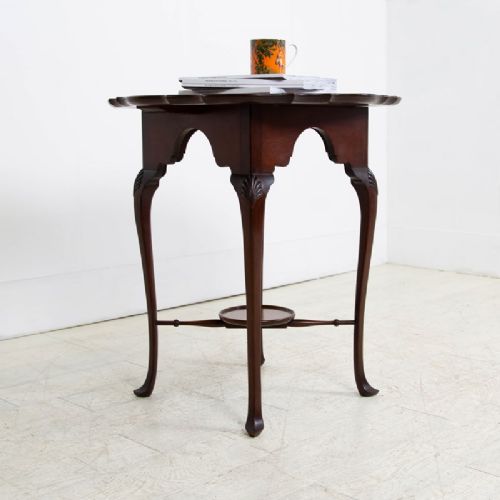
Vintage Wooden Wine Table
A vintage wooden wine table brings compact utility and period character to a room, offering a sturdy surface for a glass or a lamp.
Vintage Wooden Wine Table
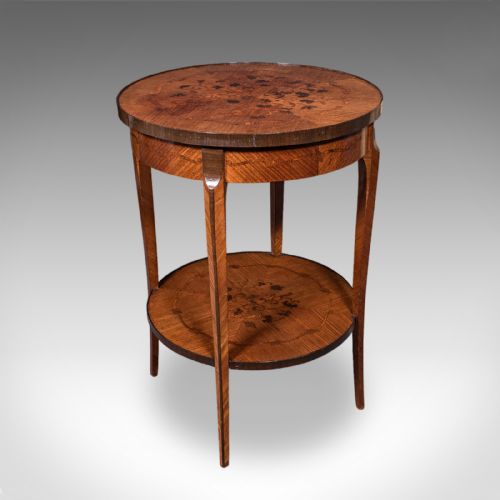
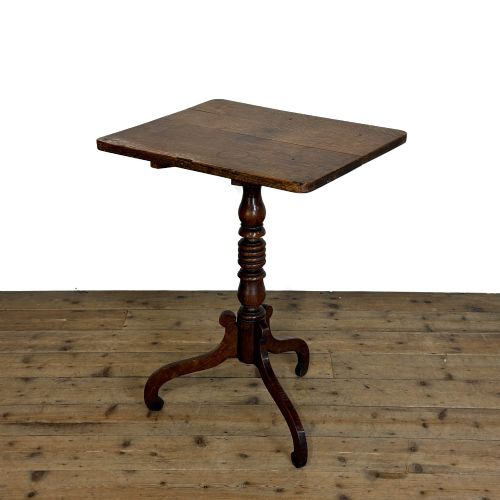
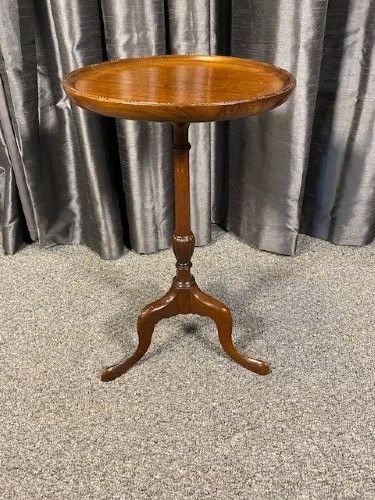
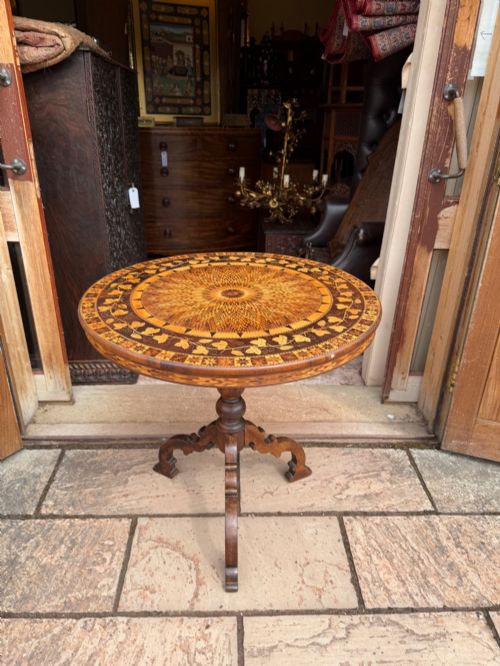
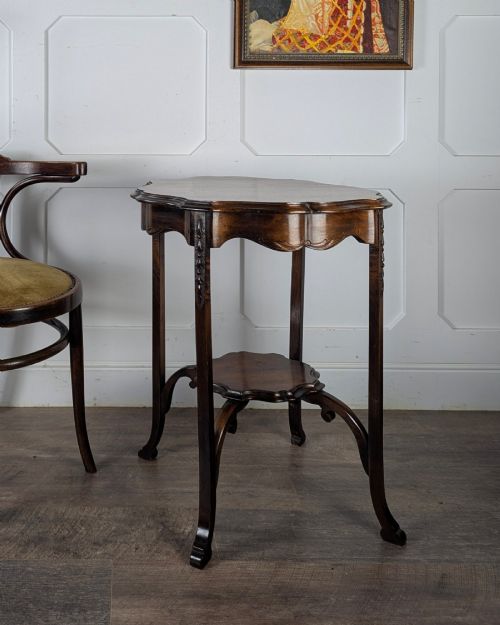
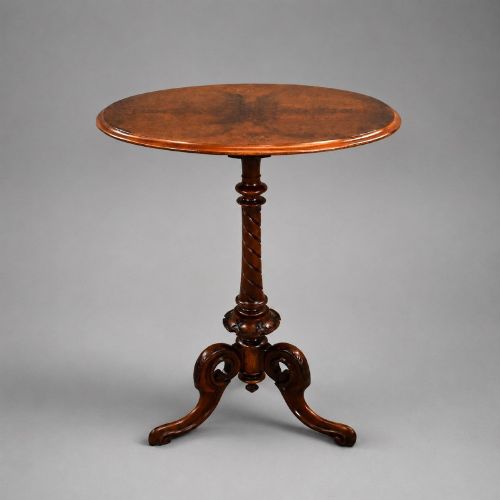
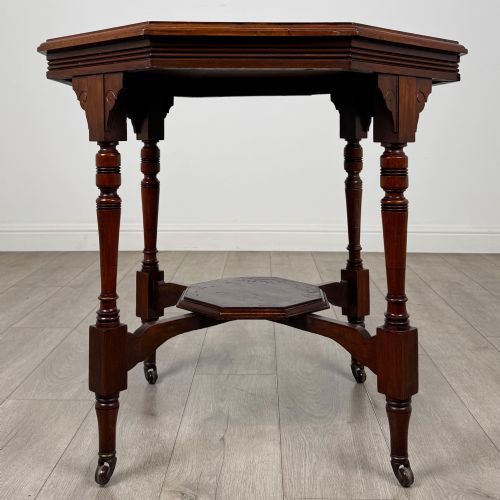
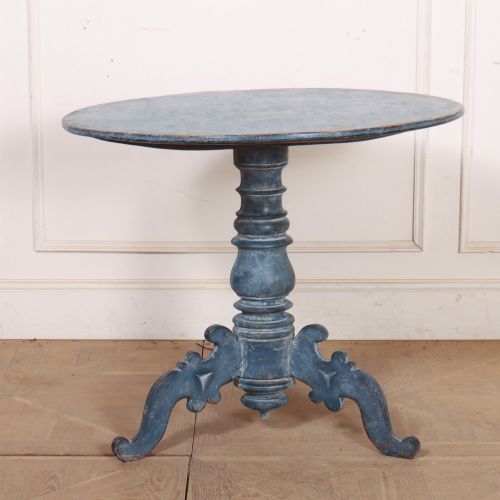
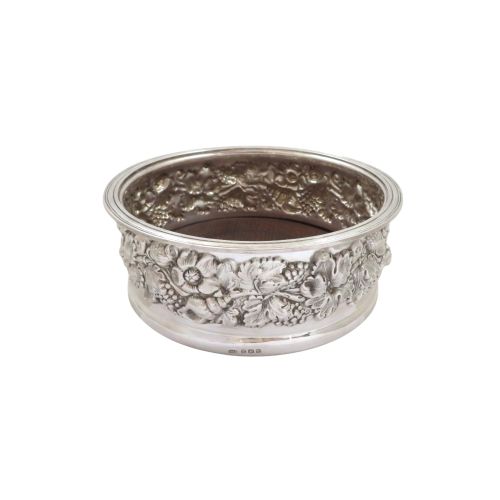
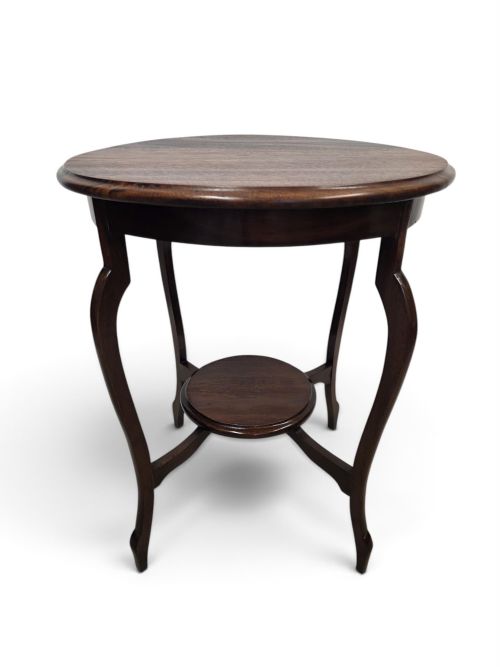
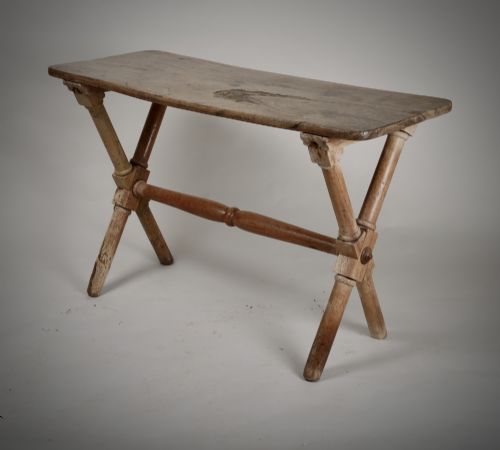
When searching for a vintage wooden wine table, collectors encounter compact pedestal pieces, tripod designs, and occasional forms intended for drinks or display. These items span periods from the Georgian era through Victorian times, the Edwardian period, and into the 1930s.
The versions most frequently met on this page include mahogany and oak tripod tables, alongside occasional tables from the early twentieth century. Makers and creators utilised various woods to produce these smaller stands, which served practical domestic roles beside seating.
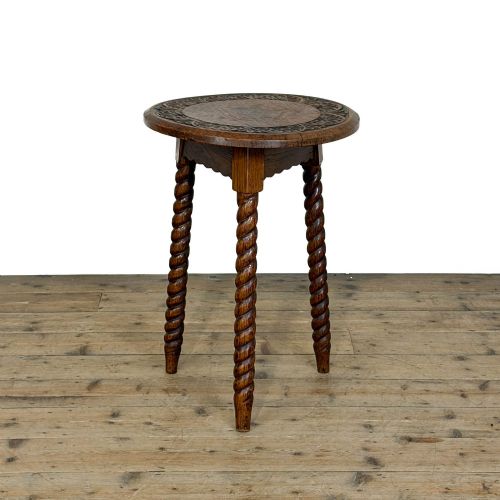
Styles range from simple turned legs to ornate carving, reflecting the taste of periods such as the Regency and Arts and Crafts movements. Each piece demonstrates the specific carpentry methods of its decade, whether French polish or solid timber construction.
Materials and construction
Craftsmen built these tables using hardwoods such as mahogany, oak, walnut, yew, and padouk, often selecting timber for its grain pattern and stability. Solid construction forms the core of many pieces, supplemented by fine veneers on later Edwardian and Art Deco examples.
Joining techniques relied on traditional mortise and tenon joints, dovetails, and central pedestals fixed to tripod legs for balance. Carving, inlay, and brass fittings appear across various styles, adding decorative detail to the functional framework of the table.
Some folding garden tables disguised themselves as indoor occasional furniture when the British weather forced tea inside.
Distinctions in craftsmanship
The distinction between standard domestic furniture and finer examples lies in the selection of timber and the precision of the joinery. Pieces featuring hand-carving or complex inlay demonstrate a higher level of workshop skill than plain utility items.
Proportion and stability define superior pedestals and tripod bases, ensuring the table stands level and supports weight securely. The original finish, whether wax or polish, preserves the character of the wood and indicates how well the piece has been maintained over the decades.
Shapland and Petter·Liberty of London
The Vintage Wooden Wine Table Glossary
- Tripod table
- A small freestanding table supported by a central pillar resting on three legs. This form gained popularity during the Georgian period for serving drinks.
- Inlay
- A decorative technique where contrasting materials such as lighter wood or brass are inserted into recesses within the primary timber surface. This creates intricate patterns found on Edwardian and continental pieces.
- Occasional table
- A light, movable small table designed for specific, intermittent use in a reception room or bedroom. They appear in numerous revival styles from the nineteenth and twentieth centuries.
- Pedestal table
- A table supported by a single central column rather than four corner legs. This design allows for easier seating placement around the perimeter.
Vintage Wooden Wine Table: Frequently Asked Questions
What is a vintage wooden wine table used for?
These small tables serve primarily as moveable surfaces for holding drinks, books, or lamps beside seating. Their compact footprint makes them practical for spaces where a full-sized table would prove too large.
Historically, similar stands held decanters and glasses during evening gatherings. Today, they function equally well as decorative accents in hallways and living rooms.
How do I identify the period of a wine table?
Dating relies on observing the combination of timber, turning style, and construction methods visible beneath the top. Georgian and Regency examples often feature mahogany with slender tripod legs, while Victorian pieces introduce heavier turning like barley twist.
Edwardian and 1930s versions frequently incorporate simpler oak or walnut construction with machine-cut components. Examining the underside and fixing methods helps confirm the era of manufacture.
Are tilt top tables stable?
A well-adjusted tilt top mechanism holds the table surface firm and level during normal use. The catch beneath the top secures the surface to the pedestal block.
Over time, wear in the pivot pin or wooden block can introduce slight movement. Checking the fit of the catch ensures the table functions correctly.
How should I care for a mahogany or oak table?
Maintenance involves dusting with a soft, dry cloth and applying natural beeswax periodically to nourish the wood. Avoiding direct sunlight and heat sources prevents the timber from drying out or warping.
Liquid spills require immediate attention to protect polished surfaces from water marks. Gentle care preserves the historical finish and colour of the timber.