

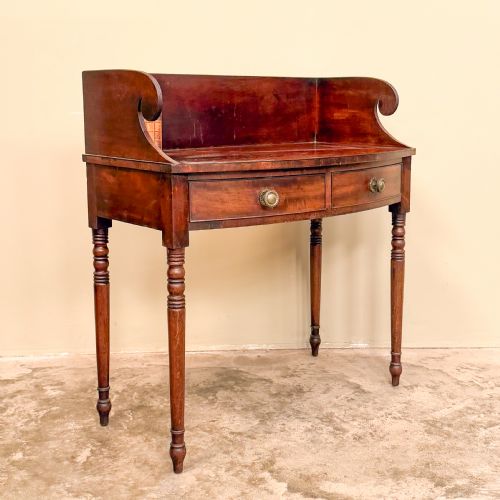
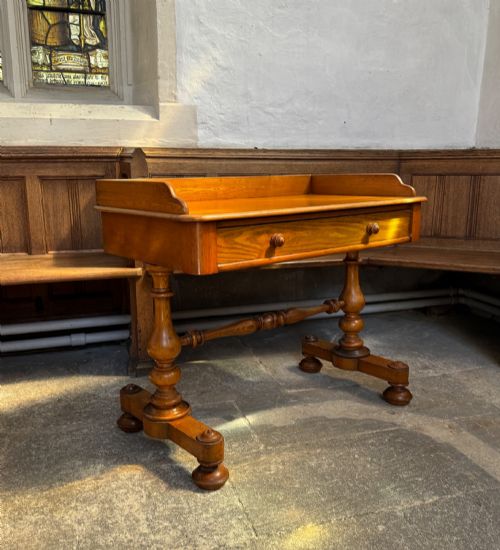
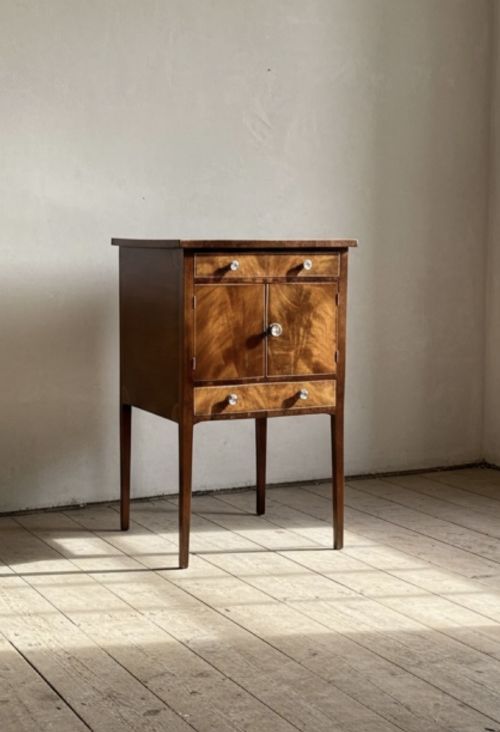
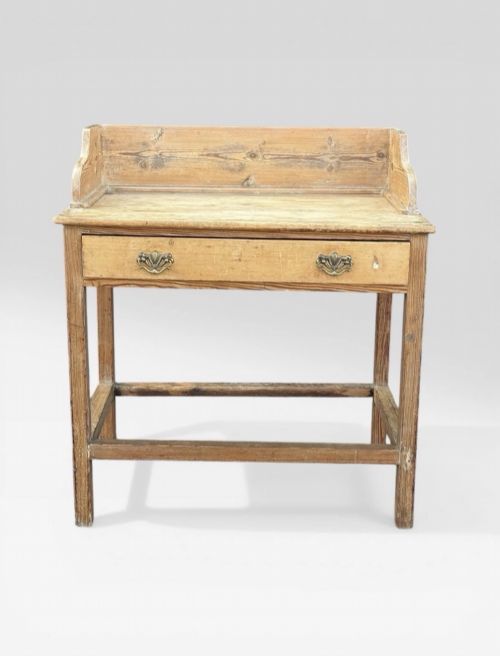

Vintage Wooden Washstand Table
A vintage wooden washstand table brings period character to a modern bedroom, offering practical surface space and traditional craftsmanship in mahogany, pine or walnut.
Vintage Wooden Washstand Table
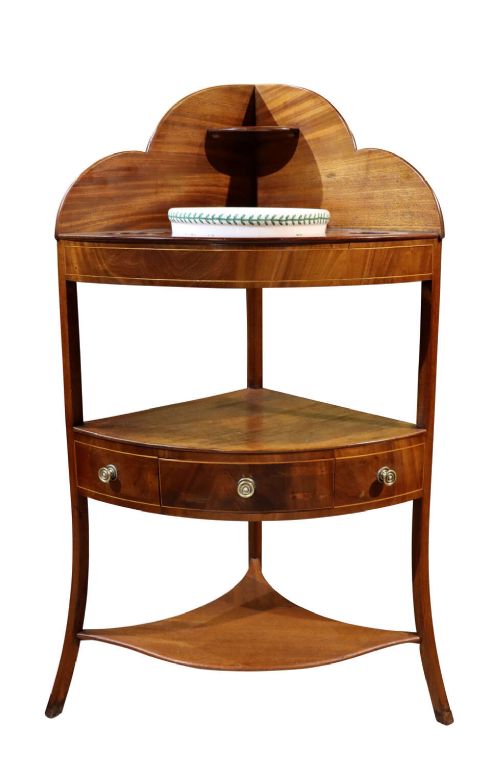
When you search for a vintage wooden washstand table, you are looking at items designed for personal hygiene before plumbed bathrooms, most commonly surviving in mahogany and pine from the Georgian, Victorian and Edwardian eras. These pieces range from corner stands and enclosed cabinets to marble-topped tables built to hold basins and jugs.
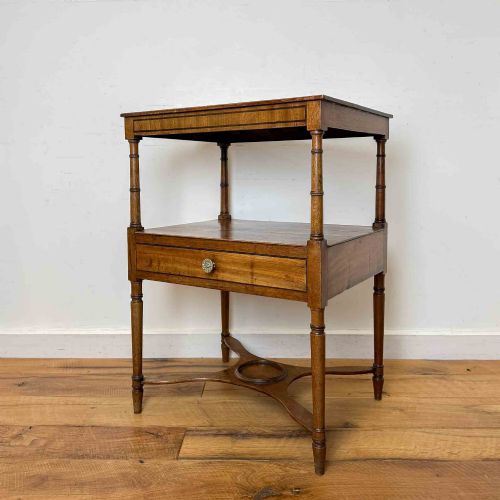
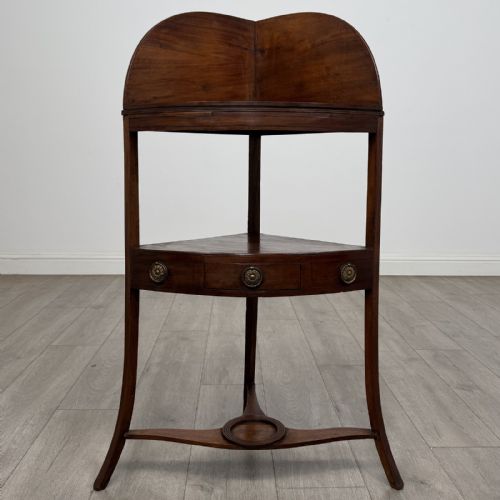
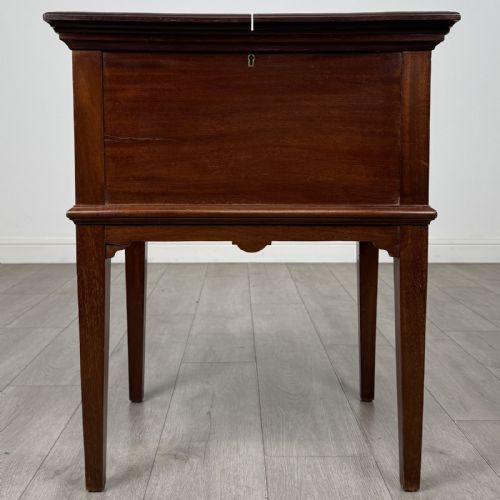
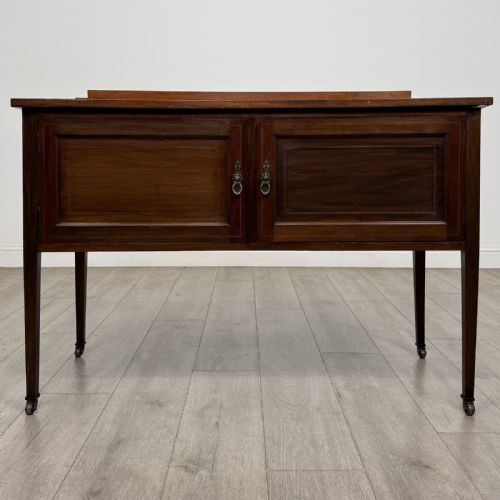
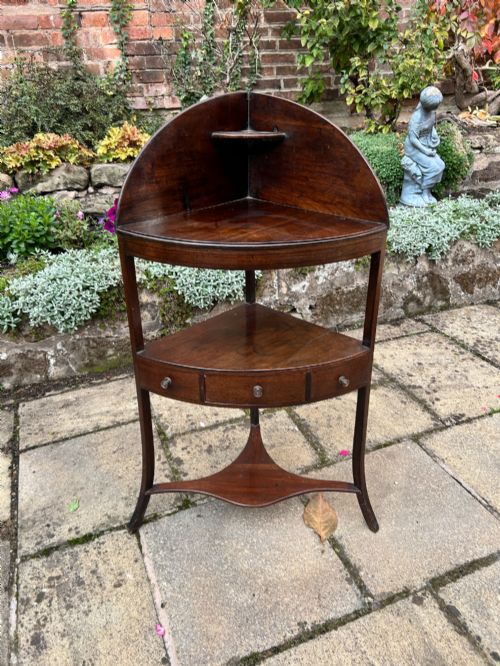
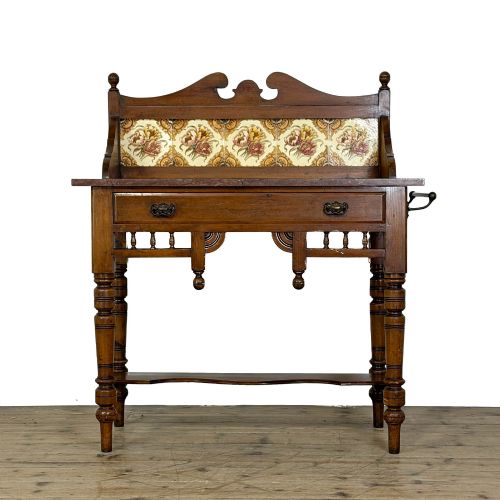
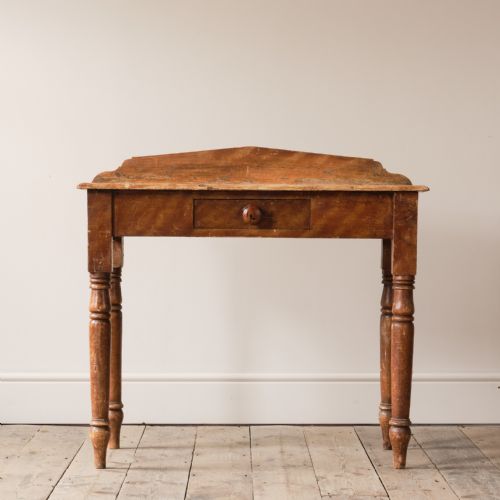
The versions you are most likely to meet on this page include Edwardian marble-top examples, Georgian mahogany corner units, and Victorian pitch pine washstands that double easily as side tables. Their forms vary from simple country pine tables in original paint to refined Regency and William IV mahogany pieces with hidden compartments.
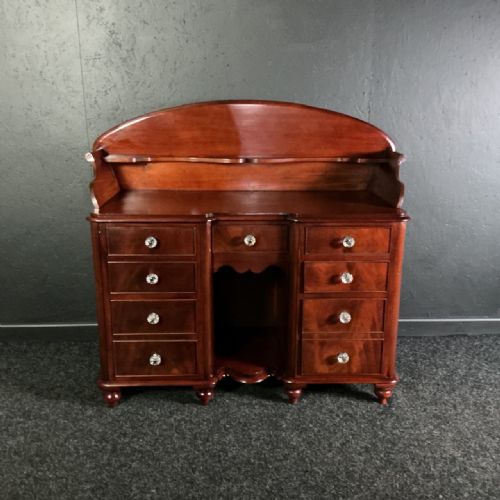
Makers adapted these stands for specific daily routines, incorporating raised galleries to protect walls from splashes, lower shelves for water pitchers, and small drawers for shaving gear or cosmetics. This utilitarian history gives each piece a distinct architectural profile that sets it apart from standard occasional tables.
Construction and materials
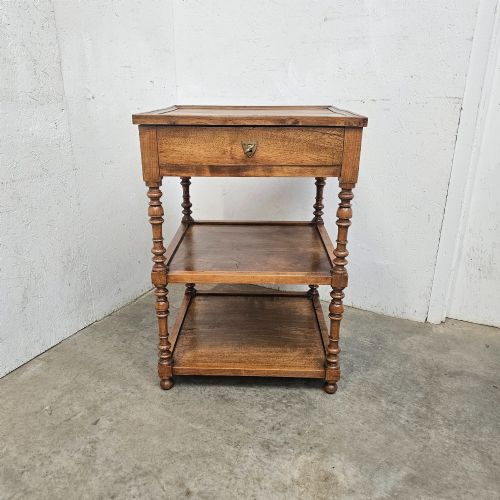
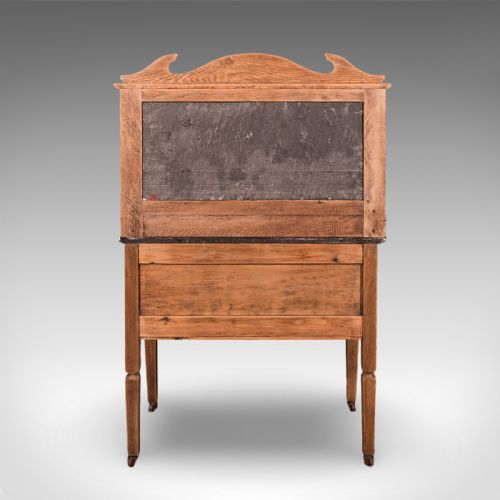
Joiners built these washstands primarily in mahogany, pine and walnut, utilising solid timbers alongside selected veneers for drawer fronts and tabletops. Structural stability relied on traditional mortise and tenon joints, turned legs and tapered supports.
Marble inserts provided a water-resistant surface for washing bowls, fitted neatly into wooden frames alongside brass fittings, glass elements and metal hardware. Pine versions frequently carried an original painted finish, while mahogany and walnut examples displayed polished grain and occasional inlaid detailing.
Vintage Wooden Washstand Table Retail Price Guide 2026
Typical asking prices for vintage wooden washstand table among the pieces listed under this phrase on Sellingantiques today, from the lower quarter to the upper quarter. They describe what is for sale here now, not the wider market.
Some washstands retain historical sign-writing from Victorian hotels, transforming mundane guest furniture into pieces with a secret hospitality past.
Judging quality and integrity
Quality rests on the selection of timber and the crispness of the carpentry, where tight joints and well-fitted drawers distinguish finer cabinet work from utilitarian pieces. The thickness of the marble slab and the preservation of original hardware or paint surfaces further mark out superior examples.
Proportion and untouched patination define the upper tier of these items, showing minimal structural alteration over time. Pieces that retain their original galleries, internal compartments and matching brass elements hold greater integrity than those modified or stripped of their functional fittings.
James Shoolbred
The Vintage Wooden Washstand Table Glossary
- Washstand
- A piece of furniture designed to hold a basin and water jug for washing before indoor plumbing became standard. They often feature tiered shelves or enclosed cupboards.
- Gallery
- A raised wooden edge or rail fitted around the top of a table or stand to prevent items from sliding off or to protect walls from water splashes.
- Commode
- A cabinet or enclosed piece of furniture, often housing a chamber pot or featuring hidden compartments behind doors and drawers.
- Etagere
- An open piece of furniture with multiple tiers or shelves used for displaying or storing small objects.
- Night table
- A small bedside cabinet or table designed to hold nighttime necessities, frequently contemporaneous in form with small washstands and wig stands.
Vintage Wooden Washstand Table: Frequently Asked Questions
How do I use a washstand table today?
These tables adapt easily to modern rooms as bedside cabinets, hallway side tables, or bathroom vanity supports. Their compact proportions fit smaller spaces while providing useful surface area and drawer storage.
The flat wooden tops or stone surfaces accommodate lamps and daily items, while lower tiers hold books or baskets. Their heritage design introduces historic texture into contemporary interiors without dominating a room.
What is the difference between a washstand and a bedside cabinet?
Washstands were originally manufactured taller to accommodate standing use and frequently include splash galleries, raised backboards, or housings for basins. Bedside cabinets sit lower and focus purely on enclosed nighttime storage.
Despite these original distinctions, many 19th-century washstands share similar footprints to bedside tables. Buyers often use smaller washstands interchangeably beside a bed.
How do I clean a marble top washstand?
Wipe marble surfaces using a soft cloth dampened with warm water and mild, pH-neutral soap. Avoid acidic cleaners, vinegar or abrasive pads that can etch or dull the stone polish.
Dry the marble thoroughly after cleaning to prevent water spots. Treating the stone with a specialist sealer helps protect against stains from modern toiletries.
Did these tables always have marble tops?
Not all washstands feature stone surfaces, as earlier Georgian and Regency examples relied entirely on solid wood tops. Marble inserts became widespread during the Victorian and Edwardian periods to provide a waterproof surface for washing.
Pine and mahogany washstands without marble tops typically relied on finished wooden surfaces designed to withstand splashes. Inspecting the surface material helps determine the likely period of manufacture.