



Traditional Corner Display Stand
These pieces take dead space and turn it into a display, bringing a traditional corner display stand straight into daily service.
Traditional Corner Display Stand
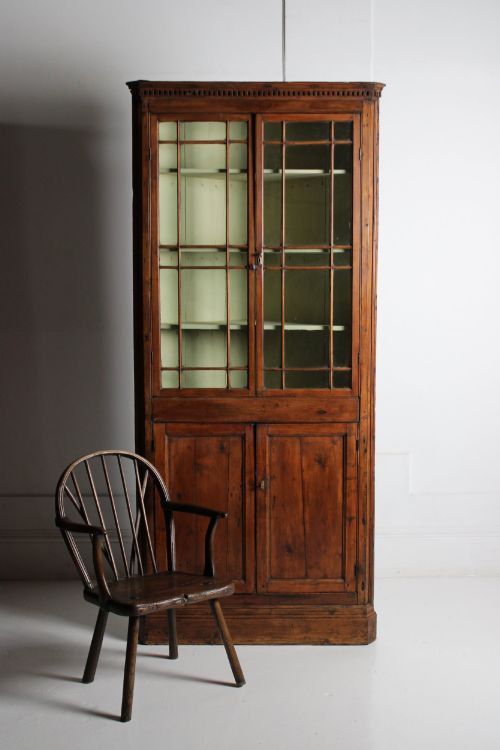
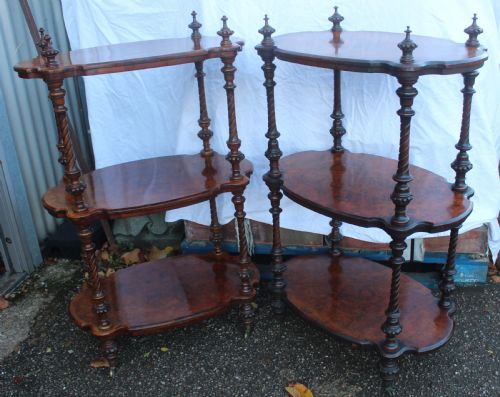
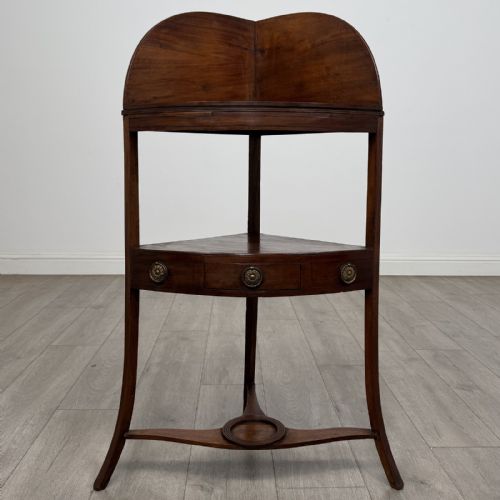
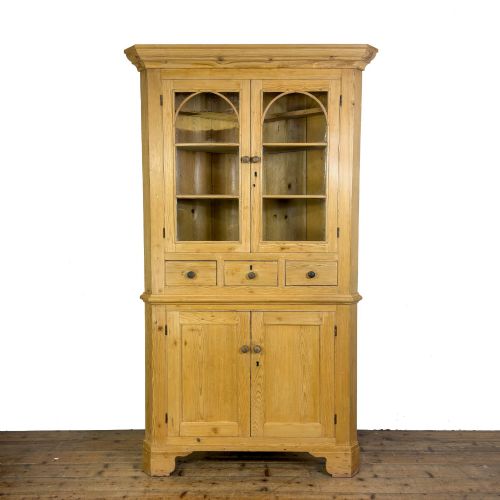
A traditional corner display stand uses awkward angles to hold items securely while occupying minimal floor space in a room. These items appear in timber forms ranging from early Georgian mahogany cabinets to stripped pine farmhouse cupboards.
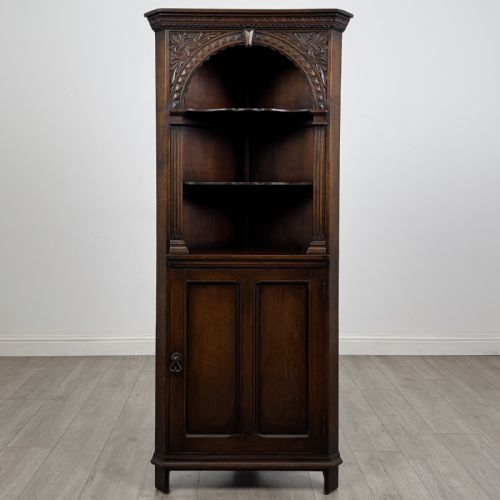
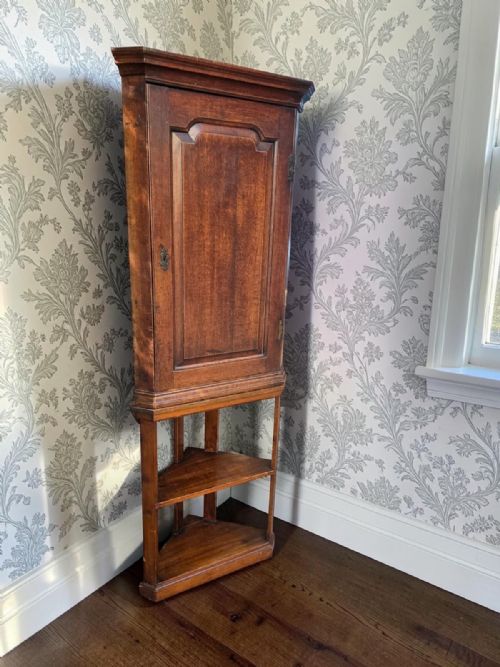
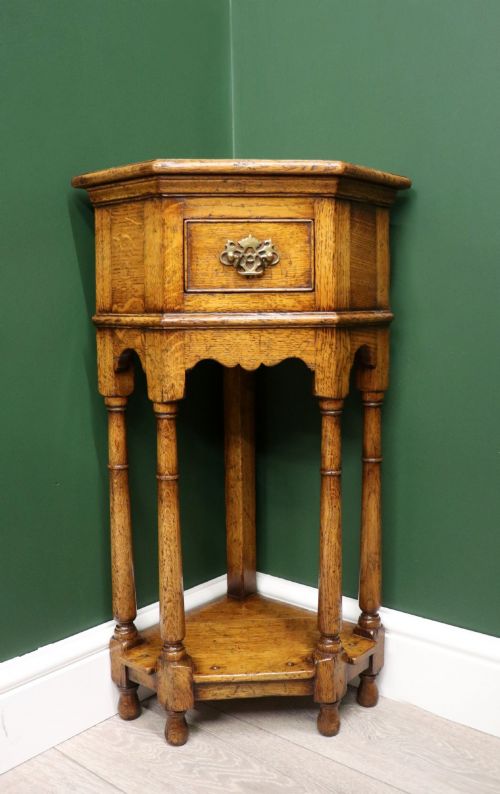
The version most commonly met on this page is the standing corner cupboard or cabinet, often fitted with glazed doors or raised galleries. Makers constructed these pieces from woods such as oak, mahogany, and pine to fit snugly into room junctions.
Surviving examples span multiple centuries, including Victorian country pieces, Edwardian inlaid designs, and heavier Jacobean style revivals. Each iteration serves the practical purpose of storage while exhibiting the distinct joinery of its period.
Materials and construction methods
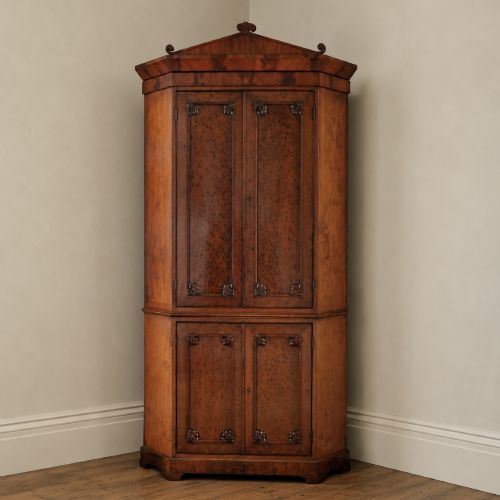
Cabinetmakers built these corner units using solid native timbers like oak and pine alongside imported hardwoods such as mahogany and plum pudding mahogany. Panels were typically framed and panelled to accommodate the seasonal movement of timber in domestic interiors.
Joinery methods involved mortise and tenon frames, dovetail joints for drawers, and brass hinges securing heavy doors. Surfaces received various finishes, from clear polish to red Chinoiserie paintwork or stripped pine textures.
Traditional Corner Display Stand Retail Price Guide 2026
Typical asking prices for traditional corner display stand among the pieces listed under this phrase on Sellingantiques today, from the lower quarter to the upper quarter. They describe what is for sale here now, not the wider market.
Several Victorian pine cupboards spent generations tucked quietly behind parlour doors before finally seeing the light.
Distinctions in quality
Quality in a traditional corner display stand rests upon the selection of timber and the precision of the mitred joints where the cabinet meets the wall. Finer pieces display figured mahogany veneers or careful inlay work rather than plain secondary woods.
Hardware and interior detailing further separate standard utility cupboards from superior examples. Original brass keys, fine glazing bars, and well-proportioned arched alcoves indicate higher workshop standards.
The Traditional Corner Display Stand Glossary
- Gallery
- A raised border running along the top edge of a stand to prevent items from sliding off. This feature is often pierced or turned in wood.
- Plum pudding mahogany
- A dense hardwood variety characterised by swirling, speckled grain patterns resembling Christmas pudding. Cabinetmakers used this timber for high-status furniture.
- Chinoiserie
- A European decorative style imitating Chinese artistic traditions, typically featuring painted motifs on lacquered surfaces. Edwardian examples occasionally utilise this finish.
- Glazing bars
- The wooden strips that hold individual panes of glass within a cabinet door. Finer stands feature slender, delicate bars arranged in geometric patterns.
- Panelled
- Construction method where flat wooden panels are set within a surrounding frame to allow for natural wood expansion. This technique prevents splitting in large cabinet doors.
Traditional Corner Display Stand: Frequently Asked Questions
How do I fit a corner cabinet?
Measure the wall angle carefully before purchasing, as older walls are rarely perfectly square. Most standing units simply push back into the corner, though taller cabinets benefit from wall fixings for stability.
Ensure the floor beneath the stand is level so the doors hang true and swing without catching on the frame or skirting board.
What is plum pudding mahogany?
Plum pudding mahogany is an uncommon grain variation found in certain mahogany trees, marked by dense clusters of circular markings. It was selected by cabinetmakers for prominent display surfaces.
This dense timber takes a high polish and adds significant visual texture to formal Georgian and William IV furniture.
Are pine corner cupboards heavy?
Pine is a softwood, but larger standing cupboards remain heavy due to their solid timber construction and multiple interior shelves. Having two people helps when moving or positioning them.
Heavier pieces distribute their weight across three or four points on the floor, making them stable once placed.
How do I clean antique wood?
Dust surfaces regularly with a dry, soft cloth to prevent grit accumulation. Avoid modern silicone sprays that build up residue and dull the traditional polish.
Apply a traditional beeswax sparingly once or twice a year to nourish dry timber and maintain a natural sheen.