
Vintage Wooden Tea Table
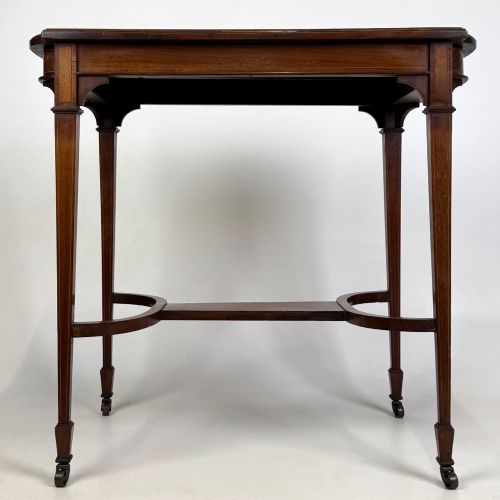
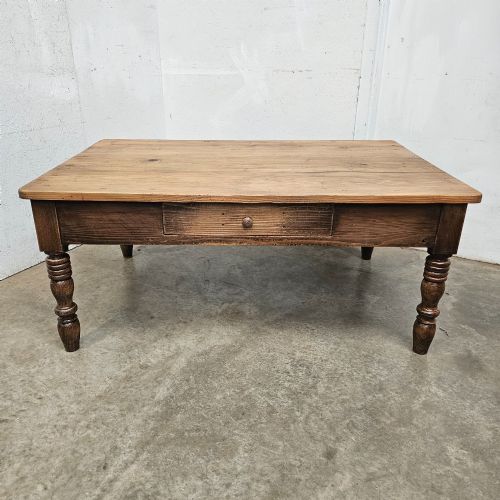
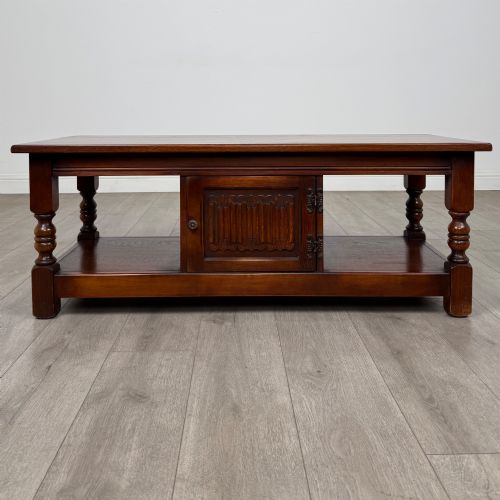
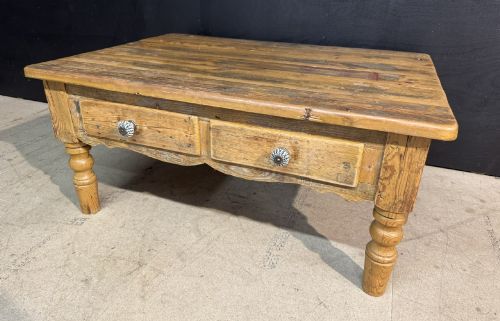
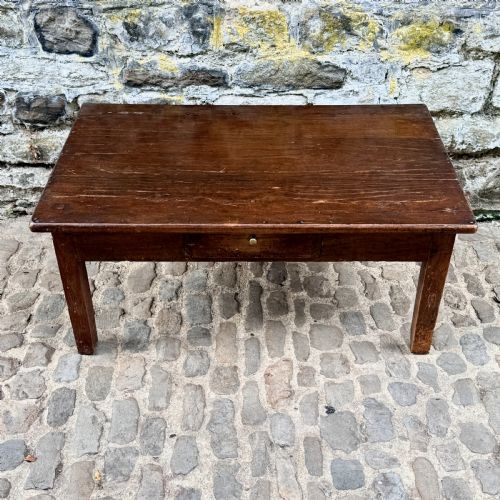
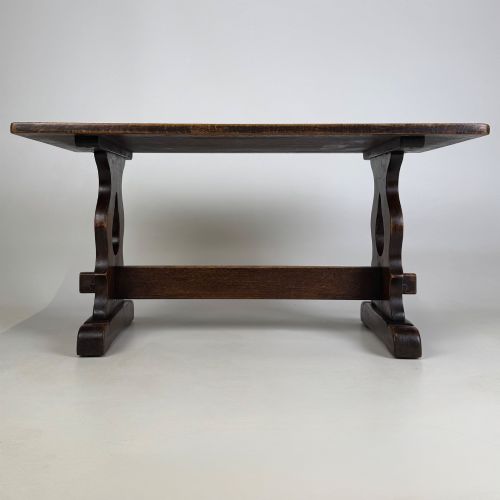
A vintage wooden tea table brings functional timber warmth to a room, offering a sturdy surface designed for serving refreshments or displaying objects.
Vintage Wooden Tea Table
When you search for a vintage wooden tea table, you encounter a wide selection of low surfaces, side tables, occasional tables, and serving trolleys designed for domestic hospitality. These pieces span several distinct eras, drawing from Victorian, Edwardian, and twentieth-century traditions where timber furniture served daily social rituals.
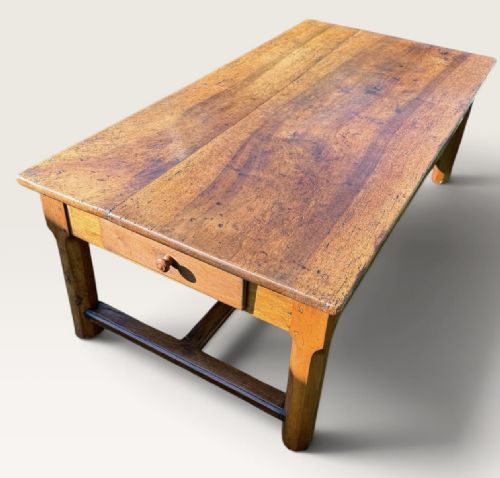
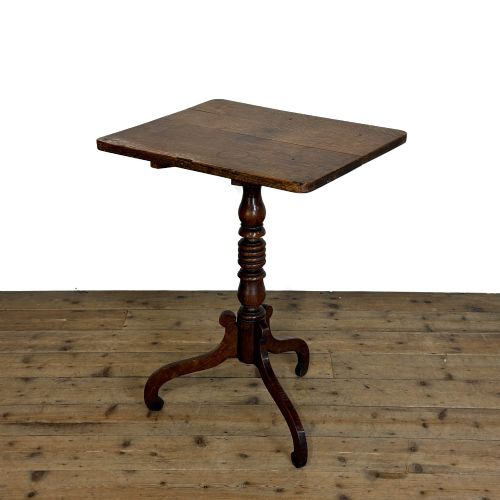
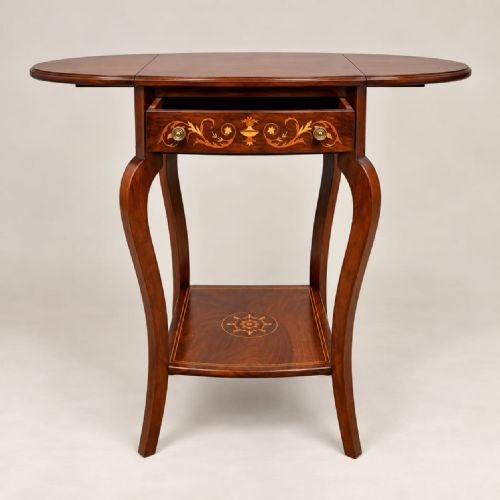
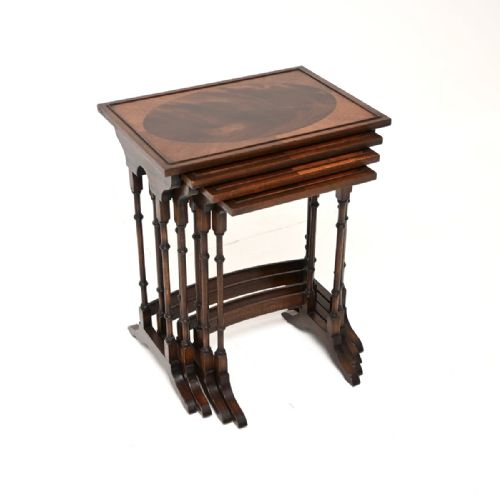
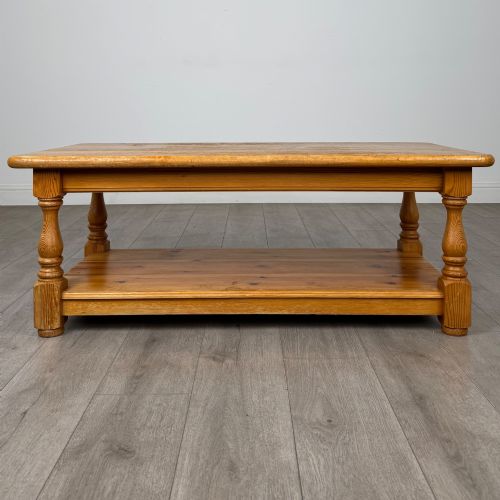
The physical forms on this page include tilt-top pedestals, drop-leaf occasional tables, multi-tiered trolleys, nests of tables, and butler's trays on stands. Mahogany, oak, and walnut dominate the selection, appearing alongside pine, rosewood, and teak in formats ranging from simple farmhouse designs to intricate inlaid pieces.
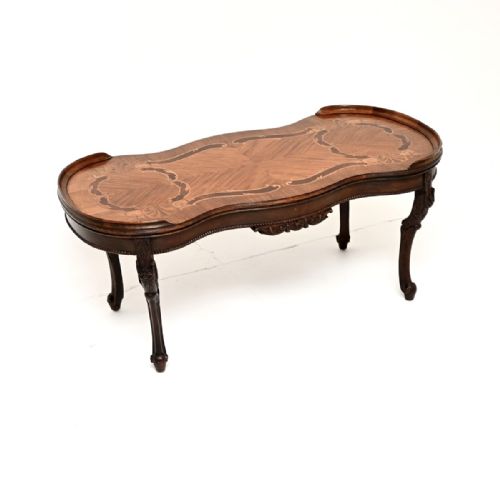
Origins and stylistic influences vary significantly, taking in British revival styles, Anglo-Indian craftsmanship, French marquetry, and Chinese opium tables. Buyers frequently meet Edwardian oak examples featuring turned legs or barley twist supports, alongside Victorian walnut pieces and low nineteenth-century coffee tables adapted from earlier forms.
How they were made
Cabinetmakers constructed these tables using dense hardwoods such as mahogany, walnut, and oak, often applying veneers and marquetry inlay to flat surfaces for decorative contrast. Pine and hardwood served for simpler rustic or farmhouse pieces, while brass fittings provided structural reinforcement or mobility on trolleys and trays.
Joinery techniques relied on traditional framing methods, turning, and carving to shape legs, pedestals, and gallery edges. Woodworkers utilised turning lathes to produce barley twist and spindle legs, and fashioned drop leaves and tilt mechanisms using hinged brass hardware.
Tables on this page range from modest pine coffee surfaces to Chinese opium tables and Japanese hibachi stands.
What varies in quality
The quality of a piece rests upon the selection of timber and the precision of its construction, particularly in the figuring of veneers like burr walnut and the stability of joints in drop-leaf and tilting mechanisms. Finishes applied to the wood display differing depths of hand-polishing and care, distinguishing standard utility items from finer parlour furniture.
Decorative elements such as hand-carved details, inlaid marquetry work, and brass mountings reveal the level of craftsmanship invested in the object. Coherence in style, from Edwardian simplicity to elaborate Victorian or Anglo-Indian decoration, dictates the integrity of the design.
The Vintage Wooden Tea Table Glossary
- Sutherland table
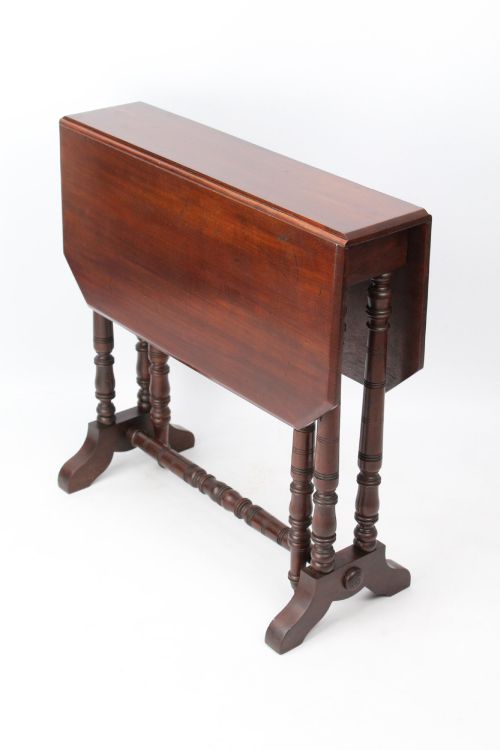
- A narrow drop-leaf table with exceptionally small flaps supported by pivoting gatelegs when raised. This form folds flat for storage against a wall.
- Tilt-top table
- A pedestal table featuring a top that hinges vertically to rest flat when not in use. This mechanism allowed tables to be tucked away against room perimeters.
- Marquetry
- Decorative veneer work formed by fitting together small pieces of wood, shell, or ivory to create pictorial or geometric patterns on surfaces. This technique appears on French and Sorrento pieces.
- Barley twist
- A carved wooden furniture leg or support shaped into a spiral resembling twisted barley sugar. It remains common in Edwardian oak tables.
- Pembroke table
- A small rectangular table featuring two folding flaps on opposite sides and a drawer beneath the top. It developed during the eighteenth century for breakfast or tea.
Vintage Wooden Tea Table: Frequently Asked Questions
What is a tea trolley?
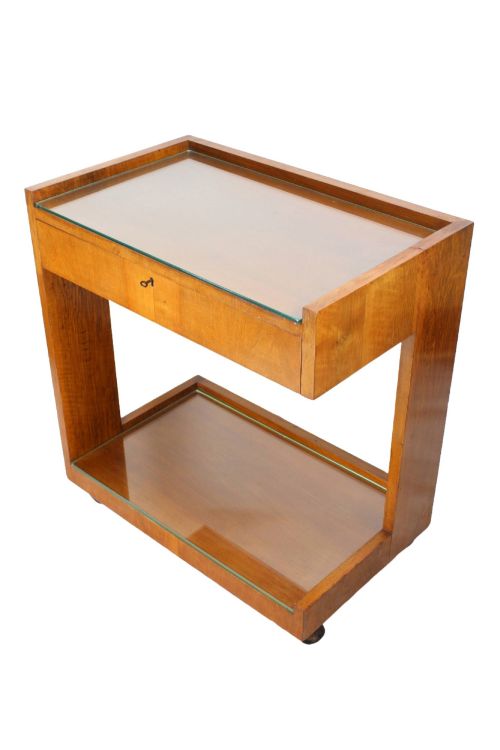
A tea trolley is a small mobile table fitted with wheels or castors, designed for transporting tea services and refreshments between rooms.
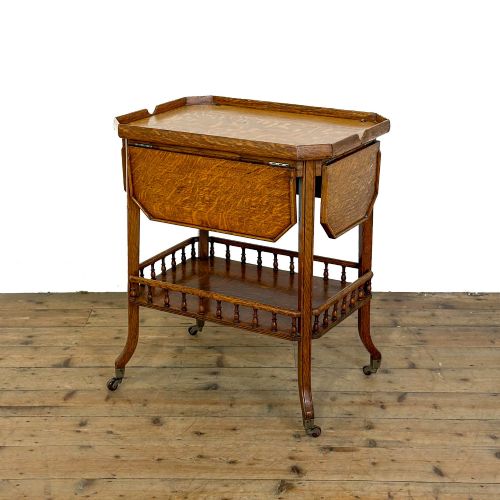
Many examples feature two or three tiers, drop leaves, or removable butler's trays on top for practical serving.
How do I use a nest of tables?
A nest of tables comprises a set of graduated smaller tables that slide neatly underneath the largest main table when not in use.
They provide flexible surface space for drinks or books in compact sitting rooms without cluttering the floor area.
How do I identify an Edwardian table?
Edwardian tables typically date from the early twentieth century and often display lighter oak or mahogany construction with restrained decorative carving.
Common markers include barley twist legs, two-tier trolley designs, and small occasional tables produced during the reign of Edward VII.
What is a butler's tray table?
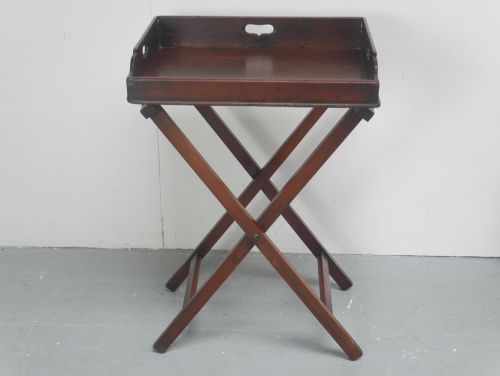
A butler's tray table consists of a removable wooden tray with raised gallery sides placed atop a folding or fixed wooden stand.
Originally utilised by staff for carrying items from the kitchen, the tray lifts off independently from its supporting base.