

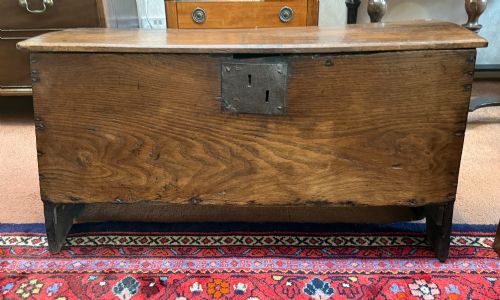
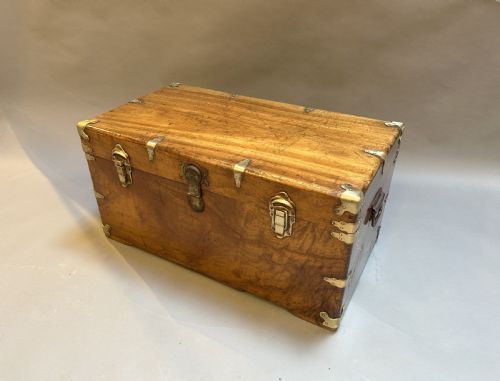
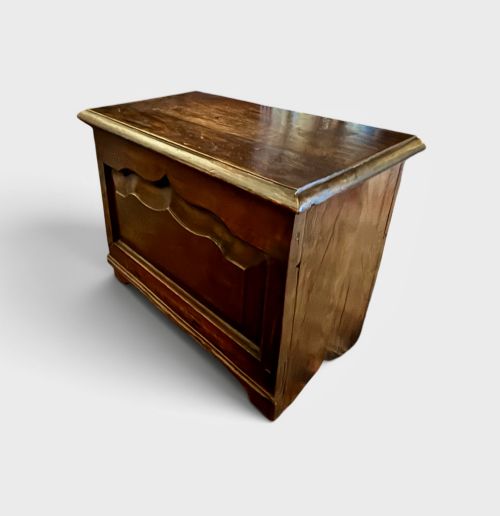
Vintage Wooden Storage Trunk
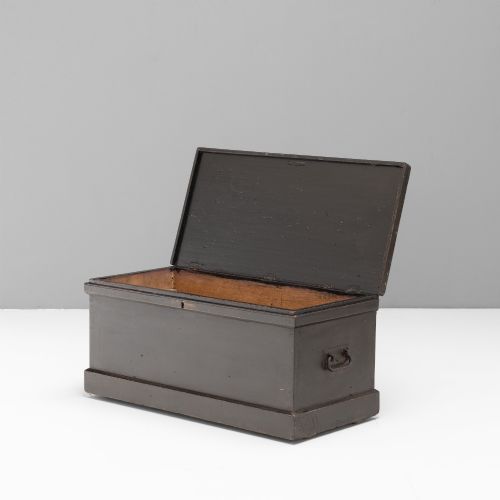
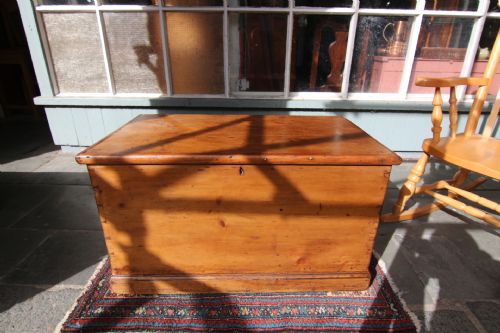
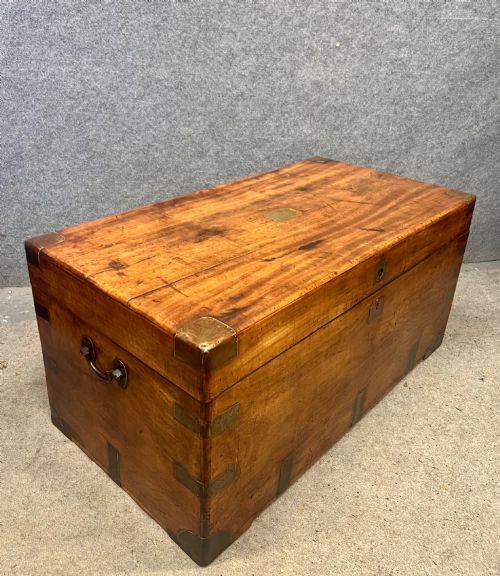
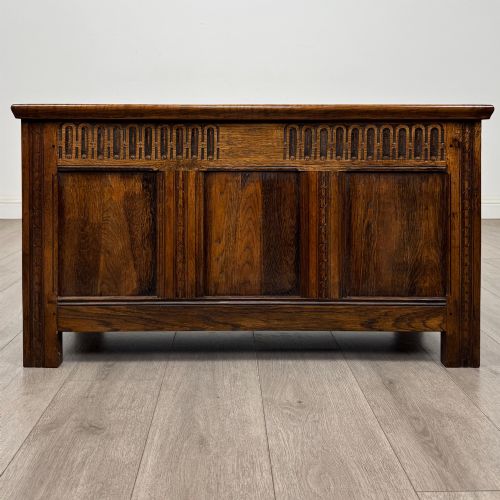
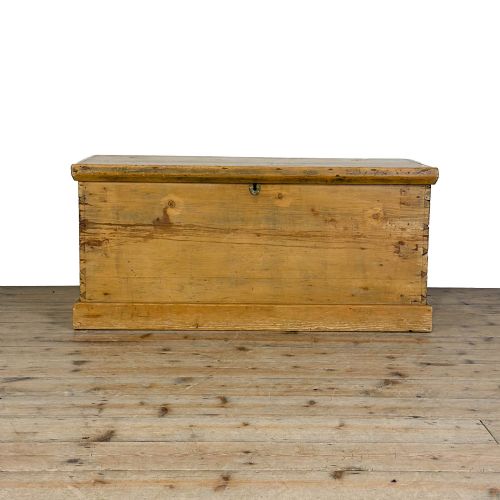
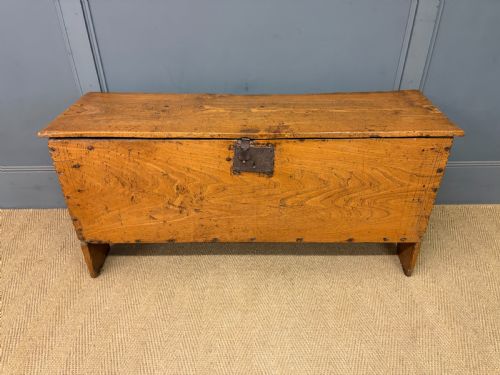
When you search for a vintage wooden storage trunk, you find robust domestic and travel chests built from pine, oak, camphor wood and teak.
Vintage Wooden Storage Trunk
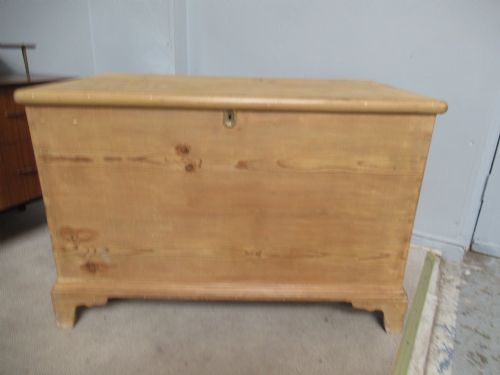
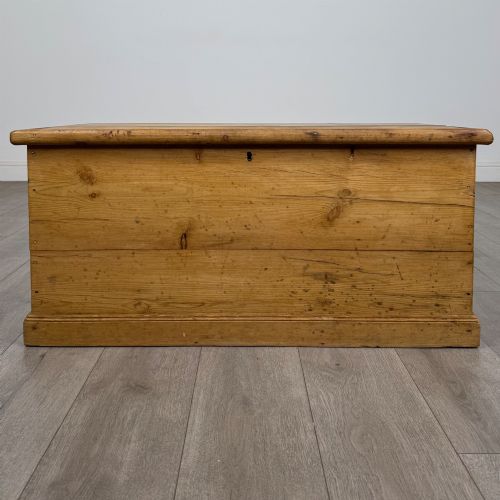
A vintage wooden storage trunk serves as a practical repository for blankets, linen and personal belongings, taking the form of coffers, blanket boxes and travel chests. These pieces span from the seventeenth century through to the twentieth century, encompassing utilitarian pine storage boxes alongside robust campaign chests.
The most common examples encountered on this page are nineteenth-century Victorian pine blanket boxes and nineteenth-century camphor wood chests. Alongside these domestic containers appear seventeenth-century to twentieth-century oak coffers, elm boxes and travel trunks fitted with iron and brass hardware.
Materials and Construction
Makers utilised native and exotic timbers including pine, oak, elm, walnut, teak, padouk and camphor wood. Pine and oak predominate in domestic blanket boxes and coffers, whilst camphor wood and teak are selected for travel trunks due to their durability and insect-repellent properties.
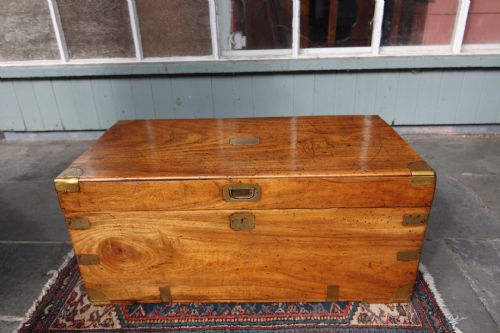
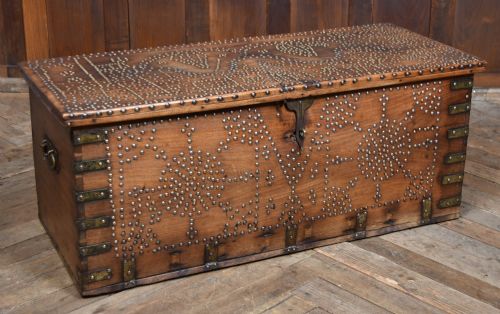
Construction methods rely on solid wood joined with dovetails, tongue and groove panels, or sturdy framing. Many trunks incorporate hand-forged iron strapwork, brass corners, side carrying handles and studded decoration to reinforce the structure for transport.
Several camphor wood chests retain an aromatic heritage that continues to keep moths at bay after more than a century.
Judging Quality
Quality rests upon the selection of timber, the integrity of the joinery and the survival of original hardware such as brass bindings, locks and handles. Solid timber construction and thoughtful proportions distinguish standard utility boxes from finer decorative chests.
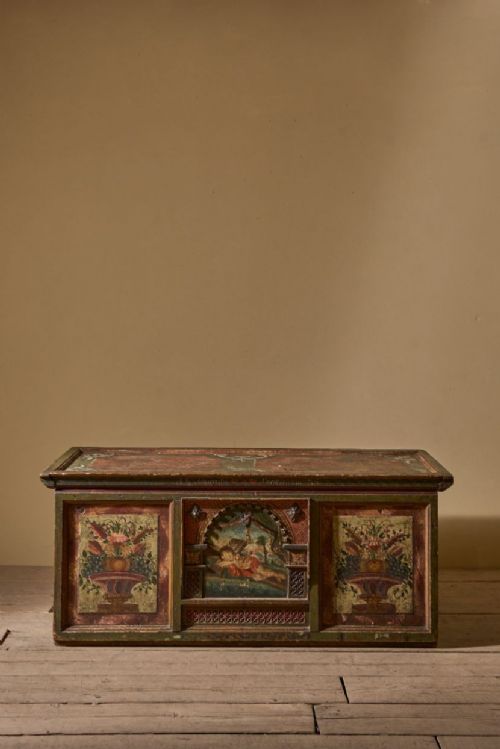
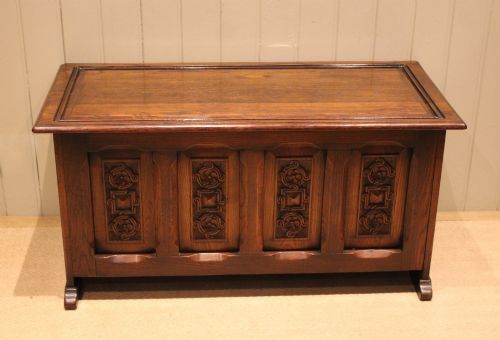
The degree of enrichment, seen in carved oak panels, intricate brass studwork, inlaid mother of pearl or original painted finishes, separates straightforward storage from exceptional craftsmanship.
The Vintage Wooden Storage Trunk Glossary
- Coffer
- A heavy wooden chest traditionally used for storing valuables, linens or documents. These pieces often feature hinged lids and sturdy board construction.
- Campaign chest
- A portable trunk or chest made in sections designed for easy transport by military officers on the move. They typically feature recessed brass handles and reinforced corners.
- Blanket box
- A large rectangular container designed specifically for storing woollen blankets and household textiles. They frequently appear in plain or painted pine across various periods.
- Strapwork
- Ornamental bands of metal, usually iron, applied to the exterior of a trunk to strengthen the joints and protect the wooden panels.
- Camphor wood
- An aromatic hardwood utilised extensively for nineteenth-century travel chests. Its natural scent protects stored garments from moths and insects.
Vintage Wooden Storage Trunk: Frequently Asked Questions
What is a vintage wooden storage trunk used for?
These trunks provide deep, enclosed storage for bulky household items such as extra blankets, heavy winter bedding and seasonal clothing. Placed at the foot of a bed or utilised as a coffee table, they combine practical utility with historic character.
Their robust timber construction allows them to double as sturdy furniture surfaces within a living space while keeping clutter entirely out of sight.
How do I identify a campaign trunk?
Campaign trunks are characterised by their modular construction, flush-mounted brass handles and protective metal corners designed to withstand frequent travel. They were built for officers on the move and often separate into distinct sections.
Look for durable timbers like camphor wood or teak paired with secure brass bindings and locking mechanisms made for military service.
Are camphor wood trunks safe for clothing?
Camphor wood is traditionally prized for storing textiles because its natural aromatic oils repel moths and other damaging insects. The distinctive scent protects stored woollens and linens without the need for chemical mothballs.
Over time, the aroma softens slightly but remains an inherent quality of authentic camphor wood chests.
How do I date an antique wooden trunk?
Dating relies on observing the wood species, construction techniques, fastener types and overall style of the piece. Hand-forged iron strapwork, dovetail joints and specific period characteristics help narrow down the century of manufacture.
Secondary woods, lock mechanisms and any surviving maker marks or historical inscriptions also provide reliable clues to the age of a chest.