
Vintage Wooden Storage Cabinet
A vintage wooden storage cabinet brings practical order to a room, offering sturdy timber construction and time-tested utility.
Vintage Wooden Storage Cabinet
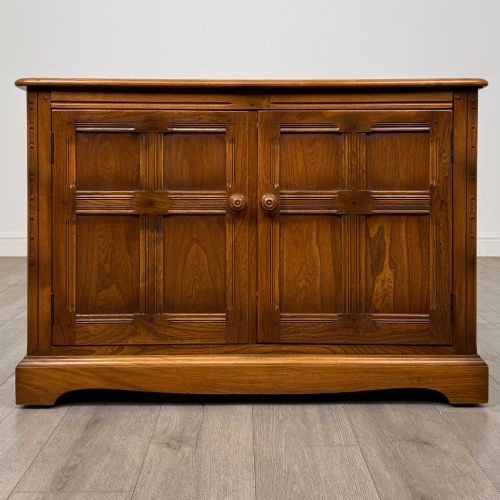
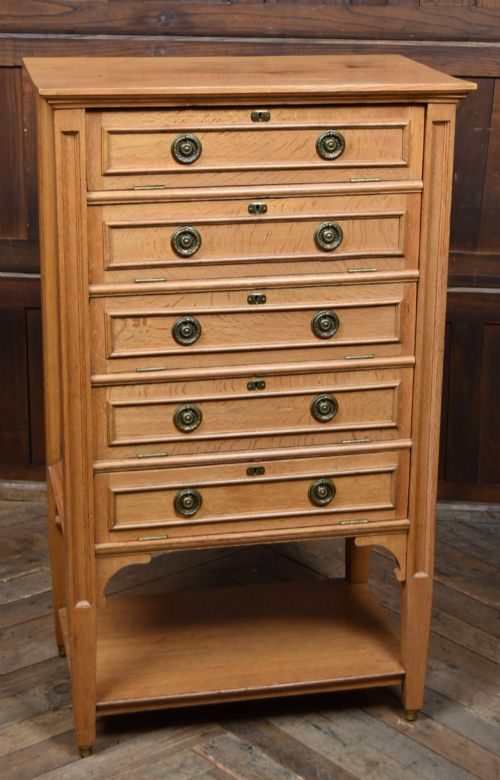
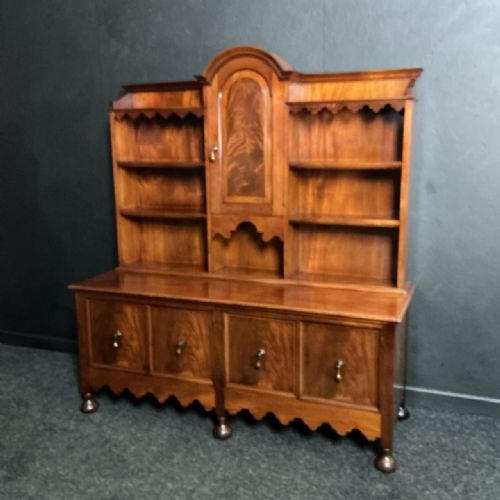
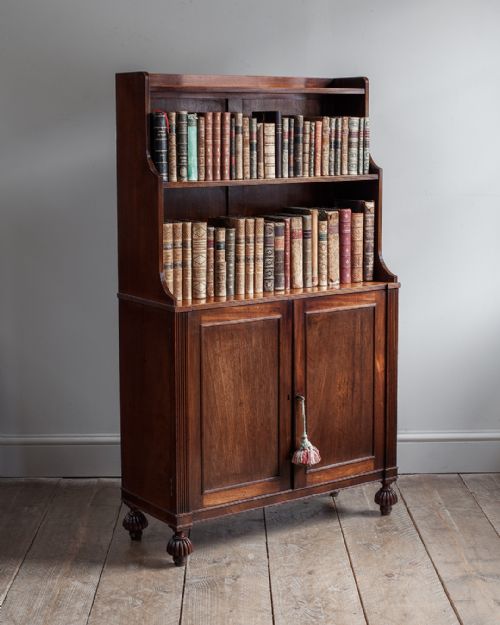
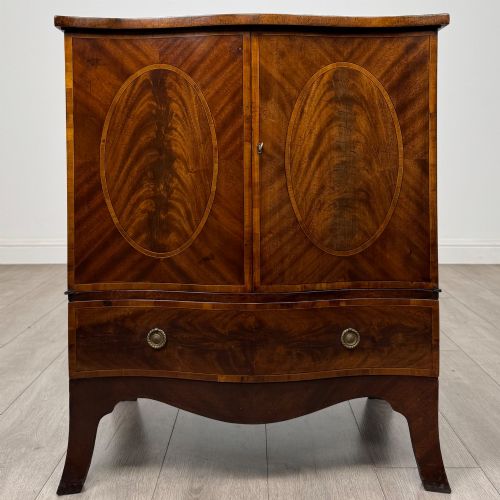
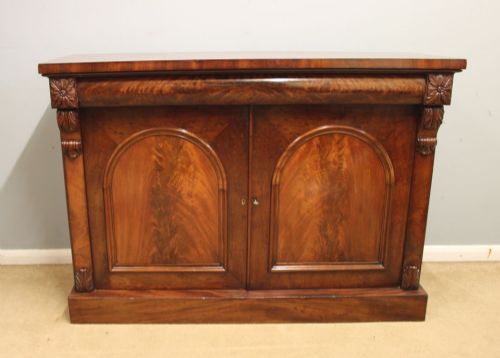
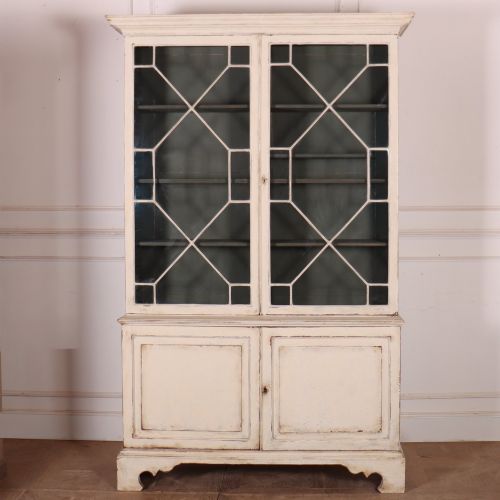
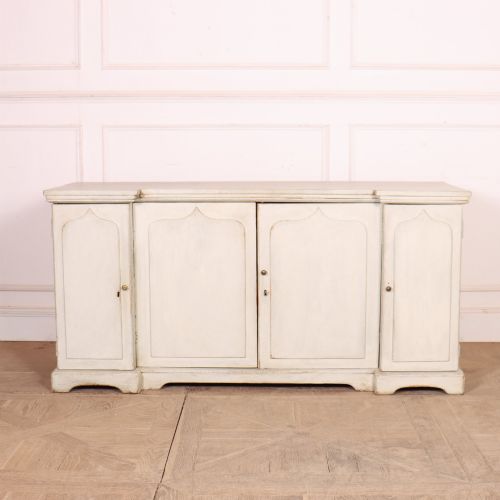
A vintage wooden storage cabinet encompasses a practical variety of utilitarian forms designed to hold household goods, files, or clothing. Buyers searching for a vintage wooden storage cabinet encounter pieces ranging from Edwardian and Victorian cupboards to filing cabinets, dressers, and sideboards.
Originating from English, French, and Scottish workshops, these items serve domestic and professional spaces alike. The pieces draw upon traditional cabinet-making styles such as Regency, Arts and Crafts, and French Provincial.
How they were made
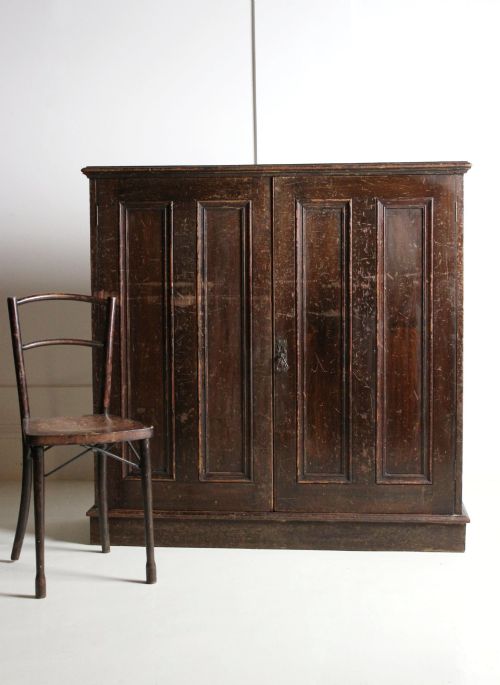
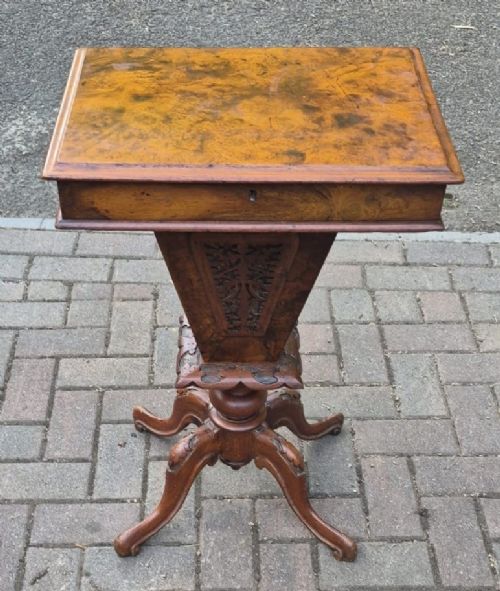
Cabinet-makers relied on solid hardwoods like oak, mahogany, walnut, and burr walnut, alongside softer pine, constructing carcasses with durable joinery. Surfaces often feature figured veneer panels, polished finishes, or painted treatments.
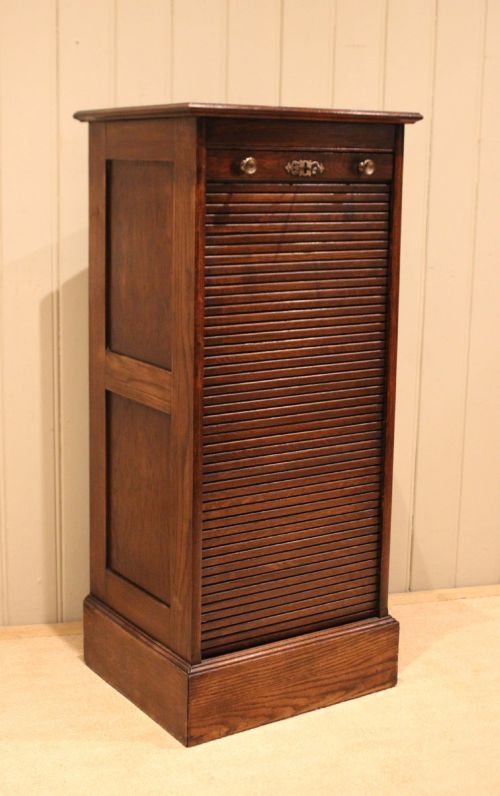
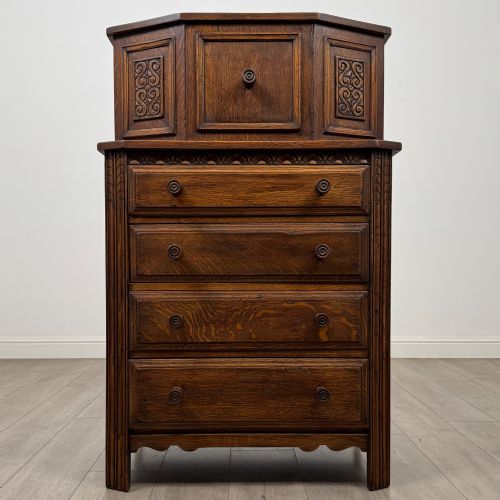
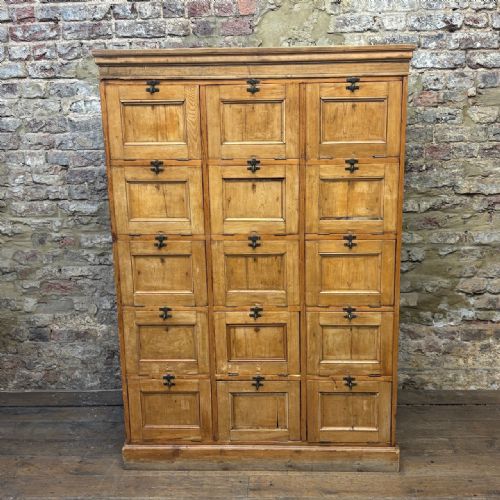
Functional hardware integrates brass handles, iron fittings, and specialised mechanisms such as tambour slats for sliding fronts. Drawer construction utilises solid timber linings, while taller pieces incorporate internal shelving, hanging space, or vertical filing dividers.
Storage forms span chests of drawers, filing cabinets, sideboards, wardrobes, bookcases, and bedside cupboards.
What varies in quality
The calibre of a piece depends heavily on the selection of timber, such as highly figured burr walnut or premium golden oak, matched with competent joinery. Superior examples display refined proportions, integrated mouldings, and original hardware.
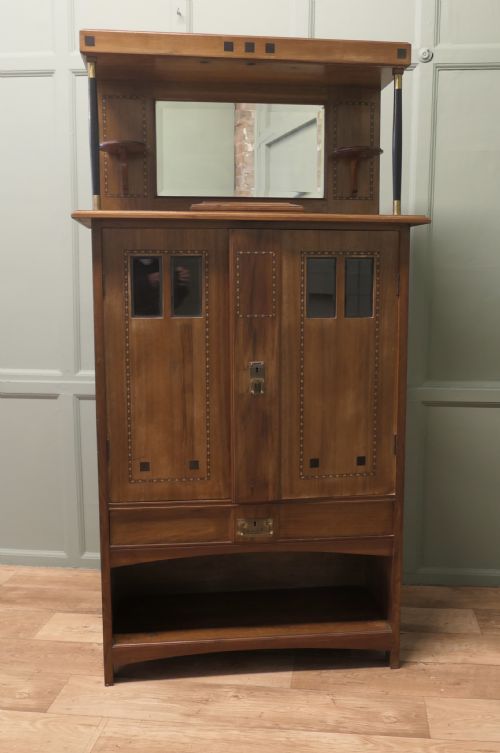
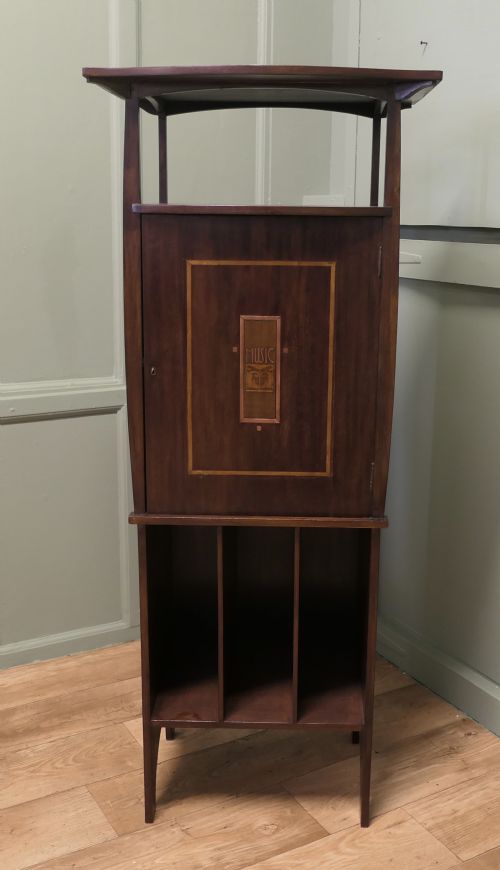
Functional mechanics differentiate standard utility items from finer specimens, particularly in smoothly operating tambour fronts, tightly fitted drawers, and robust locking mechanisms. The pedigree of design, whether a plain pine locker or a refined Arts and Crafts music cabinet, dictates the overall execution.
JS Henry·maples & co·Denby & Spinks
The Vintage Wooden Storage Cabinet Glossary
- Tambour
- A flexible shutter or door constructed from narrow strips of wood glued to a canvas backing, allowing it to slide smoothly around a curved track on filing cabinets and cupboards.
- Serpentine
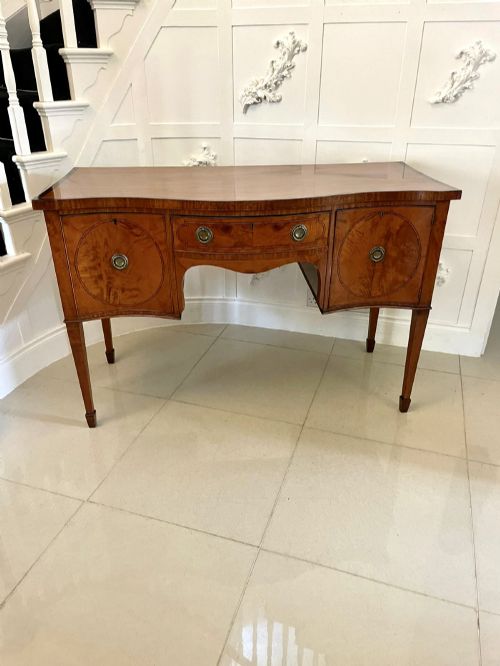
- A curved furniture front characterised by a convex centre flanked by concave ends, creating a gentle undulating shape often seen on high-quality sideboards and chests.
- Wellington chest
- A tall, narrow chest of drawers secured by a sturdy hinged locking side flap that fastens with a padlock or key, traditionally used for confidential papers.
- Linen press
- A tall cupboard featuring upper shelving for folded textiles and lower drawers for supplementary storage, frequently constructed in mahogany or burr walnut.
- Tallboy
- A tall chest of drawers consisting of one chest stacked directly upon another, maximising vertical storage capacity in domestic chambers.
Vintage Wooden Storage Cabinet: Frequently Asked Questions
How do I identify an Edwardian cabinet?
Edwardian cabinets date from roughly 1901 to 1910 and often exhibit lighter timbers like satinwood and polished oak. They frequently draw inspiration from earlier Georgian and Regency styles.
Look for refined brass hardware and simple structural lines. These pieces reflect a shift towards brighter, less cluttered domestic interiors.
Where were these cabinets used?
These cabinets served diverse roles in both domestic and professional settings, ranging from parlours and bedrooms to offices. Wardrobes, music cabinets, and chiffoniers populated homes, while tambour units organised documents.
Their robust timber construction suited daily high-wear environments. Over time, their practical forms transitioned into decorative living room storage.
What is burr walnut?
Burr walnut refers to wood harvested from a growth deformity on a walnut tree, producing highly intricate, swirling grain patterns. Cabinet-makers sliced this wood into thin veneers to adorn drawer fronts and doors.
Due to its striking visual texture, burr walnut was reserved for higher-status furniture. It adds decorative warmth to mid-century and Victorian storage pieces.
How do I care for wooden storage?
Maintain wooden storage by keeping pieces away from direct heat sources and dramatic humidity fluctuations. Regular dusting with a soft, dry cloth preserves the polished timber finish.
Avoid abrasive chemical cleaners that strip traditional wax or varnish. Conditioning the wood periodically prevents the natural timber from drying out.