
Vintage Wooden Standard Lamp
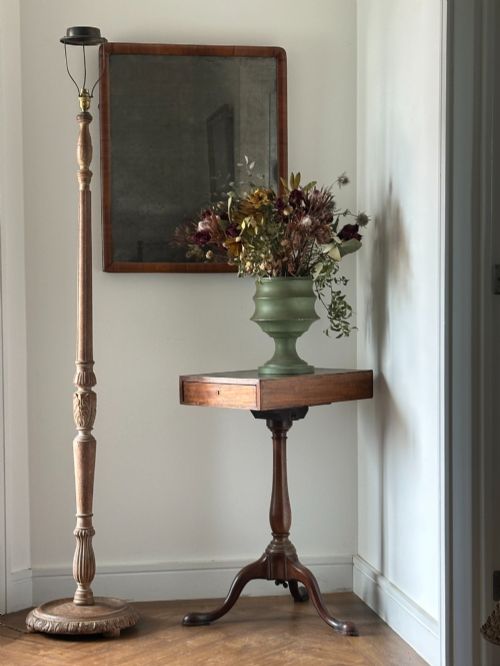
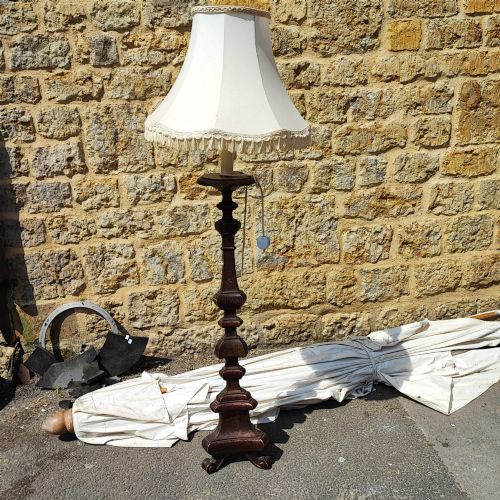
A vintage wooden standard lamp brings height and warmth to a room, offering a commanding presence through turned columns and carved timber.
Vintage Wooden Standard Lamp
A vintage wooden standard lamp provides freestanding vertical lighting for living spaces, originating across periods from the nineteenth century through the mid twentieth century. These pieces appear in forms such as floor lamps, standard lamps, and lamp tables, often serving as the primary illumination source in a corner or beside seating.
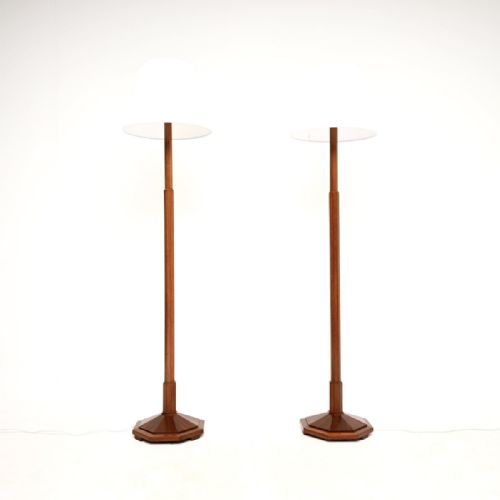
The versions most commonly met on this page date from the Edwardian era and the nineteen-twenties, frequently rendered in oak, walnut, or mahogany. Makers from these decades utilised styles ranging from Arts and Crafts and Art Deco to Chinoiserie and Regency Revival.
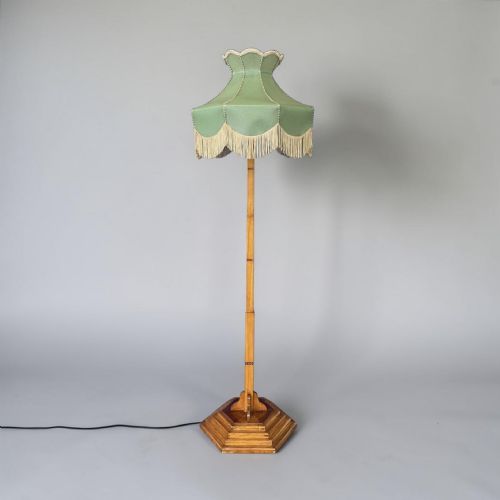
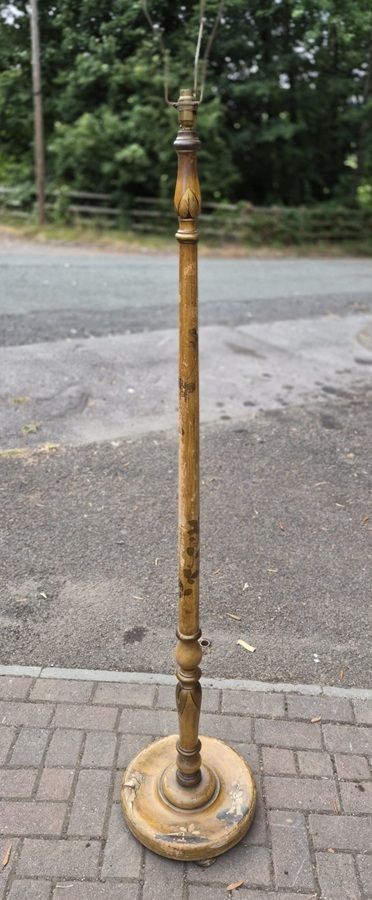
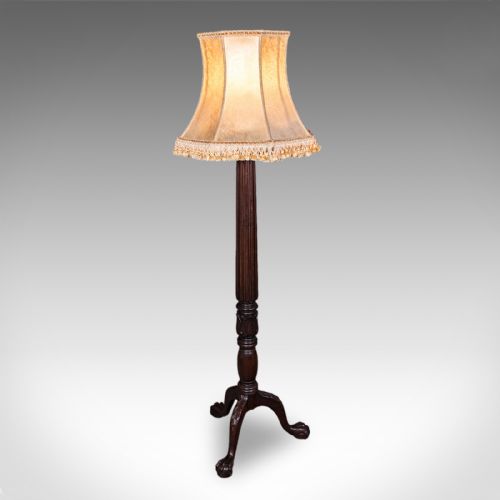
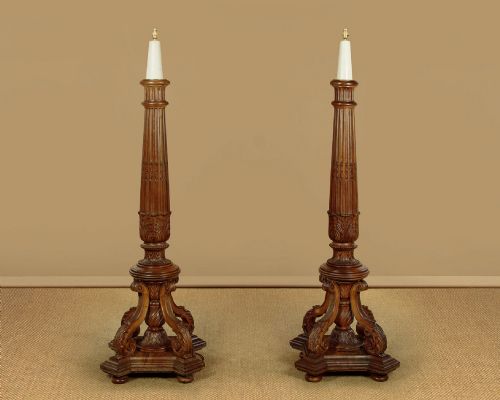
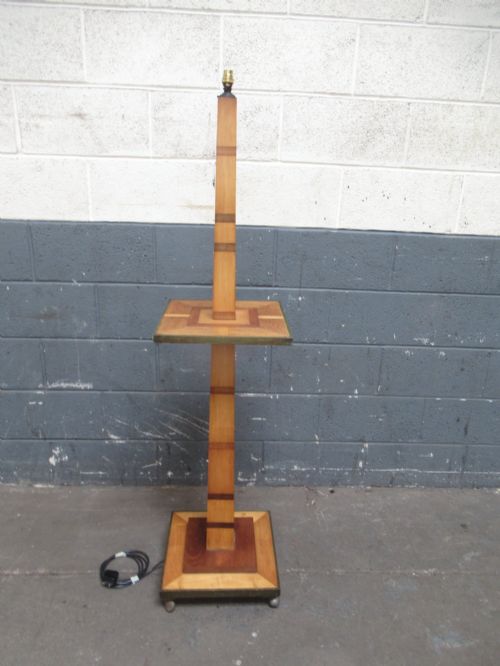
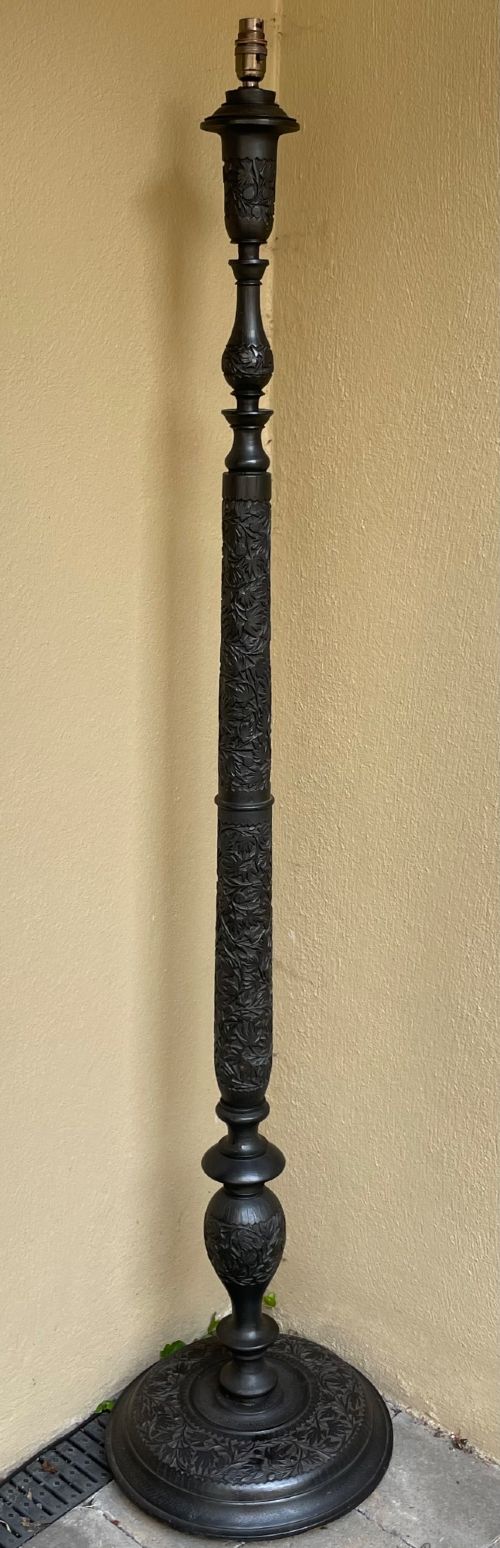
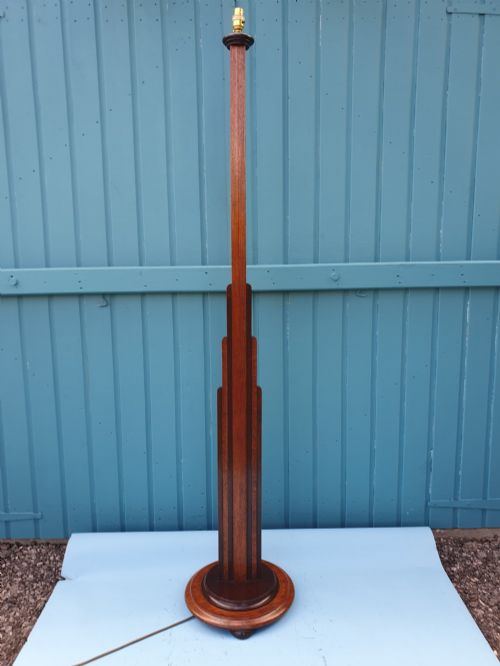
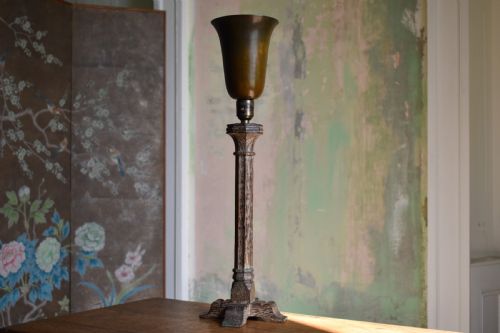
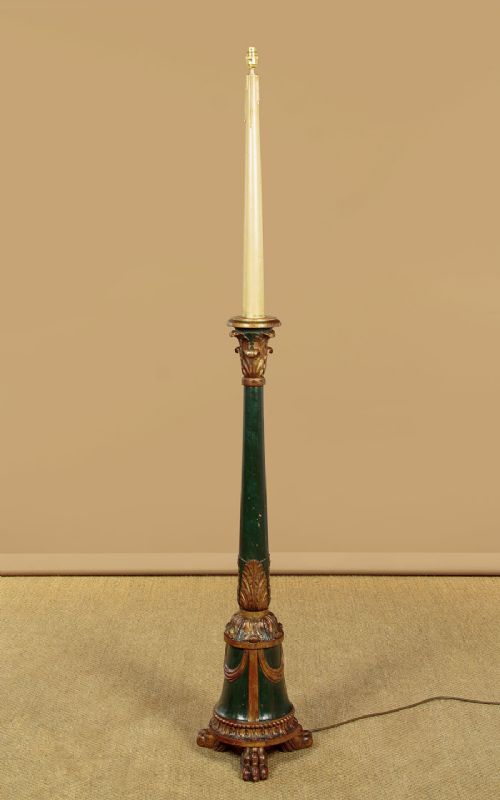
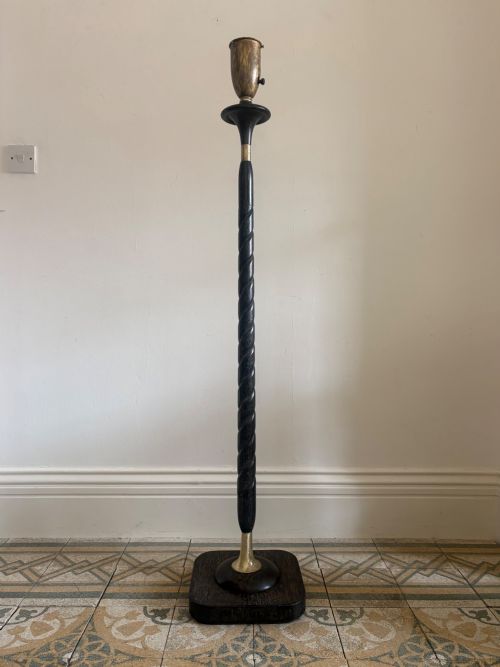
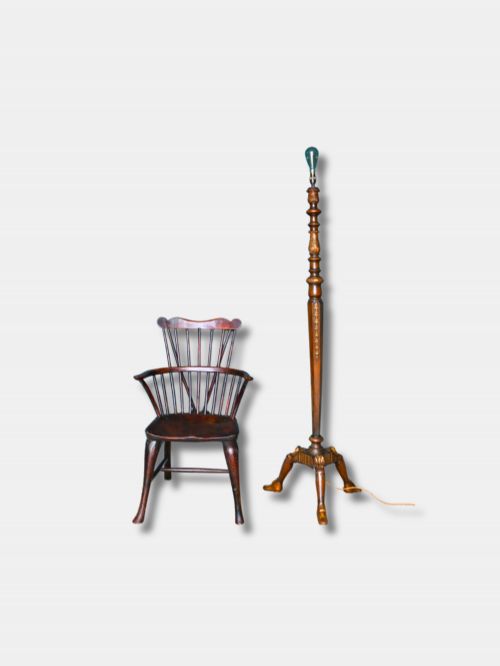
Tall timber columns often terminate in tripod bases, circular platforms, or heavy plinths, occasionally incorporating brass fittings and fabric shades. The selection ranges from plain carved oak to painted, giltwood, and ebonised finishes.
Materials and construction methods
Construction relies heavily on hardwoods such as oak, walnut, and mahogany, selected for structural stability in tall vertical shafts. Turnery techniques created barley twist and fluted columns, while softer woods like gilder's gesso and giltwood allowed for intricate surface decoration.
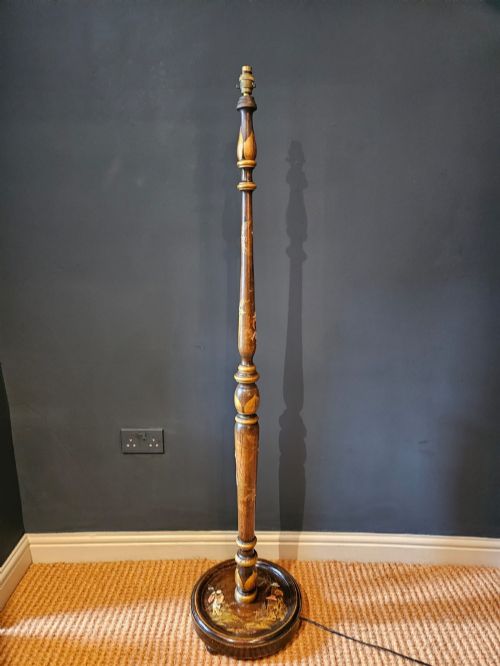
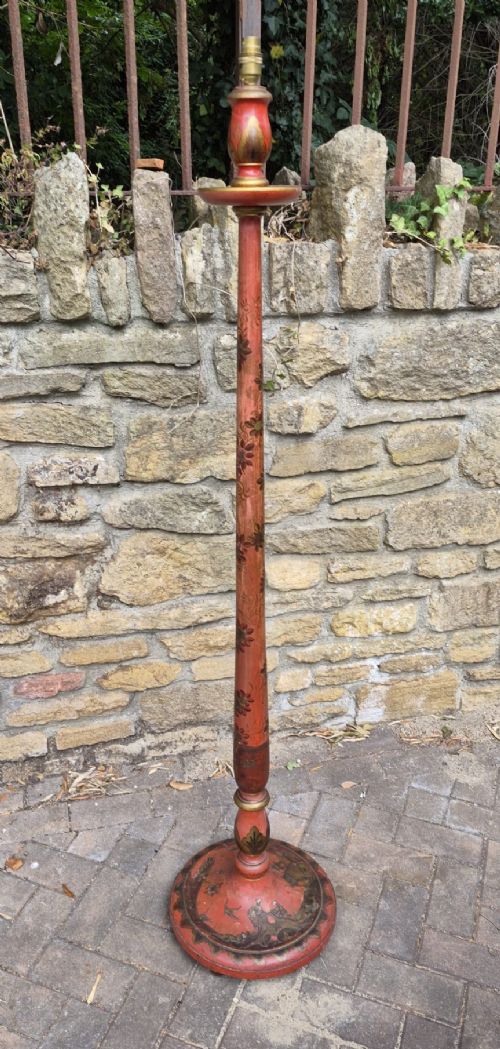
Surface treatments included liming on oak, parcel gilding, and hand-painted Chinoiserie decoration in crimson or polychrome. Brass components frequently integrated into the wiring pathways, collars, and weighted bases to ensure stability.
Occasionally, a tall timber shaft hides an unexpected companion, from a carved Venetian figure to an amusing night watchman sculpture.
Factors of distinction
Quality rests upon the crispness of the carving, the selection of figured timber veneers, and the integrity of the structural joints. Pieces executed in solid walnut or carved mahogany demonstrate superior material handling compared to simpler painted pine or utility carcases.
The sophistication of the stylistic execution separates standard production from exceptional examples, particularly in bespoke Chinoiserie motifs, giltwood flourishes, and well-balanced tripod or stepped pedestal bases.
The Vintage Wooden Standard Lamp Glossary
- Standard Lamp
- A heavy-based floor lamp designed to stand upright without table support. These tall fixtures typically support a large fabric shade.
- Barley Twist
- A spiral carved column resembling a twisted loaf of bread. This decorative turning technique enjoyed great popularity during the early twentieth century.
- Chinoiserie
- European interpretation of Chinese and East Asian artistic traditions, featuring hand-painted motifs on lacquered or painted timber surfaces.
- Giltwood
- Timber coated with thin gold leaf or gilt paint over a prepared gesso ground. This finish provides a bright reflective quality found on decorative Italian and French pieces.
- Limed Oak
- Oak treated with a specialised finish that leaves a white pigment in the open grain. The process highlights the natural texture of the timber.
Vintage Wooden Standard Lamp: Frequently Asked Questions
How do I date a wooden standard lamp?
Dating relies on stylistic clues, timber choice, and construction methods. Edwardian and nineteen-twenties pieces often display characteristic Art Deco geometry or traditional barley twist turnings.
Earlier nineteenth-century examples tend to feature heavier proportions, dense mahogany, and deeper hand-carved ornamentation that distinguishes them from later production.
Are these lamps safe to use with modern wiring?
Most antique and vintage floor lamps require rewiring to meet contemporary safety standards. Qualified electricians can easily update internal cables while preserving the historic lamp holder and timber column.
Retaining original brass switches and fittings is often possible, provided the internal electrical components are replaced.
Where should I place a standard lamp in a room?
These tall fixtures function best in corners, beside armchairs, or framing large pieces of furniture. Their vertical height helps balance low ceilings and softens the overall lighting scheme.
Pairing the timber column with an appropriate fabric shade creates a warm, ambient glow suitable for living rooms and studies.
What is the difference between a standard lamp and a floor lamp?
In British antique terminology, standard lamp and floor lamp are largely interchangeable terms for a tall, freestanding light fixture. Both describe weighted vertical pieces designed to illuminate a room from floor level.
Regional preferences and dealer descriptions dictate which term appears on a given listing.