


Tall Wooden Lamp
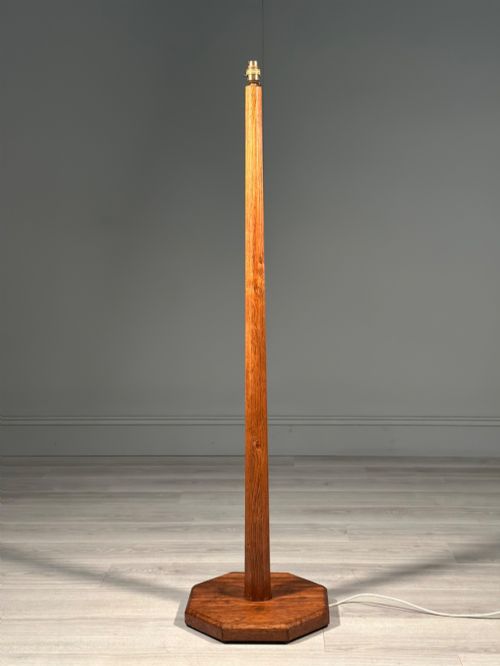
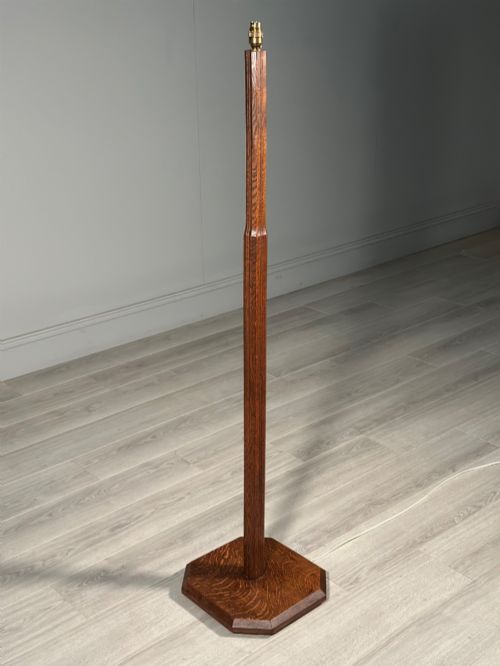
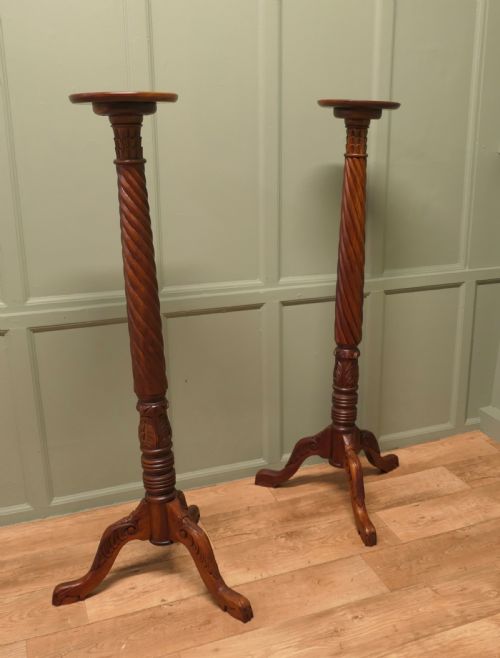
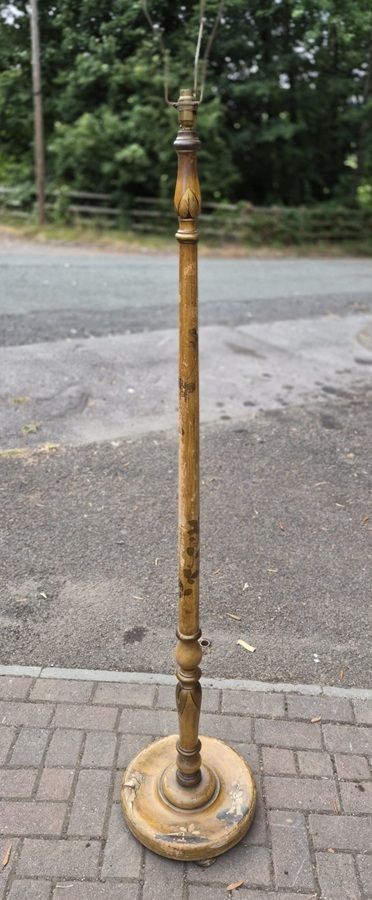
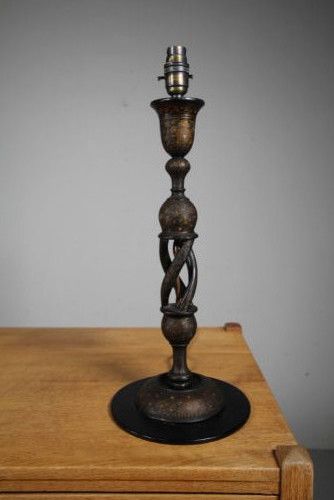
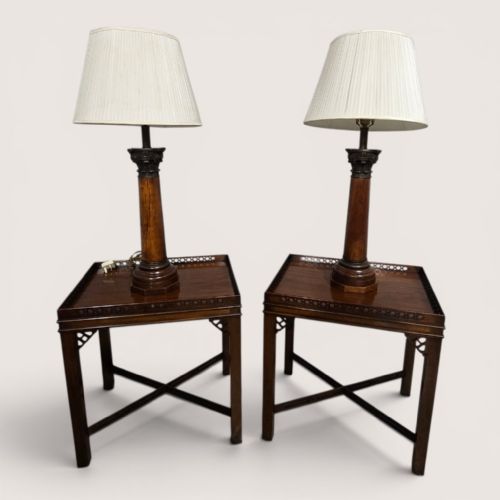
When you search for a tall wooden lamp, you are looking at substantial floor standing lighting and carved torchere stands built from mahogany, oak, walnut and beech.
Tall Wooden Lamp
The tall wooden lamp covers a range of floor standing standards, torchere stands and carved lamp bases designed to elevate a light source within a room. When hunting for a tall wooden lamp, you will frequently encounter standard lamps and torcheres originating from the Victorian, Edwardian and 1930s periods, often standing on tripod bases or heavy turned shafts.
Makers and workshops utilised diverse regional styles, spanning English country oak, Anglo-Indian carvings, Italian Florentine giltwood and Chinese hardwood lantern stands. These tall lights served as decorative architectural elements in sitting rooms and halls, combining utility with fine cabinetmaking.
Many examples began life as oil lamps, torcheres or candlesticks before conversion to electricity, while others were built specifically as standard lamps during the early twentieth century. Their presence ranges from simple turned beech shafts to heavily carved giltwood and parcel gilt columns.
Materials and construction
Makers relied on solid hardwoods such as mahogany, oak, walnut and beech, turning thick timber blanks on lathes to form the central columns and shafts. Carved details were often worked directly into the solid wood or built up using gesso over carved timber bases.
Surface finishes include clear wax polish on plain mahogany and oak, alongside more ornate applications of silver leaf, parcel gilt and polychrome paint. Italian and English workshops applied giltwood and gesso to create reflective, decorative standard lamps that caught the gaslight or early electric glow.
Tall Wooden Lamp Retail Price Guide 2026
Typical asking prices for tall wooden lamp among the pieces listed under this phrase on Sellingantiques today, from the lower quarter to the upper quarter. They describe what is for sale here now, not the wider market.
Listings feature standard lamps and torcheres spanning the 18th century, Victorian era, Edwardian period and the 1930s.
Markers of quality
Quality rests in the weight and balance of the timber base, where a sturdy tripod or heavy stepped foot ensures the tall shaft remains stable upright. Fine hand carving, crisp turning on the lathe and well-preserved original gilding or polish separate superior examples from plain utility pieces.
The integration of wiring channels without compromising the structural integrity of the antique shaft indicates thoughtful conversion work. Pieces retaining matching pairs or retaining their original architectural proportions command greater presence in a room.
Druce & Co London
The Tall Wooden Lamp Glossary
- Torchere
- A tall stand originally designed to carry a torch or candle, frequently adapted as a tall wooden lamp. These slender pedestals often feature carved tripod or circular bases.
- Standard lamp
- A term historically used for a freestanding floor lamp designed to stand beside furniture. They typically feature a heavy base and an upright wooden column holding a light fitting.
- Giltwood
- Timber coated with gold leaf or a gold-coloured metallic finish over a prepared gesso ground. This technique adds bright reflectivity to Italian and English standard lamps.
- Gesso
- A plaster-like mixture applied to wood surfaces and carved before gilding or painting. It provides a smooth base for intricate decorative motifs on antique lamp stands.
- Parcel gilt
- A decoration method where only specific carved portions of a wooden object are highlighted with gold leaf. This leaves the underlying mahogany, walnut or painted surface visible elsewhere.
Tall Wooden Lamp: Frequently Asked Questions
How do I date a tall wooden lamp?
Dating relies on timber selection, turning styles and decorative finishes that align with Victorian, Edwardian or 1930s design traits. Simple turned beech often points to the interwar decades, while heavy mahogany and carved walnut frequently date to the nineteenth century.
Examining the internal wiring channels, base construction and any remnants of original fittings helps narrow down the manufacturing era. Comparing the piece to standard furniture styles of the same decade confirms its age.
Were these lamps originally electric?
Most antique tall wooden lamps started life as oil lamps, gas standards, candlesticks or decorative torcheres. They were subsequently converted to accept modern electrical components as domestic lighting evolved.
Professionally converted standards retain their original wooden shafts intact while housing modern wiring safely through the central channel. This allows historic craftsmanship to function safely in contemporary homes.
What is the difference between a torchere and a standard lamp?
A torchere is traditionally a slender display stand built to hold a light source or decorative object high off the floor. Standard lamps are specifically engineered with heavy weighted bases to support larger electrical fittings and shades.
In practice, many antique torcheres were converted into standard lamps because of their impressive height and decorative carved wooden columns.