





Vintage Wooden Spice Container
A vintage wooden spice container brings tactile warmth and domestic history to a modern room.
Vintage Wooden Spice Container
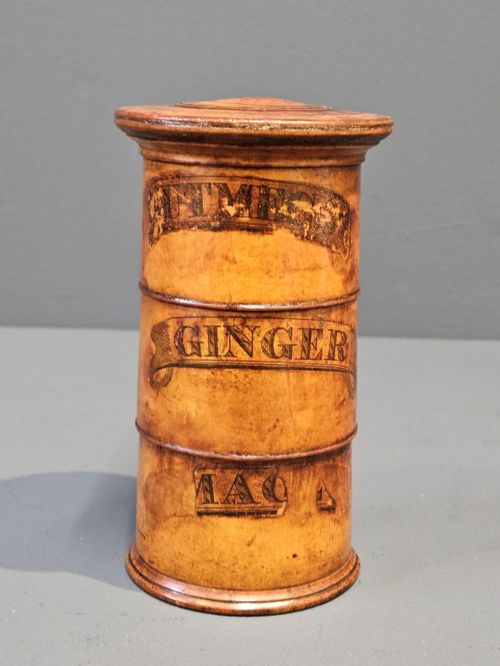
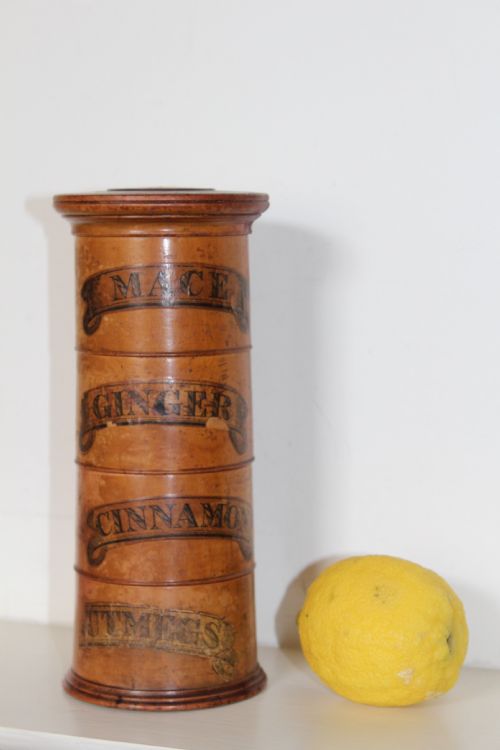
A vintage wooden spice container is a functional treen object designed to store and preserve culinary aromatics in the home. These pieces encompass utilitarian kitchen collectables, decorative boxes, and stacked towers intended to keep valuable spices dry and contained.
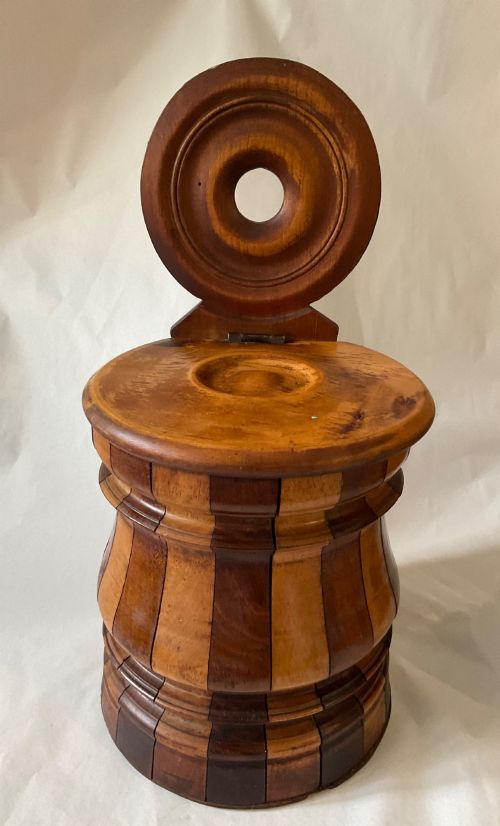
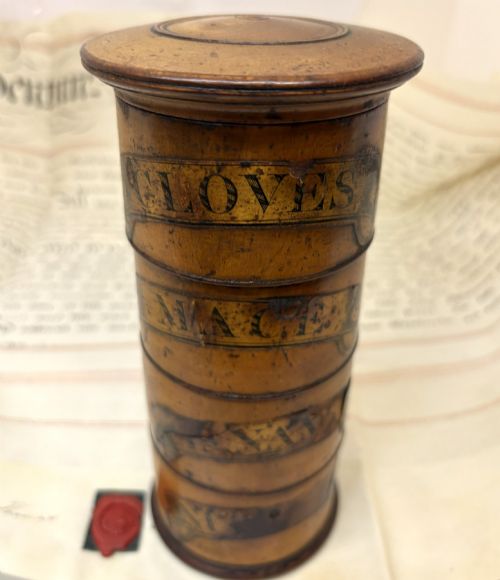
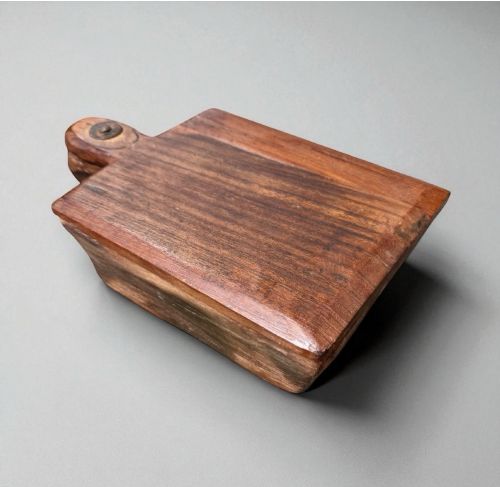
The versions most commonly met on this page span the Georgian, Victorian, and Edwardian eras, alongside regional Indian vernacular pieces. Buyers encounter multi-tiered spice towers, lidded jars, and compartmentalised boxes shaped by domestic routines of the eighteenth and nineteenth centuries.
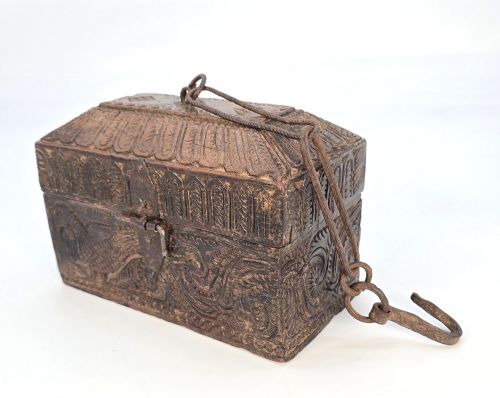
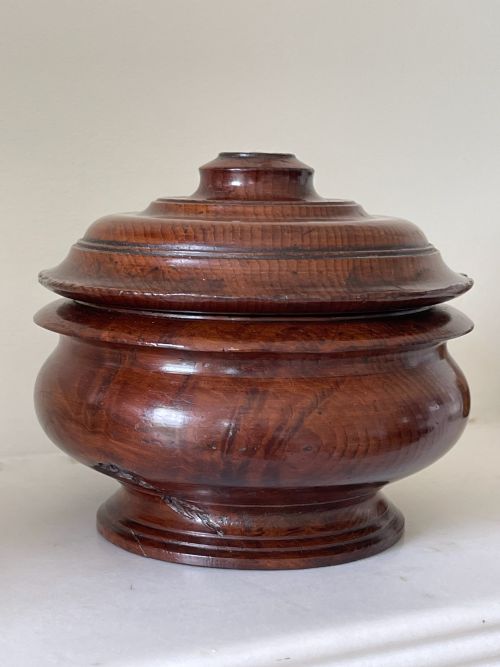
Makers produced these containers from native timbers and exotic hardwoods, tailoring the design to hold single or multiple varieties of spice. From simple turned wood jars to elaborate painted nesting sets, each form reflects the practical demands of period kitchens and pantry storage.
How they were made
Craftsmen shaped these containers using traditional woodturning on a lathe or by hand-carving solid blocks of timber. Boxwood, fruitwood, teak, and sycamore provide the dense grain necessary to withstand daily handling and protect contents from moisture.
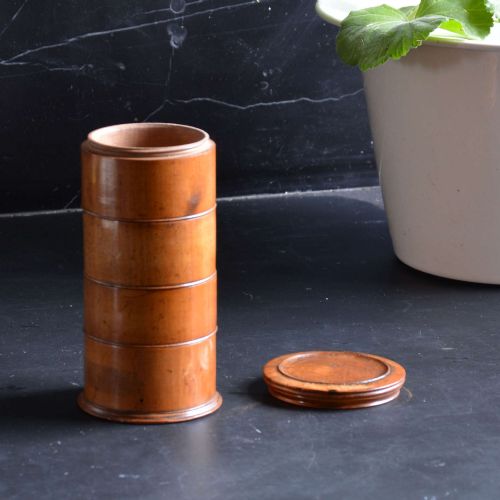
Multi-tiered spice towers rely on precision fitting where stacked compartments nest securely into one another under a single lid. Artisans utilised contrasting woods, iron mounts, and painted surfaces to embellish utility pieces with subtle decorative detail.
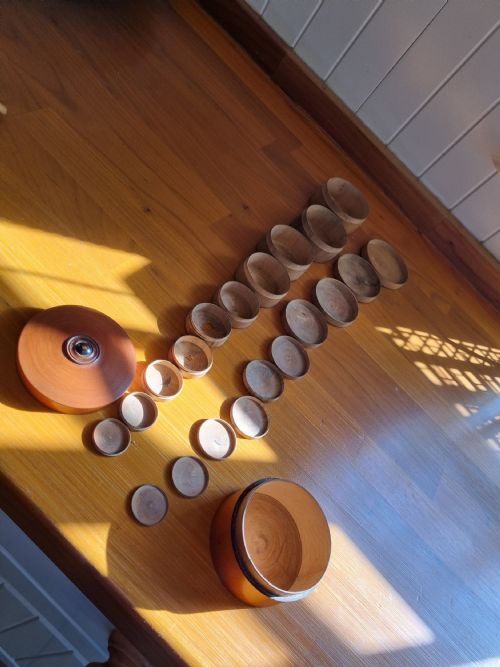
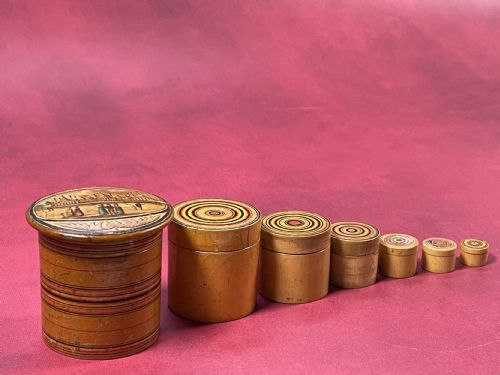
A nineteenth-century boxwood container holds ten progressively smaller internal compartments, offering a delightful nesting surprise.
What varies in quality
The quality of a vintage wooden spice container rests upon the crispness of the woodturning and the integrity of the fitted joints. Superior examples maintain smooth, interlocking sections that align perfectly without wobble or distortion from shrinkage.
Artisanal execution distinguishes standard utility vessels from exceptional pieces, particularly where hand-carved ornamentation or painted decoration remains crisp. The choice of dense timbers such as boxwood or figured fruitwood elevates the tactile presence of the object.
The Vintage Wooden Spice Container Glossary
- Treen
- Small handmade wooden household objects created before the widespread use of plastics and mass manufacturing. This broad category covers domestic utensils, boxes, and containers fashioned by turners and joiners.
- Spice tower
- A vertical stack of turned wooden compartments fitting one above the other beneath a common lid. These tiered vessels allowed households to store multiple distinct spices within a single footprint.
- Boxwood
- A dense, pale hardwood prized by turners for its fine grain and ability to hold sharp detail. It frequently appears in precision items like small containers and measuring instruments.
- Fruitwood
- An umbrella term for timber sourced from fruit-bearing trees such as pear, apple, or plum. Craftsmen valued these woods for their smooth texture and warm patina.
- Vernacular
- Objects designed and built by local makers to fulfil everyday regional needs rather than following high-style academic design. Indian vernacular spice boxes reflect distinct local carving traditions and domestic habits.
Vintage Wooden Spice Container: Frequently Asked Questions
What were spice towers used for?
Spice towers served as compact storage vessels in domestic kitchens and dining rooms. Each stacked tier held a different powdered or whole spice, keeping expensive imports organised and accessible in one place.
The vertical design saved valuable counter space in period homes while protecting delicate aromatics from damp air. Servants and homemakers used them during food preparation to dispense pinches of seasoning directly into dishes.
How do I care for wooden spice containers?
Keep wooden containers away from direct heat sources, radiators, and strong sunlight to prevent the timber from drying out and splitting. Maintain a stable indoor humidity where possible.
Dust the surface gently with a dry, soft cloth rather than using liquid polishes or water. Natural beeswax can be applied sparingly if the wood appears dry, following the direction of the grain.
How do I tell Victorian pieces apart from Georgian ones?
Georgian pieces often display simpler, heavier turning profiles and warmer patinas developed over longer periods of handling. Timbers like boxwood and fruitwood frequently show traditional eighteenth-century construction methods.
Victorian containers tend to incorporate more varied global influences, including Indian carved hardwoods and intricate Tunbridge Ware decoration. Industrial improvements during the nineteenth century also allowed for more precise multi-tiered stacking mechanisms.
Are these containers still food safe?
Most vintage wooden spice containers absorbed the aromatic oils of the spices they held over centuries of use. Because the porous wood retains these scents and may have dried out internally, they are best suited for display rather than modern culinary storage.
Using them to store fresh food can also introduce modern moisture to ancient timber, risking interior mould or damage. Collectors appreciate them primarily as decorative examples of historic treen.