

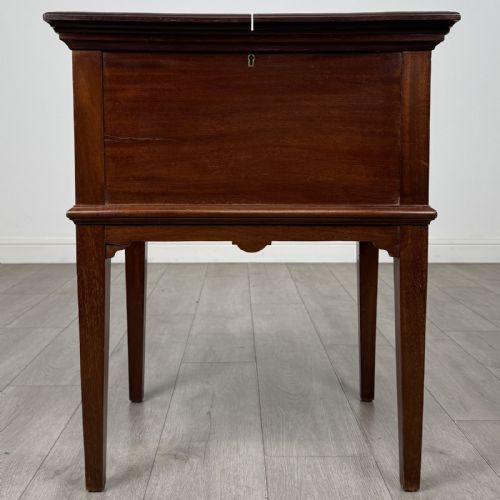
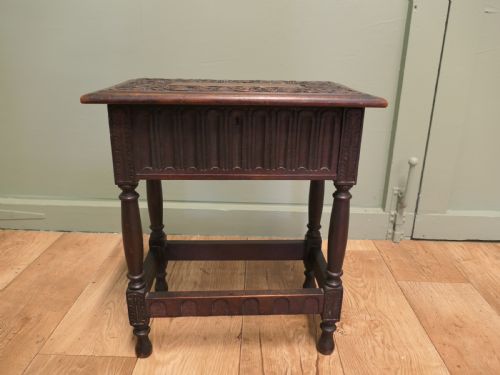
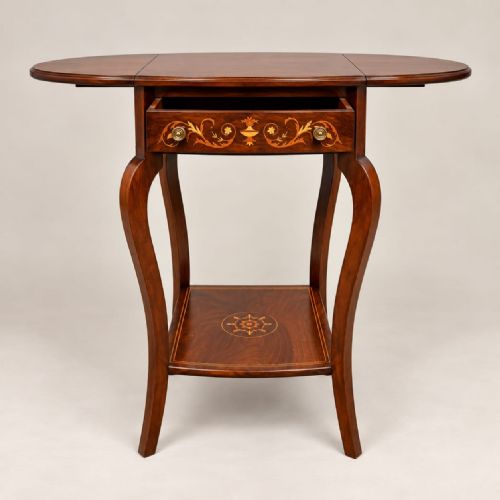
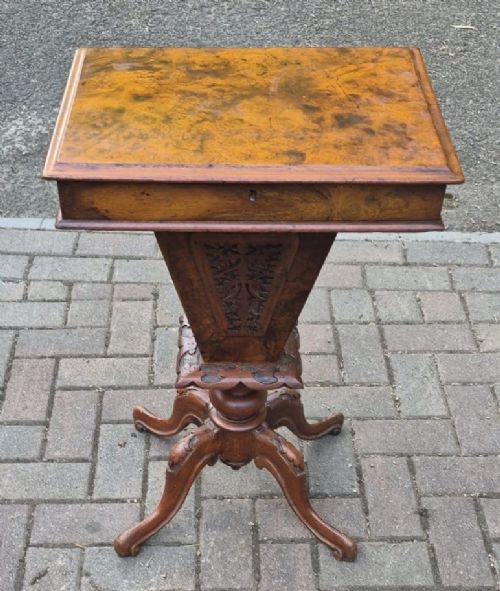

Vintage Wooden Sewing Table
A vintage wooden sewing table is a practical piece of period furniture designed to house needlework, combining a compact tabletop with fitted storage.
Vintage Wooden Sewing Table
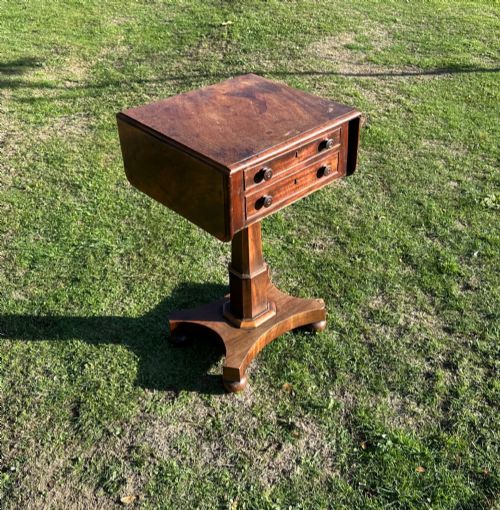
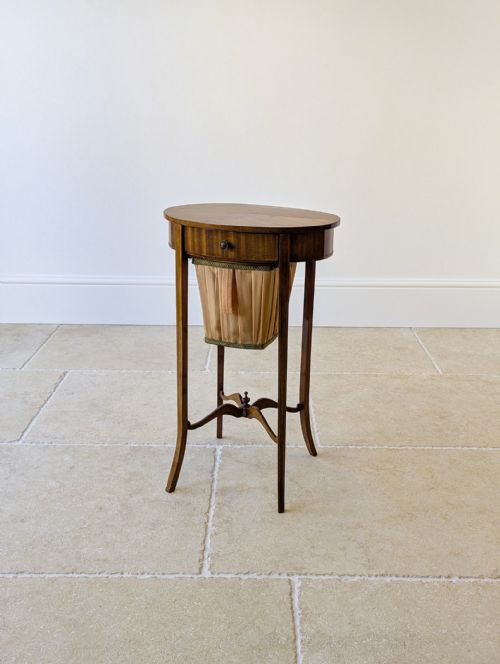
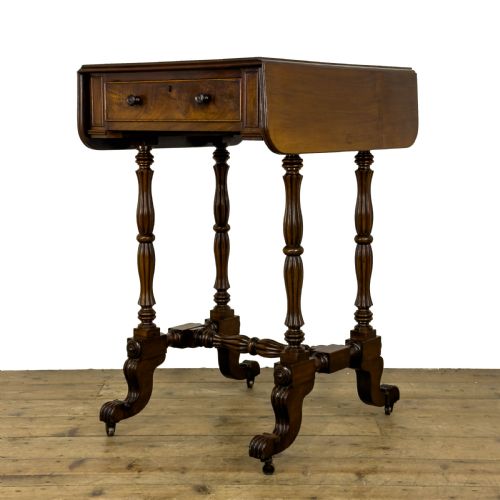
When you search for a vintage wooden sewing table, you encounter practical furniture designed for domestic needlecraft across multiple historic periods. These pieces range from compact Edwardian satin walnut examples to substantial Victorian walnut and mahogany work tables.
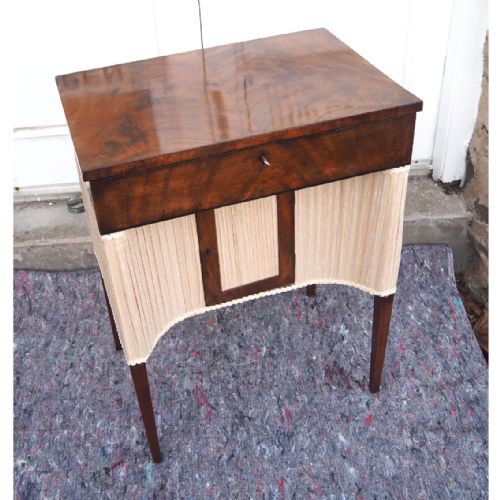
The form typically incorporates a lift-up top or small drawers revealing a fitted interior for threads, needles, and accessories. Many items double as versatile occasional tables or side tables within modern interiors.
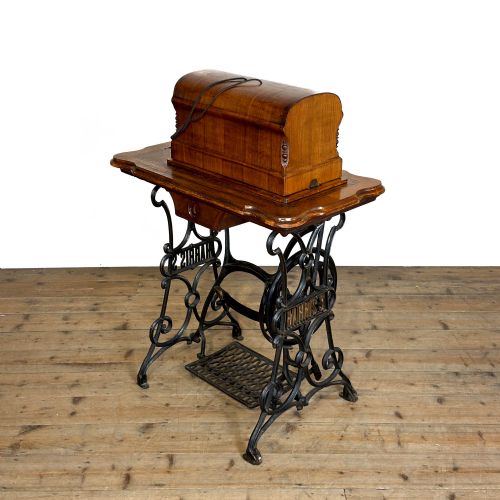
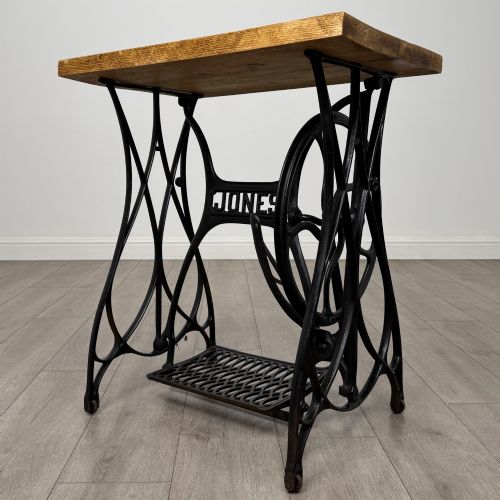
Originating largely from the nineteenth and early twentieth centuries, these tables reflect the prevalence of hand sewing in middle and upper-class domestic life. The selection spans Georgian and Regency roots through to Edwardian inlaid designs and industrial iron variants.
How they were made
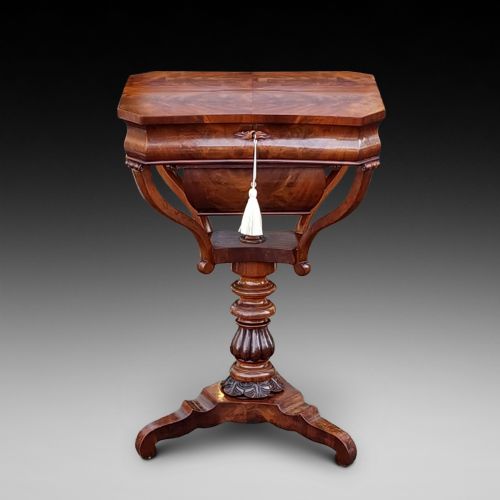
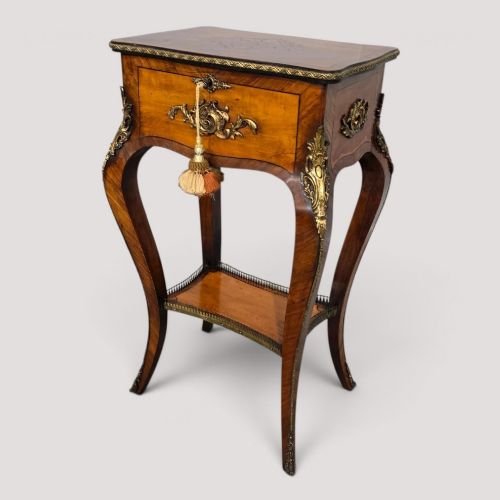
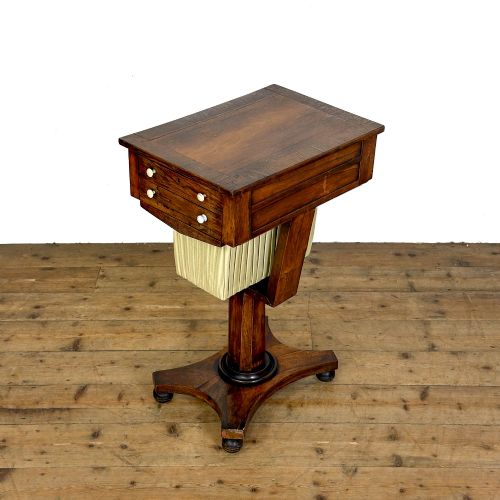
Cabinetmakers constructed these tables using timbers such as mahogany, walnut, burr walnut, rosewood, and satinwood, frequently applying decorative veneers or boxwood stringing. Selected pieces incorporate brass mounts, ormolu, and drop leaves to enhance both utility and appearance.
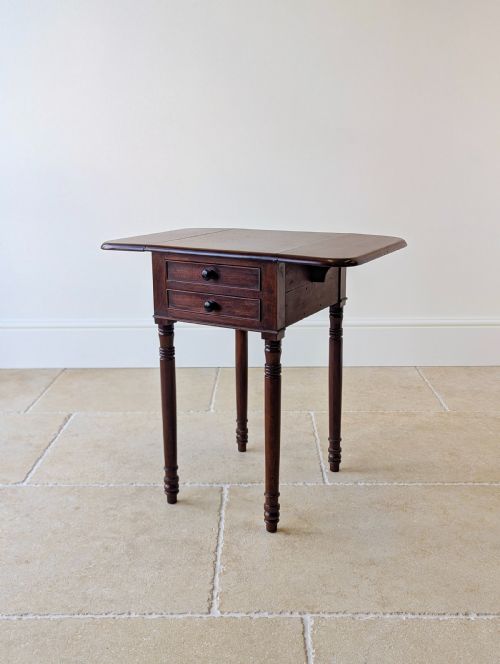
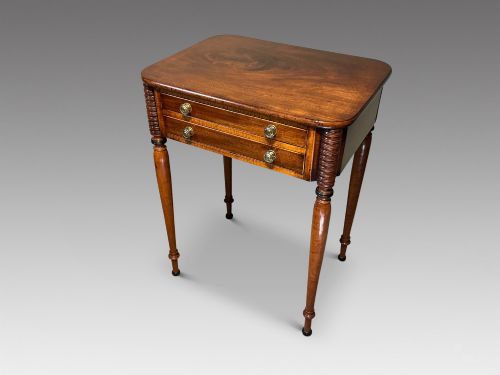
Interiors often feature compartmentalised wooden trays designed to organise sewing accessories and small items securely. Tables from the Georgian and Victorian eras rely on traditional joinery techniques, matched with turned legs or inlaid surfaces.
Vintage Wooden Sewing Table Retail Price Guide 2026
Typical asking prices for vintage wooden sewing table among the pieces listed under this phrase on Sellingantiques today, from the lower quarter to the upper quarter. They describe what is for sale here now, not the wider market.
Object forms include side tables, occasional tables, dressing tables, jewellery boxes, and dedicated work tables with fitted interiors.
What varies in quality
Quality rests upon the selection of timber grain, such as figured walnut or flame mahogany, and the precision of inlaid boxwood stringing. Superior examples display refined proportions, balanced turnings, and well-executed joinery throughout the carcass and legs.
The complexity and intact condition of the internal fitted compartments heavily influence the overall standard of a work table. Finer pieces retain original brass hardware, working locks, and undamaged fabric bags or boxes designed to hold sewing materials.
The Vintage Wooden Sewing Table Glossary
- Work table
- A small household table specifically constructed with drawers or internal compartments to hold needlework and sewing equipment. These items were popular throughout the nineteenth century for ladies' domestic tasks.
- Tunbridge ware
- Small wooden objects decorated with intricate mosaics made from tiny blocks of naturally coloured woods. This technique creates geometric or pictorial patterns on boxes and sewing accessories.
- Drop leaf
- A hinged flap on a table top that can be raised to extend the surface area or lowered when space is restricted. It adds versatility to smaller occasional tables.
- Pembroke table
- A small rectangular table featuring two folding flaps on opposite sides and usually one or two small drawers. The design dates back to the eighteenth century and continued through the Regency period.
- Satin walnut
- A timber derived from the heartwood of certain walnut trees or sweet gum, valued for its warm colour and grain pattern. It saw frequent use in Edwardian cabinetmaking.
Vintage Wooden Sewing Table: Frequently Asked Questions
What is a sewing table used for today?
These tables function effectively as compact side tables or bedside storage units in contemporary rooms. The internal compartments provide convenient spaces for small household items.
Their narrow footprints allow them to fit into hallways or tight corners where standard furniture proves too large.
How do I identify an Edwardian sewing table?
Edwardian examples often feature lighter timbers such as satin walnut or mahogany embellished with delicate boxwood inlay. They tend to have slender legs and refined proportions compared to earlier Victorian designs.
Many incorporate lift-up lids revealing fitted internal trays rather than deep storage bags.
Are these tables sturdy enough for daily use?
Most pieces were built from solid hardwoods like mahogany and walnut by skilled cabinetmakers. They handle normal domestic placement well when treated with standard care.
Care should be taken with drop leaf mechanisms and hinges to prevent strain on older joints.
What is the difference between a work table and a sewing table?
The terms are largely interchangeable within antique furniture, as both describe small tables equipped for needlework. Work table is a common nineteenth-century description for furniture housing sewing equipment.
Specific examples may emphasise a fabric bag beneath or wooden compartments inside a drawer.