

Vintage Wooden Pedestal Table
A vintage wooden pedestal table brings a central column of mahogany, oak or walnut to a room, offering both practical surface area and timeless architectural presence.
Vintage Wooden Pedestal Table
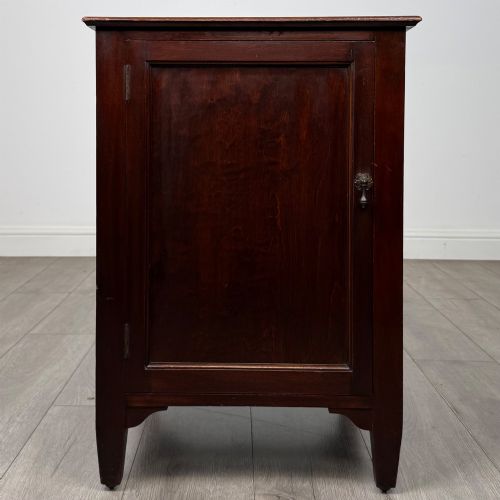
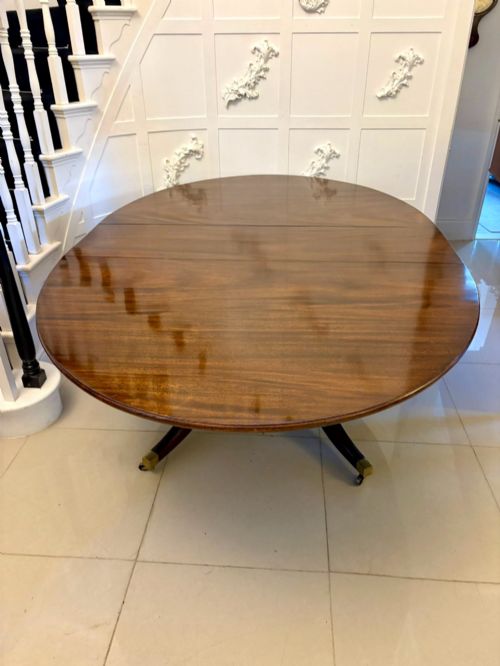
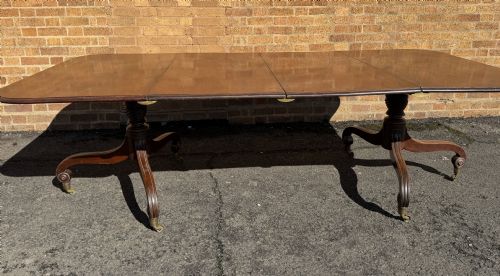
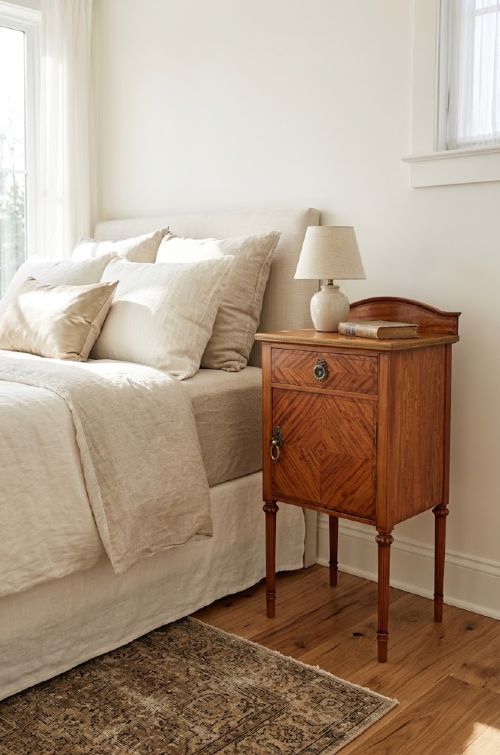
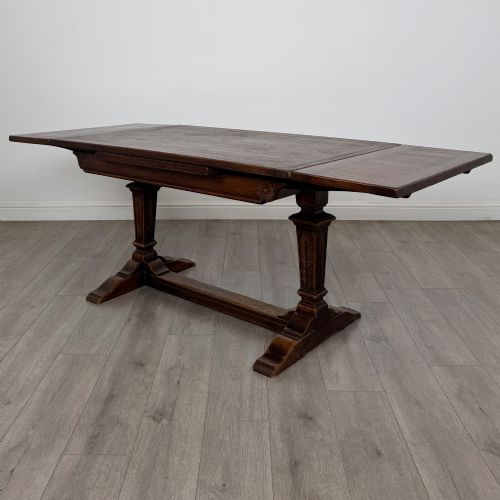
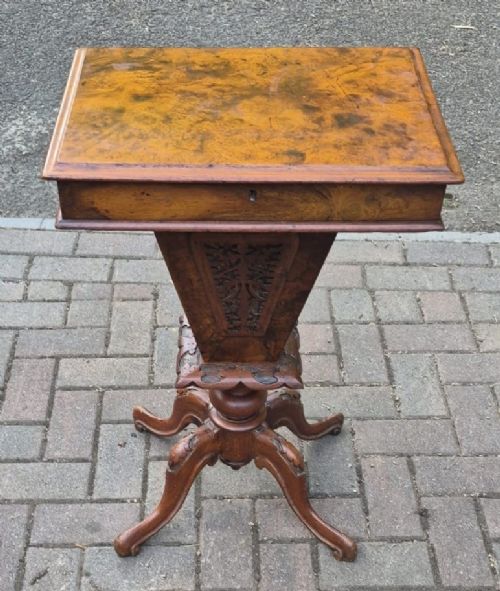
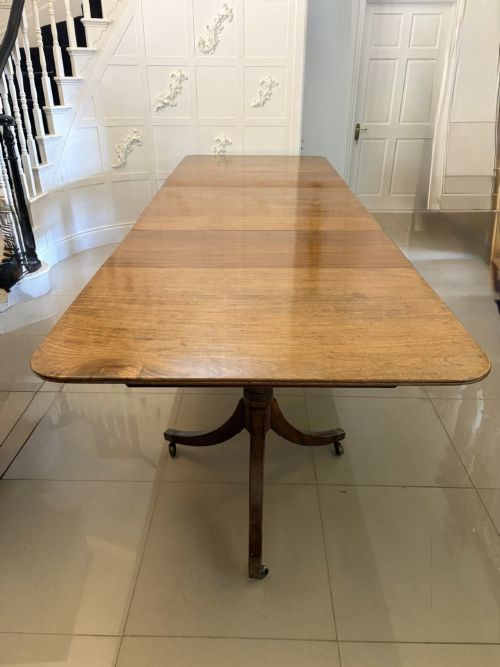
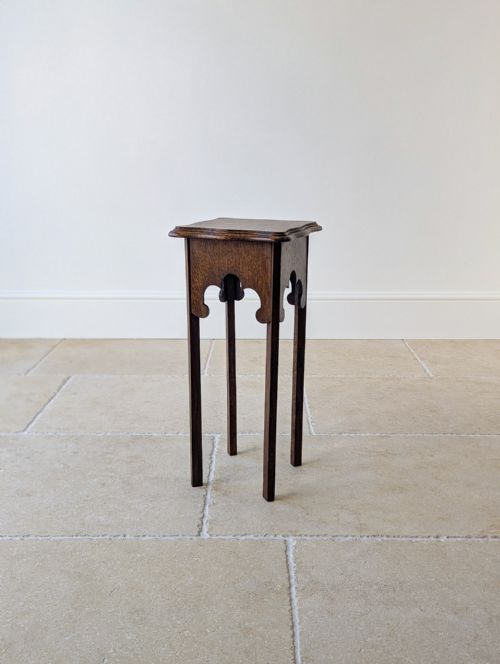
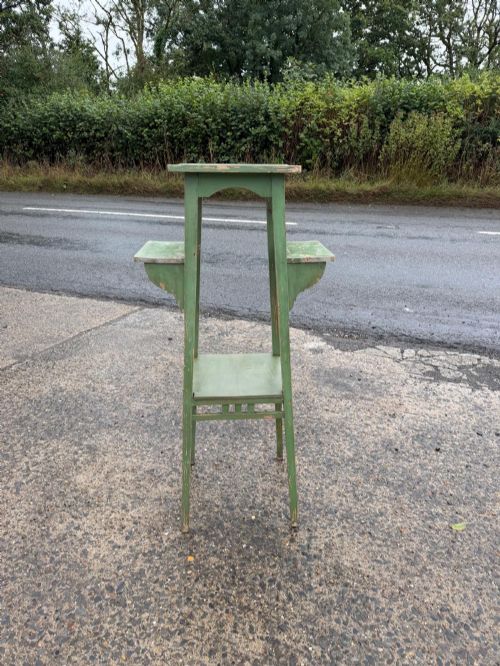
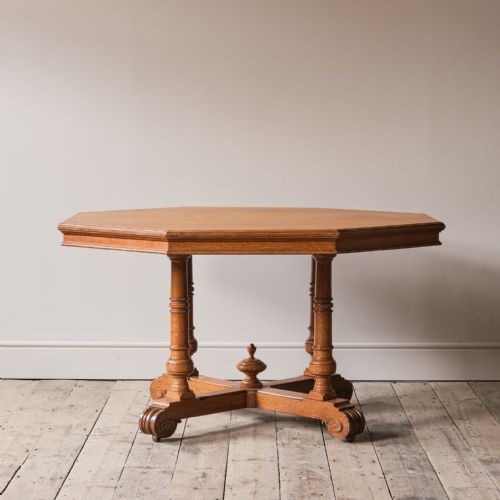
A vintage wooden pedestal table encompasses a wide variety of furniture types, from expansive dining tables supported by multiple pillars to compact occasional tables, plant stands and bedside cabinets. These pieces span several distinct eras, drawing heavily upon Victorian, Edwardian, Georgian and later twentieth-century design.
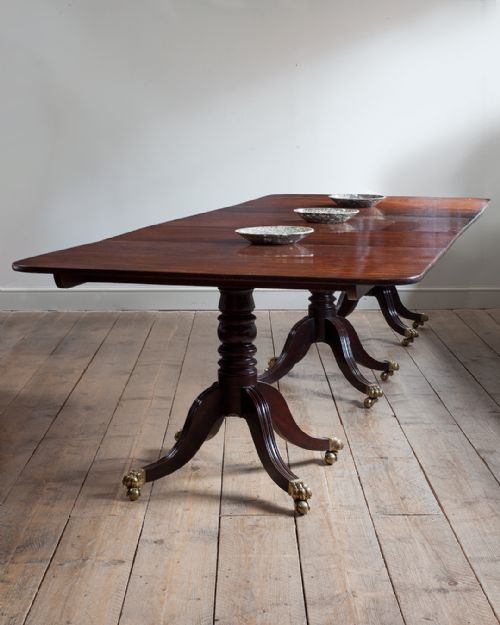
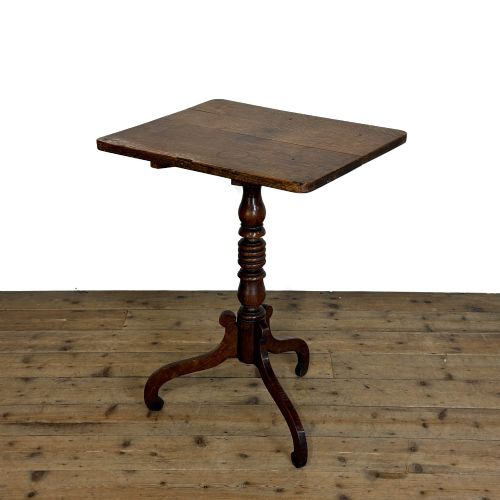
The most common formats encountered on this page include dining tables featuring twin or triple pedestals, alongside smaller occasional and lamp tables resting on central columns. Walnut, mahogany and oak dominate the selection, often taking the form of wine tables, tilt-top examples and plant stands intended for domestic interiors.
Materials and construction
Cabinetmakers constructed these tables using dense hardwoods such as mahogany, oak and walnut, frequently selecting figured veneers like burr walnut and satinwood for decorative surface grain. Solid timber forms the structural columns and legs, while brass fittings and inlay work add functional and visual contrast.
Joinery methods rely on traditional techniques suited to load-bearing central pillars and extending mechanisms. Tilt-top mechanisms use pivoted catches, and dining variants employ multi-pillar arrangements to support heavy leaves without wall stability.
Listings feature woods spanning mahogany, oak, walnut, pine, satinwood and rosewood across multiple centuries.
Assessing craftsmanship
Quality reveals itself in the choice of timber and the precision of the grain matching across table tops and pedestals. Superior examples display carefully selected figured mahogany or burr walnut, whereas simpler utility items rely on plain pine or standard oak boards.
The stability of the central pillar and the smoothness of any extending or tilting mechanism dictate the standard of execution. Well-carved tripod bases and tight joints separate refined parlour furniture from everyday functional pieces.
Hobbs & Co.
The Vintage Wooden Pedestal Table Glossary
- Pedestal table
- A table supported by a central upright pillar rather than four corner legs. This central column typically rests on a tripod or quadrapod base.
- Tilt-top
- A table top hinged to the pedestal column so it can be tipped vertically when not in use. This design allowed furniture to be stored flat against a wall.
- Triple pedestal
- An extending dining table configuration utilising three separate central columns to support a long top. It provides ample legroom for seating multiple diners.
- Occasional table
- A small, portable secondary table used for lamps, drinks or display purposes. They appear frequently in various woods and revival styles.
- Inlay
- A decorative technique where contrasting woods or materials are set into the surface of the primary timber. Satinwood and brass often feature in this work.
Vintage Wooden Pedestal Table: Frequently Asked Questions
How do I care for a wooden pedestal table?
Maintain the wood by applying natural beeswax periodically to nourish the grain and protect the surface from moisture. Avoid placing the table near direct heat sources or strong sunlight to prevent timber splitting.
Lift the piece from its main framework rather than the top or edges when moving it. This protects the central pillar joint and the supporting feet from undue strain.
Can I use a vintage pedestal table for dining?
Many larger examples, particularly those with twin or triple pillars, are specifically engineered for dining use. They often include extending mechanisms to accommodate guests comfortably.
Smaller occasional or wine tables lack the surface area and height clearance for dining. Use those strictly for display, bedside storage or as lamp tables.
How do I identify the wood type?
Examine the grain pattern, colour and weight to determine the primary timber used in the construction. Mahogany typically shows a reddish-brown hue with fine pores, while oak displays prominent growth rings and medullary rays.
Figured woods like burr walnut or satinwood present highly decorative, swirling patterns. These rarer veneers usually indicate a higher status piece intended for formal reception rooms.