

Vintage Wooden Mantel
A vintage wooden mantel piece brings architectural presence and time-honoured craftsmanship to a room.
Vintage Wooden Mantel
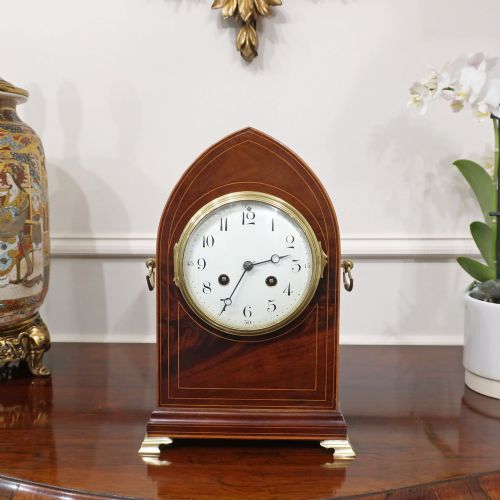
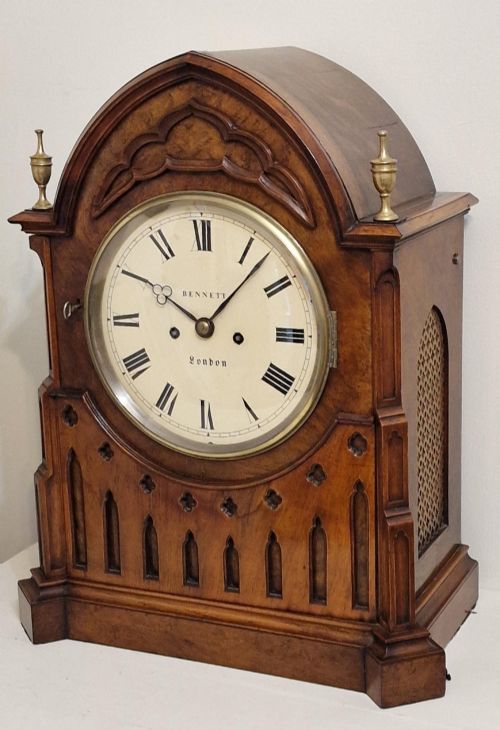
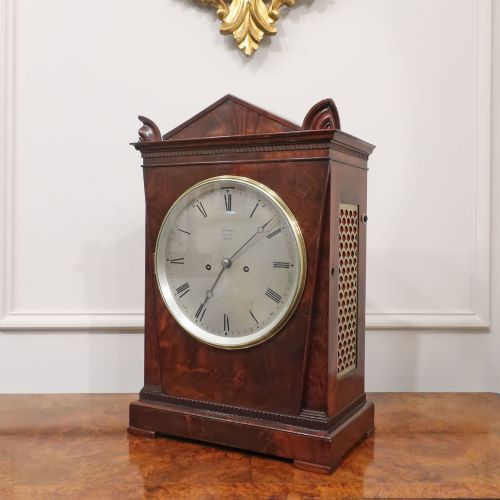
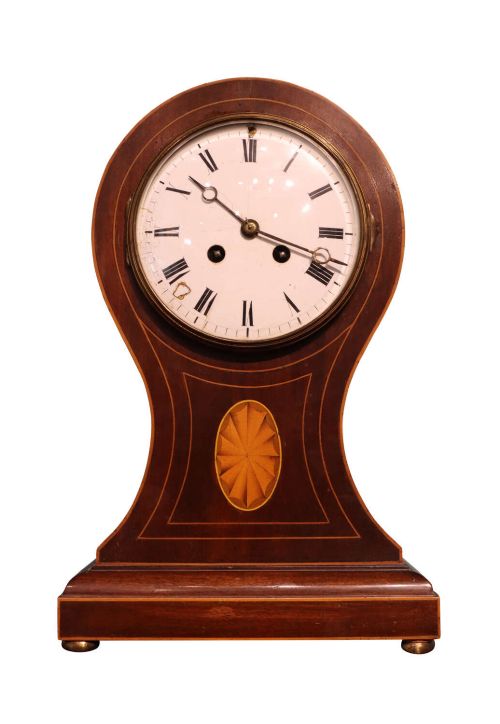
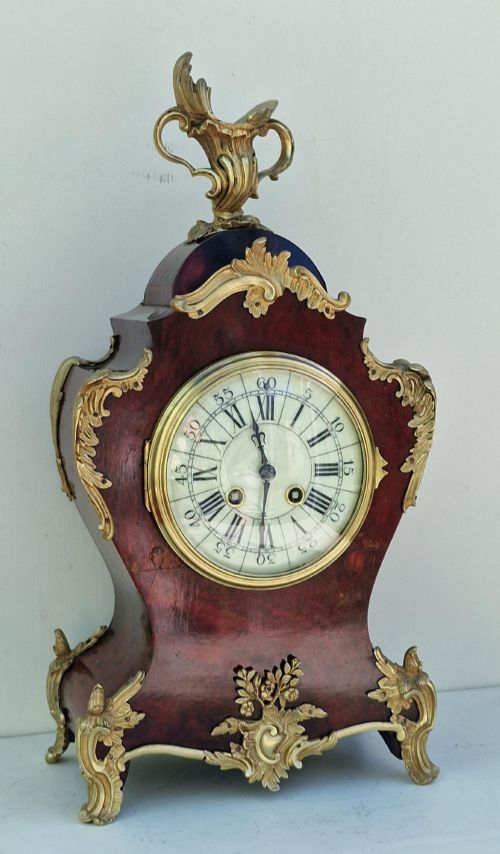
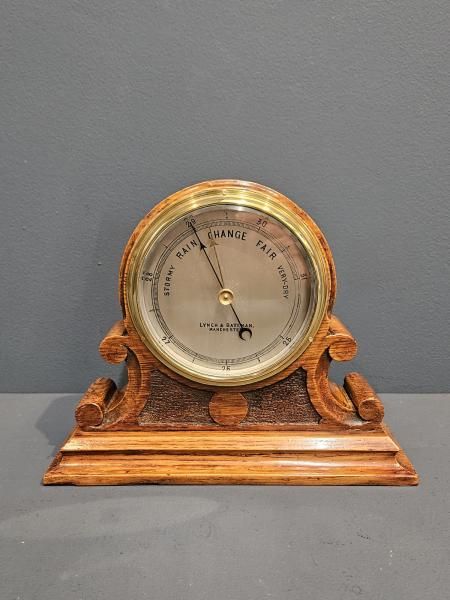
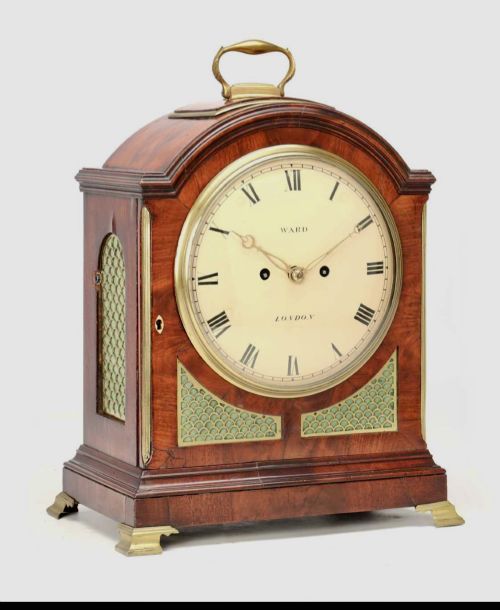
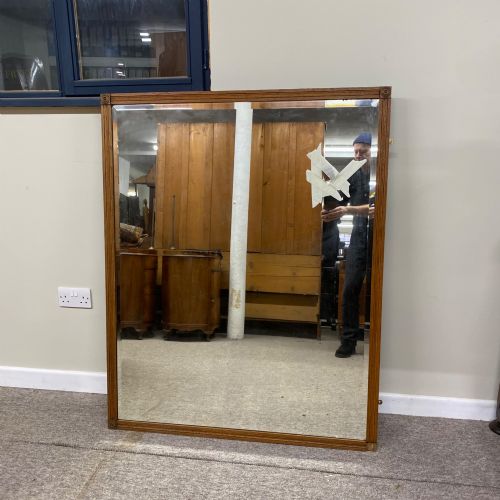
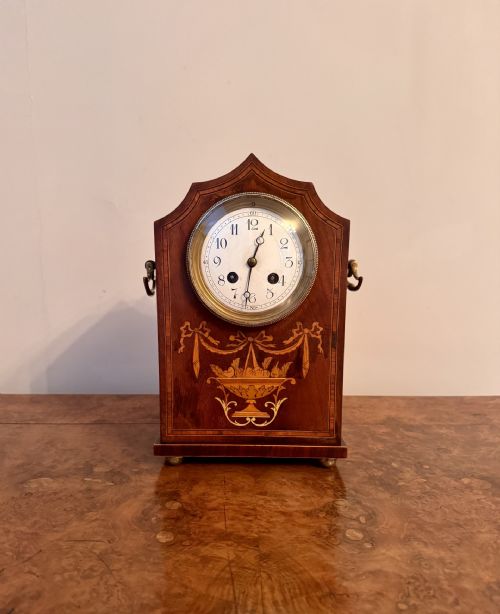
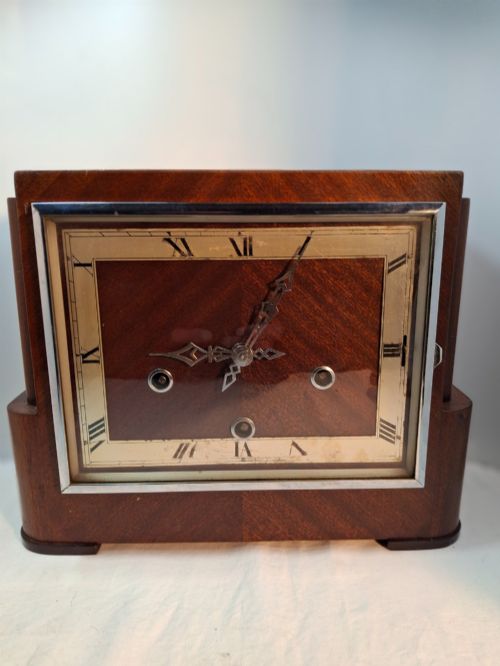
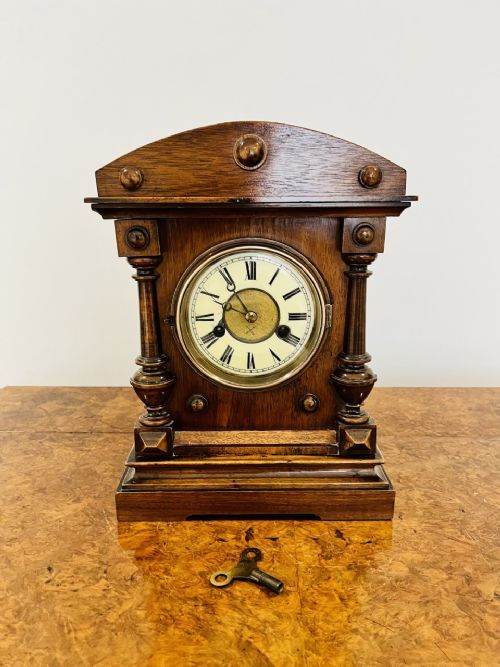
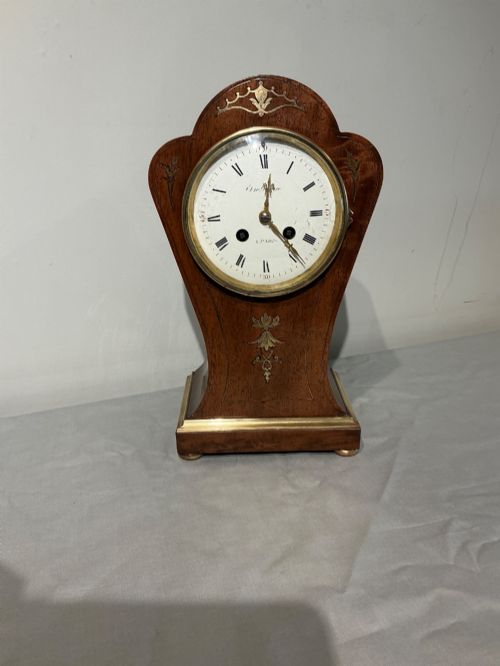
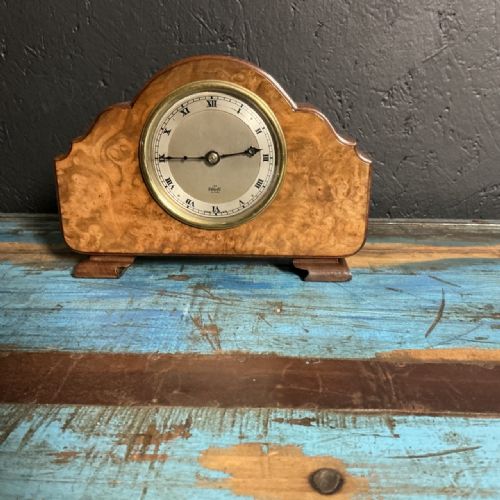
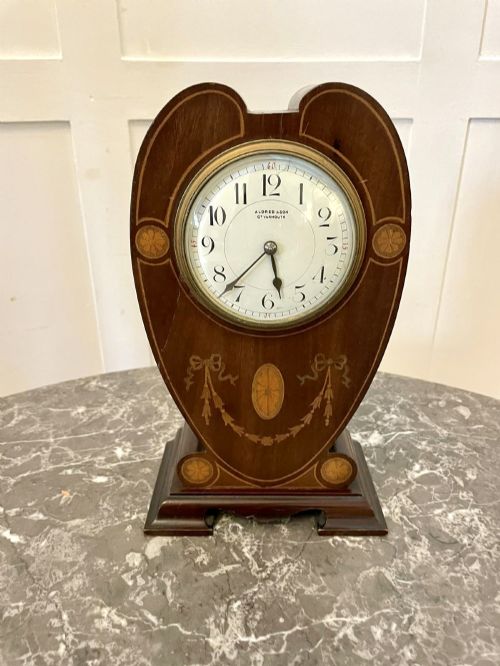
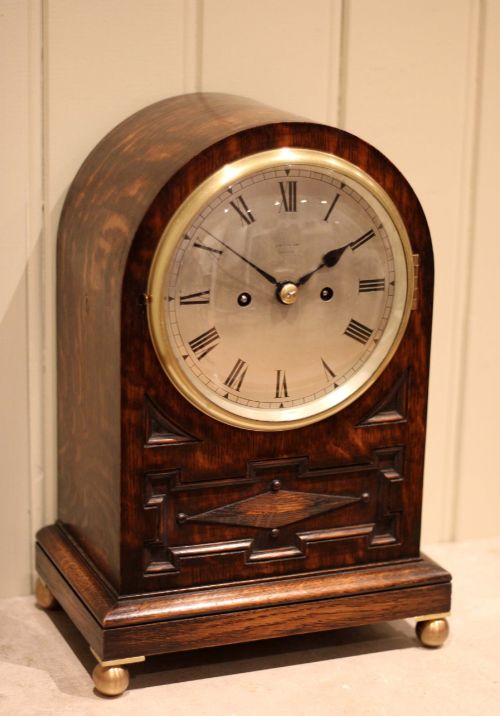
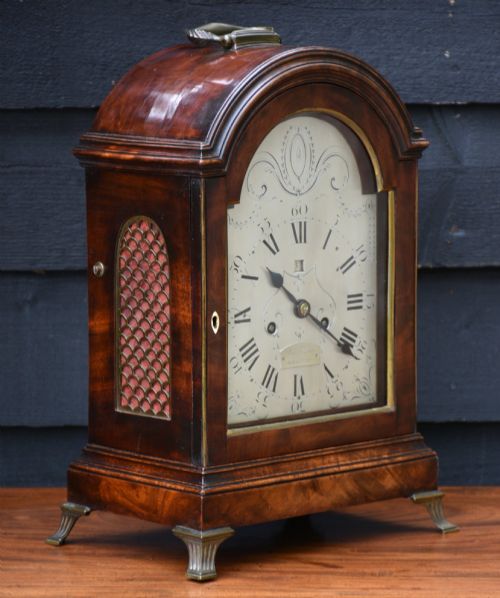
A vintage wooden mantel search reveals a collection dominated by mantel clocks, bracket clocks, and mirrors spanning the Georgian, Victorian, Edwardian, and Art Deco eras. Oak, mahogany, and walnut dominate the offerings, taking forms from architectural clock cases to carved overmantel mirrors.
Buyers will most frequently encounter Edwardian and 1900s inlaid mahogany mantel clocks alongside sturdy oak Arts and Crafts pieces. These items range from compact bedroom timepieces to substantial striking bracket clocks designed for principal reception rooms.
Origins stretch from British workshops to French ateliers and German factories, incorporating styles from Regency elegance to the geometric lines of the Amsterdam School.
Materials and Construction
Cabinetmakers utilised dense hardwoods including mahogany, oak, walnut, and rosewood, frequently enhancing surfaces with satinwood inlay, brass mounts, and ebonised detailing.
Joinery techniques combined traditional dovetailed or pinned carcases with intricate fretwork, carved frames, and applied marquetry patterns.
Clock housings accommodated mechanical movements driven by fusee chains or springs, while mirror frames relied on layered wooden mouldings to support heavy glass plates.
Vintage Wooden Mantel Retail Price Guide 2026
Typical asking prices for vintage wooden mantel among the pieces listed under this phrase on Sellingantiques today, from the lower quarter to the upper quarter. They describe what is for sale here now, not the wider market.
The selection includes functional horological pieces alongside decorative wall mirrors and architectural clock cases.
Standards of Craftsmanship
Quality rests in the precision of the cabinetwork, from the crispness of hand-carved foliage and fretwork to the tightness of mitred joints and the depth of wood figuring.
Superior examples display balanced proportions, authentic brass or silvered dials, and refined secondary timbers, whereas simpler pieces rely on standard commercial production methods of their day.
Taylor of London·Thomas Howard·Lenzkirch·Mappin & Webb·Walker and Hall·Winterhalder
The Vintage Wooden Mantel Glossary
- Fusee
- A conical pulley used in better-quality clocks to maintain steady tension on the movement as the mainspring unwinds.
- Overmantel
- A large mirror designed to hang directly above a fireplace mantelpiece.
- Bracket clock
- A portable table clock originally built with a sturdy handle or bracket for carrying between rooms.
- Marquetry
- Decorative patterns formed by fitting contrasting veneers into a prepared wooden surface.
- Ebonised
- Wood stained or painted to imitate the dense black appearance of ebony.
Vintage Wooden Mantel: Frequently Asked Questions
How do I wind a mechanical mantel clock?
Insert the appropriate key into the winding arbour on the dial and turn it gently until resistance is felt. Care must be taken not to overwind the mainspring.
Most traditional movements require a weekly wind to maintain accurate timekeeping, while strike trains should be allowed to complete their cycle without interference.
Where should I place a wooden mantel mirror?
These mirrors sit naturally above a fireplace, sideboard, or console table where their proportions can anchor the surrounding wall space. Adequate wall fixings are essential to support the weight of the wooden frame and glass plate.
Direct sunlight and excessive moisture should be avoided to protect the polish and silvered mirror backing from deterioration.
How do I identify the period of a wooden clock?
Examine the timber choice, dial construction, and decorative motifs against known stylistic timelines. Georgian pieces often feature rich mahogany with brass bracket feet, whilst Edwardian examples frequently display delicate boxwood stringing.
Maker signatures on the dial or movement backplate offer definitive clues to the date of manufacture.
Are these clocks suitable for daily use?
Many mechanical clocks from the nineteenth and early twentieth centuries remain reliable timekeepers when properly serviced and set on a level surface. Professional oiling and adjustment every few years will keep the train running smoothly.
Placing them away from heavy footfall and vibrations ensures the delicate pendulum or balance wheel is not disturbed.