
Vintage Wooden Low Stool
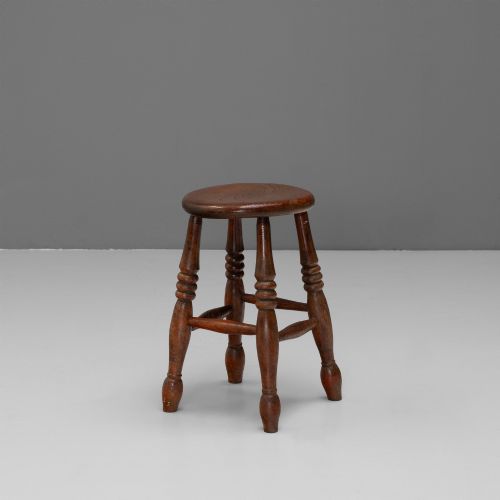
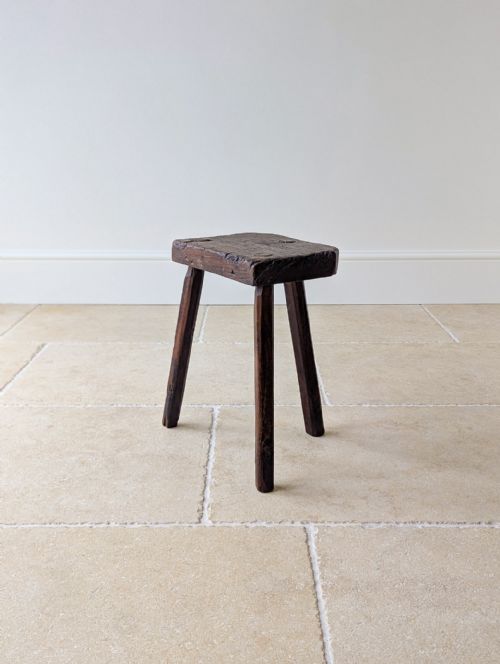
A vintage wooden low stool brings tangible age and simple utility to an interior, offering a compact seat or rest formed from timber.
Vintage Wooden Low Stool
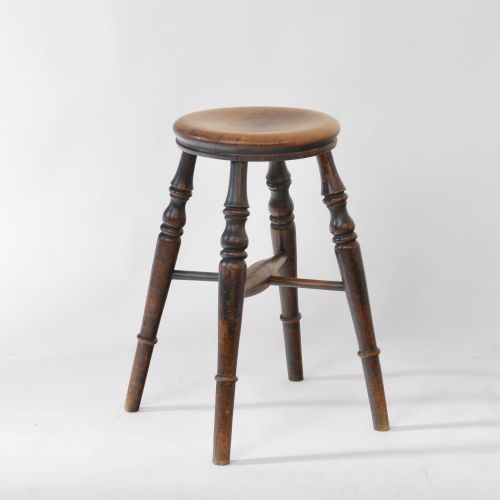
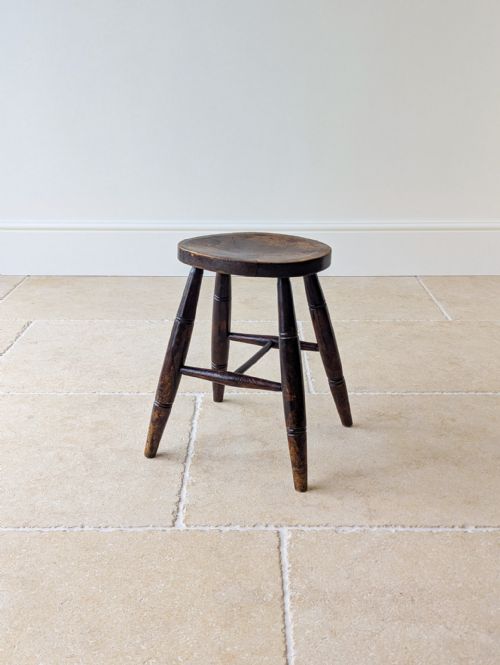
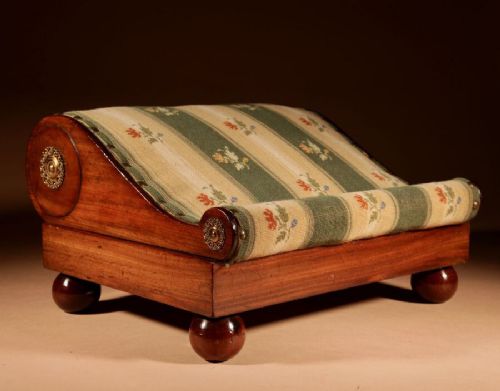
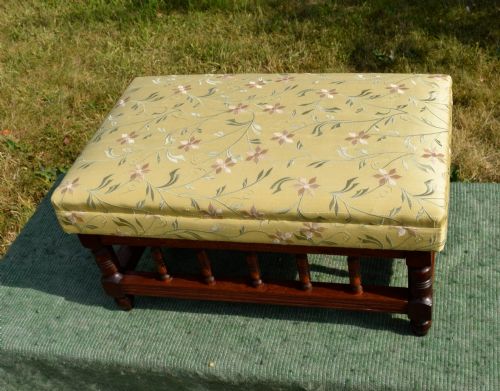
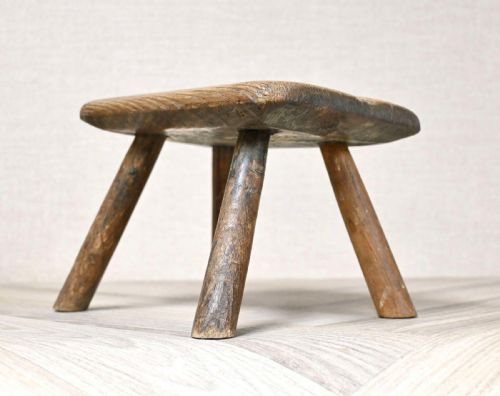
When searching for a vintage wooden low stool, buyers encounter diverse forms ranging from rustic country milking seats to refined Victorian footstools and dining pieces. These objects span multiple centuries, appearing in periods from the eighteenth century through the Art Deco era and incorporating styles such as rustic farmhouse, Edwardian, and Regency.
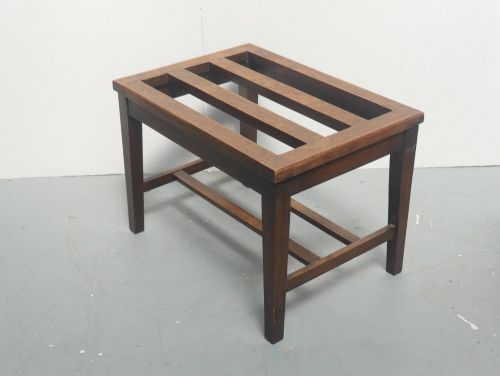
The selection includes specialised items like jeweller's stools, hearth stools, and luggage racks alongside traditional three-legged and four-legged domestic seating. Elm, oak, mahogany, and pine dominate the physical evidence, often paired with textiles such as fabric, wool, leather, or original painted surfaces.
Materials and construction
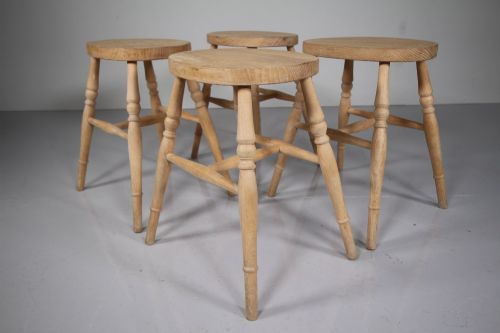
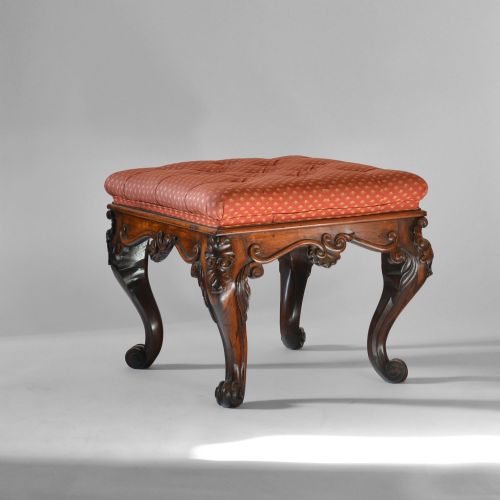
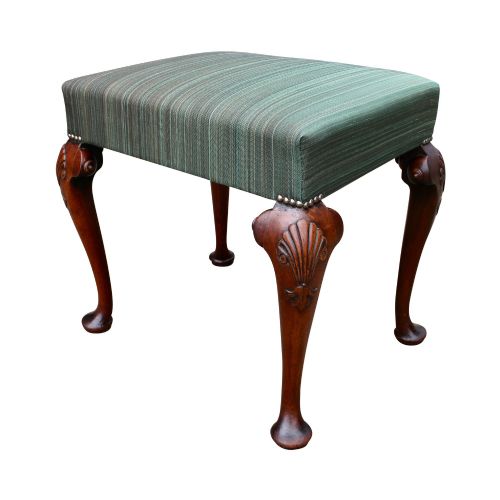
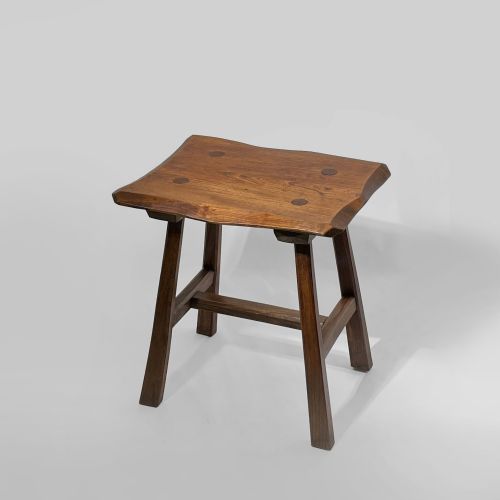
Construction relies heavily on native hardwoods and softwoods like elm, ash, oak, pine, and beech, shaped into solid tops and turned or pegged legs. Joinery methods reflect the vernacular or formal origins of each piece, from simple socketed legs in primitive milking stools to sophisticated cabriole legs and carved frames in mahogany and walnut.
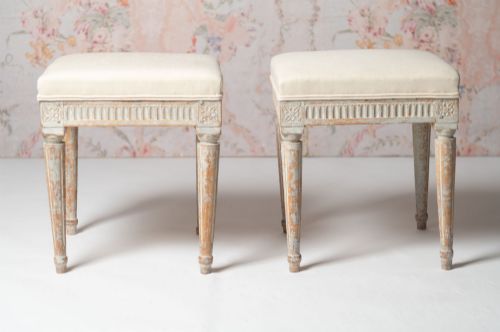
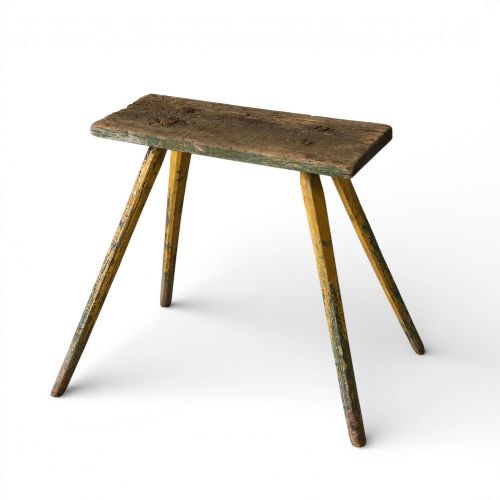
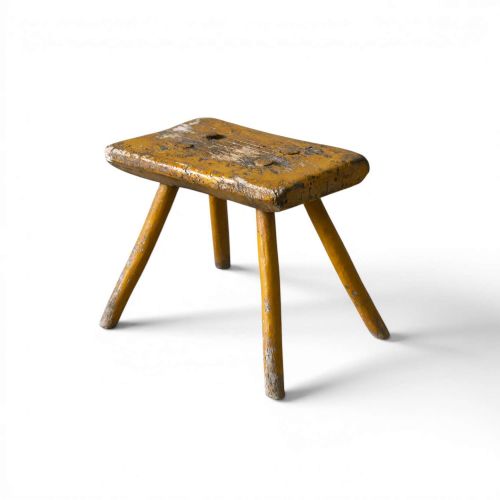
Surface treatments vary widely, preserving natural timber grain, applied upholstery in wool, leather, and fabric, or retaining original ochre, yellow, green, and multi-coloured paint layers.
Listings feature items spanning the eighteenth, nineteenth, and early twentieth centuries, constructed from elm, oak, mahogany, pine, and beech.
Judging quality and character
Quality rests in the integrity of the timber, the honesty of the construction, and the survival of original finishes such as early paint layers or period upholstery. Pieces demonstrating thoughtful proportion, such as balanced turnings or clean lines in regional furniture, distinguish themselves from routine utility items.
The presence of untouched surfaces, original pegs, and genuine period wear contributes significantly to the integrity of a stool, elevating examples originating from specific vernacular traditions or identified workshops.
Harry & Lou Epstein·Brown & Lamont
The Vintage Wooden Low Stool Glossary
- Milking stool
- A simple, typically three-legged seat traditionally used for agricultural work, often featuring a solid wooden slab top and splayed legs for stability on uneven ground.
- Joint stool
- A sturdy wooden stool constructed with mortise and tenon joints, common in early domestic interiors before the widespread use of upholstered chairs.
- Hearth stool
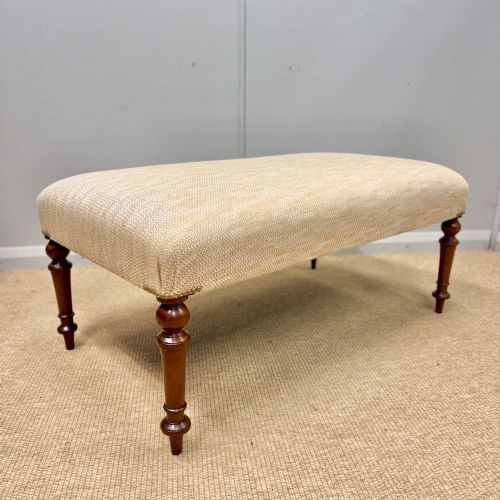
- A low, long seat designed to sit near a fireplace, frequently upholstered and utilised for resting feet close to the warmth.
- Cabriole leg
- A furniture leg that curves out and then in, resembling the leg of an animal, characteristic of styles like Queen Anne and Victorian revival pieces.
- Vernacular furniture
- Items made by local artisans using regional materials and traditional designs, distinct from high-style urban workshop production.
Vintage Wooden Low Stool: Frequently Asked Questions
What is a vintage wooden low stool used for?
These low seats function primarily as footstools, hearth rests, or casual auxiliary seating within living spaces and bedrooms.
Their compact dimensions also allow them to serve as small display surfaces for objects or plants.
How do I identify a milking stool?
Milking stools typically feature three legs socketed directly into a thick wooden seat slab, designed for stability on uneven farm floors.
Many examples exhibit primitive construction methods and occasional survivals of early paint finishes.
Are these stools comfortable for daily seating?
Unupholstered timber stools provide firm, upright seating intended for short durations rather than lounging.
Version variants with padding, leather, or newly upholstered fabric offer softer support suitable for dressing tables or footrests.
How can I tell the age of a wooden stool?
Age is indicated by construction details such as hand-turned legs, pegged joints, tool marks, and the natural patina accumulated on the timber over centuries.
Stylistic cues, including Regency curves or Art Deco geometries, help place pieces within specific historical periods.