

Vintage Wooden Hall Table
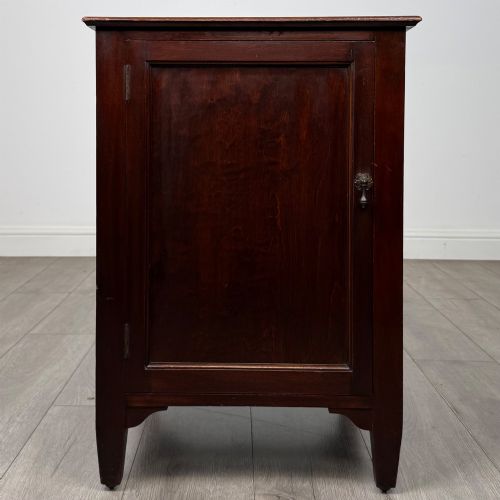
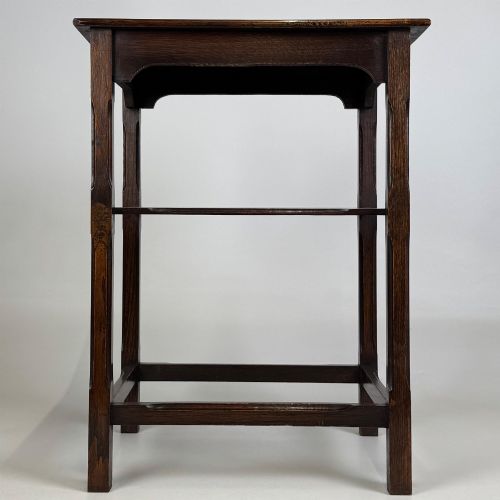
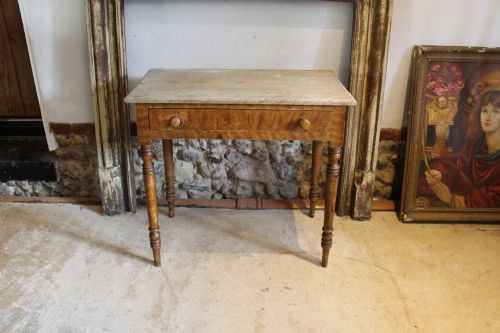
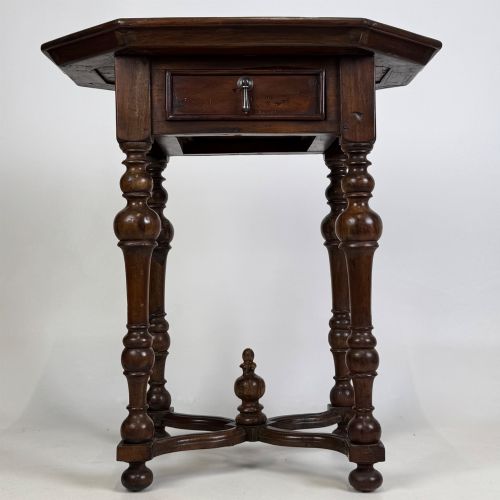
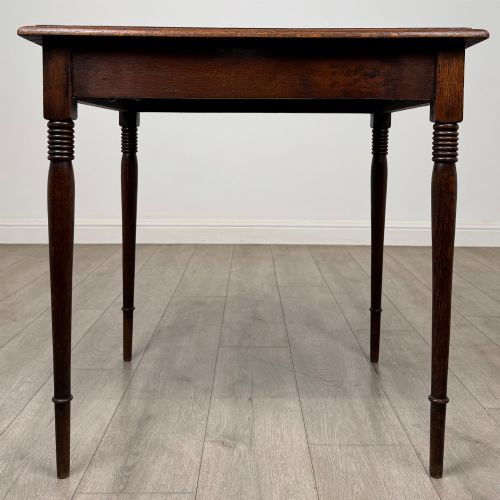
A vintage wooden hall table provides a narrow surface for a narrow space, bringing character to an entranceway.
Vintage Wooden Hall Table
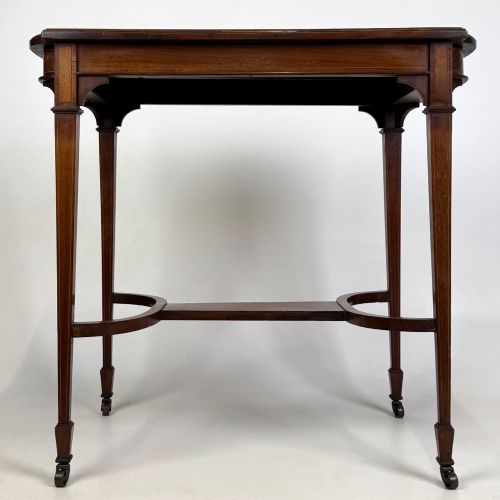
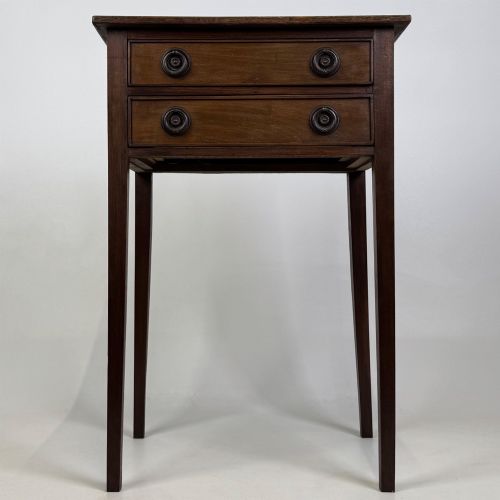
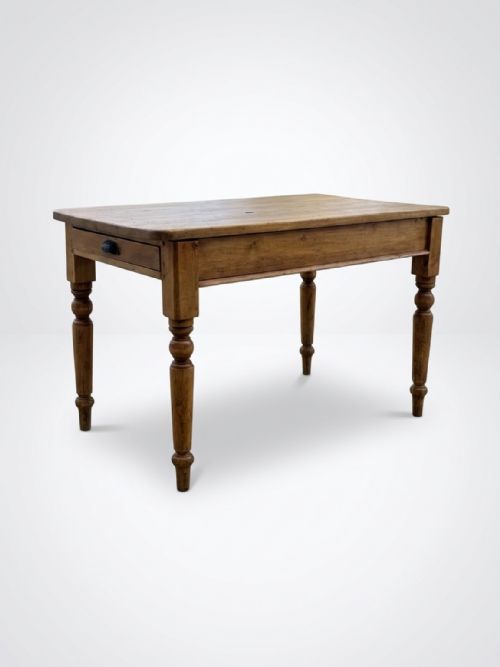
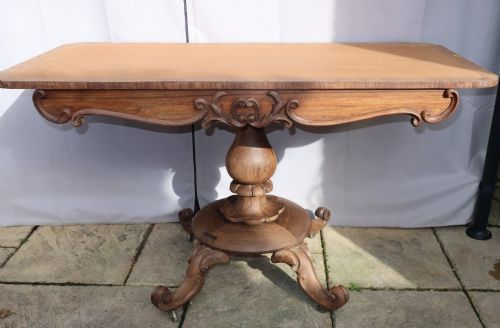
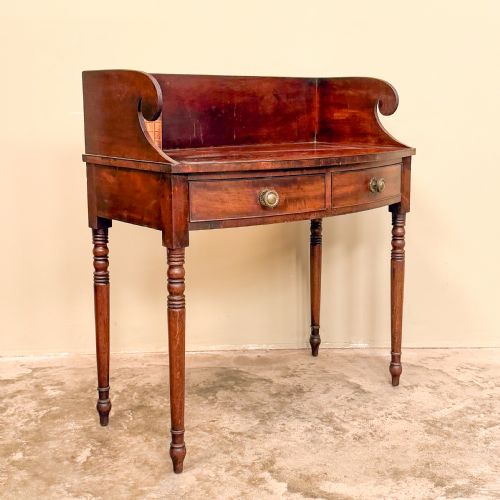
A vintage wooden hall table spans several forms, including side tables, console tables, washstands, and writing tables, surfacing mainly in Edwardian and Victorian iterations. These pieces originate from periods reaching back to the nineteenth century and extend into the nineteen-thirties, utilising various regional and stylistic influences such as English Country and Regency.
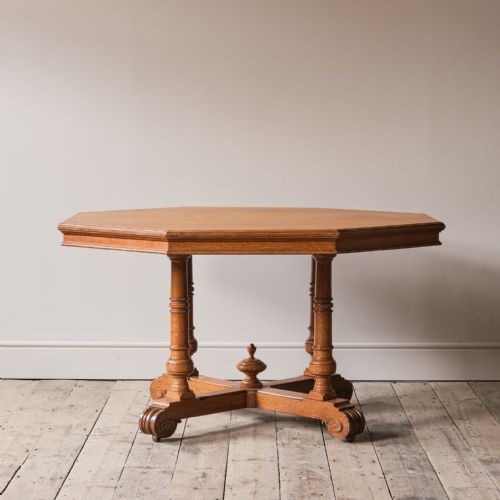
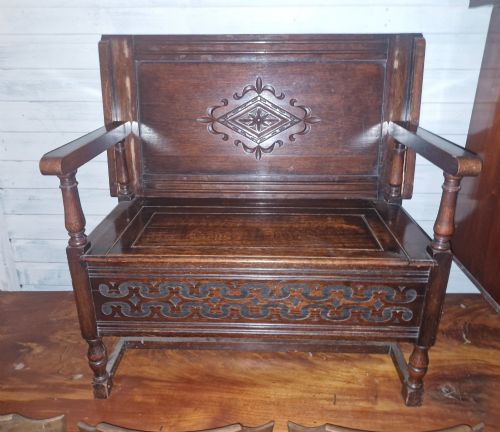
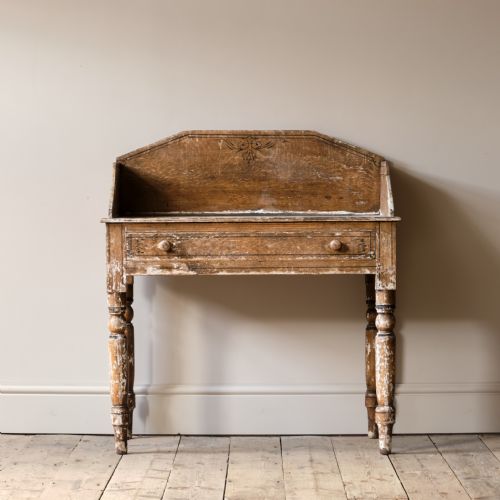
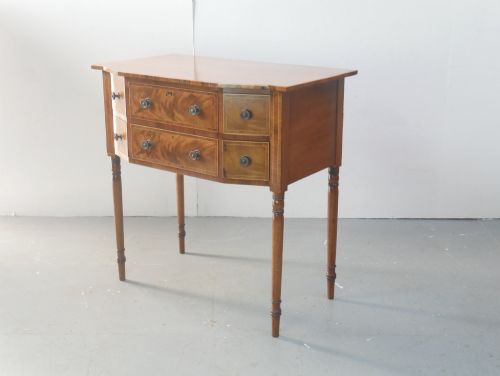
The version most commonly met on this page is the Edwardian oak side table, alongside mahogany consoles and pine washstands. Makers adapted these tables for narrow passages and entranceways, balancing surface utility with compact proportions.
Materials and Techniques
Construction relies heavily on timbers such as oak, mahogany, pine, walnut, and fruitwood, sometimes finished with paint, scumble, or ebonisation. Cabinetmakers joined these woods using traditional methods, occasionally incorporating brass hardware, inlaid details, or hand-carved elements.
Surfaces demonstrate a range of treatments, from plain polished hardwood to antique white finishes and painted tavern or farmhouse preparations.
Pine washstands once held basins of cold water before morning plumbing existed.
Distinctions in Execution
Quality rests in the selection of timber and the precision of the joinery rather than ornamentation alone. Tables constructed from dense, figured mahogany or selected oak display greater structural integrity than simpler utility pieces made from soft pine.
Hindley and Sons·Walker and Hall
The Vintage Wooden Hall Table Glossary
- Console table
- A table designed to be fixed against a wall or supported by front legs, frequently used in entrance halls. These pieces offer a shallow surface footprint.
- Washstand
- A wooden stand traditionally holding a basin and jug for washing, adapted today as a narrow table with a gallery or shelf. These pieces often feature pine or mahogany construction.
- Scumble
- A translucent layer of dark glaze painted over a lighter ground colour to imitate wood grain or create decorative texture. This technique appears on nineteenth-century painted furniture.
- Lowboy
- A small seventeenth or eighteenth-century English table with drawers, standing on relatively tall legs. They serve as low side tables or dressing pieces.
- Trestle
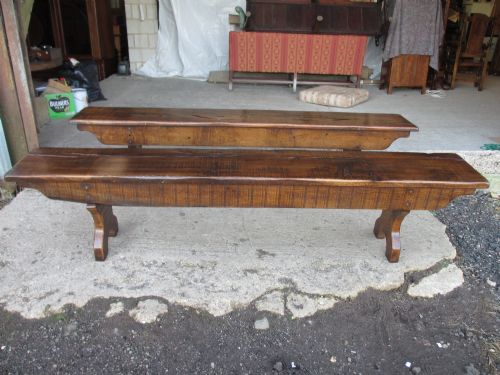
- A horizontal beam supported by two pairs of sloping legs, providing sturdy structural backing for benches and heavy tables. This form appears on Edwardian oak seating.
Vintage Wooden Hall Table: Frequently Asked Questions
What fits a narrow hallway?
Console tables and shallow side tables provide the necessary narrow profile for restricted entrance spaces without blocking movement.
These compact surfaces hold post, keys, and lighting while maintaining clear floor paths.
How do I identify Edwardian oak?
Edwardian oak pieces display lighter natural timber tones and straightforward construction, often reflecting revived historical styles.
They date from the early twentieth century and prioritise domestic utility.
What is scumble paint?
Scumble finish involves dragging a translucent pigmented glaze over a pale painted base to simulate richer wood grain.
This decorative method dates back to nineteenth-century vernacular furniture traditions.