




Vintage Wooden Elephant
These vintage wooden elephant pieces bring sculptural character to a room, ranging from carved tables to bookends from the late nineteenth and early twentieth centuries.
Vintage Wooden Elephant
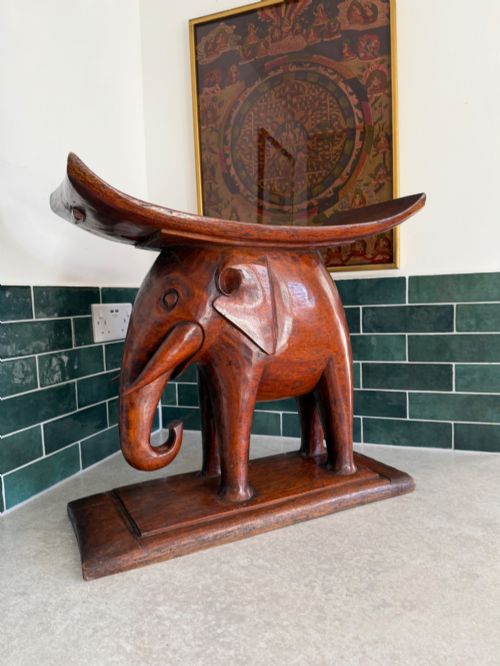
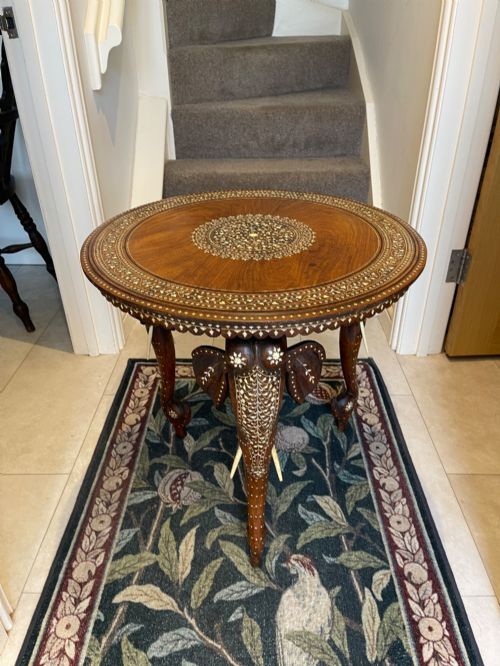
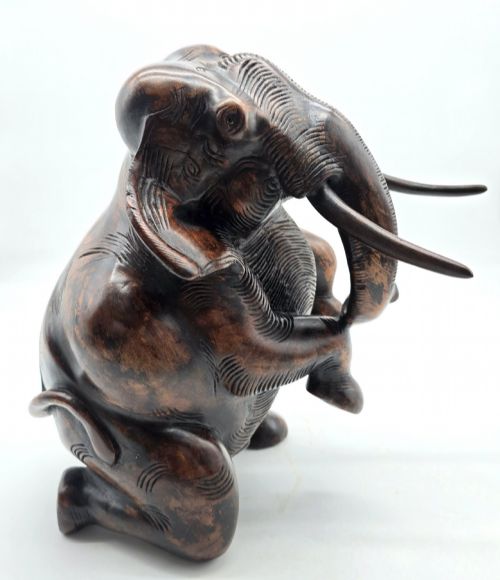
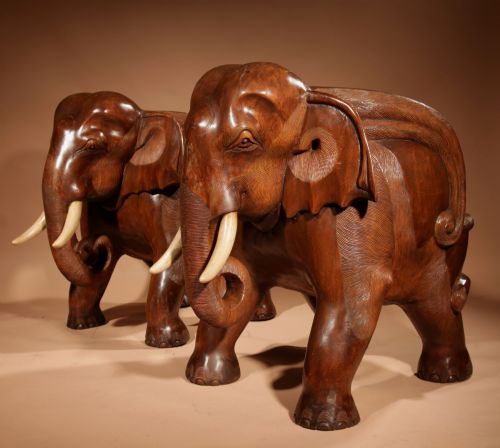
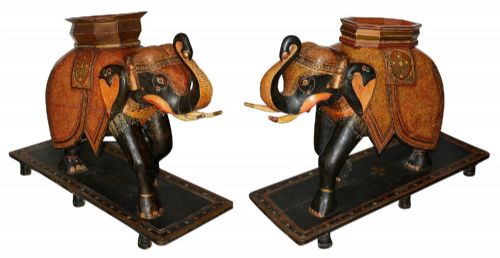
A vintage wooden elephant spans functional furniture and decorative sculpture, including side tables, bookends, and occasional seating shaped around the animal. These pieces emerge from late nineteenth-century Victorian workshops through to Art Deco periods, drawing heavily on Anglo-Indian, Colonial, and Asian folk traditions.
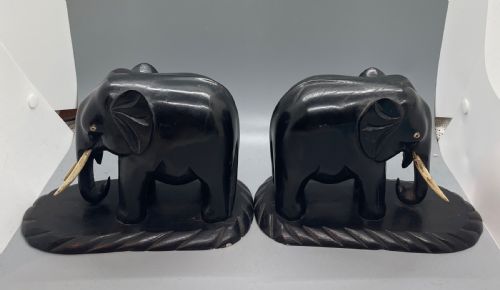
Buyers are most likely to encounter carved tables supported by elephant legs or figures, alongside pairs of carved hardwood bookends. Originating largely from Indian Raj workshops, Burmese craftsmen, and European Black Forest carvers, these items combine practical function with ornate animal carving.
How they were made
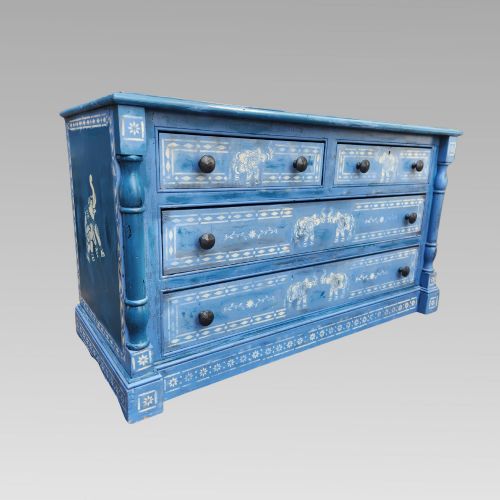
Makers utilised dense timbers such as teak, rosewood, ebony, and hardwood to achieve crisp detail in complex carvings and structural furniture. Workshops often employed bone inlay or contrasting paintwork to accentuate patterns on tables and panels.
Vintage Wooden Elephant Retail Price Guide 2026
Typical asking prices for vintage wooden elephant among the pieces listed under this phrase on Sellingantiques today, from the lower quarter to the upper quarter. They describe what is for sale here now, not the wider market.
Listings feature items from the 1880s to the 1930s, using materials including teak, ebony, bone inlay, and paint.
What varies in quality
The choice of material heavily dictates the tier of the piece, with dense tropical hardwoods and intricate bone inlay marking superior craftsmanship over plain pine or softer woods. Preservation of the original surface finish and structural integrity also separates standard items from exceptional ones.
The Vintage Wooden Elephant Glossary
- Anglo-Indian
- Describing furniture and decorative items made in India during the British colonial period, often combining British furniture forms with local carving traditions. These pieces frequently utilise native hardwoods.
- Hoshiarpur
- A region in India renowned for intricate woodwork, particularly tables and boxes featuring detailed bone inlay and micro-mosaic patterns. Such work defines distinct regional styles.
- Black Forest
- A European style of wood carving originating from Switzerland and Germany, known for realistic animal studies and rustic household items. These sculptures often depict bears and elephants with glass eyes.
- Marquetry
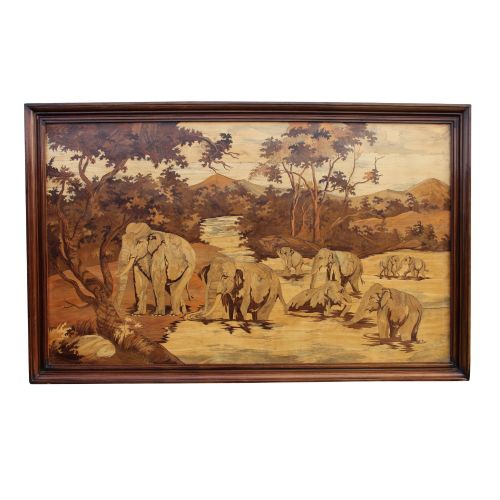
- The art of applying pieces of veneer to a structure to form decorative patterns and pictures. This technique adds surface detail to panels and tabletops.
- Raj Period
- The era of British rule in the Indian subcontinent, spanning from the mid-nineteenth to the mid-twentieth century. Furniture from this time often incorporates traditional local motifs.
Vintage Wooden Elephant: Frequently Asked Questions
What periods do these pieces date from?
These items predominantly date from the late nineteenth century through the Art Deco period of the 1920s and 1930s. Victorian and Edwardian examples sit alongside colonial productions from the Indian Raj.
Craftsmen during these decades produced diverse forms, ranging from small desktop bookends to large centre tables and window seats.
Where were these wooden elephants made?
Production spans several distinct geographic regions, most notably Indian workshops operating during the Raj period, Burmese carving centres, and European studios like those in the Black Forest.
Each region applied local aesthetic traditions and regional timbers to create recognisable furniture and sculptural figures.
How do I care for antique wooden furniture?
Protect these pieces by keeping them away from direct sunlight and maintaining stable indoor humidity levels to prevent timber splitting. Regular dusting with a dry cloth preserves the polished surface.
Avoid using harsh chemical polishes that can degrade nineteenth-century lacquers or damage exposed bone inlay.
What timbers were commonly utilised?
Carvers relied heavily on dense, heavy woods such as teak, rosewood, and ebony to achieve sharp, lasting details. Softer woods like pine occasionally appear in painted items or structural carcases.
Exotic hardwoods allowed artisans to execute deep undercutting for tusks, ears, and decorative harnesses without risking breakage.