

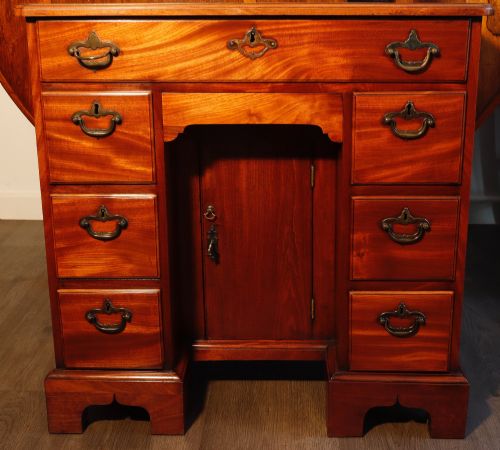
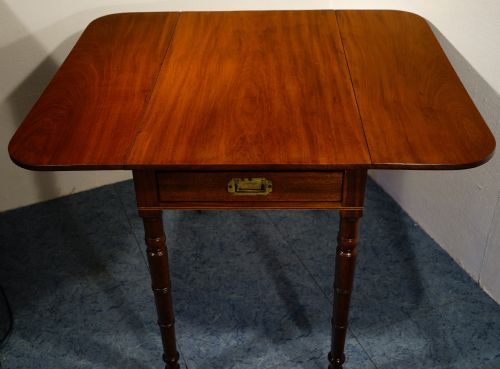
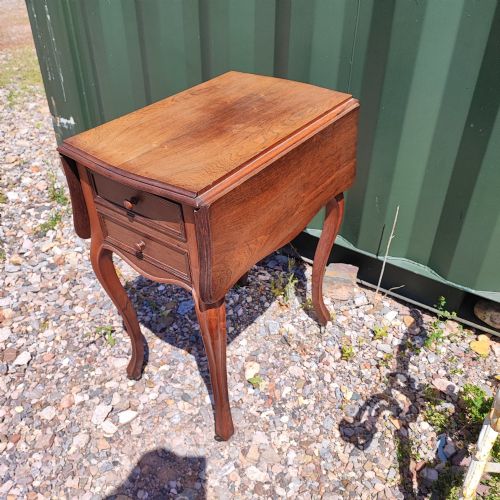
Vintage Wooden Drop Leaf
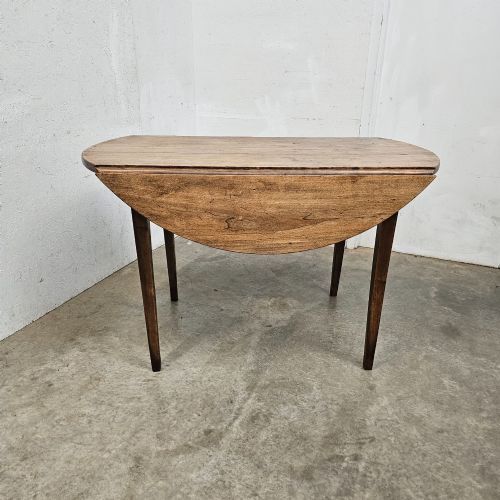
These vintage wooden drop leaf tables provide adaptable surfaces that fold away neatly when space is tight.
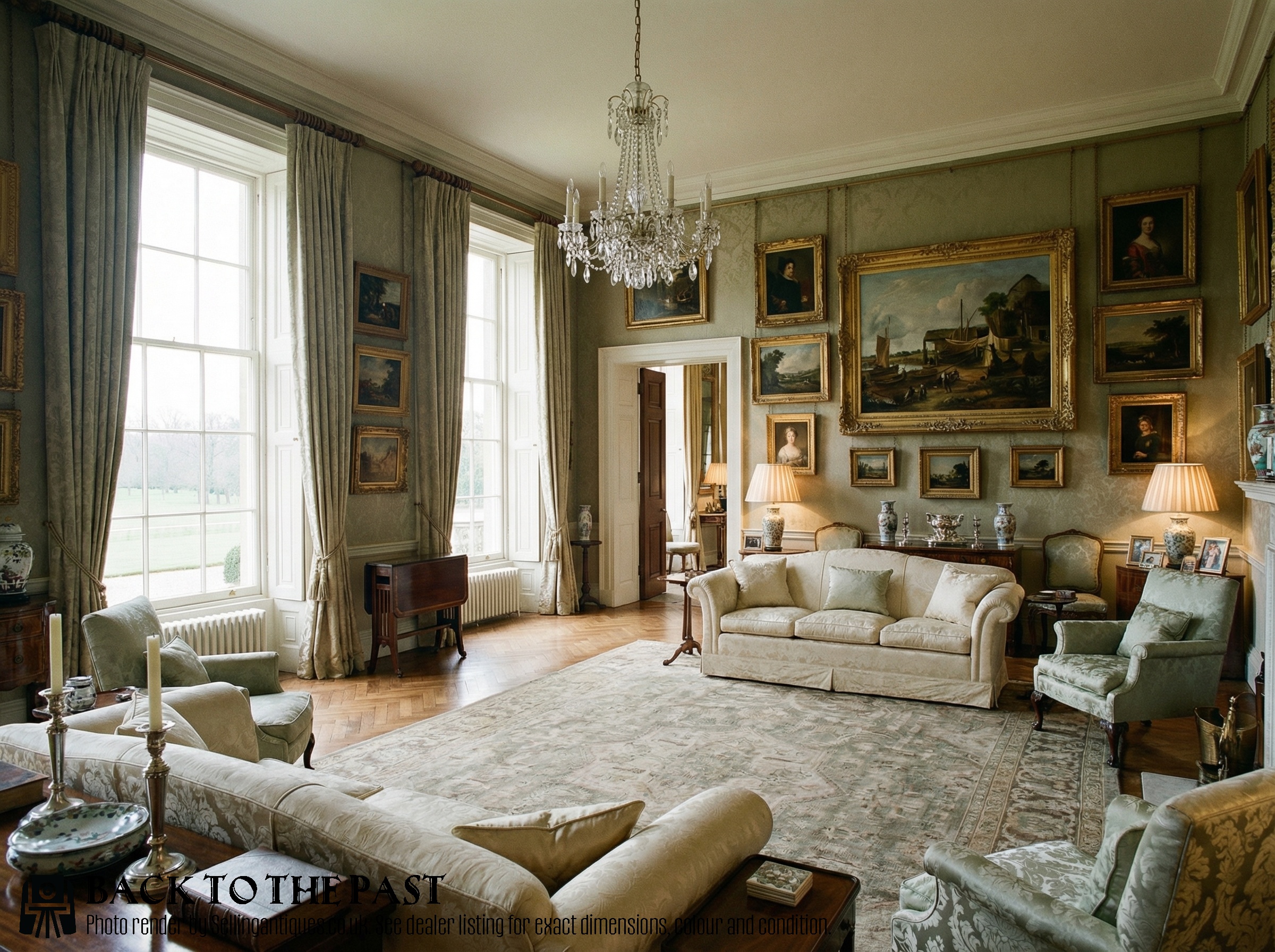
Vintage Wooden Drop Leaf
A vintage wooden drop leaf table offers a clever folding design with hinged flaps that drop down at the sides to save space when not in use. When you search for vintage wooden drop leaf options, you encounter pieces intended for varied rooms, ranging from compact occasional tables to large dining surfaces.
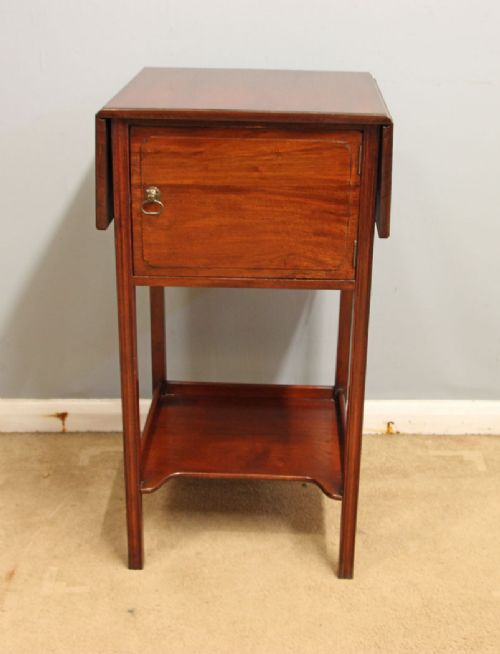
The selections span centuries of British and continental design, with particular strength in Victorian and Edwardian examples alongside earlier pieces from the Georgian and 18th Century periods. These items serve as functional side tables, bedside cabinets, and extension dining tables depending on their original domestic purpose.
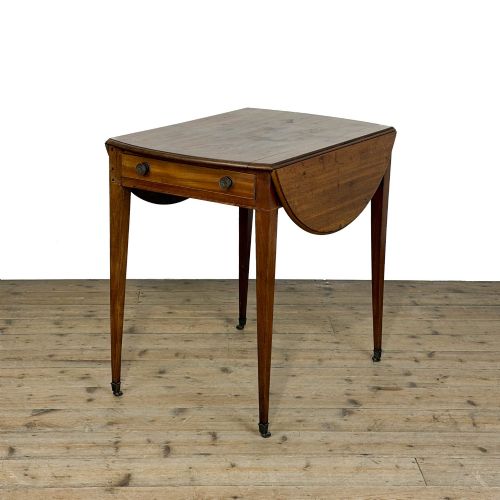
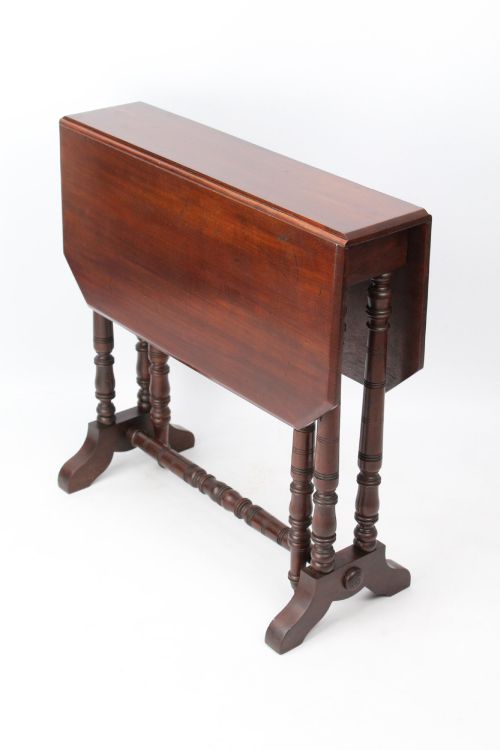
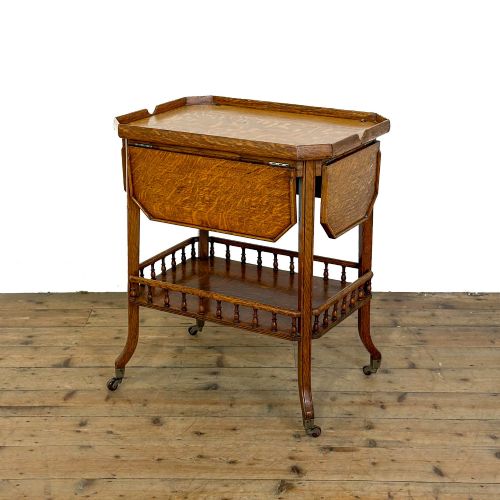
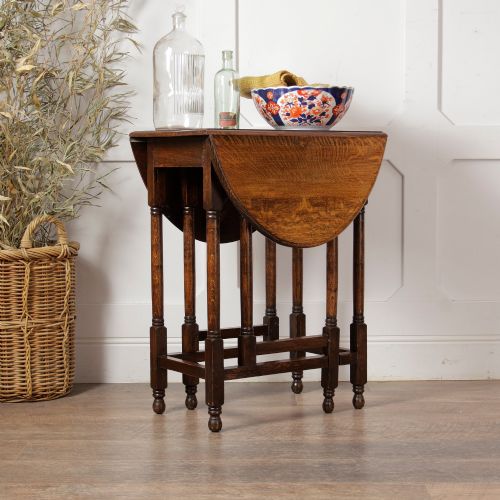
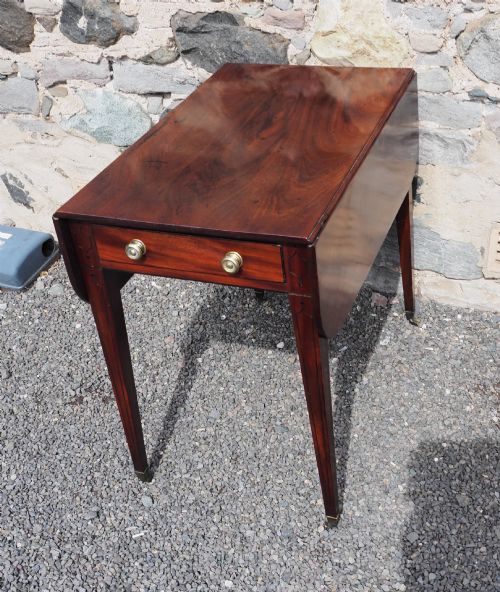
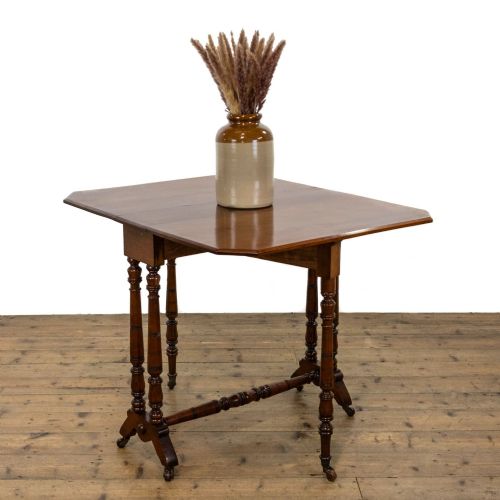
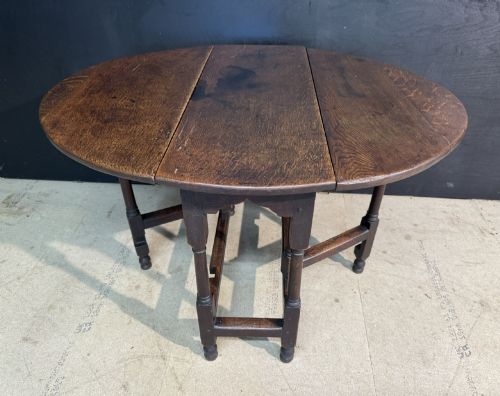
The most common forms on this page include Pembroke tables with slender drawers, gateleg tables supported by swinging wooden legs, and Sutherland tables featuring exceptionally narrow profiles when folded. Lesser variations include tea tables and kitchen preparation pieces designed for daily household labour.
Materials and construction methods
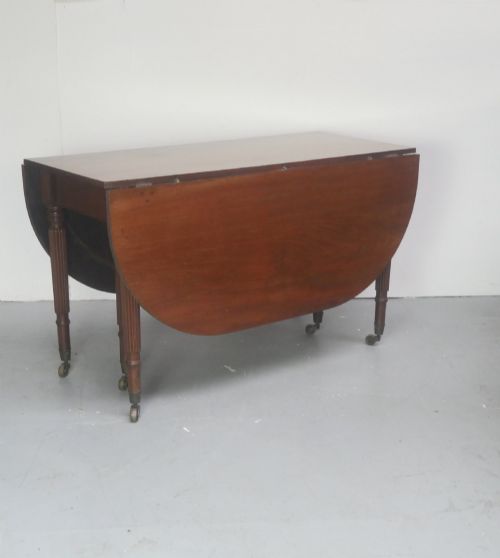
Cabinet makers relied heavily on dense hardwoods like mahogany, walnut, oak, and rosewood, occasionally utilising fruitwood, satinwood, pine, or exotic veneers to face the primary surfaces. Brass hinges, castors, and swing brackets provide the mechanical support necessary for the folding flaps to operate smoothly over generations of use.
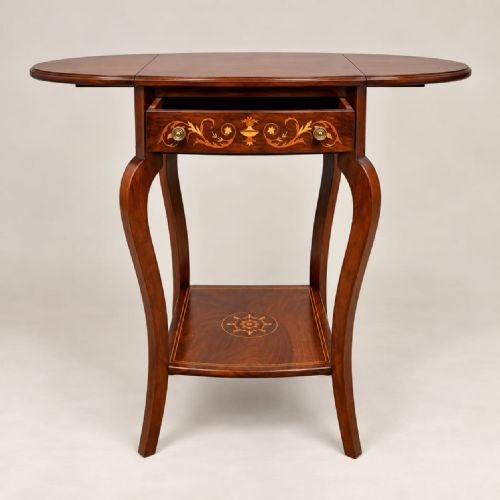
Joinery techniques reflect the period of origin, combining traditional hand-cut joints with sturdy gateleg frameworks or pivoting wooden arms to bear the weight of the drop leaves. Selected pieces feature decorative stringing, intricate inlay work, or painted finishes applied over the bare timber.
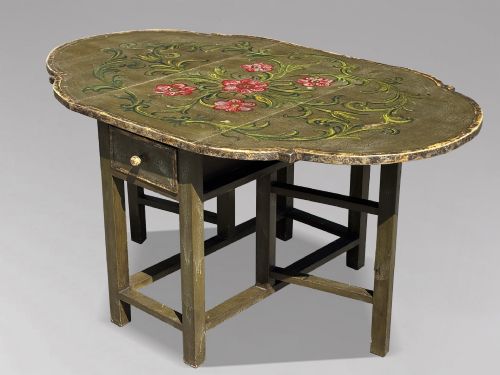
Some tables feature clever green paint or bobbin-turned legs, proving our ancestors enjoyed lively personality in small furniture.
Judgements of quality and craftsmanship
The distinction between ordinary and superior pieces rests on the choice of timber and the precision of the cabinet work. Highly figured mahogany, burr walnut, or carefully matched veneers indicate a workshop that prioritised visual elegance alongside structural integrity.
Mechanism design also separates standard utility items from finer parlour furniture, seen in how effortlessly the drop leaves lock into position and how securely the support legs or swing brackets bear downward pressure. Original brass hardware and well-preserved hinges contribute significantly to the overall integrity of a piece.
The Vintage Wooden Drop Leaf Glossary
- Pembroke table
- A small rectangular table featuring two hinged drop leaves on opposing sides, often equipped with one or two small drawers. This form became popular during the 18th century for breakfast or writing use.
- Gateleg table
- A table with hinged leaves supported by legs that swing outward on a gate-like framework. This construction provides robust support for large folding surfaces.
- Sutherland table
- A particularly slender type of drop leaf table with exceptionally narrow fixed central top and wide leaves that drop nearly to the floor. They fold into a very flat profile for storage.
- Drop flap
- A hinged section of a table top that lowers when not in use. It allows the overall footprint of the furniture to contract rapidly.
- Inlay
- Decorative motifs created by fitting contrasting pieces of wood or other materials into recessed cavities on the surface. This technique highlights Edwardian and Georgian decorative refinement.
Vintage Wooden Drop Leaf: Frequently Asked Questions
What rooms suit a drop leaf table?
These adaptable tables fit comfortably into compact dining areas, living rooms, and bedrooms where floor space shifts throughout the day.
Their folding leaves allow the furniture to expand for guests or contract against a wall when extra room is required.
How do I support the folding leaves?
Most leaves are held aloft by pivoting wooden brackets, swinging gatelegs, or pull-out wooden arms beneath the top.
Ensuring these moving components operate smoothly protects the hinges and keeps the extended surface level.
Are these tables sturdy enough for daily dining?
Many examples, particularly larger gateleg and Pembroke designs, were built specifically for regular meals and kitchen preparation.
Checking the stability of the central frame and leaf supports confirms whether a piece suits active daily use.
How do I distinguish a Victorian model from an 18th century one?
Victorian and Edwardian versions frequently utilise rich rosewood, walnut, or lighter mahogany with machine-assisted turned legs and sometimes factory-cast brass hinges.
Earlier 18th century and Georgian pieces typically display heavier oak or solid mahogany construction with hand-finished joinery and simpler, robust underframes.