
Vintage Wooden Door
These vintage wooden door items span centuries of cabinet-making, offering sturdy storage solutions built from oak, mahogany, pine and walnut.
Vintage Wooden Door
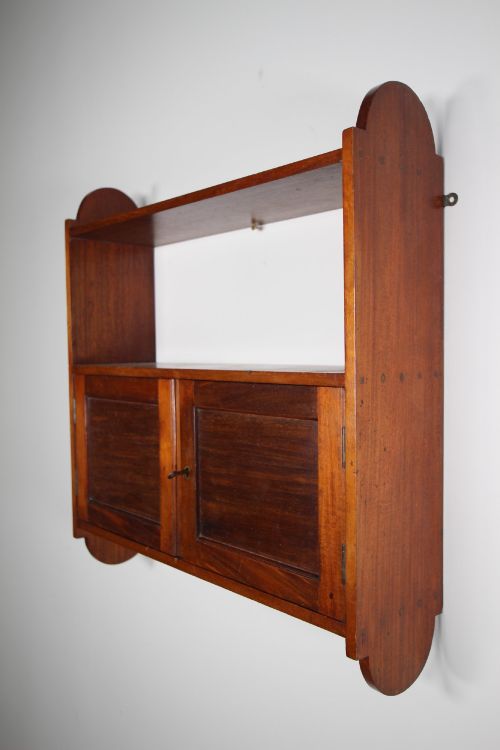
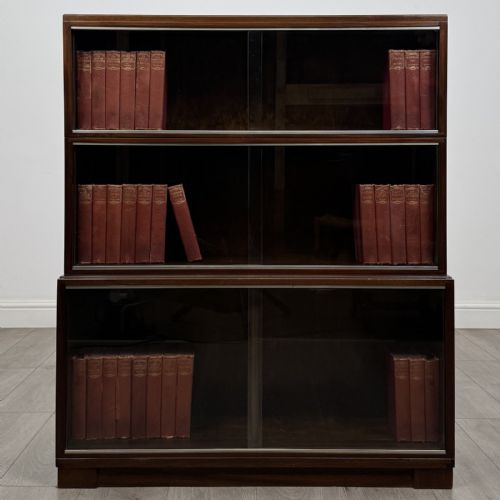
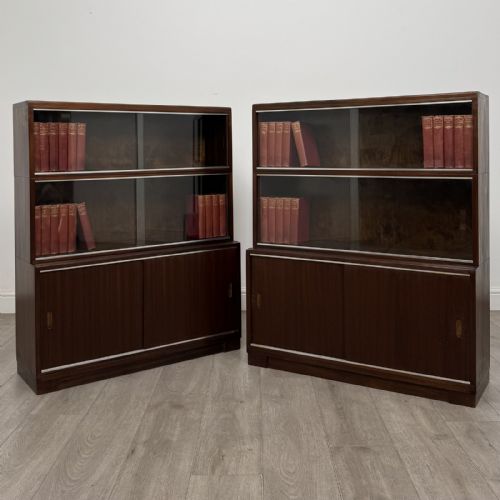
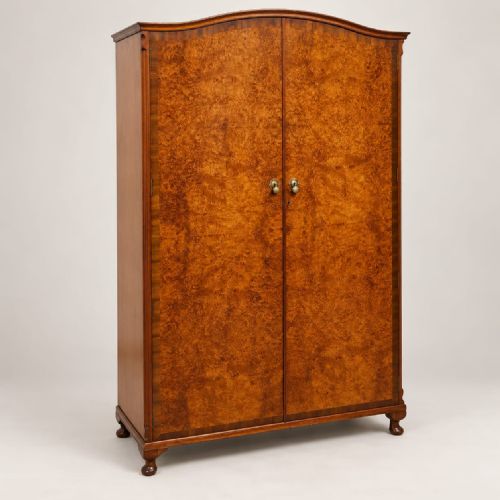
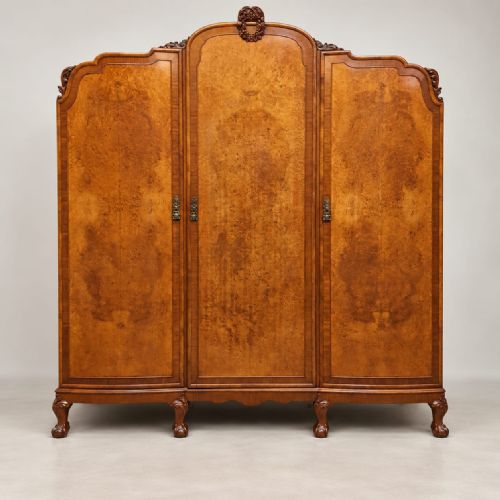
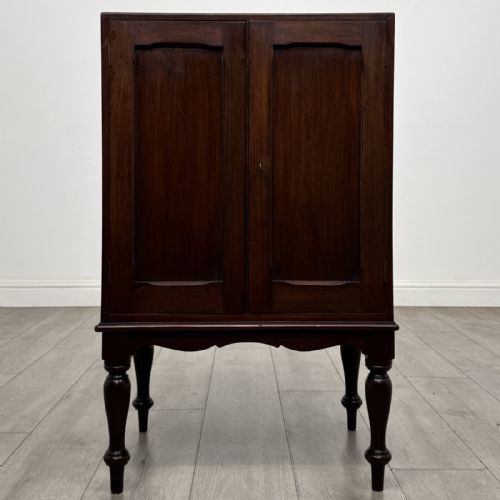
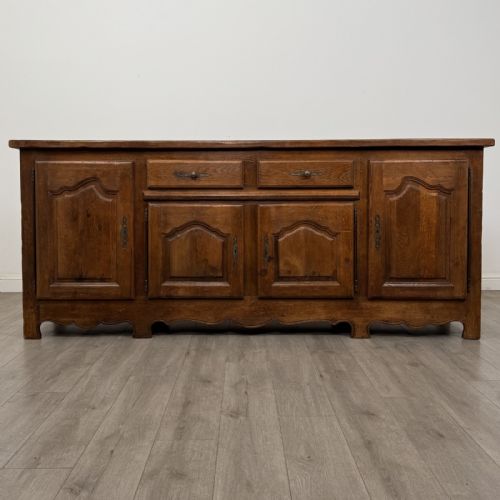
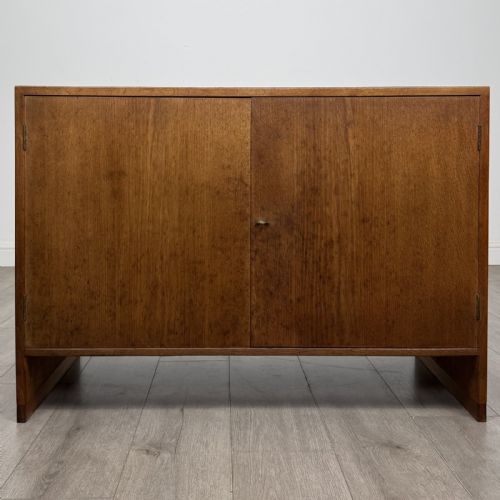
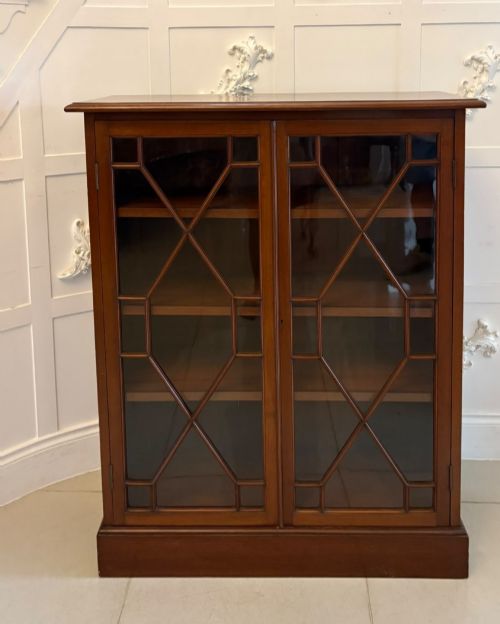
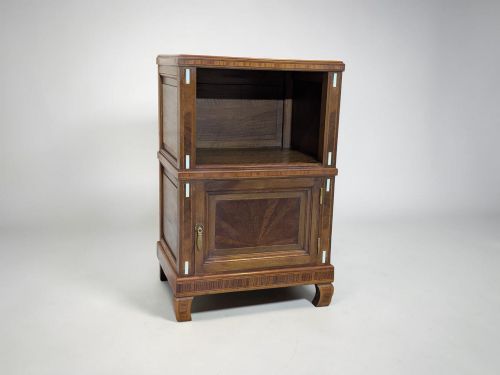
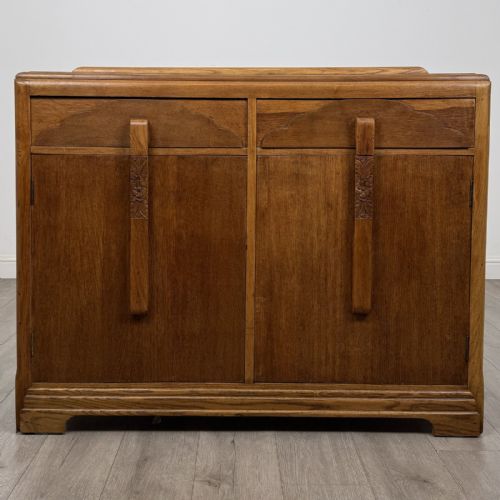
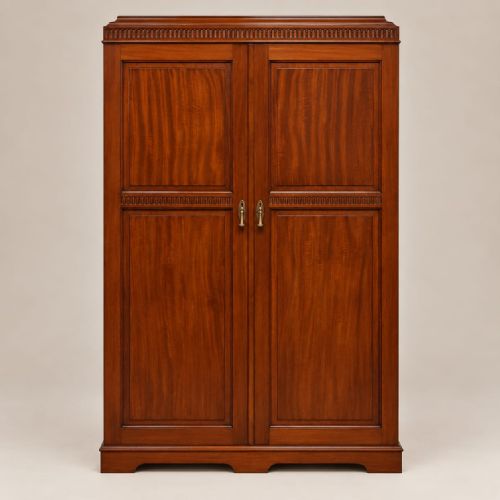
When you search for vintage wooden door, you encounter a selection of large cabinetry pieces including wardrobes, sideboards, bookcases and cupboards. These items originate from periods ranging from the Regency era through the Victorian and Edwardian periods into the 1930s.
The pieces on this page lean heavily towards substantial wooden furniture such as wardrobes, compactums and sideboards with panelled or glazed doors. They reflect the domestic storage needs of the nineteenth and early twentieth centuries.
Makers and craftsmen utilised a variety of regional styles, spanning English Country, French Provincial, Arts and Crafts and Regency designs. Each form demonstrates the prevailing architectural and interior fashions of its decade of construction.
How they were made
Cabinet makers constructed these pieces primarily using solid hardwoods and softwoods such as oak, mahogany, walnut, pine and ash. Many surfaces received applied veneers like burr walnut or satinwood to create decorative grain patterns.
Functional hardware relied on brass and iron for hinges, handles, locks and escutcheons. Glazed doors incorporated fitted glass panes, while specific items included marble tops and scumble faux paintwork.
One unexpected nineteenth-century wardrobe arrived with original scumble paintwork designed to convince visitors the pine underneath was solid oak.
What varies in quality
The standard of timber selection and joinery determines the grade of each cabinet, with solid hardwoods and carefully matched veneers sitting at the upper end. Superior examples exhibit precise dovetailing, intact original hardware and robust internal fittings.
Subtleties in carving, such as hand-carved details on Edwardian oak wardrobes or figured walnut panels on Art Deco armoires, separate standard utilitarian items from finer decorative commissions.
The Vintage Wooden Door Glossary
- Compactum
- A large fitted wardrobe combining hanging space, drawers and shelving. This form became popular in the Victorian and Edwardian eras for efficient bedroom storage.
- Chiffonier
- A low sideboard or cabinet featuring cupboards and sometimes a small raised shelf. It evolved during the Regency and Victorian periods for dining room use.
- Tambour
- A flexible shutter made of narrow vertical strips of wood glued to canvas. This mechanism allows doors to slide smoothly around curved cabinet corners.
- Scumble
- A decorative paint technique used to simulate natural wood grain. Nineteenth-century decorators applied this over pine to imitate more expensive timbers like oak.
- Breakfront
- A piece of furniture where the central section projects forward from the flanking wings. This architectural layout adds depth and visual rhythm to large bookcases and sideboards.
Vintage Wooden Door: Frequently Asked Questions
What periods do these wooden door cabinets come from?
The pieces span multiple eras, beginning with the Regency period and moving through the Victorian and Edwardian decades. Later examples reach into the 1920s and 1930s.
Construction styles shift noticeably across these timelines, moving from formal mahogany Regency designs to robust Edwardian oak and polished Art Deco walnut.
Which woods were commonly used for these cabinets?
Cabinet makers utilised a broad selection of native and imported timbers depending on the era and the piece's intended room. Common materials include solid oak, mahogany, walnut, pine and ash.
Finer decorative pieces often feature veneers such as burr walnut or satinwood applied to carcases of secondary timber.
How do I identify an Edwardian wardrobe?
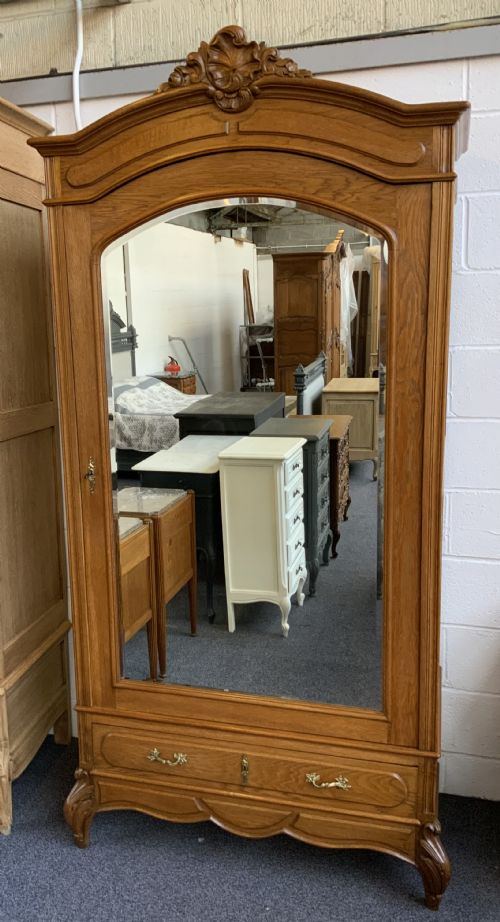
Edwardian wardrobes frequently display lighter mahogany or golden oak construction, often incorporating large mirrored doors and carved detailing. They date from around 1901 to the 1910s.
Many examples from this era form part of matching bedroom suites that include bedside cupboards and dressing tables.
What is a tambour front cabinet?
A tambour front cabinet uses a sliding door constructed from narrow vertical wooden slats attached to a fabric backing. This allows the door to track around curved housing.
This mechanism appears on early twentieth-century office and filing furniture designed to save space in compact rooms.