






Period Oak Door
A period oak door is a solid, timber-framed entryway that brings the honesty and weight of centuries past into a home.
Period Oak Door
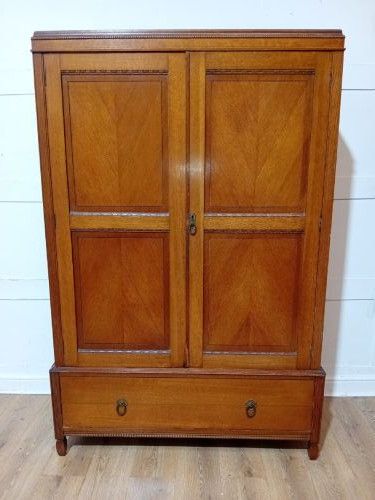
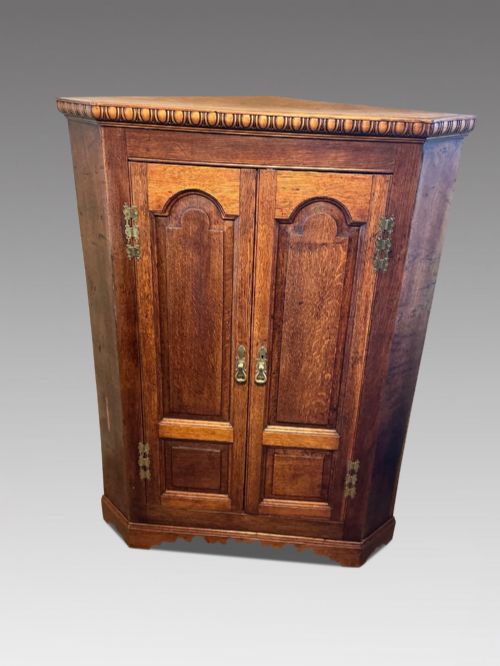
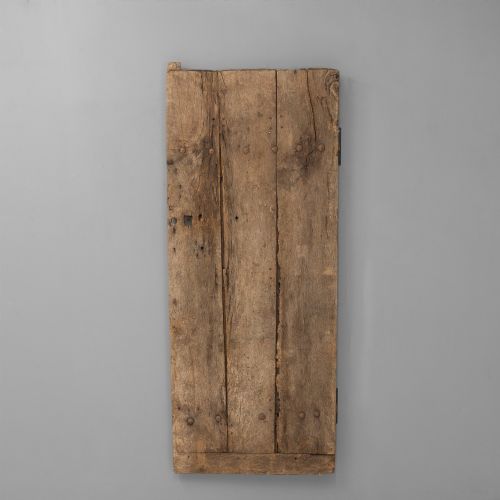
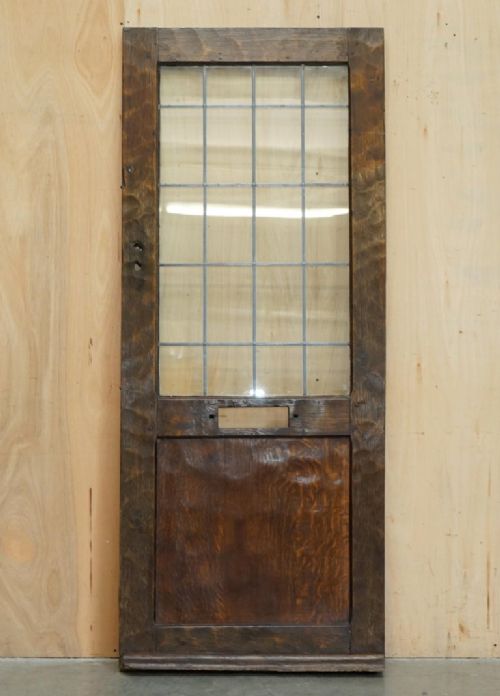
A period oak door spans several centuries of British and continental joinery, appearing here alongside related architectural fragments and structural elements from the Georgian, Victorian, and Edwardian eras. Buyers searching for a period oak door will find actual exterior and interior entryways dating from the eighteenth and nineteenth centuries, as well as Arts and Crafts examples and specific cupboard doors.
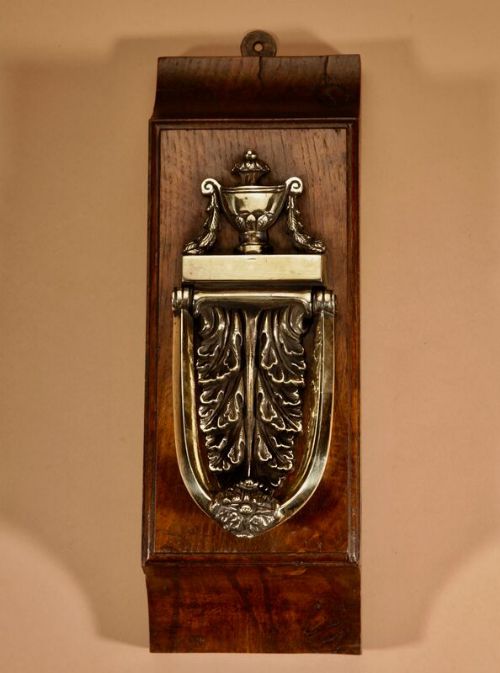
The selection ranges from robust front and back doors bearing maker signatures like Robert Mouseman Thompson to French chateau double doors and smaller cupboard doors intended to be built into older interiors. These architectural pieces retain their original functional hardware, including iron and brass box locks, stock locks, and heavy knockers.
Georgian and eighteenth-century examples dominate the broader category alongside nineteenth-century pieces, showing how timber was selected and worked before mass production. Whether standing as a complete entrance or serving as a wall cabinet door, each item demonstrates the enduring utility of heavy oak construction.
Materials and Construction
Construction relies heavily on solid timber, with oak forming the primary structural framework for both doors and associated architectural cabinetry. Wrought iron and brass are utilised extensively for functional elements such as heavy stock locks, working box locks, and decorative door knockers.
Joinery methods reflect the periods of their origin, from eighteenth-century pegged framing to later Arts and Crafts interpretations. Secondary materials like lead, glass, and veneer appear in specific glazed and panelled formats, complementing the primary oak structure.
Keep your fingers clear when testing the heavy iron stock locks; eighteenth-century locksmiths built them with a satisfying snap that brooks no hesitation.
Evaluating Quality
Quality in a period oak door rests upon the integrity of the original timber and the survival of its authentic surface patina rather than modern cosmetic perfection. The depth of the grain and the weight of the timber indicate the maturity of the oak used by the original carpenter.
The preservation of original ironmongery, such as working box locks, keys, and brass knockers, elevates a piece significantly. Superior examples maintain their structural joinery without excessive replacement timber, showing clear signs of period hand-working techniques.
The Period Oak Door Glossary
- Stock lock
- A heavy mechanical lock housed within a wooden case, commonly mounted to the surface of a heavy interior or exterior door during the eighteenth and nineteenth centuries.
- Box lock
- A self-contained metal lock mechanism mounted to the interior face of a door or cupboard, often operated by a specific wrought iron key.
- Compactum
- A large fitted wardrobe or combination cabinet designed for efficient clothes storage, frequently constructed from oak during the late nineteenth or early twentieth century.
- Corner cupboard
- A specialised storage cabinet built with a triangular footprint to fit snugly into the corner of a room, appearing in hanging or floor-standing formats.
Period Oak Door: Frequently Asked Questions
Can I fit a period oak door to a modern frame?
Fitting an older door into a contemporary door frame usually requires careful adjustment by a skilled carpenter because historical timbers settle, warp slightly, and rarely conform to standard modern dimensions.
It is often necessary to work with the existing irregularities of the timber rather than attempting to plane the door flat, preserving the historic edges and original surface character.
How do I maintain an oak door?
Maintaining an antique oak door involves applying traditional waxes or natural oils to nourish the timber and protect it from excessive moisture changes in modern centrally heated homes.
Avoid harsh chemical cleaners on both the wood and any attached brass or iron hardware to ensure the natural patina continues to develop over time.
Are these doors suitable for exterior use?
Many of the heavier examples listed are built as front or back doors, constructed from dense timber robust enough to withstand external weather conditions when properly treated.
However, interior cupboard doors and certain decorative architectural panels lack the necessary thickness and weather-proofing for exterior placement.
How can I date an oak door?
Dating relies on examining the construction marks, tool traces left by the carpenter, the style of the mouldings, and the accompanying hardware such as locks and hinges.
Eighteenth-century examples often display hand-planed surfaces and pegged mortise and tenon joints, whereas nineteenth-century pieces may incorporate machine-sawn elements and different ironmongery styles.