


Country House Door
A country house door accessory or large storage piece brings architectural weight and practical utility to domestic spaces.
Country House Door
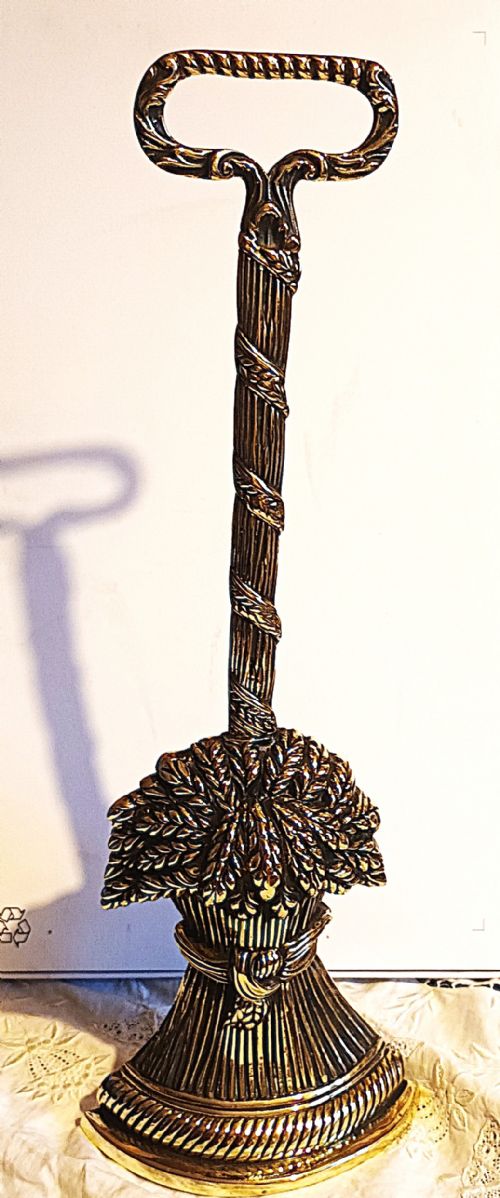
When searching for a country house door or associated heavy utility items, buyers encounter substantial oak doors alongside functional accessories such as cast iron boot scrapers and brass doorstops. These objects originate from large estates and country residences spanning the Georgian, Victorian, and Edwardian eras, designed for heavy daily use.
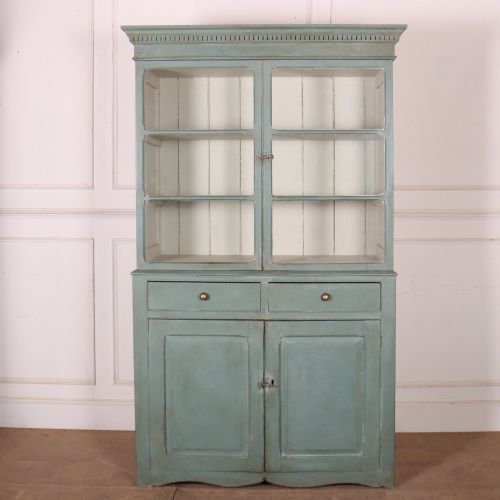
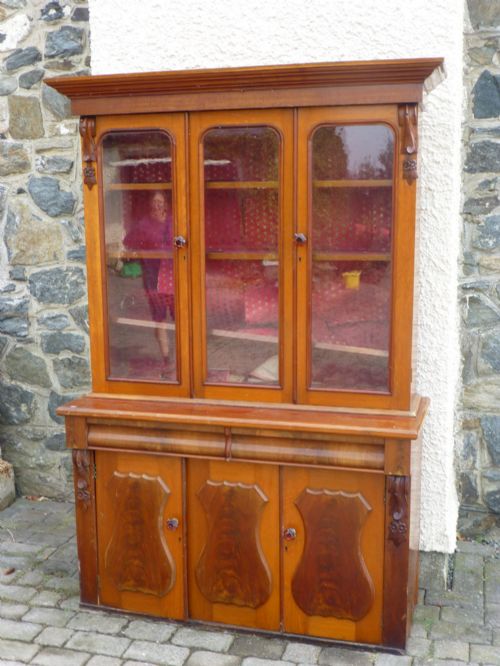
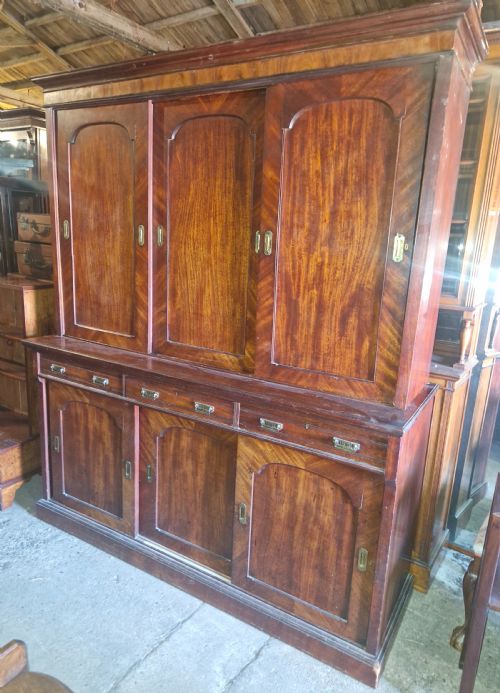
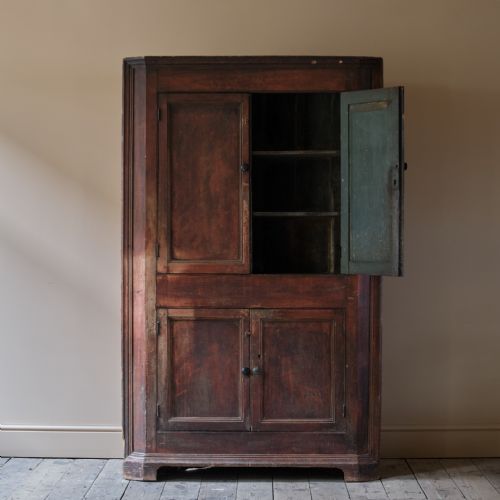
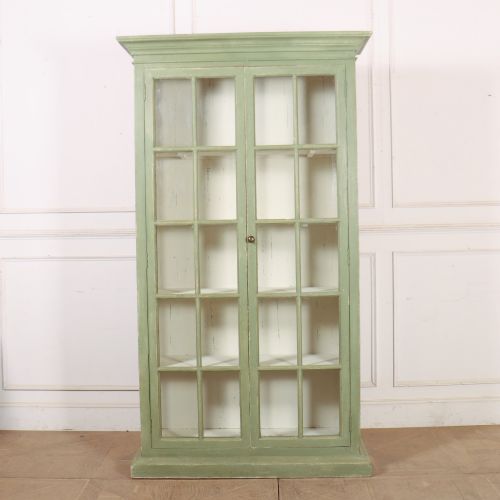
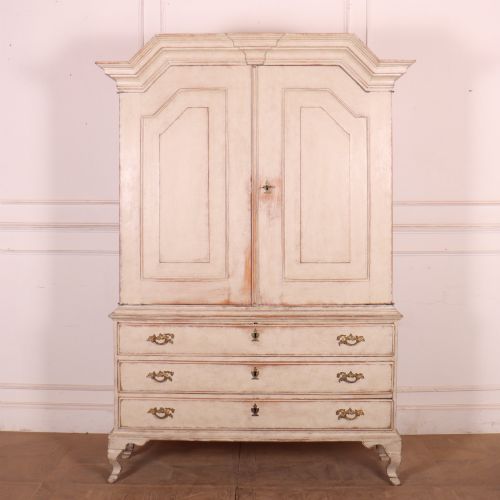
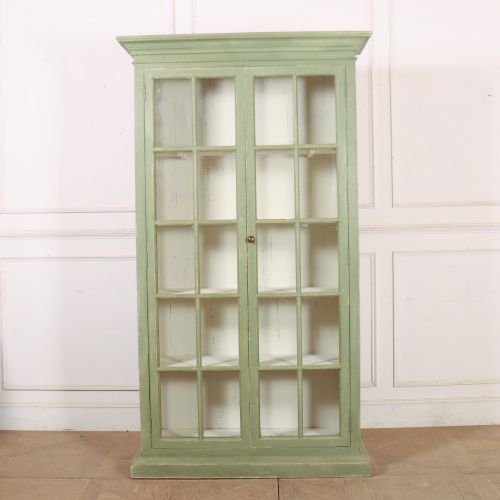
The pieces appearing most frequently range from functional door porters shaped as foxes, dogs, or ploughmen to large panelled wardrobes, bookcases, and housekeeper's cupboards. Such furniture and hardware defined the service and reception areas of historic large homes.
Period examples reflect the utilitarian yet robust demands of country estates, constructed from hardy timbers and dense metals built to withstand generations of constant opening, closing, and foot traffic.
Materials and construction methods
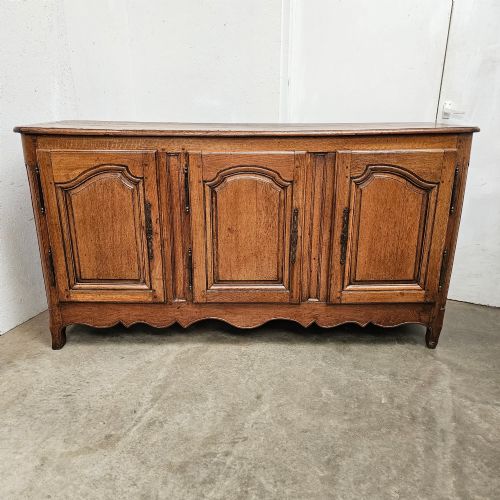
Makers utilised durable materials such as solid oak, heavy pine, fruitwood, and flame mahogany for large cabinetry, pairing them with robust metals like brass, cast iron, and wrought iron for hardware and boot scrapers.
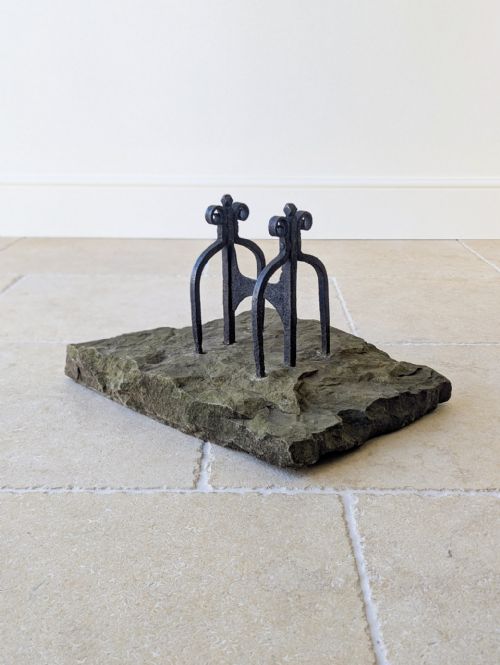
Metal items relied on foundry casting and forging techniques to create weighted doorstops and rigid scrapers inset into stone blocks, while timber furniture employed traditional panel construction, dovetailing, and surface treatments including paint and wax.
Current listings feature materials spanning heavy cast iron, solid brass, pine, oak, and flame mahogany across the Georgian and Victorian periods.
Distinctions in quality and execution
Quality separates through the purity of the casting in metal door stops and boot scrapers, where finer definition in animal figures and armorials denotes superior foundry work. Heavy, uncompromised weighting ensures functional utility.
In timber furniture, quality reveals itself in the selection of figured timbers like flame mahogany, the retention of original painted surfaces, and the integrity of architectural mouldings. Pieces featuring untouched patination and robust structural joinery command greater appreciation.
The Country House Door Glossary
- Boot scraper
- A stationary metal blade or framed iron scraper anchored near an entrance, utilised for cleaning mud and debris from footwear before entering the house.
- Door porter
- A heavy portable weight, typically cast in brass or iron, designed to hold a heavy interior door open against draughts.
- Housekeeper's cupboard
- A large tall storage cabinet traditionally kept in domestic service quarters for linens, dry goods, or household provisions.
- Breakfront
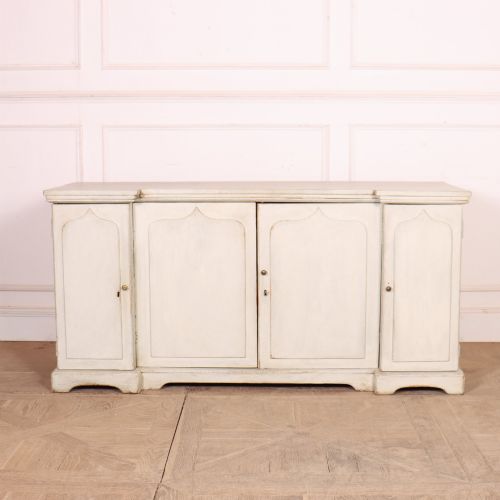
- A large cabinet or bookcase where the central section projects forward from the flanking outer sections.
- Enfilade
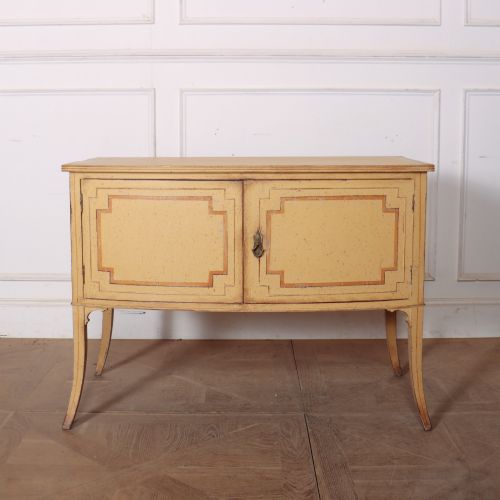
- A suite of rooms formally aligned with doorways in a straight line, or a long low cabinet echoing this architectural layout.
Country House Door: Frequently Asked Questions
What is a country house doorstop?
A country house doorstop, often called a door porter, is a heavy weighted object cast in brass or iron used to keep interior doors stationary. These functional items frequently took decorative animal or figural forms.
They were positioned in hallways and grand rooms of large estates where heavy timber doors required reliable manual propping against draughts.
How were boot scrapers utilised?
Boot scrapers were positioned immediately outside primary and service entrances of historic residences so visitors and staff could clear thick mud from footwear before stepping indoors.
Set directly into hewn stone blocks or anchored beside thresholds, these iron and steel blades handled the heavy agricultural wear typical of country living.
What distinguishes an estate cupboard?
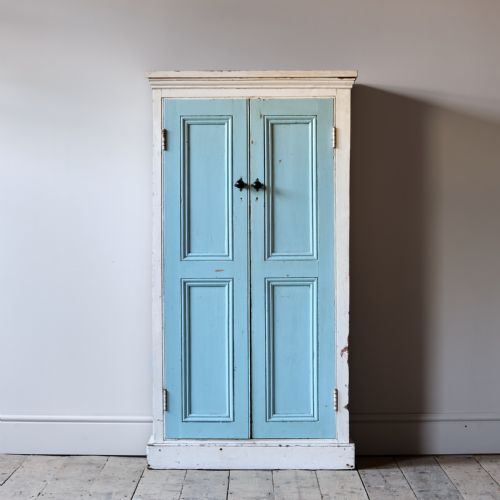
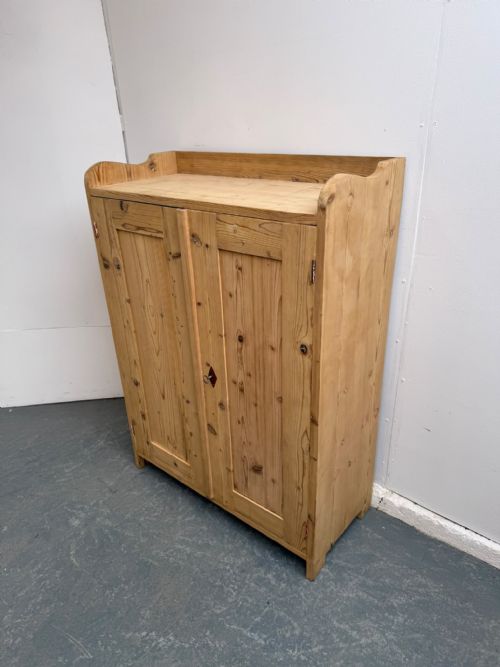
Estate cupboards and housekeeper's larders were utilitarian storage furniture designed for large households, constructed to hold linens, provisions, or administrative records.
Built primarily from sturdy pine or oak, their value lies in honest vernacular proportions, practical shelving arrangements, and the preservation of original painted or waxed surfaces.
How do I date these iron pieces?
Dating cast iron and brass hardware relies on evaluating the crispness of the casting, the style of the base or fixing points, and the natural wear patterns on the metal surfaces.
Earlier Georgian and Regency examples often feature simpler, heavier utilitarian forms, whereas Victorian foundries introduced intricate animal figures and weighted bases.