
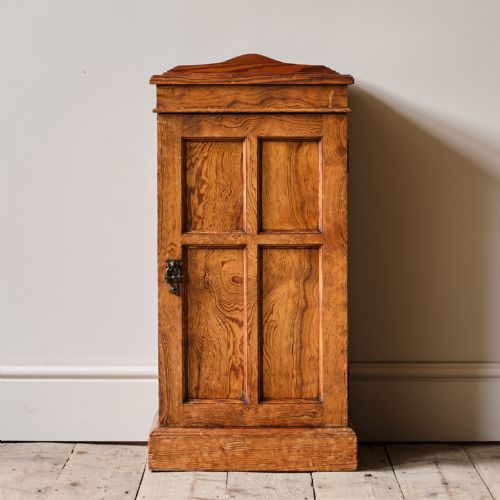
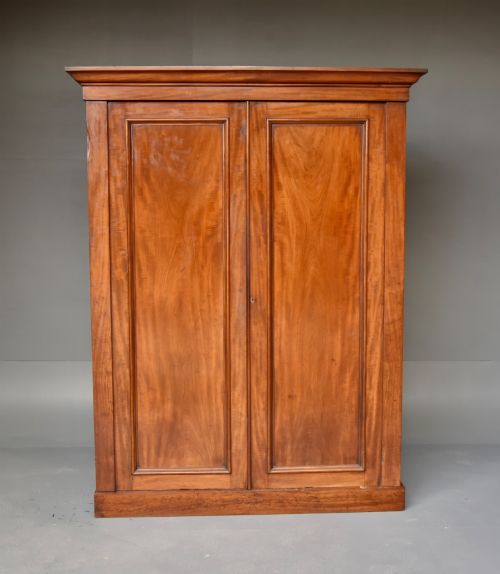
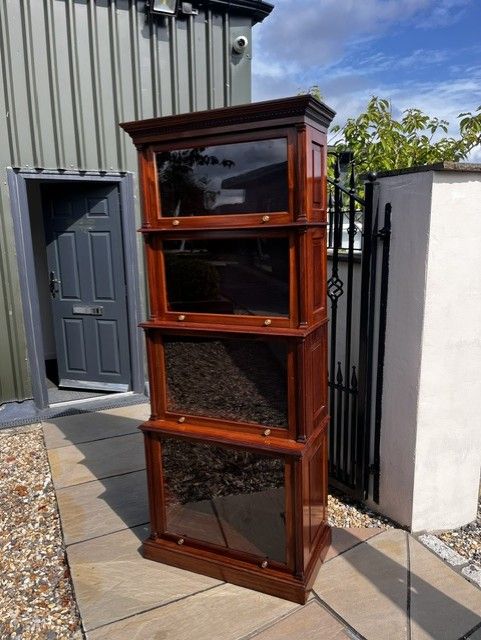
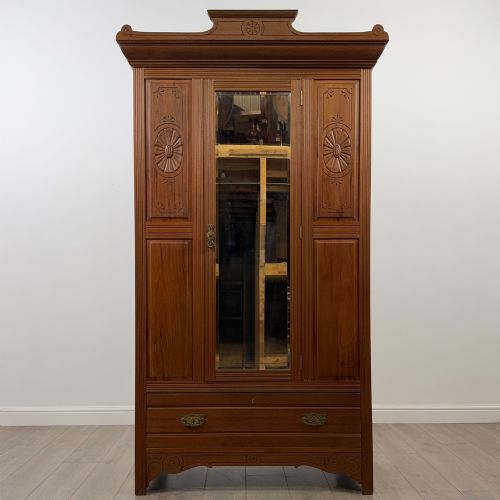
Antique Timber Door
An antique timber door offers solid heritage and craftsmanship, bringing architectural character and substantial weight to an interior.
Antique Timber Door
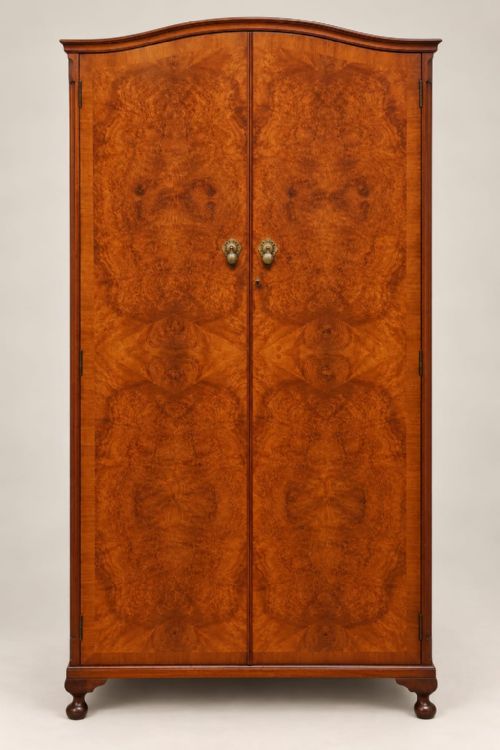
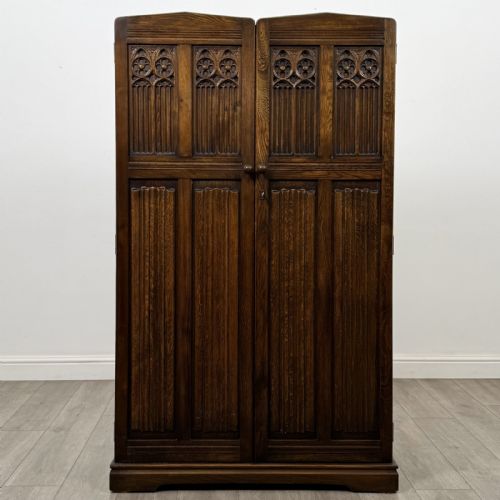
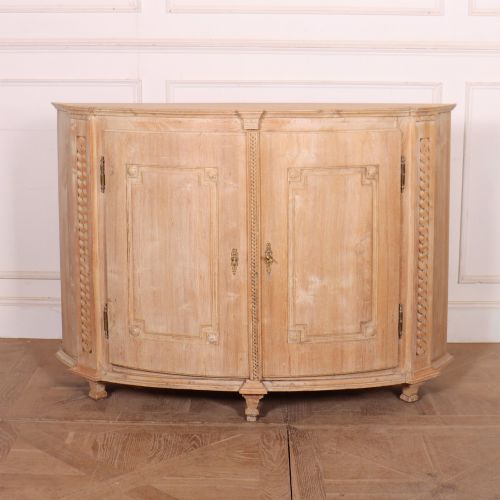
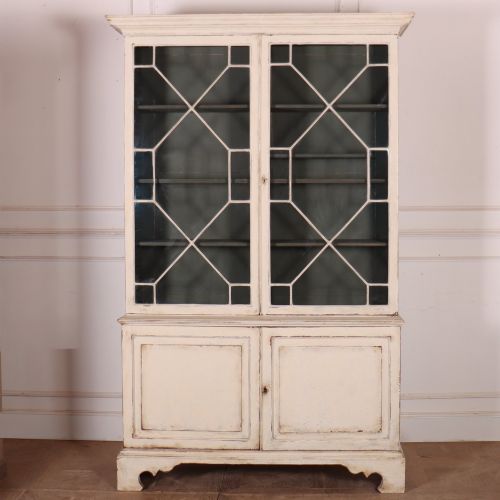
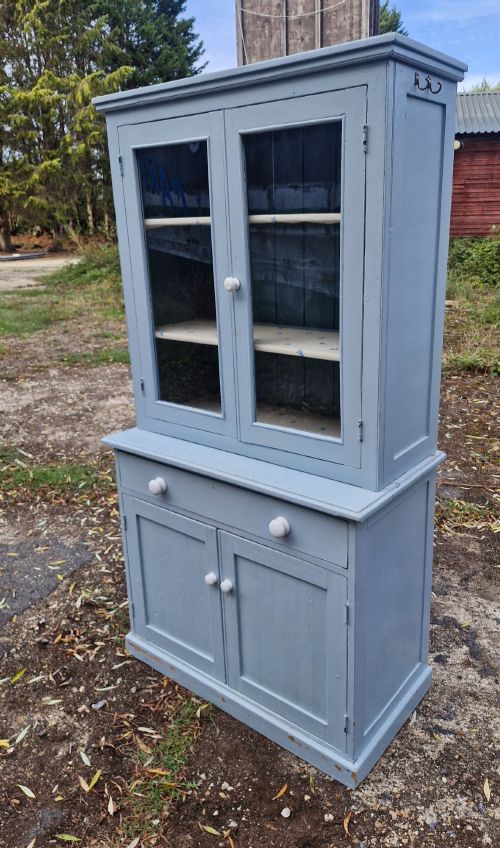
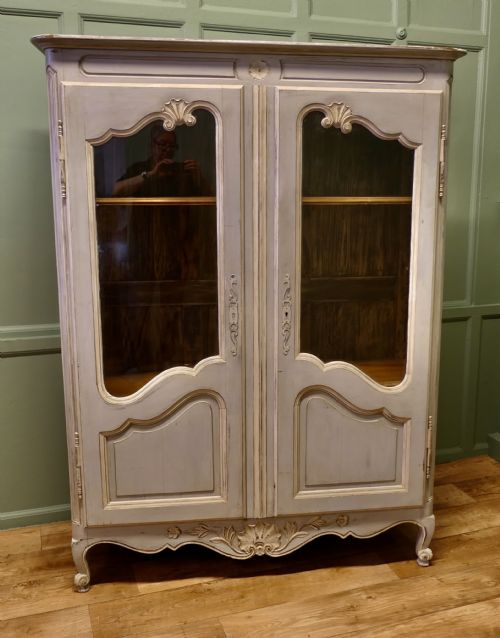
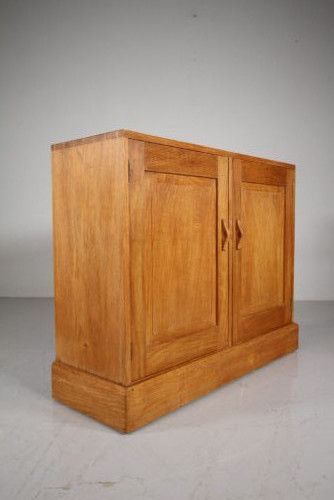
When you search for an antique timber door, you are looking at architectural salvage and period joinery intended to divide spaces or secure entrances. These pieces range from simple utilitarian panels to grand double doorways salvaged from domestic and institutional buildings. The examples seen here include sturdy oak, pine, and walnut structures spanning the eighteenth, nineteenth, and early twentieth centuries.
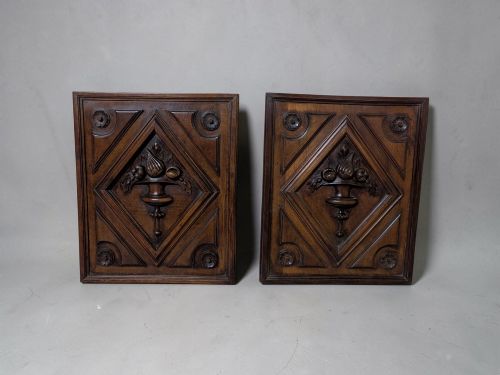
The most common formats on this page reflect traditional joinery methods, featuring panelled timber constructions and heavy frames. Buyers encounter everything from tall church portals with wrought ironwork to domestic room doors and paired cupboard panels. Each item carries the marks of its original setting, preserved through decades of use.
Construction and Materials
These doors rely on traditional timber construction, using dense hardwoods like oak and walnut alongside structural softwoods such as pine and cedar. Joinery techniques typically involve mortise and tenon joints to allow the heavy timber to settle without buckling under its own weight. Surfaces often show layers of original paint, wax polish, or bare grain developed through prolonged handling.
Metal hardware forms an integral part of the fabrication process, incorporating heavy iron hinges, straps, and brass latches. Blacksmith-made ironwork provides structural support and reinforcement across larger doorways. The combination of durable timber and forged metal ensures longevity across centuries of service.
Listings feature timber doors and architectural elements spanning from the Georgian era through the 1930s, constructed in oak, pine, walnut, and iron.
Evaluating Timber and Joinery
The standard of a piece rests primarily on the choice of timber and the integrity of its original frame. Tighter grain patterns in hardwoods indicate slower growth and superior strength, while stable seasoning prevents excessive warping over time. Untouched surface patination and surviving hardware elevate the integrity of the object.
Proportion and scale dictate the visual success of the installation within modern spaces. Substantially sized items with intact panels and original structural frames hold greater presence than altered fragments. The survival of period paint layers or polished timber finishes without extensive modern intervention determines the grade of the piece.
The Antique Timber Door Glossary
- Panel
- A central wooden section fitted within a grooved frame. This technique allows the timber to expand and contract naturally with changes in humidity.
- Mortise and tenon
- A joint connecting two pieces of wood where a projecting tongue fits snugly into a corresponding cavity. This method underpins the structural strength of traditional doors.
- Architrave
- The decorative moulding framing a doorway. It conceals the join between the wall and the timber frame.
- Salvage
- Architectural elements recovered from buildings slated for demolition or renovation. This practice preserves historical joinery for reuse in new settings.
- Patina
- The surface sheen and coloration developed by timber and metal through age and frequent contact. It serves as a visual indicator of long-term authenticity.
Antique Timber Door: Frequently Asked Questions
What woods are typical for these doors?
Oak and pine dominate the selection, alongside walnut, cedar, and occasionally exotic timbers used in decorative joinery. Oak provides exceptional structural density for exterior entrances, while pine and cedar offer lighter utility for interior rooms.
Each wood reacts differently to environmental conditions, requiring specific treatments to maintain stability once installed in a new location.
How should I clean a painted timber surface?
Cleaning requires a soft dry cloth or a slightly damp sponge with mild soap to avoid lifting aged paint layers. Harsh chemical solvents strip away the historical patination and damage the underlying binder in early finishes.
Preserving original surface decoration demands a gentle touch that respects the decades of wear accumulated on the timber.
Can I use an interior door outside?
Interior doors lack the weatherproof treatments and heavy weather-stripping required to withstand external moisture and temperature fluctuations. Exposing internal softwood or standard hardwoods to rain causes rapid warping and rot.
Protecting antique timber from direct weather exposure ensures the structural integrity of the joinery survives intact for years to come.