
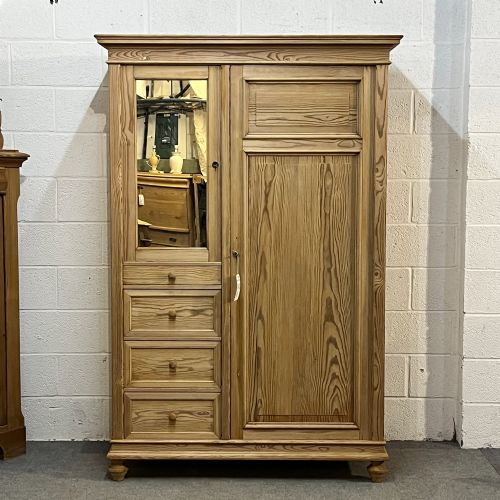
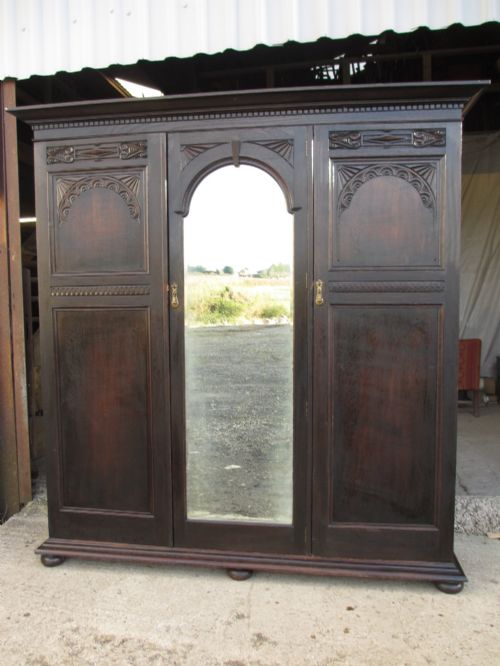
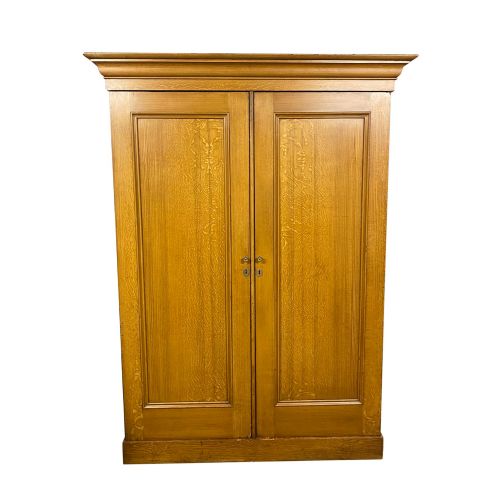
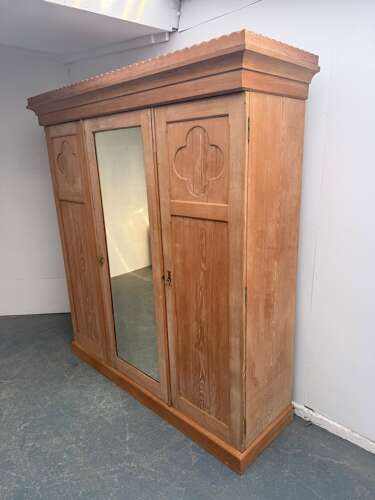


Vintage Wooden Compactum
A vintage wooden compactum combines hanging space and drawer storage in a single piece, offering a practical solution for organising clothes.
Vintage Wooden Compactum
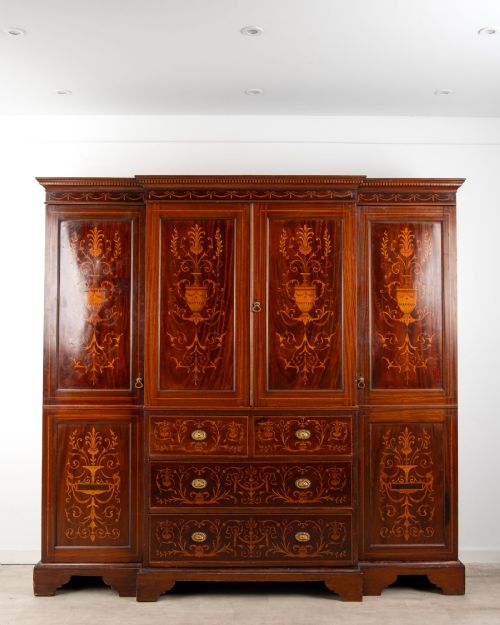
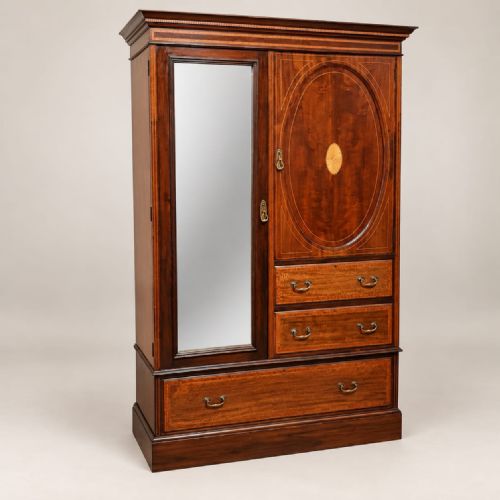
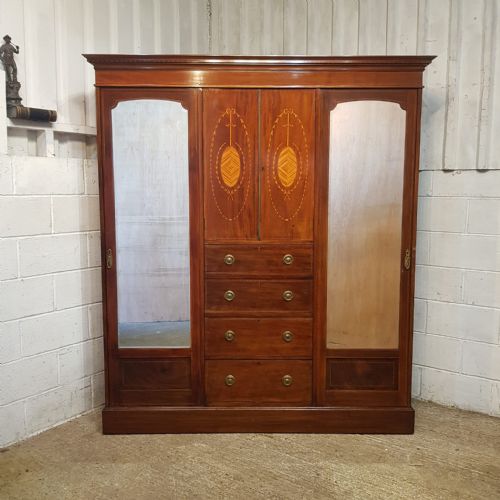
A vintage wooden compactum is a substantial item designed to handle multiple storage needs within one footprint, typically combining wardrobes, drawers, and sometimes cupboards. Buyers searching for a vintage wooden compactum will find various iterations across this page, predominantly Edwardian and Victorian examples alongside 1930s pieces.
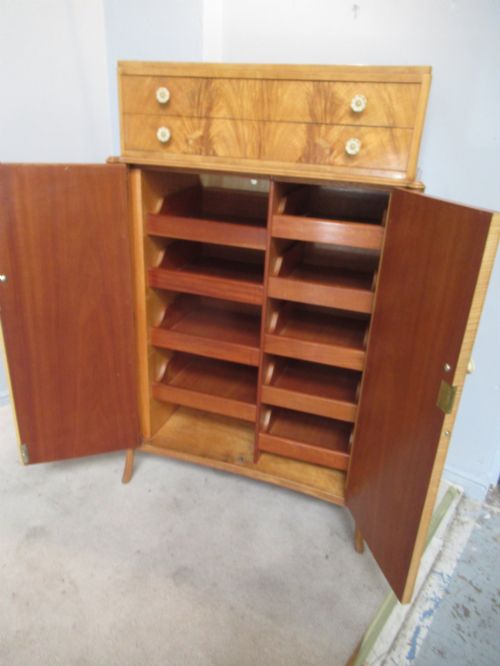
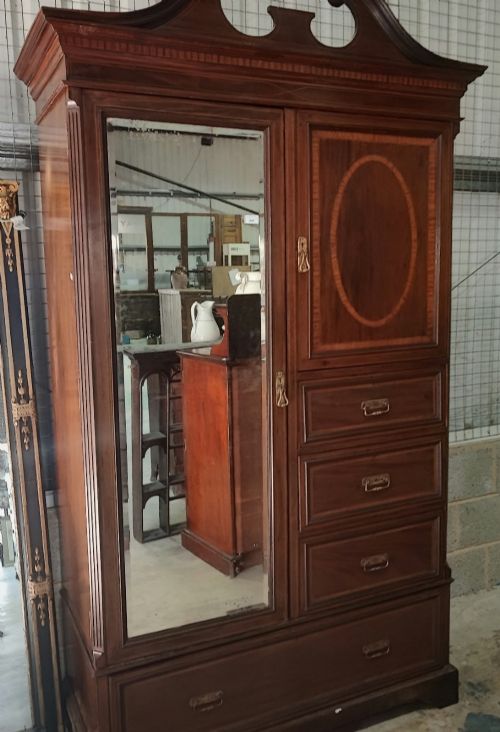
The materials span mahogany, oak, pine, and satinwood, frequently enhanced by inlay work or mirror glass doors. These multi-functional pieces range from large triple wardrobes to smaller combination units and tallboys.
Edwardian and Victorian pieces dominate the selection, bringing period craftsmanship into modern bedrooms. The combination of hanging space, internal drawers, and shelves defines the utility that buyers seek in these items.
Construction and materials
Cabinet makers utilised timbers such as mahogany, oak, pine, and satinwood, often applying satinwood inlay or scumble faux oak paintwork for decorative effect. Structural integrity relied on solid timber construction combined with panelled doors and fitted internal drawer banks.
Glass panels appeared as mirror glass in single or triple door configurations, while hardware commonly incorporated brass fittings. Finish techniques involved polishing, waxing, or painting, allowing the natural grain of the wood to remain visible.
Listings span periods from the nineteenth century through the Edwardian era to the nineteen-thirties, constructed in mahogany, oak, pine, and satinwood.
Assessing quality and craftsmanship
The distinction between standard and superior pieces rests on timber selection, such as figured mahogany or polished satinwood, and the precision of the inlay work. Joinery methods and the original condition of brass hardware and mirror glass also indicate the standard of manufacture.
Proportion and scale affect the visual balance of the piece, with well-executed cornices and panelled doors marking out finer examples from utilitarian ones.
Edwards and Roberts·Maple and Co·Heal's
The Vintage Wooden Compactum Glossary
- Compactum
- A multi-functional wardrobe combining hanging space with internal drawers and cupboards. This configuration provides comprehensive storage in a single footprint.
- Inlay
- Pieces of contrasting timber or shell set into the surface of the wood to create decorative patterns. Edwardian makers frequently utilised satinwood inlay on mahogany carcases.
- Scumble paintwork
- A decorative paint technique applied to imitate natural wood grain, such as oak. This finish appears on nineteenth-century pieces.
- Aesthetic Movement
- A late nineteenth-century design style focusing on visual beauty rather than narrative meaning. Pieces from this period often feature simpler lines and lighter woods like satin birch.
Vintage Wooden Compactum: Frequently Asked Questions
What is a vintage wooden compactum?
A vintage wooden compactum is a fitted wardrobe that includes internal drawers, shelves, and hanging space behind panelled or mirrored doors. It offers a complete storage solution within a single cabinet.
These pieces emerged strongly during the Victorian and Edwardian periods, constructed in timbers like mahogany, oak, and satinwood to serve bedrooms requiring varied storage.
How do I tell Victorian from Edwardian pieces?
Victorian pieces tend to use darker, heavier timbers like solid oak or deep mahogany, often featuring robust mouldings and large proportions. They reflect a more formal aesthetic.
Edwardian items frequently display lighter mahogany or satinwood, sometimes with delicate inlay work or neoclassical motifs. The overall proportions feel slightly brighter and more restrained.
Will a compactum fit in a modern bedroom?
These pieces are large items designed to hold extensive wardrobes, so measuring ceiling height and floor space is essential before purchase. Many examples feature removable cornices or modular sections to assist with placement.
Their internal drawers and hanging compartments remove the need for separate chests and wardrobes, maximising storage efficiency within the room.
How should I care for the wood finish?
Maintain wooden surfaces by dusting with a dry cloth and applying traditional beeswax periodically to nourish the timber. Avoid placing the cabinet near direct heat sources or strong sunlight to prevent warping and fading.
Brass fittings and mirror glass can be cleaned with appropriate non-abrasive solutions, taking care to protect the surrounding wood from moisture.