
Vintage Wooden Commode Chest
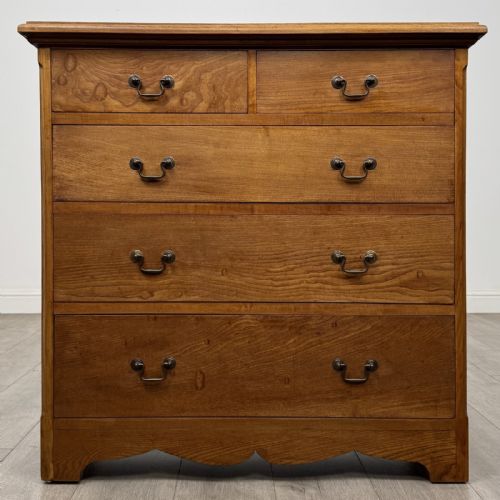
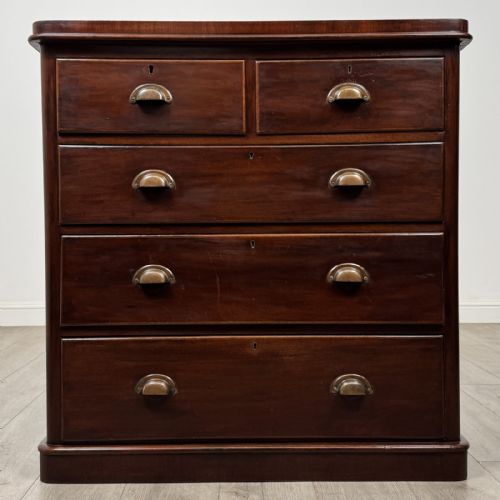
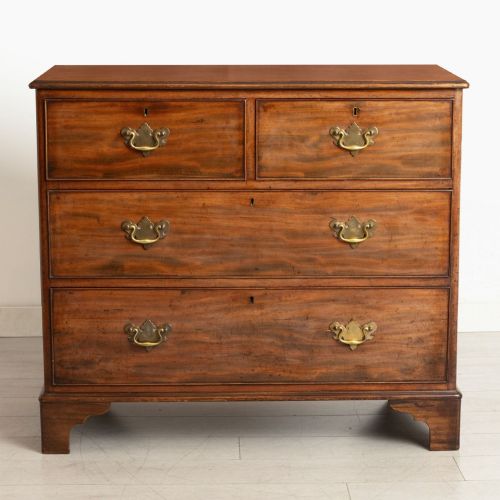
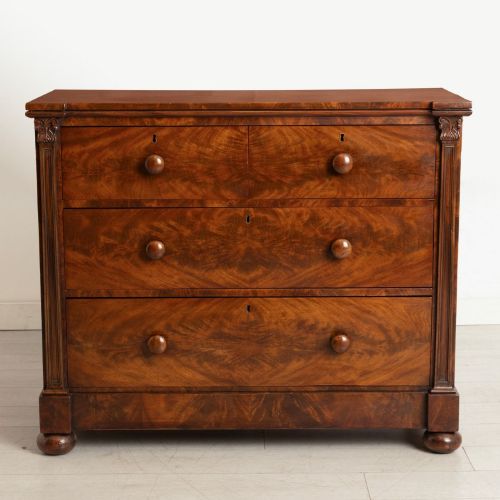
A vintage wooden commode chest brings practical bedroom storage and traditional period character into a room.
Vintage Wooden Commode Chest
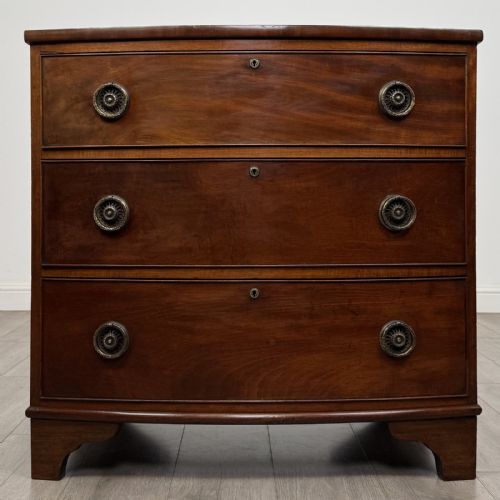
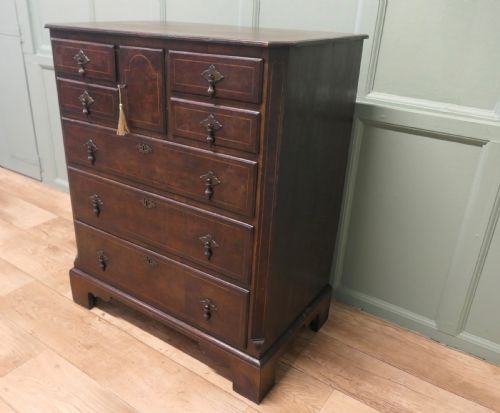
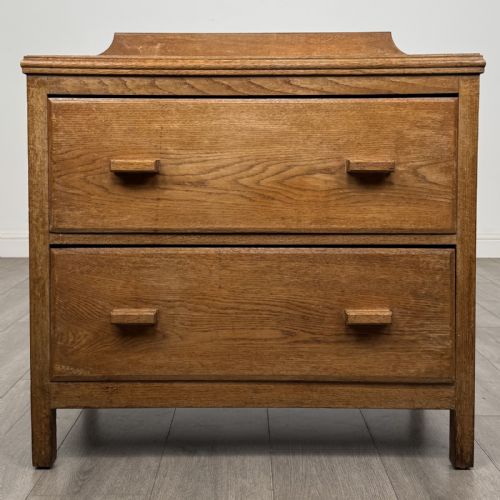
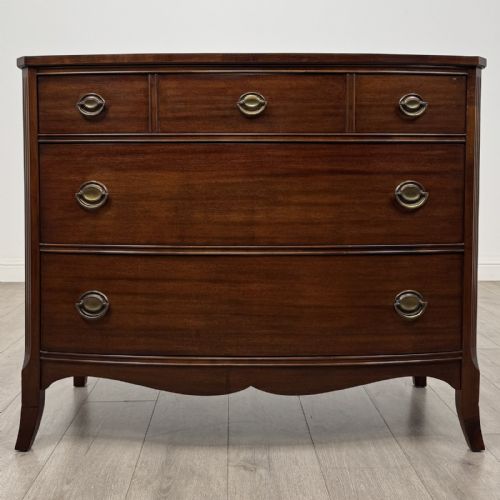
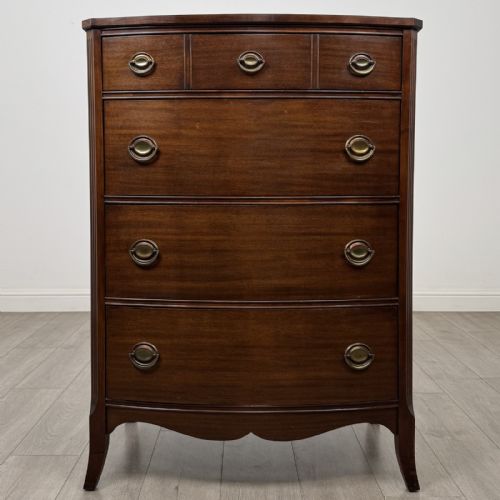
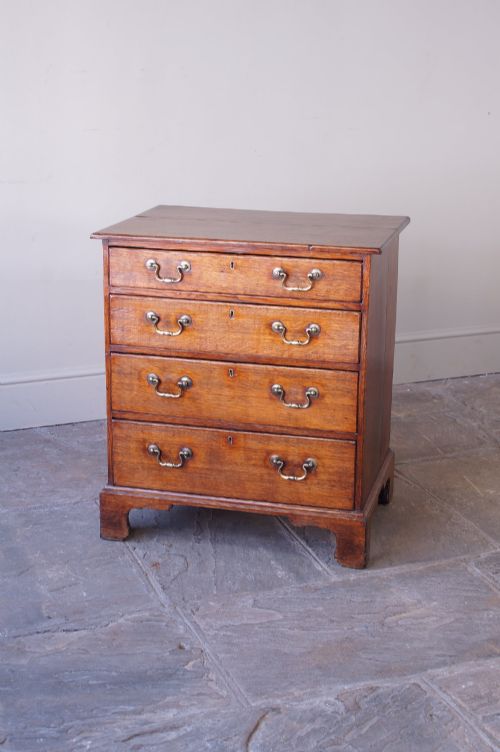
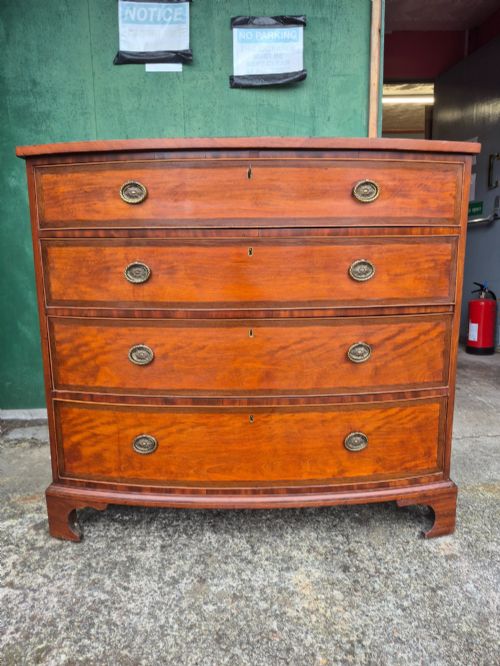
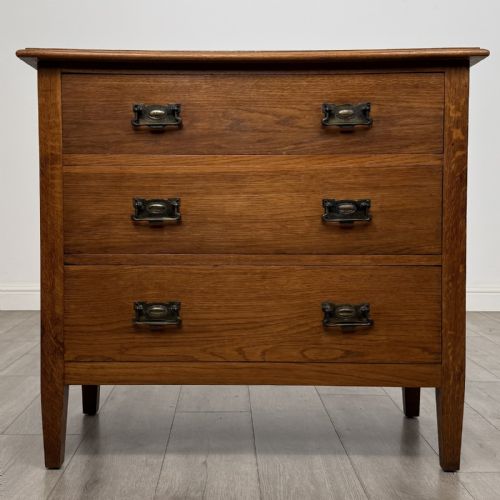
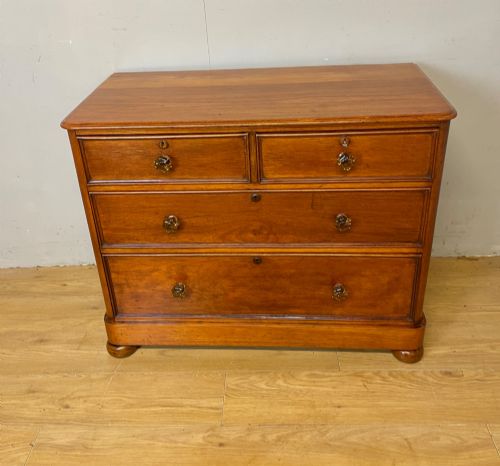
A vintage wooden commode chest functions primarily as a set of drawers or a bedroom storage unit, bridging the gap between utilitarian furniture and decorative craftsmanship. When exploring this selection, buyers encounter pieces spanning multiple centuries, from the clean lines of George III designs to the softer forms of the Edwardian era. Mahogany, walnut, and pine dominate the offerings, appearing in forms ranging from simple upright chests to bow-fronted and serpentine shapes.
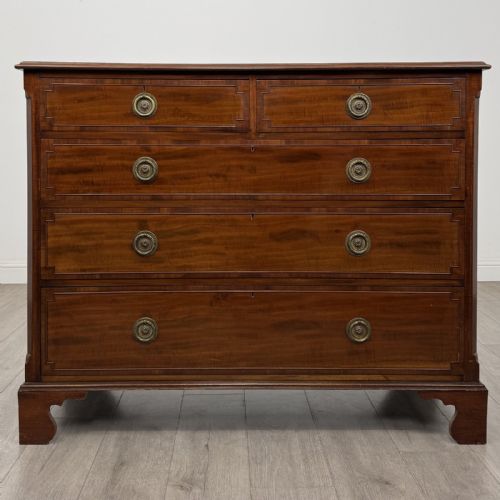
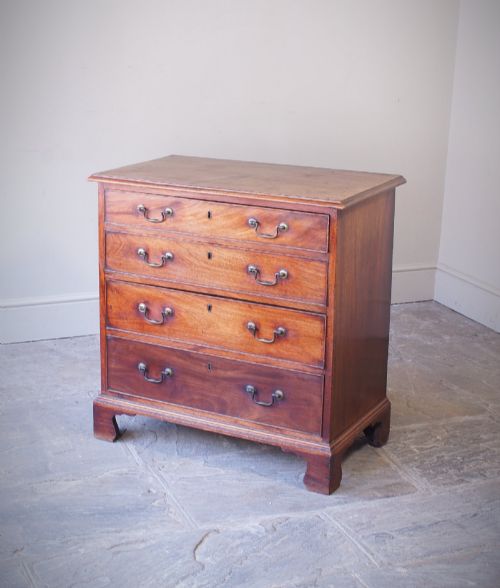
The version most commonly met on this page is the mahogany chest of drawers originating from the Georgian or Victorian periods. These pieces often feature brass hardware and multiple drawer tiers, reflecting domestic storage needs of past centuries. Alongside British pieces, French commodes appear, offering distinct continental styling through painted surfaces or serpentine curves.
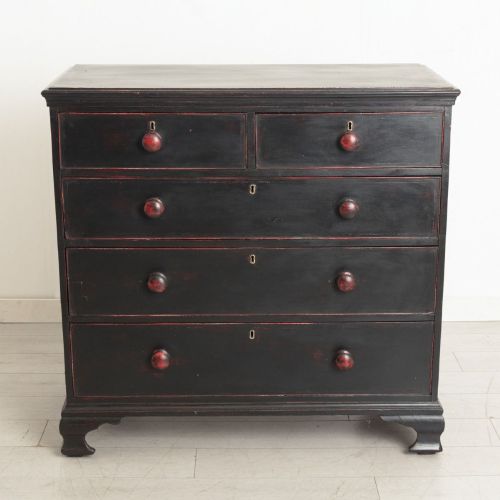
Makers and styles cross over considerably, with Georgian and Regency aesthetics echoed in later 19th and early 20th century reproductions. Buyers also find smaller utilitarian pine examples alongside highly figured walnut and flame mahogany pieces. Each variant serves a distinct visual role, whether anchoring a formal bedroom or adding historic weight to a modern interior.
Materials and construction
Cabinetmakers relied on solid hardwoods and softwoods, predominantly mahogany, oak, walnut, and pine, often enhancing plain carcases with decorative veneers like burr walnut and flame mahogany. These timbers were selected for grain pattern and stability, allowing craftsmen to shape curved fronts and apply precise crossbanding without warping.
Construction techniques involved traditional joinery paired with brass hardware for pulls and escutcheons. Surfaces received careful polishing to bring out the natural depth of the wood, while painted finishes appeared on specific regional or continental commodes to add colour and pattern.
Listings feature timbers such as mahogany, oak, walnut, pine, burr walnut, and flame mahogany veneer across multiple centuries.
Judgments of quality
Quality rests heavily on the selection of timber and the sophistication of the cabinetmaker's geometry. Pieces featuring book-matched flame mahogany veneer or intricate herringbone banding demonstrate a higher tier of workmanship than plain utility pieces.
Proportion and the handling of curved elements, such as a well-executed serpentine or bow front, separate standard regional furniture from masterworks of the Georgian and Regency periods. The crispness of the drawer construction and the integration of original brass handles further distinguish superior examples.
Sir Clough Williams-Ellis
The Vintage Wooden Commode Chest Glossary
- Serpentine
- A front shape curving outward in the centre and inward at the sides, demanding high skill from the cabinetmaker. This undulating line appears frequently on finer walnut and mahogany pieces.
- Bow front
- A convex, outwardly curved front profile popular during the Regency and Georgian periods. It softens the boxy silhouette of standard storage furniture.
- Brushing slide
- A pull-out shelf integrated above the top drawers, historically used for folding garments or grooming. It adds both utility and period charm to the piece.
- Crossbanding
- A strip of veneer applied perpendicularly to the surrounding grain along the edges of a drawer or top. This decorative border frames the primary timber figure.
- Biedermeyer
- A Central European style characterised by utilitarian comfort and clean lines without excessive ornamentation. Pieces from this tradition focus on the natural beauty of the wood veneer.
Vintage Wooden Commode Chest: Frequently Asked Questions
What is a vintage wooden commode chest used for?
These pieces serve primarily as functional bedroom storage units fitted with multiple drawers for clothing and linens. Their flat top surfaces also provide space for lamps, mirrors, or decorative objects.
Historically, they evolved to meet domestic needs for organisation, transitioning from grand formal rooms to everyday sleeping quarters. Today, they integrate easily into modern homes as practical storage furniture with distinct historic character.
How do I tell a Georgian chest from a Victorian one?
Georgian pieces often display restrained classical proportions, elegant bracket feet, and choice timbers like figured mahogany or walnut with subtle banding. Details such as brushing slides and herringbone inlay point directly to 18th-century craftsmanship.
Victorian examples tend to be heavier in scale, sometimes utilising pine, denser mahogany, or distinct regional turnings. They reflect industrial production shifts while retaining traditional hand-joined drawer construction.
Where should I place a bow front chest?
A bow front chest suits bedrooms, hallways, or living rooms where its curved profile softens hard architectural corners. Because the front projects outward, ensure adequate floor clearance so the piece does not obstruct narrow walkways.
Placing the chest against a flat wall allows the curved drawers to catch natural light and highlight the grain of the mahogany or walnut veneer.
How do I care for a vintage wood surface?
Maintain the wood by dusting regularly with a soft, dry cloth and avoiding silicone-based polishes that can build up over time. Keep the furniture away from direct heat sources and strong sunlight to prevent the timber and veneer from drying out.
Occasional application of traditional beeswax helps nourish the polish and preserves the natural lustre of mahogany, walnut, and oak surfaces.