


18th Century Mahogany Nightstand
An 18th century mahogany nightstand brings practical Georgian craftsmanship and rich timber into a bedroom with genuine period character.
18th Century Mahogany Nightstand
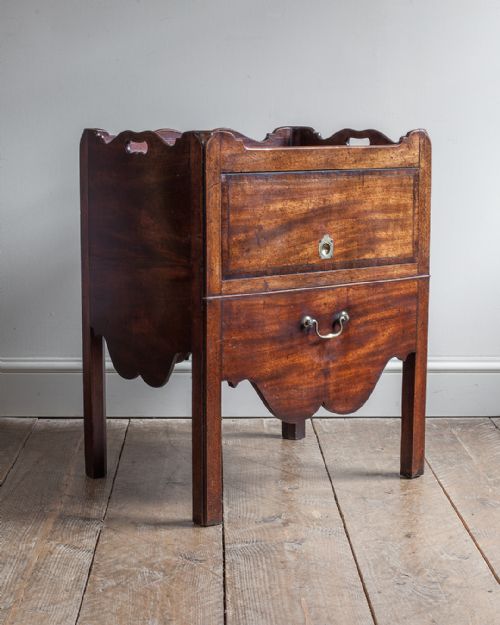
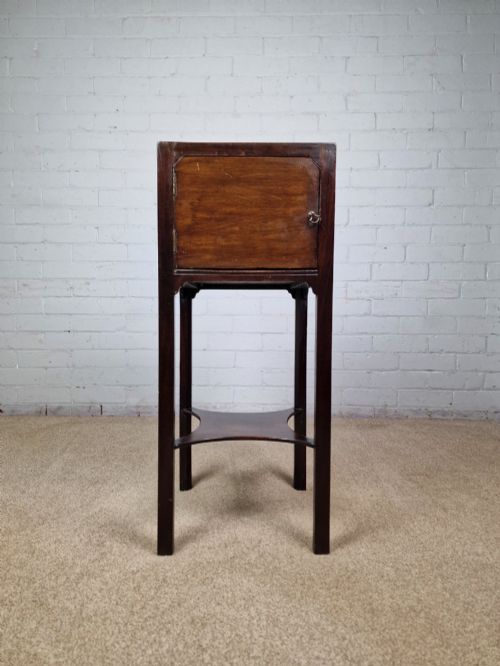
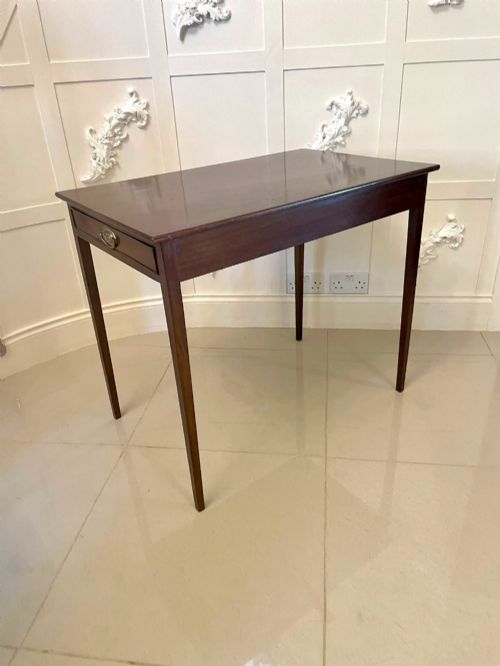
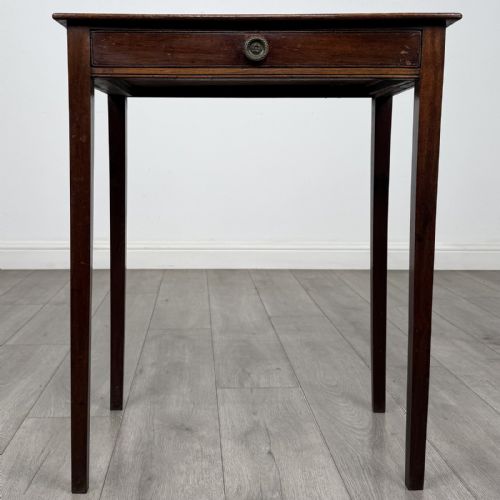
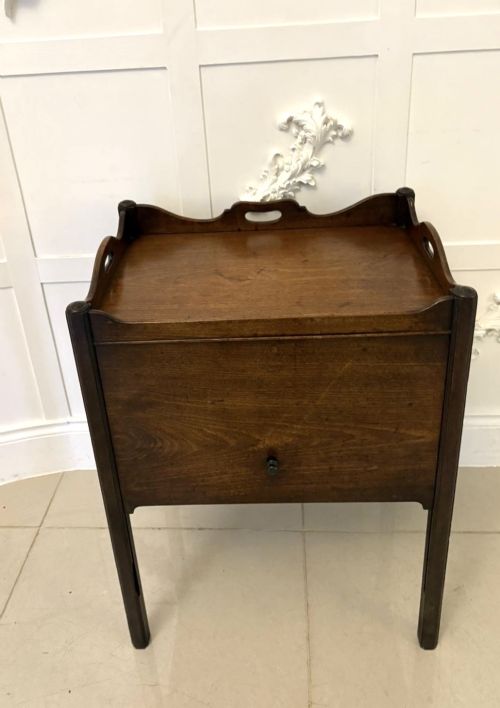
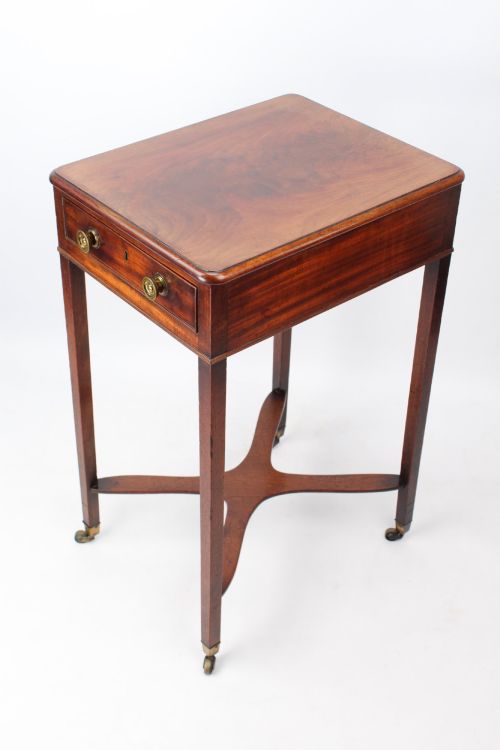
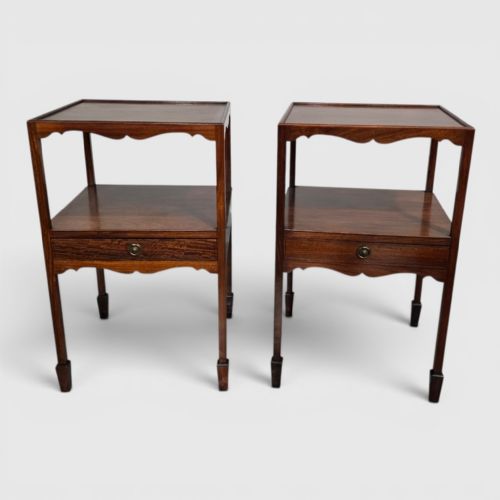
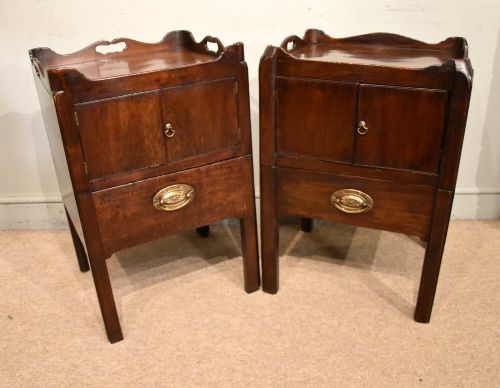
An 18th century mahogany nightstand is a compact bedside piece designed for private chambers during the Georgian era. Buyers searching for this phrase encounter various forms, including bedside cupboards, tray top commodes, and lamp tables.
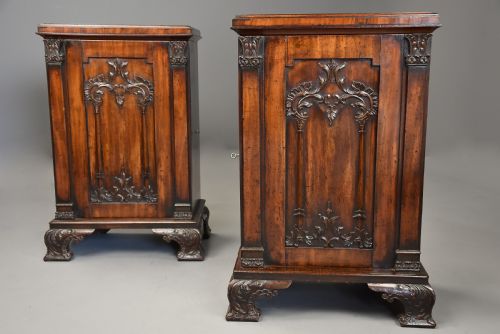
The pieces on this page span the Georgian and George III periods, alongside later interpretations from the nineteenth and twentieth centuries. Bedside cabinets and pot cupboards dominate the selection, offering enclosed storage alongside open table surfaces.
Makers of these items utilised dense tropical timbers to create functional furniture for domestic bedrooms. The typical format includes enclosed lower cupboards, sometimes paired with tray tops or pull-out sections designed to hold chamber pots or washing equipment.
Materials and construction
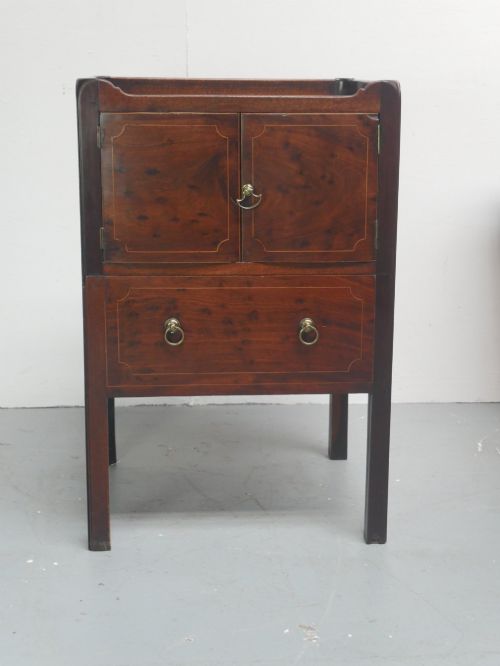
Joiners built these bedside items primarily using solid mahogany, frequently augmented with secondary timbers such as fruitwood and boxwood. Workshops applied decorative techniques like boxwood inlay, satinwood inlay, and Dutch floral marquetry to enhance the timber surface.
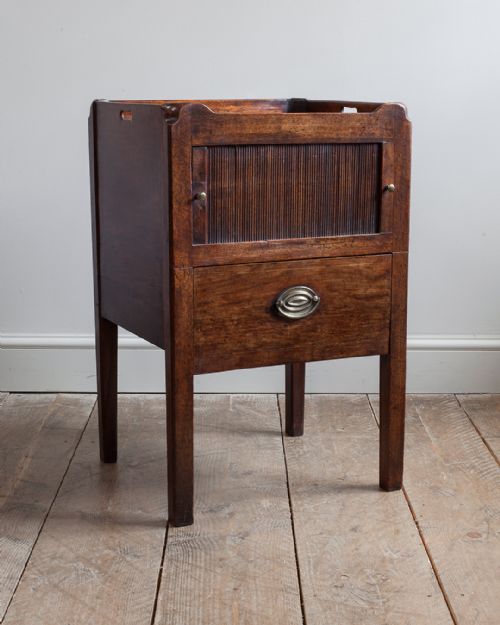
Hardware details relied on cast brass for handles, hinges, and occasional pivoting mechanisms. Specialised forms incorporated tambour fronts of sliding wooden slats or framed tray tops designed to contain spilled liquids during nocturnal use.
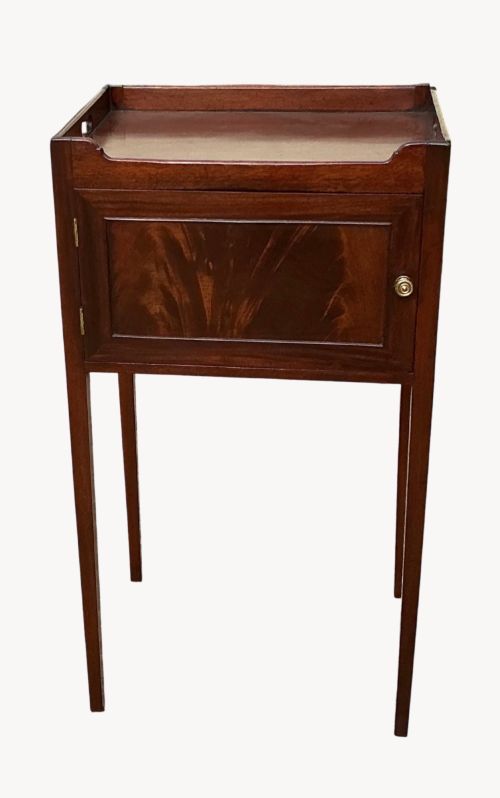
Current listings demonstrate cabinet forms spanning the Georgian, George III, and Chippendale styles, constructed primarily in mahogany with boxwood inlay.
Distinctions in quality
The standard of an 18th century mahogany nightstand rests upon timber selection, figure depth, and cabinetmaking precision. Superior examples exhibit tightly grained mahogany boards matched across the top and door panels, whereas lesser pieces utilise plain timber or mismatched stock.
Execution of decorative elements defines the upper tiers of the range. Crisp hand-cut inlay, finely shaped tray edges, and original brass hardware separate workshop pieces from utilitarian production.
The 18th Century Mahogany Nightstand Glossary
- Tray top
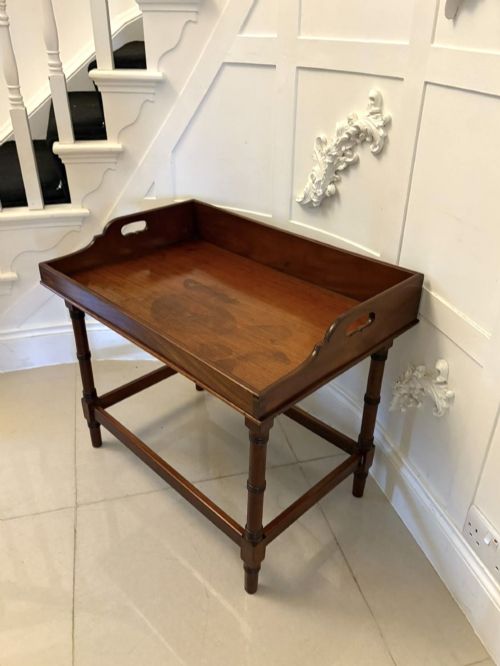
- A moulded or raised gallery edge surrounding the upper surface of a table or commode to prevent items from rolling off. This feature is common on mid-eighteenth-century bedside pieces.
- Commode
- A term applied in this context to a closed bedside cabinet or cupboard, often containing a concealed chamber pot space. Eighteenth-century versions frequently incorporate a shaped front and cabinet doors.
- Pembroke table
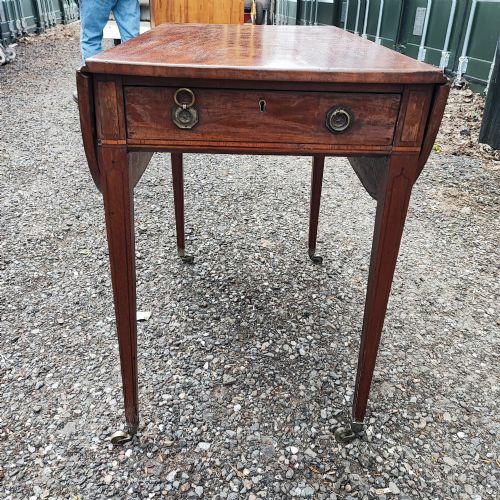
- A small drop-leaf table with hinged flaps on two opposing sides, utilised for occasional writing or bedside placement. These items appear regularly alongside standard nightstands in Georgian bedrooms.
- Marquetry
- The art of forming decorative patterns on woodwork by fitting together small pieces of different coloured veneers. Dutch examples often display floral marquetry across the entire cupboard door.
- Tambour
- A flexible shutter door formed of narrow vertical strips of wood glued to a canvas backing, sliding smoothly within a recessed track. This mechanism allowed access to confined cabinet interiors.
18th Century Mahogany Nightstand: Frequently Asked Questions
What is an 18th century mahogany nightstand used for?
These pieces served as bedside storage in Georgian bedrooms, holding chamber pots, washing equipment, and personal items within enclosed lower cupboards. The upper surfaces accommodated lighting and nighttime necessities.
Today, they function as practical bedside tables or small lamp stands in traditional and contemporary interiors alike.
How do I identify a Georgian nightstand?
Look for period construction methods, traditional joinery, and dense mahogany timbers typical of eighteenth-century workshops. Proportions remain compact, designed specifically for domestic sleeping quarters.
Details such as tray tops, brass drop handles, and panelled cabinet doors help confirm the traditional form.
What is the difference between a nightstand and a commode?
In eighteenth-century terminology, a commode typically refers to a closed bedside cabinet with doors enclosing a cupboard space. A nightstand encompasses a broader range of small bedside tables, including open shelf formats and lamp tables.
Both forms served similar functions within the bedroom suite.
Are these tables suitable for daily use?
Solid mahogany construction and durable joinery make these pieces robust enough for everyday domestic placement. Their compact dimensions suit modern bedside layouts while providing enclosed storage.
Routine care involves simple dusting and occasional waxing to protect the timber finish.