




Vintage Wooden Cellarette
A vintage wooden cellarette is a dedicated storage piece designed for holding bottles of wine or spirits, offering both practical utility and period character.
Vintage Wooden Cellarette
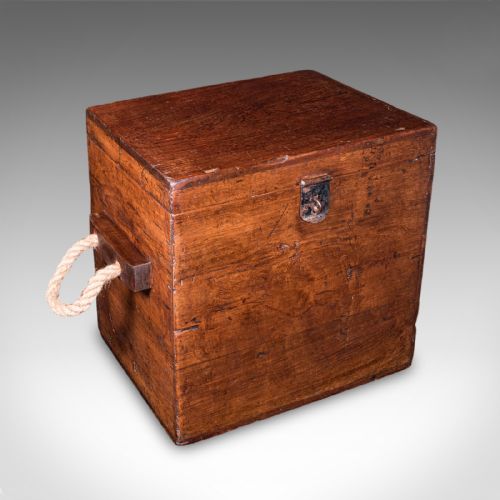
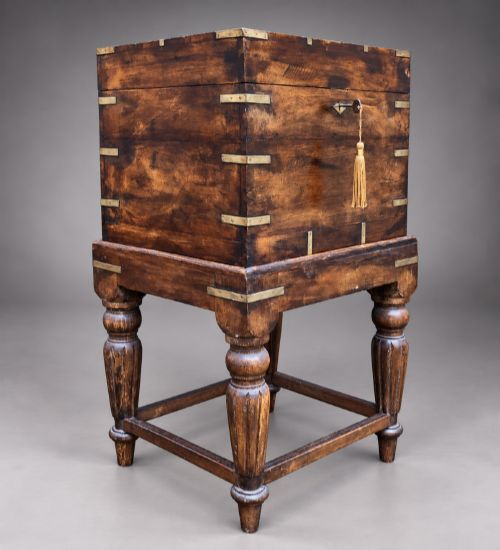
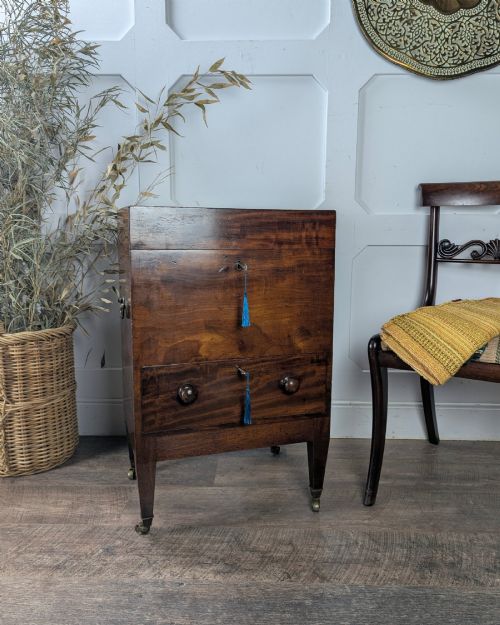
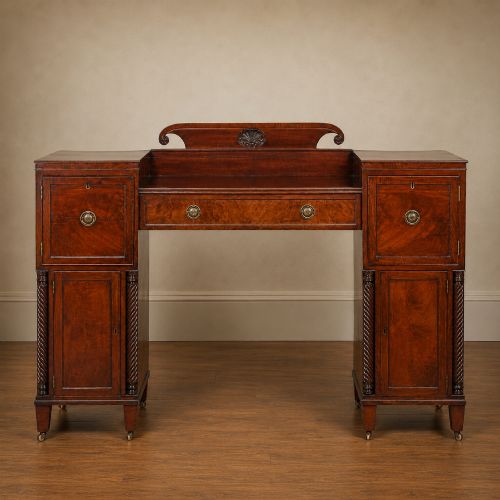
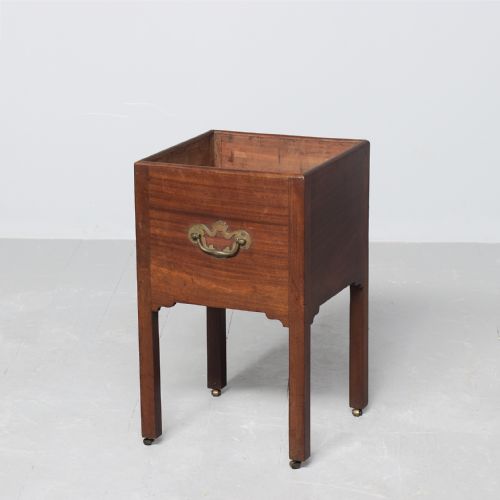
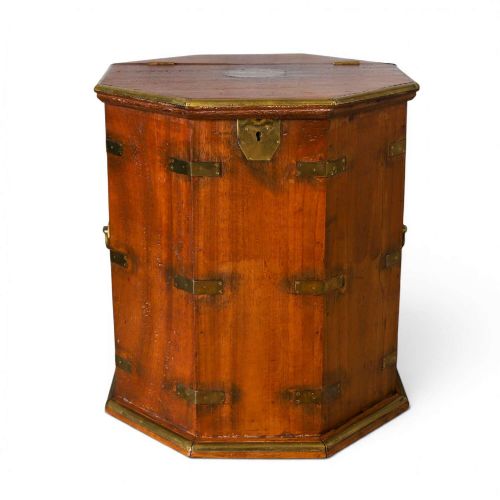
A vintage wooden cellarette serves as a specialised container for holding wine and spirits, appearing across periods from the eighteenth century to the twentieth century. These pieces take various forms including sarcophagus shapes, pedestal stands, and brass-bound boxes designed to sit on the floor or a sideboard.
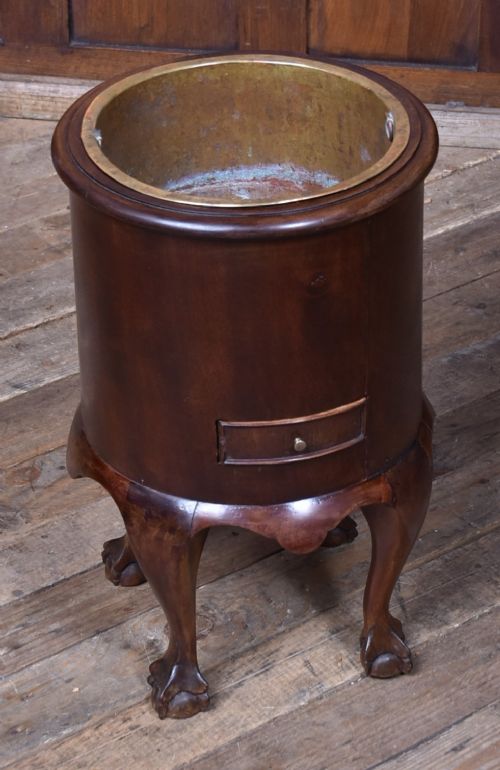
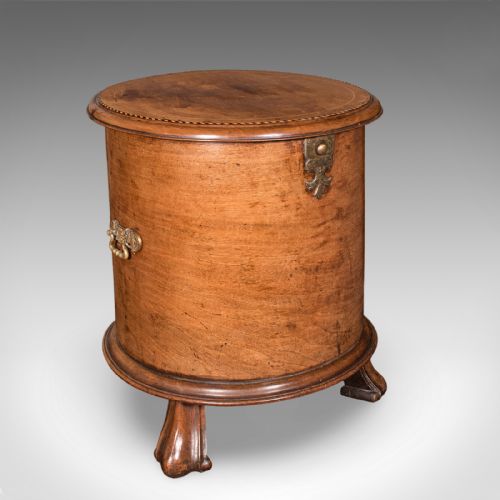
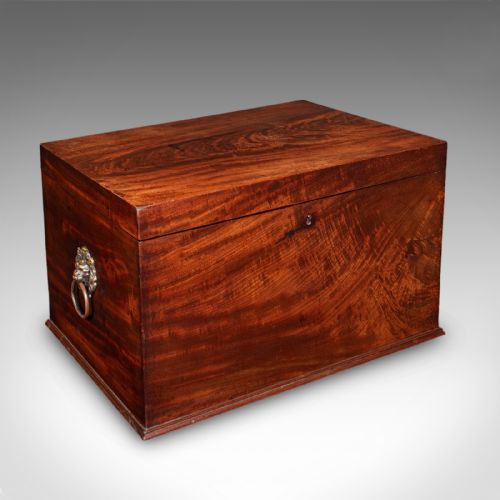
The selection on this page draws from Georgian, Regency, Victorian, and Edwardian eras, utilising traditional forms that often double as jardiniere stands or planters. Buyers encounter rectangular boxes, octagonal coolers, and freestanding sarcophagus designs made to accommodate bottles securely.
Makers and workshops constructed these items primarily in mahogany, walnut, and satinwood, frequently incorporating brass banding and metal linings to manage ice and bottles. The range includes simple storage chests alongside elaborate inlaid specimens from the late nineteenth and early twentieth centuries.
Materials and construction methods
Cabinet makers built these pieces using dense hardwoods such as mahogany and walnut, selected for their structural stability and rich grain patterns. Satinwood and boxwood inlay frequently provide decorative contrast on the exterior surfaces of later examples.
Metal components play a structural role, with brass bands securing the wooden staves and interior zinc or metal linings protecting the timber from moisture. Hinged lift-up lids and metal carrying handles complete the construction of functional storage boxes and floor-standing wine coolers.
Listings feature mahogany as the dominant wood, accompanied by walnut, satinwood, and teak across various centuries.
Distinctions in quality
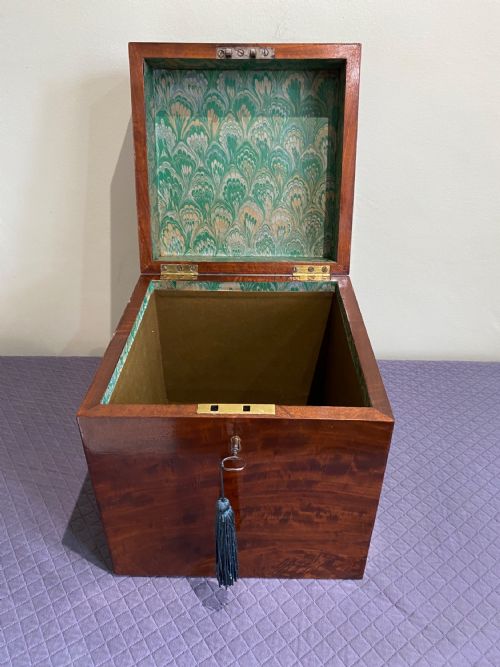
Quality rests in the selection of figured timber veneers, the crispness of brass inlays, and the integrity of the original interior linings. Superior examples exhibit precise dovetail joinery and well-preserved metal mounts that show careful hand-working.
The refinement of the carving, the balance of the proportions, and the presence of original stands separate standard storage boxes from exceptional decorative pieces. Condition of the timber surface and retention of original hardware further distinguish finer items.
Gillingtons·Freemans of Norwich
The Vintage Wooden Cellarette Glossary
- Cellarette
- A lockable cabinet or box designed specifically for storing wine bottles or spirits within a dining room. These vessels often incorporate interior partitions and lead or zinc linings.
- Sarcophagus
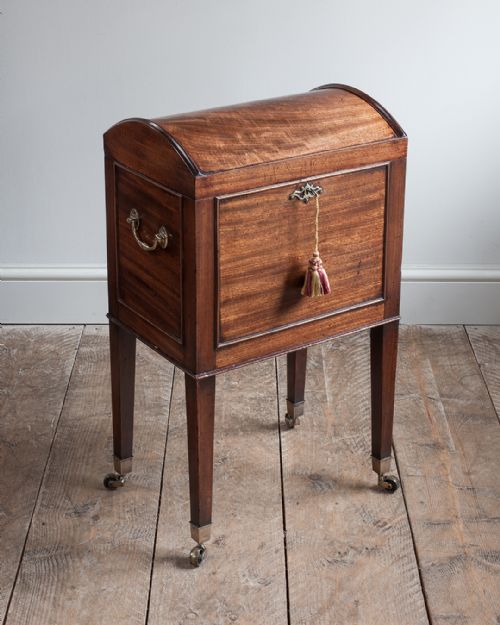
- A heavy, tapering container shape with a domed lid popular during the Regency period. This architectural form mimics ancient stone tombs on a domestic scale.
- Jardiniere
- An ornamental stand or container used to hold growing plants or flowers. Many wooden examples share construction traits with wine coolers and frequently overlap in marketplace descriptions.
- Tantalus
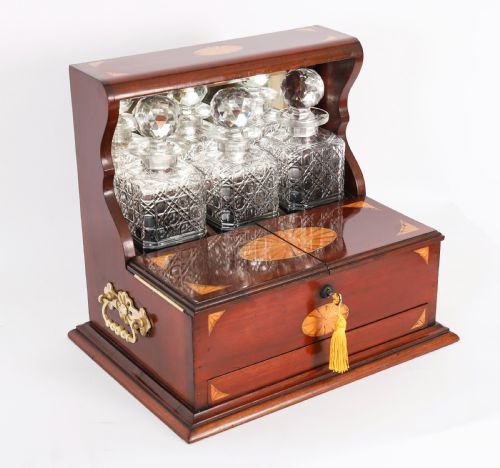
- A locked wooden frame displaying decanters without allowing access to the contents without a key. These boxes often feature mirrored backs and games compartments.
- Satinwood
- A lustrous, yellow-toned timber utilised for veneers and banded inlay work on fine furniture. It provides bright contrast against darker woods like mahogany.
Vintage Wooden Cellarette: Frequently Asked Questions
What is a wooden cellarette used for?
These containers were originally built to hold bottles of wine and spirits safely near the dining table while keeping them cool. Today, collectors utilise them as decorative side tables, plant stands, or secure storage boxes.
Interior linings often accommodated ice for chilling bottles during formal meals. Modern interiors accommodate them easily as focal storage pieces in living rooms or studies.
How do I tell a Georgian cellarette from a Victorian one?
Georgian examples frequently display restrained classical proportions, subtle brass banding, and rich figured mahogany surfaces. The construction relies on traditional joinery techniques typical of the eighteenth century.
Victorian pieces often introduce heavier proportions, more ornate carving, and varied timber choices like oak or walnut. Revivals from the later nineteenth century also incorporate decorative marquetry and extensive brass mountings.
Can these coolers still hold bottles and ice?
Many historic models retain their original metal or zinc linings, though seals can degrade over centuries. Using them for modern storage requires checking the interior condition to prevent moisture damage to the antique timber.
Collectors generally prefer to preserve the dry interior rather than test old waterproof linings with ice. Felt pads or modern inserts protect the historic wood if bottles are stored inside.
Why do some cellarettes have stands?
Floor-standing models required legs or pedestals to raise the heavy timber body to a convenient height for serving. These stands match the main cabinet wood and often feature brass castors for mobility.
Smaller boxes lacked stands because they rested directly upon sideboards or dining tables. The presence of a fixed pedestal or distinct stand indicates a larger floor model intended for heavier capacity.