
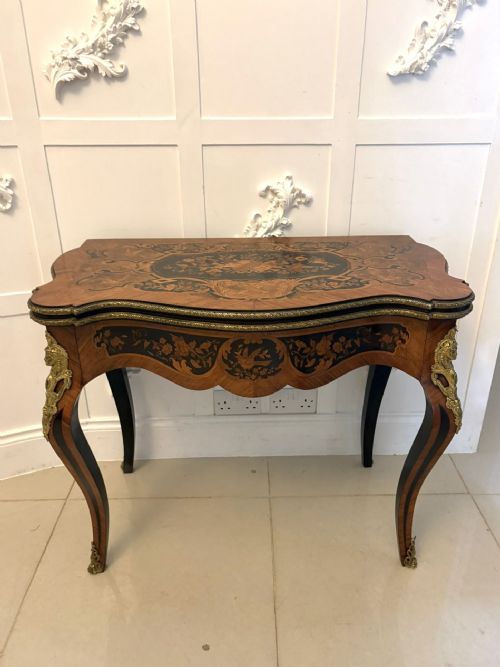



Vintage Wooden Card Table
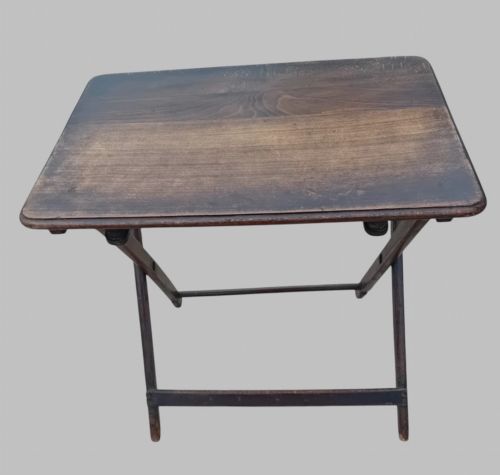
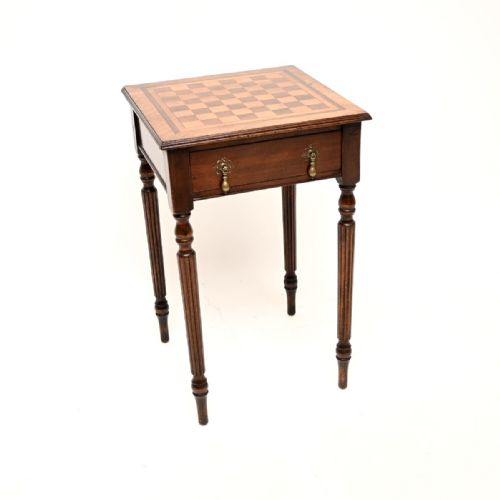
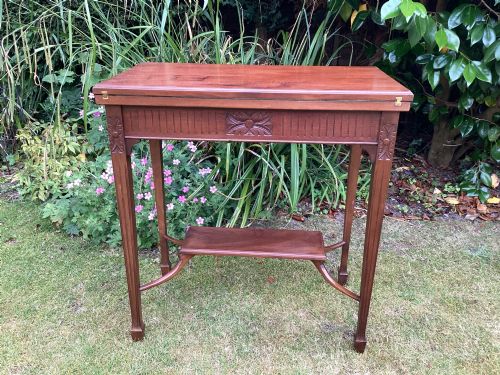
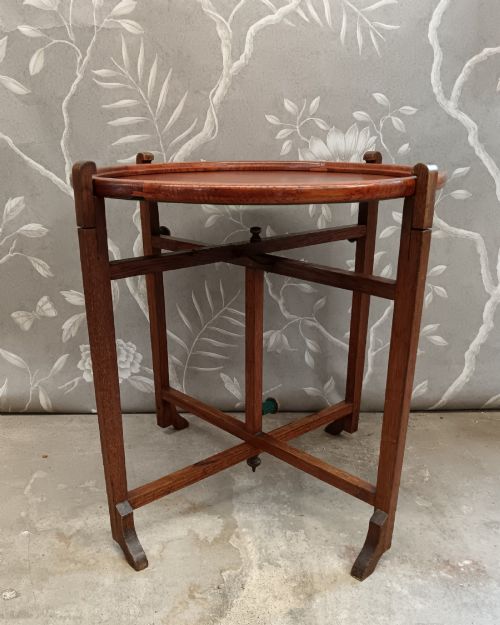
These vintage wooden card table pieces offer clever folding mechanics and handsome timbers for parlour play or daily display.
Vintage Wooden Card Table
A vintage wooden card table serves as a functional piece for games and domestic use, spanning periods from the eighteenth century through the art deco era. You will encounter folding formats, fold-over tops, and revertable designs intended to save space when not in play.
The selection here includes examples from Edwardian and Victorian workshops alongside campaign styles and continental pieces. Mahogany and walnut dominate the offerings, often complemented by satinwood, burr walnut, and beech timbers.
Many double as occasional or side tables during the week, transforming easily when guests arrive for cards. The forms range from simple folding trestles to ornate console and coffee table hybrids.
Materials and construction
Cabinetmakers utilised solid and veneered timbers such as mahogany, walnut, and kingwood, frequently applying marquetry or inlay to the top surfaces. Brass hinges, mounts, and swing-leg mechanisms support the folding leaves and compartments.
Interior surfaces often feature baize linings designed to cushion playing pieces and cards during use. Joinery techniques varied by period, from eighteenth-century framing to twentieth-century folding brackets and campaign-style hardware.
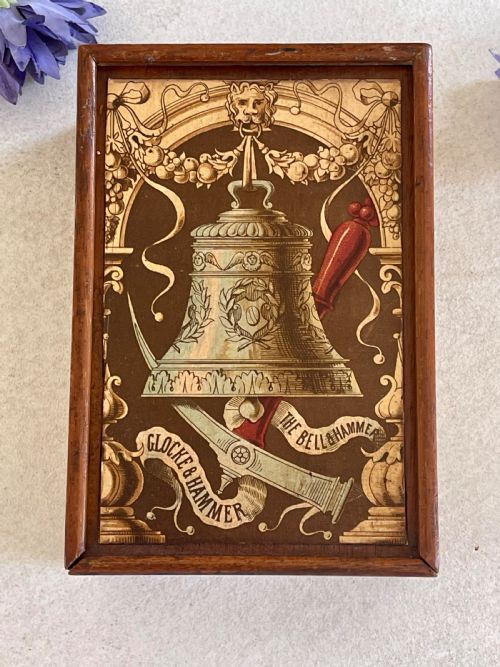
A game bell and hammer complete with instructions waits quietly among the tables for its next round.
Assessing quality and execution
Quality rests in the precision of the folding action and the stability of the legs when extended under weight. Finer examples display careful timber selection, such as figured walnut or matched mahogany veneers, rather than plain boards.
Hand-painted details, subtle marquetry, and well-cast ormolu mounts distinguish the upper tiers of production. The integrity of the original baize lining and the smoothness of the pivot or fold-over mechanism also separate standard items from superior pieces.
The Vintage Wooden Card Table Glossary
- Baize
- A coarse woollen material used to line the playing surfaces of gaming tables. It provides a soft texture that keeps cards from sliding.
- Fold-over
- A table top design featuring a hinged leaf that opens out to double the surface area for playing cards or serving tea.
- Campaign style
- Portable furniture designed for military use, featuring folding frames and flush brass hardware for easy transport.
- Marquetry
- Decorative veneer work arranged in pictorial or geometric patterns using various coloured woods.
- Ormolu
- Gilded bronze mounts applied to furniture edges and corners for decorative effect during the nineteenth century.
Vintage Wooden Card Table: Frequently Asked Questions
How do I open a fold-over table?
Most fold-over tables rely on a hinged top that swings open on pivot joints, supported by a swing leg or a concertina frame hidden beneath.
Take care to lift the top cleanly before rotating the supporting leg to avoid straining the original wooden hinges.
Can I use these tables for dining?
While many card tables offer a generous surface when opened, their internal folding mechanisms and baize linings are primarily designed for games rather than heavy dining.
They function well as side tables or occasional desks during daily use.
How do I care for the baize surface?
Baize requires gentle brushing and protection from direct sunlight and moisture to prevent fading and shrinkage over time.
Avoid using liquid cleaners on the wool surface, opting instead for careful dry vacuuming with a soft brush attachment.
How do I identify the period of a table?
Examine the timber species, joinery methods, and hardware styles against known design eras like the Edwardian period or the eighteenth century.
Secondary woods inside the frame often provide the clearest indication of age and regional origin.