

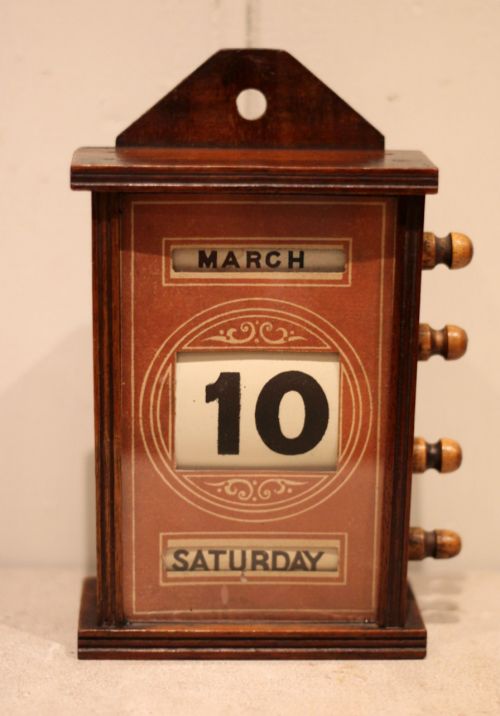


Vintage Wooden Calendar
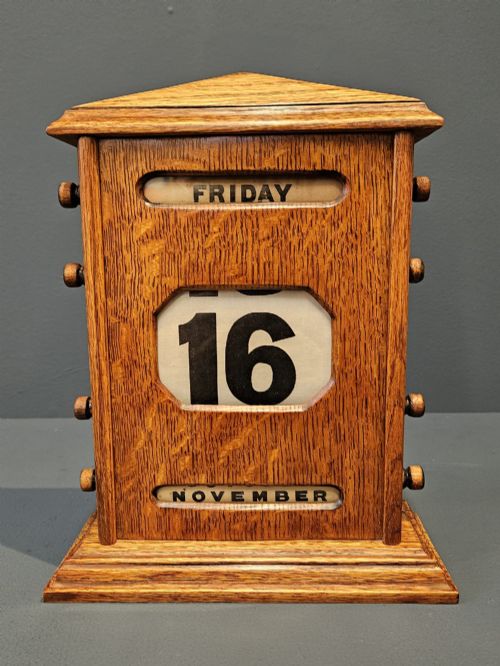
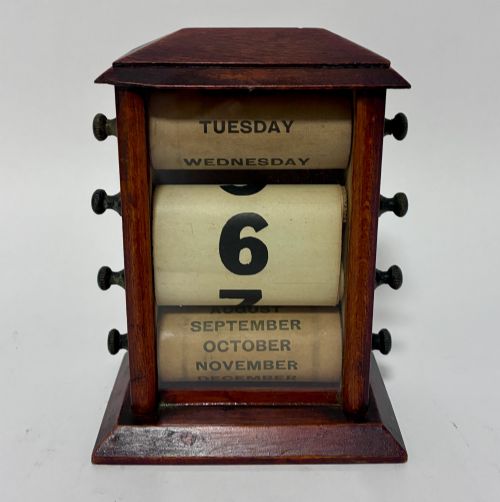
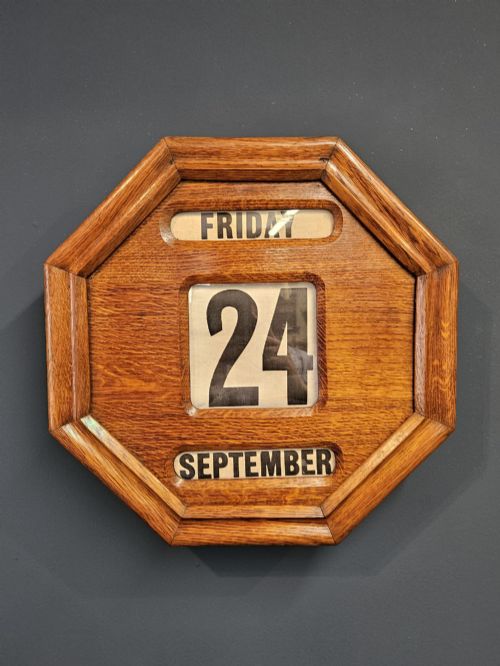
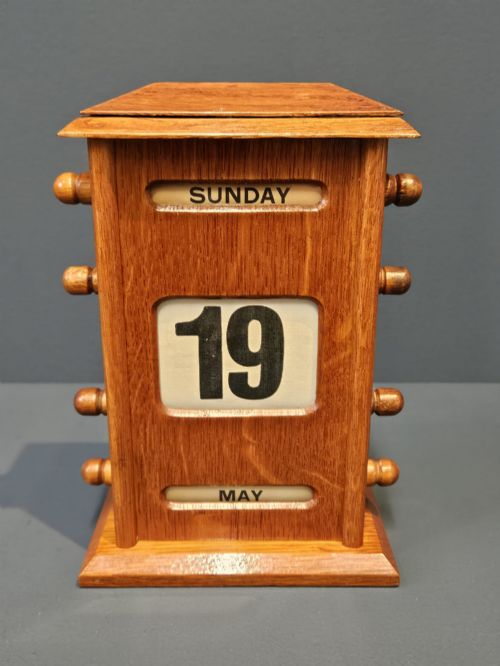
These vintage wooden calendar pieces are practical desk and wall accessories that bring period charm to a room.
Vintage Wooden Calendar
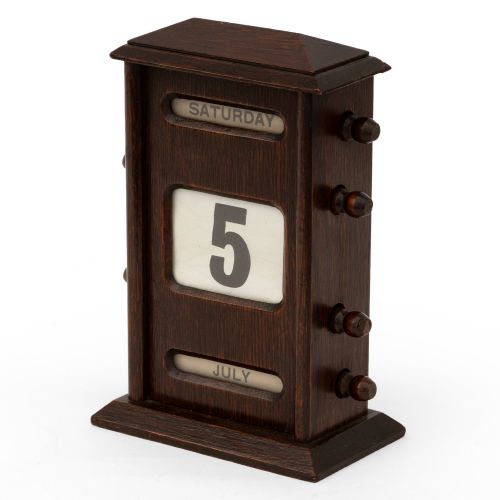
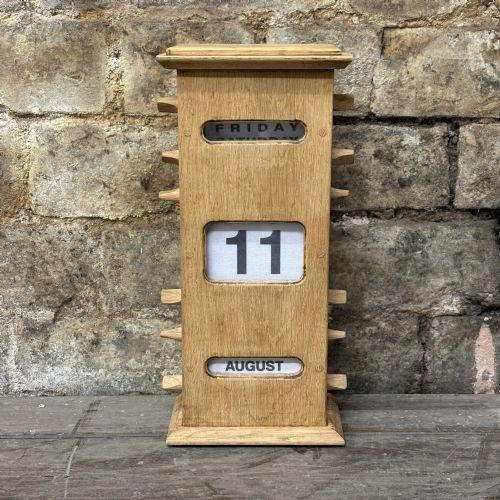
A vintage wooden calendar is a functional timekeeping accessory designed for desks and walls, emerging across various historical periods including the nineteenth century and the Edwardian era. Buyers searching this phrase encounter practical designs intended to display dates through manual adjustments using cards, dials, or rollers.
The selections available here lean heavily towards oak and mahogany constructions, spanning desk top models, wall mounted versions, and combination pieces integrated with clocks or barometers. These items reflect the domestic and office requirements of past decades, offering both utility and traditional cabinetry craftsmanship.
How they were made
The construction of these items relies primarily on hardwoods such as oak, walnut, and mahogany, shaped through traditional woodworking techniques. Makers often incorporated carved details, paneling, and fitted joinery to house the internal mechanisms or paper displays securely.
Metal and glass components frequently complement the timber bodies, utilising brass for hinges, dials, and bezels, alongside glass lenses for clock faces or barometer dials. Paper inserts and linen elements also appear in the display mechanisms, adding textural contrast to the polished wooden frames.
Vintage Wooden Calendar Retail Price Guide 2026
Typical asking prices for vintage wooden calendar among the pieces listed under this phrase on Sellingantiques today, from the lower quarter to the upper quarter. They describe what is for sale here now, not the wider market.
Object forms include wall calendars, desk accessories, mantel clocks, barometers, and stationary cabinets.
What varies in quality
The standard of a piece rests largely on the selection of timber and the precision of its joinery, where finer examples display carefully figured grain and tight, durable construction. Carved ornamentation ranges from simple moulded edges to elaborate decorative motifs, reflecting the skill invested by the maker.
Integration with other instruments, such as timepieces or barometers, introduces another layer of refinement in how harmoniously the wooden housing accommodates the mechanical elements. The clarity of lettering on the calendar dials and the integrity of the original hardware also distinguish more accomplished pieces.
The Vintage Wooden Calendar Glossary
- Perpetual calendar
- A calendar designed to be adjusted year after year without replacement. These units use rotating drums, sliding panels, or interchangeable cards.
- Desk calendar
- A compact calendar intended for placement on a flat writing surface. They often feature inclined faces for easy reading from a seated position.
- Wall calendar
- A hanging calendar secured to a vertical surface. These typically incorporate suspension loops or mounting brackets within the wooden frame.
- Mantel clock
- A household clock designed to sit on a fireplace mantelpiece. Some historical variants incorporate calendar functions alongside the timekeeping dial.
Vintage Wooden Calendar: Frequently Asked Questions
How do perpetual calendars work?
Perpetual calendars utilise mechanical adjustments like rotating rollers or sliding cards to align days, dates, and months correctly. Users manually shift these components daily or monthly to maintain the accurate date.
This design removes the need for annual calendar replacements, offering a sustainable method for tracking time that has endured across multiple centuries of manufacturing.
Where should I place a desk calendar?
Desk calendars suit placement on study tables, office desks, or entrance hall surfaces where daily viewing is practical. Their compact footprints allow them to sit alongside writing instruments and correspondence.
Placing them away from direct heat sources and strong sunlight protects the timber finish and prevents the paper or card components from fading.
How do I care for wooden calendar cases?
Wooden cases benefit from occasional dusting with a soft, dry cloth to prevent grime accumulation on carved surfaces and joints. Avoiding harsh chemical polishes preserves the original patina of the timber.
Maintaining stable indoor humidity levels prevents the wood from warping, ensuring that sliding mechanisms and doors continue to operate smoothly.
What styles are common in vintage calendars?
Common styles include Edwardian and Victorian designs, alongside later Art Deco interpretations and nineteenth-century American variants. These styles dictate the decorative vocabulary, from restrained oak mouldings to carved walnut details.
Matching the calendar style to existing room decor helps integrate these functional antiques into contemporary interior spaces seamlessly.