


Vintage Wooden Animal Figures
These vintage wooden animal figures range from Black Forest bears to folk art horses, offering tactile charm and rich regional character for any collector.
Vintage Wooden Animal Figures
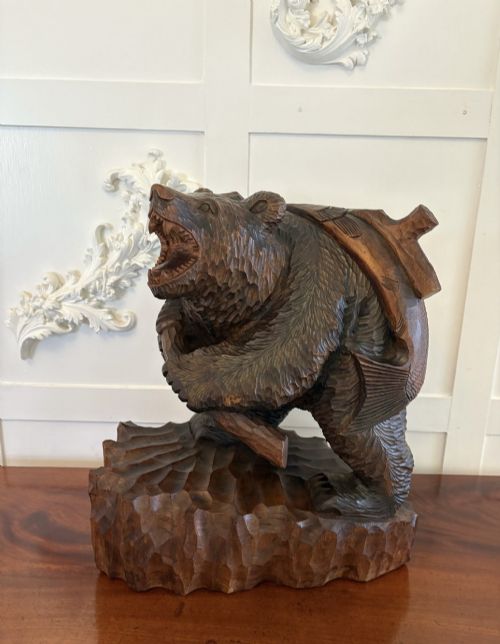
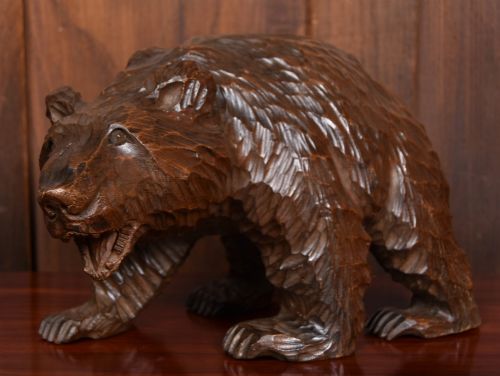
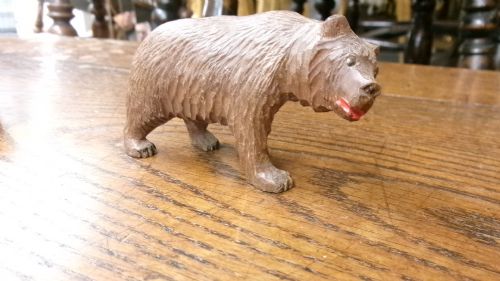
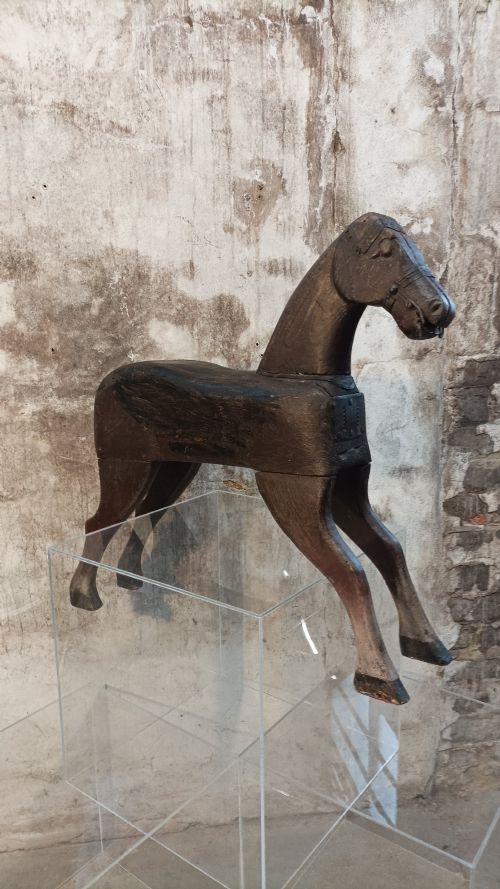
When you search for vintage wooden animal figures, you encounter a diverse array of sculptures, bookends, and carousel pieces spanning the nineteenth and twentieth centuries. The selection comprises regional works such as Swiss Black Forest carvings, Anglo-Indian elephants, and French folk art horses.
You are most likely to meet bears, lions, horses, and elephants executed in various woods, sometimes paired with glass, metal, or marble bases. These objects function as decorative sculptures, functional bookends, and occasional toy figures.
The origins stretch across European, Asian, and African traditions, encompassing Japanese folk art, Chinese hardwood pieces, and Raj period carvings. Each piece reflects the specific sculptural conventions and domestic or display purposes of its period.
How they were made
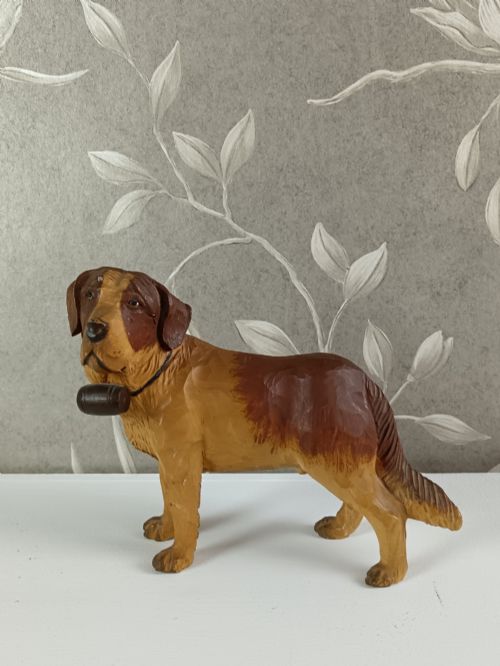
Carvers utilised hardwoods, linden wood, teak, bamboo, and coromandel, often working with hand tools to shape domestic and exotic animals. Some figures receive pigment or paint finishes, while others display the natural grain of the carved wood.
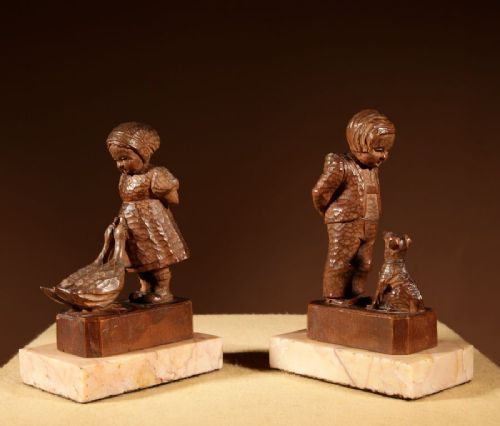
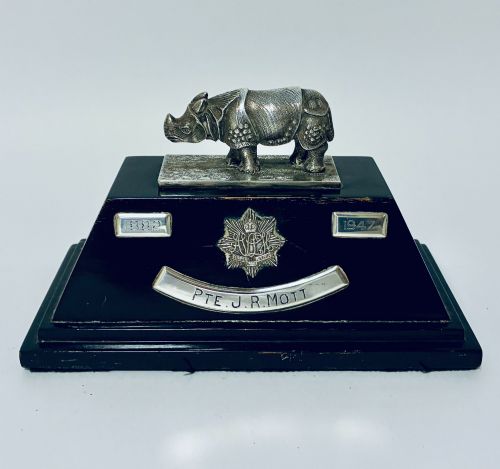
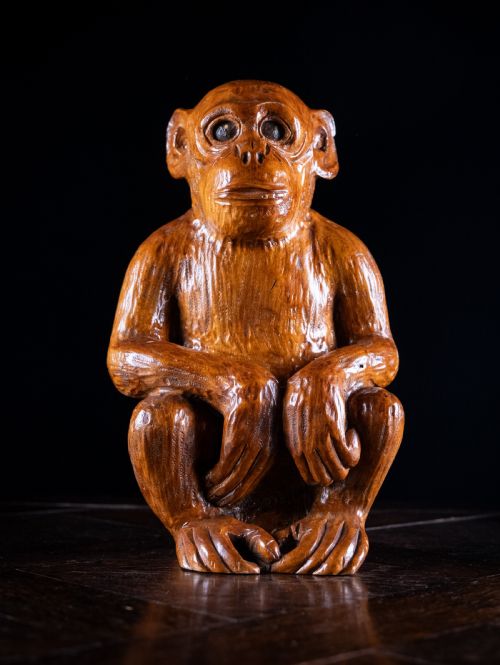
Selected examples incorporate contrasting media, mounting wooden animal studies upon marble or metal bases, or inserting stud eyes for expression. Construction techniques range from solid block carving to articulated toy assembly.
The listings show materials including wood, paint, hardwood, metal, bone, marble, and glass across various carving styles.
What varies in quality
The standard of a carved animal figure rests upon the anatomical fluency and expression achieved by the maker. Superior pieces capture movement and texture convincingly, whereas simpler examples rely on naive or stylised forms.
The integrity of the material and the preservation of original surfaces also dictate distinction. Retained paint, well-maintained grain, and intact appendages separate workshop pieces of high merit from heavily restored or plain items.
Eugene Emile Borga·Guido Cacciapuoti
The Vintage Wooden Animal Figures Glossary
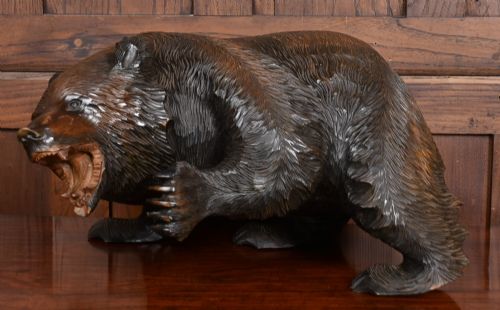
- Black Forest carving
- A style of wood carving originating in Brienz, Switzerland, typically depicting bears and woodland animals. These pieces date largely from the nineteenth and early twentieth centuries.
- Folk art
- Utilitarian or decorative objects created by self-taught or traditional makers without formal academic training. These figures often display charmingly naive proportions and painted surfaces.
- Anglo-Indian
- Furniture and decorative objects produced in India during the British colonial period, frequently utilising dense local hardwoods such as teak and coromandel. The style combines British forms with traditional Indian carving motifs.
- Carousel figure
- Carved wooden animals, such as horses or pigs, originally mounted on fairground roundabouts. Limonaire figures represent notable examples of this energetic, large-scale carving tradition.
- Bookends
- A matched pair of heavy decorative supports designed to hold books upright. In wooden animal figures, these often feature opposing animal studies.
Vintage Wooden Animal Figures: Frequently Asked Questions
What animals appear most often?
Bears, horses, and elephants form the majority of surviving figures, originating from European, Indian, and East Asian workshops.
Bears frequently stem from Black Forest traditions, while horses and elephants appear across folk art and colonial contexts.
How do I date these carvings?
Dating relies on stylistic markers, wood types, and regional production periods spanning the nineteenth and twentieth centuries.
Comparing surface wear and known workshop output helps narrow the decades between eighteen-eighty and nineteen-forty.
Where were they displayed?
Many figures served as domestic ornaments on mantelpieces, desks, or library shelves as bookends.
Larger specimens functioned as shop displays, carousel components, or presentation pieces in colonial settings.
Are painted finishes original?
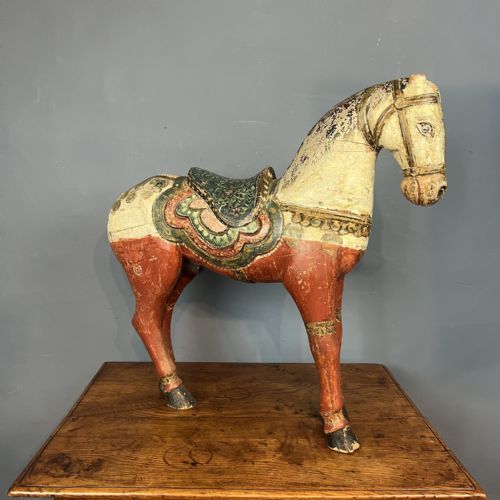
Folk art horses, carousel figures, and toys often retain early or original painted surfaces that define their character.
Inspect the pigment layers under magnification to distinguish period paint applications from later decorative interventions.